10 Beautiful Perennials That Come Back Stronger Every Year for Effortless Garden Beauty
Ever wish your garden could take care of itself and look even better each year? Perennials might be just what you need.
These plants return every season, sparing you from constant replanting and giving your outdoor space lasting color and texture.
Choosing the right perennials lets you enjoy a lively, full garden without a ton of maintenance.
Peony
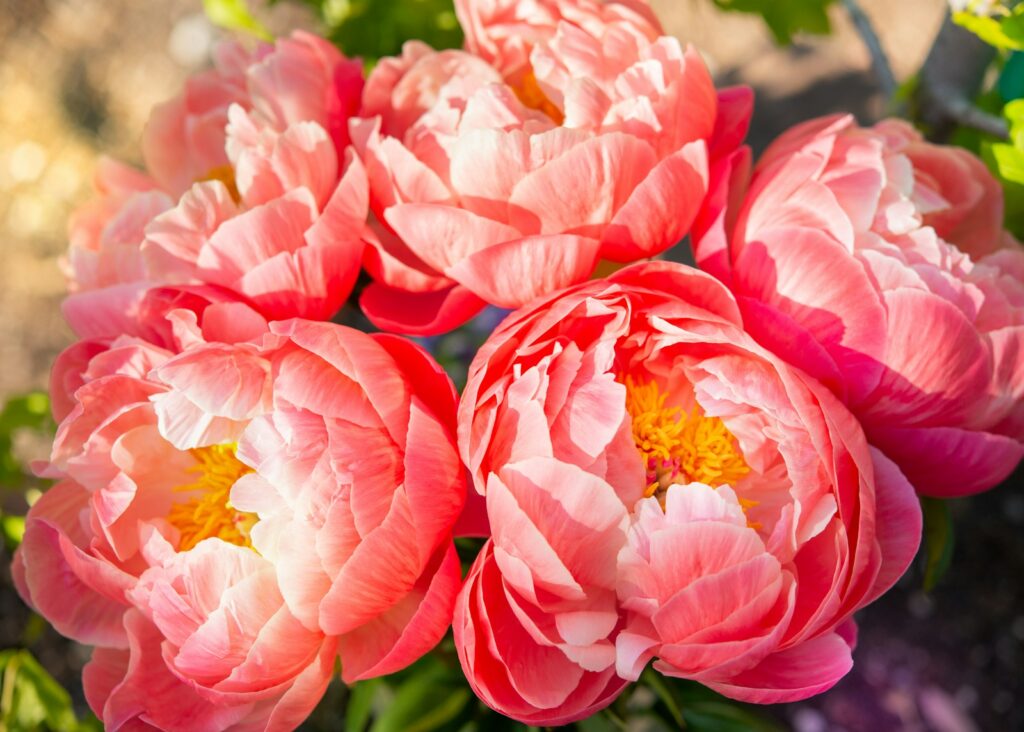
Peonies bring a burst of beauty to your yard that only gets better with time. Their large, colorful flowers make a big impression every spring.
Once peonies are settled in, they’re low-maintenance and handle different weather conditions well. They love full sun and well-drained soil.
Many gardeners find that peonies stick around for decades, growing bigger and fuller each year. The sweet fragrance from their blooms makes any garden feel special.
Hosta
Got a shady spot that needs some love? Hostas are perfect for those tricky areas.
Their big, textured leaves come in shades of green, blue, and fun patterns that brighten up dark corners. Hostas need little attention once planted, just occasional watering.
They handle cold winters and reliably come back each spring. Over time, hostas spread slowly, so your garden fills in without getting out of control.
You can divide them every few years to freshen things up and keep them healthy.
Daylily
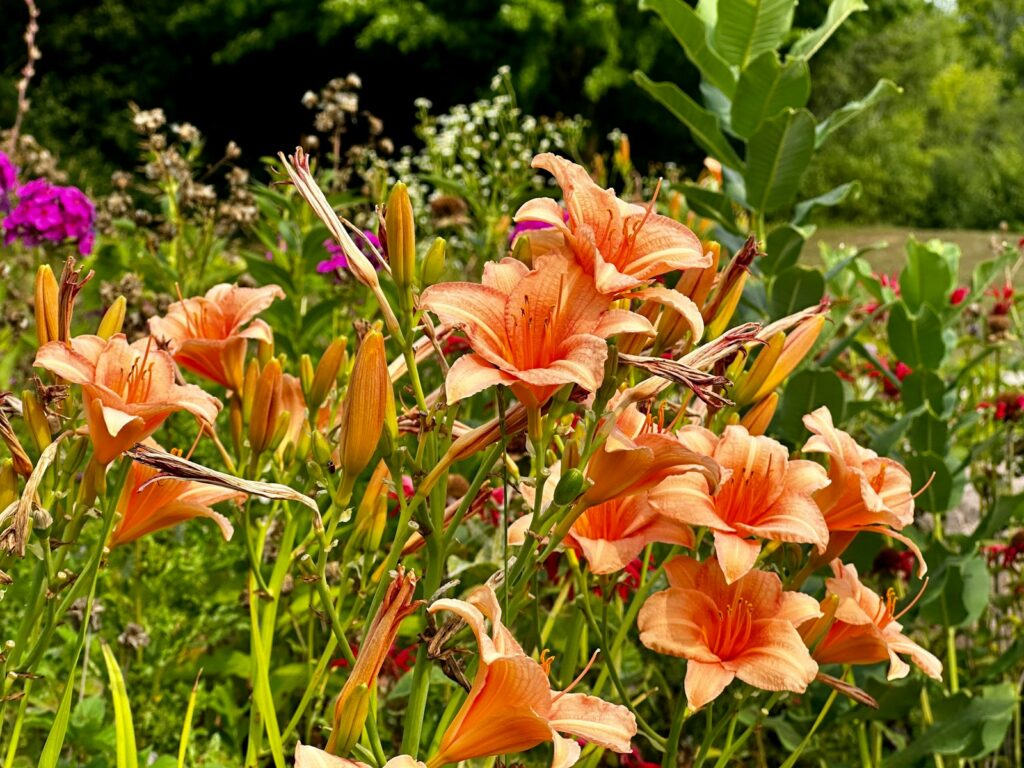
Daylilies are the answer if you crave easy color in your garden. With blooms in everything from soft pastels to bold oranges and reds, they keep things lively.
These plants are tough and can handle heat, drought, and less-than-perfect soil. Each flower lasts just a day, but the plant keeps sending up new blooms all season.
Daylilies ask for very little care. Just a bit of water and some morning sun, and they’ll reward you year after year.
Coneflower (Echinacea)
Coneflowers, also called echinaceas, are a reliable way to add lasting color to your yard. They’re known for their bright petals and spiky centers.
These flowers survive cold winters and bounce back strong in spring. You can find them in lots of colors, so it’s easy to match your garden’s vibe.
Plant coneflowers in a sunny spot with good drainage. Mulching helps protect their roots over winter.
Black-eyed Susan
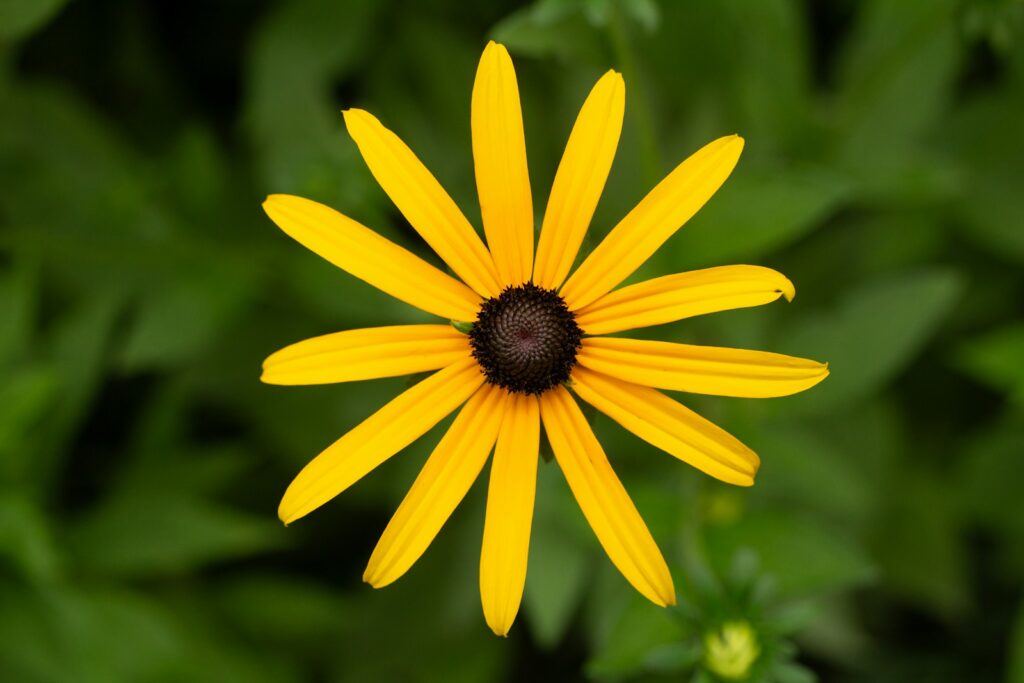
Black-eyed Susans bring cheerful yellow blooms and a dark center that brighten up any garden. They don’t ask for much, just a sunny spot and the occasional drink of water.
These flowers are hardy and tolerate dry spells, so you don’t need to stress if you miss a watering. They often reseed themselves, so you’ll see new plants popping up each year.
Black-eyed Susans also attract bees and butterflies, giving your garden a lively, healthy feel.
Sedum (Stonecrop)
If you want something that thrives with little attention, sedum is a great pick. Its thick, fleshy leaves store water, so it doesn’t mind dry spells.
Sedum comes in a range of shapes and sizes. Some types hug the ground, while others grow upright with clusters of star-shaped flowers.
It does best in full sun and well-drained soil. Sedum’s colors change through the seasons, keeping your garden interesting from spring to fall.
You can plant sedum in containers or straight in the ground for a flexible, low-maintenance option.
Lavender
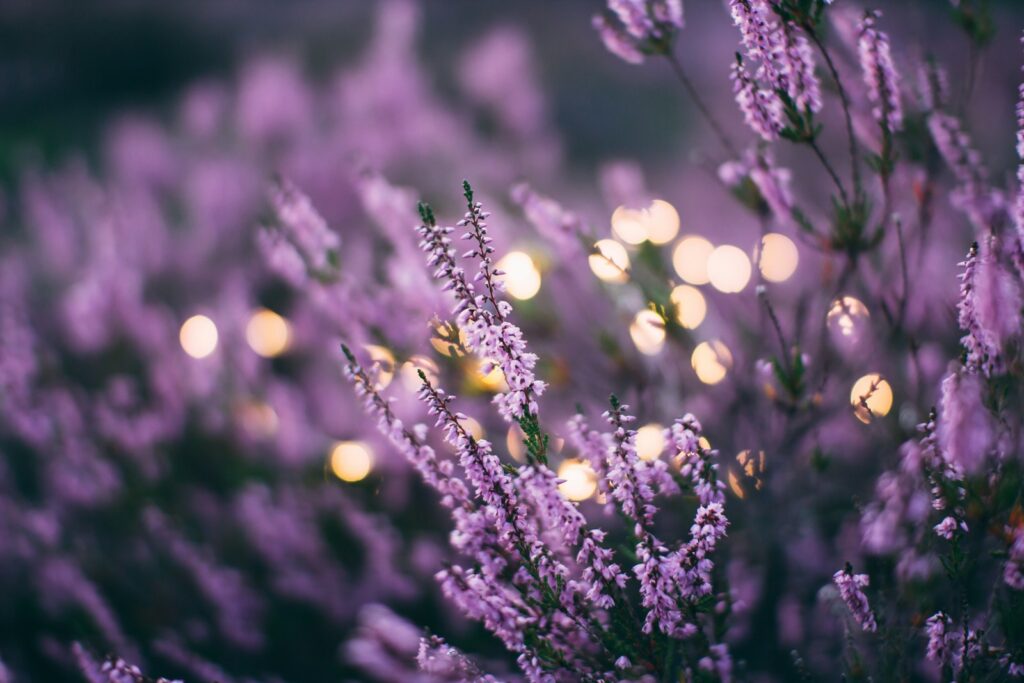
Lavender brings soft purple flowers and a relaxing scent to your garden every summer. It’s a favorite for anyone who loves both color and fragrance.
This plant is easy to grow if you have a sunny spot with well-drained soil. Once established, lavender needs very little care.
You can use dried lavender flowers in sachets or homemade gifts. Plus, it attracts bees and butterflies, supporting a healthy garden.
Bee Balm (Monarda)
Bee balm lights up gardens with shades of red, pink, purple, and white. Its bright blooms attract bees, butterflies, and even hummingbirds.
It grows well in both sun and partial shade and likes moist soil, though it can manage some drought once it’s settled in. Bee balm spreads gently, filling empty spaces over time.
The minty scent of its leaves adds a special touch near garden paths. Dividing bee balm every few years helps keep it healthy and prevents crowding.
Coral Bells (Heuchera)
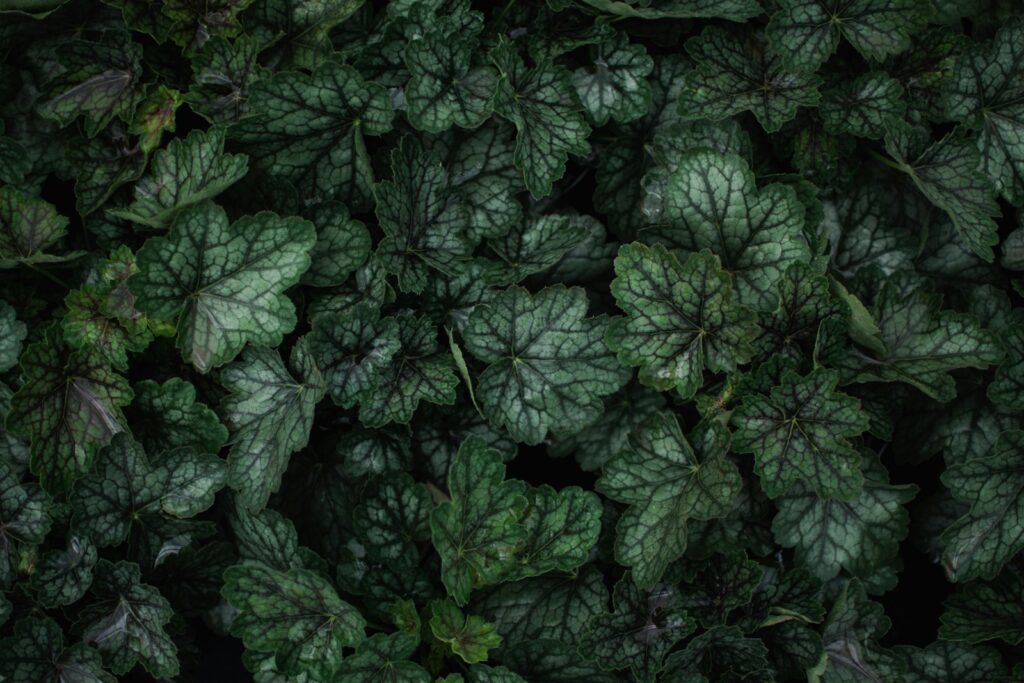
Coral bells are a fun way to add color to shady garden spots. Their leaves come in shades like ruby, silver, and chartreuse, brightening up underused areas.
These plants are easy to care for and deer tend to leave them alone. Plant coral bells in partial shade and well-drained soil for best results.
They also send up delicate bell-shaped flowers in spring and summer. Coral bells work well in containers or as borders, lasting through different seasons with minimal fuss.
Russian Sage
Russian sage is a go-to for gardeners who want something that thrives on neglect. Its silvery leaves and lavender-blue flowers bloom from summer to fall.
This plant loves full sun and dry conditions. Once established, it barely needs watering and stands up to drought.
Russian sage’s strong scent keeps deer and other animals away. It grows in neat clumps and just needs a little pruning each year to stay looking its best.
How Perennials Thrive Year After Year
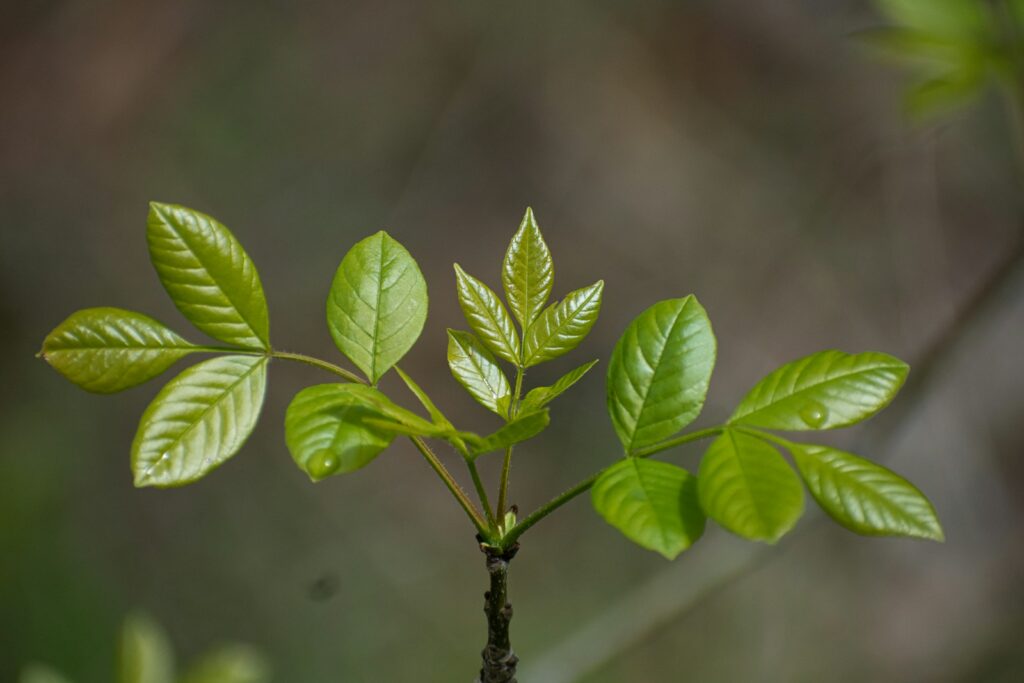
Perennials have built-in ways to survive and come back strong. They store energy in roots, bulbs, or tubers during tough seasons.
When the weather warms up, they use that stored energy to grow new shoots. Over time, their roots spread deeper and wider, helping them soak up more water and nutrients.
This growth lets them bloom better each year without much extra work.
Common Traits of Robust Perennial Plants
Strong perennials usually have deep roots that help them survive drought or cold. Many also have tough leaves or stems to resist pests and weather.
Some spread by runners or clumps, filling empty garden spaces naturally. They can adapt to different light and soil conditions, so you can find options for sun or shade, dry or moist spots.
Tips for Growing Stronger Perennials
Giving perennials a good start makes a big difference. Focus on healthy soil and the right nutrients to help roots grow strong.
Pay attention to watering and sunlight to keep your plants thriving and blooming year after year.
Soil Preparation and Fertilizing
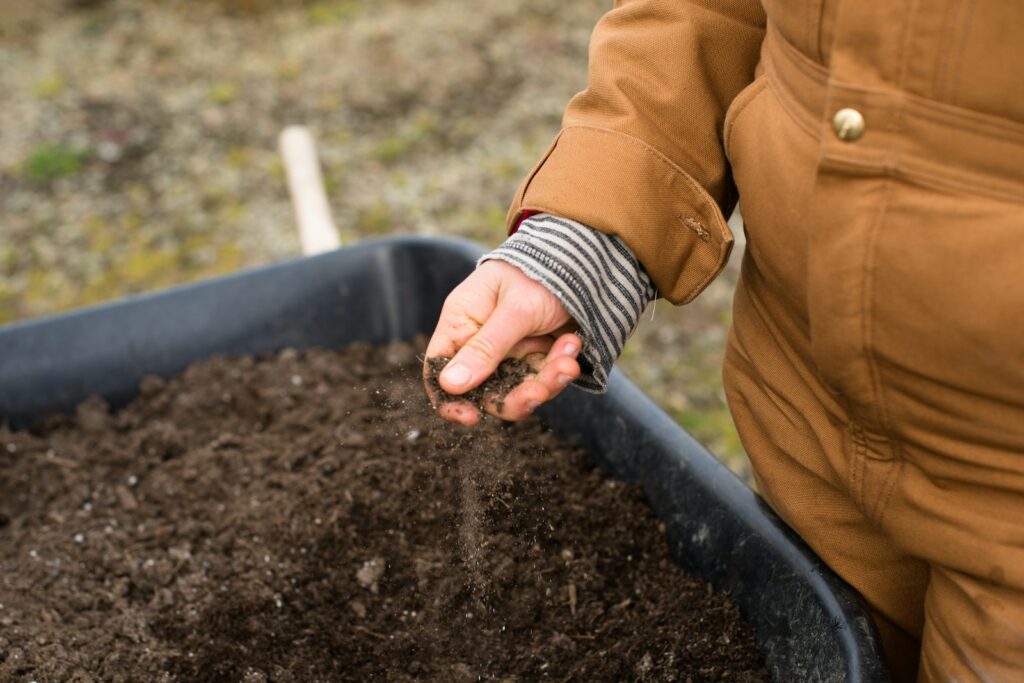
Start with soil that drains well but keeps enough moisture for roots. Mixing in compost or organic matter boosts nutrients and keeps the soil loose.
Test your soil’s pH before planting. Most perennials like it slightly acidic to neutral, between 6.0 and 7.0.
Use a slow-release fertilizer in early spring to support new growth. Choose a balanced fertilizer to help leaves, roots, and flowers develop.
Avoid overfertilizing, which can lead to weak plants or fewer blooms.
Watering and Sunlight Considerations
Perennials can be surprisingly tough, but they do have some basic needs. Water deeply but less often to help roots grow strong.
Most perennials like about 1 inch of water each week, whether it comes from rain or your hose. Watering early in the morning helps keep leaves dry and healthier during the day.
Sunlight is another big factor. Many strong perennials want at least 6 hours of sun every day.
Some plants handle part shade better, especially if your summers get really hot. It helps to know what your specific plants prefer so they don’t end up weak or leggy.
If your garden doesn’t get a lot of sun, choose perennials that can handle shade. Make sure the soil stays moist but not soggy.
When the weather changes, your watering routine should too. Hot, dry days call for more water, while cool, rainy days mean you can ease up.