10 Common Watering Mistakes Gardeners Don’t Realize They’re Making
Have you ever wondered why your plants sometimes look unhappy, even when you’re watering regularly? It’s easy to assume you’re doing everything right, but small mistakes can sneak in and make a big difference. Catching these errors early can help your garden bounce back fast.
Overwatering leading to root rot
It’s tempting to water your plants often, especially if you want them to grow quickly. But giving too much water is a hidden danger.
When soil stays wet for too long, roots can’t breathe. This leads to root rot, where roots decay and plants start to wilt or turn yellow even though the soil feels wet.
Check your soil before watering by sticking your finger an inch or two deep. If it’s still damp, wait a day or two. Finding that balance between moisture and air helps your plants stay strong.
Watering at the wrong time of day
Timing matters more than you might think. Watering during the hottest part of the day causes most of the water to evaporate before it even reaches the roots.
Try watering in the early morning. This gives plants time to soak up moisture and helps leaves dry out, lowering the risk of disease.
Avoid watering in the evening or at night. Damp leaves and soil overnight can invite fungus and other problems.
Using a hose without a nozzle causing runoff
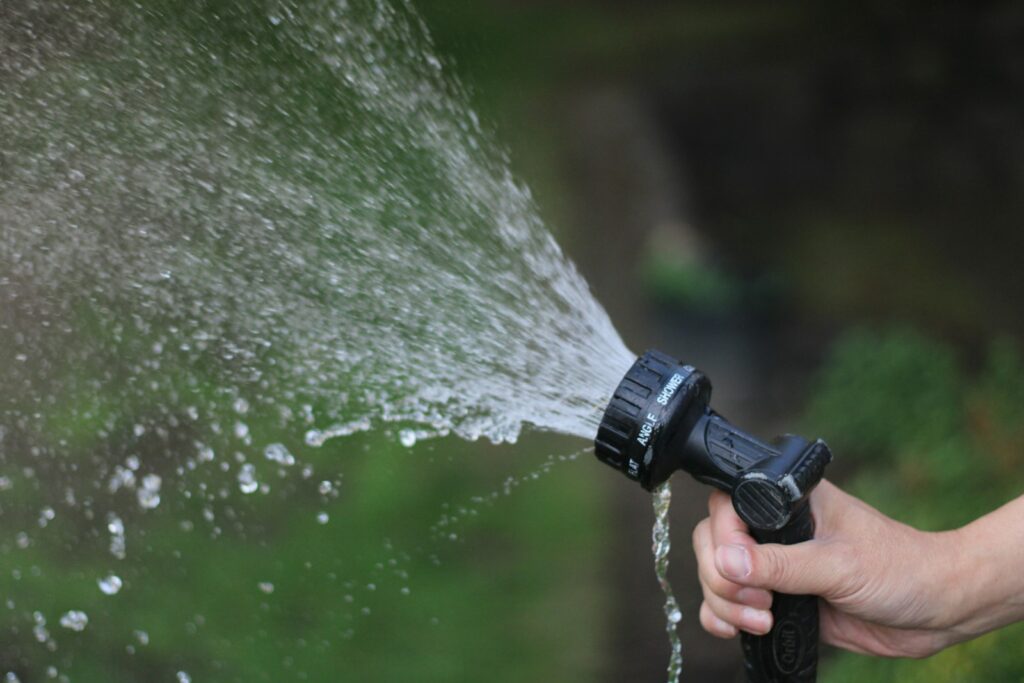
Watering with just a hose can cause water to run off instead of soaking in. Fast or uneven streams send water away from roots, taking nutrients with it.
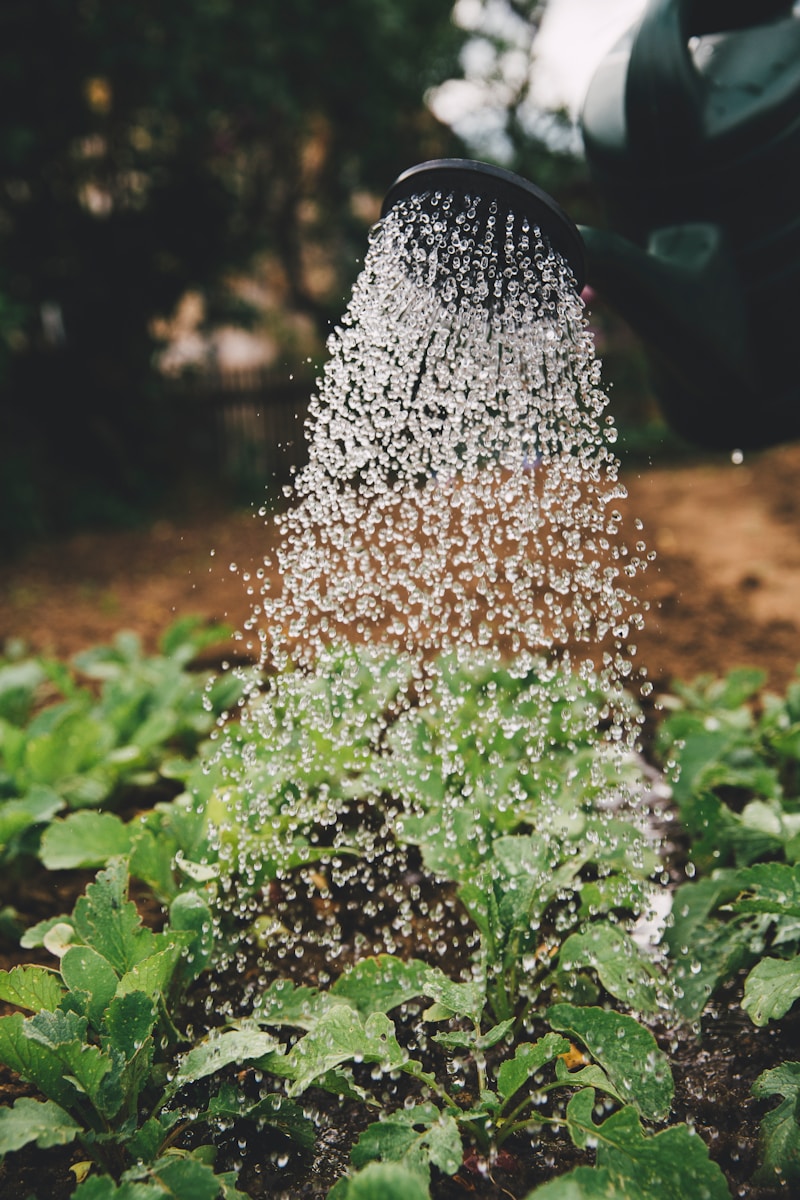
Attaching a nozzle lets you control the flow. A gentle spray soaks the soil deeply, giving roots a better chance to absorb moisture.
This small change saves water and helps your plants thrive.
Ignoring plant-specific water needs
Not all plants are the same when it comes to water. Some love moisture, while others prefer dry soil.
Succulents, for example, need less frequent watering. Vegetables often need more.
Check your plants’ needs and adjust your watering routine. Paying attention to their signals keeps them healthy and happy.
Watering the leaves instead of the soil
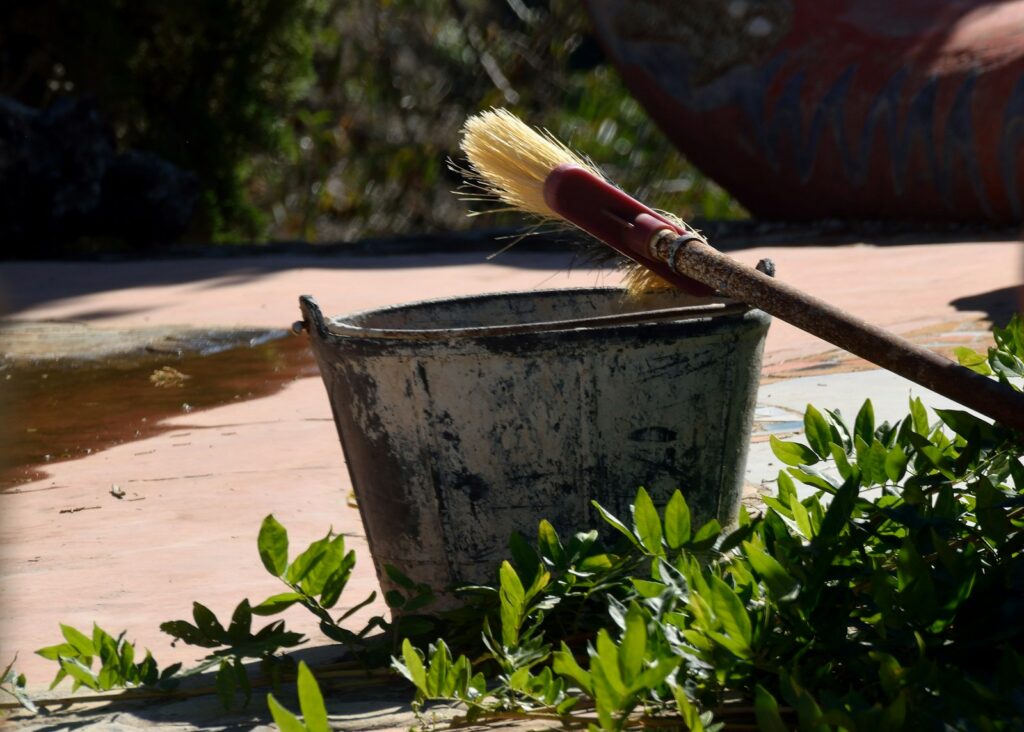
Spraying water on leaves might seem convenient, but it can cause trouble. Wet leaves stay damp and can develop mold or fungus.
Roots are where water is needed most. Aim your watering at the base of the plant, soaking the soil instead of the foliage.
This keeps your plants healthier and reduces disease risk.
Not adjusting watering frequency with weather changes
Watering the same way year-round doesn’t work. Plants grow faster and need more water in spring and summer.
In cooler months, their needs drop. Overwatering during these times can stress your plants.
Pay attention to the weather. Hot days may call for extra water, while rainy spells mean you can skip a day or two.
Adjusting your schedule keeps your garden in good shape and saves water.
Relying solely on soil surface dryness to water
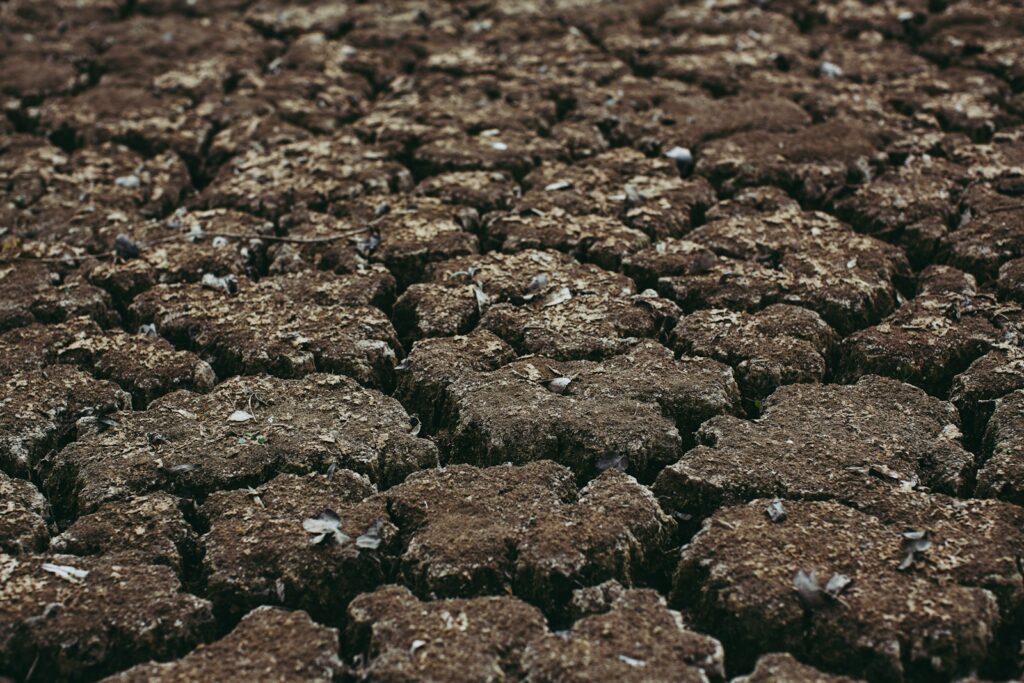
It’s easy to look at dry soil on top and assume your plants are thirsty. The surface dries out quickly, but deeper layers can still be moist.
If you water every time the top looks dry, you risk overwatering. This can lead to shallow roots and weaker plants.
Check a few inches below the surface before watering. Your plants will develop stronger roots and handle dry spells better.
Using too much water in a single session
Pouring lots of water at once might feel efficient, but it can do more harm than good. Soil can become waterlogged, making it hard for roots to breathe.
Excess water often runs off before the soil can absorb it. This wastes water and can lead to root rot.
Water slowly and in smaller amounts. Let the soil soak it up, and your plants will grow deeper, stronger roots.
Neglecting to mulch to retain moisture
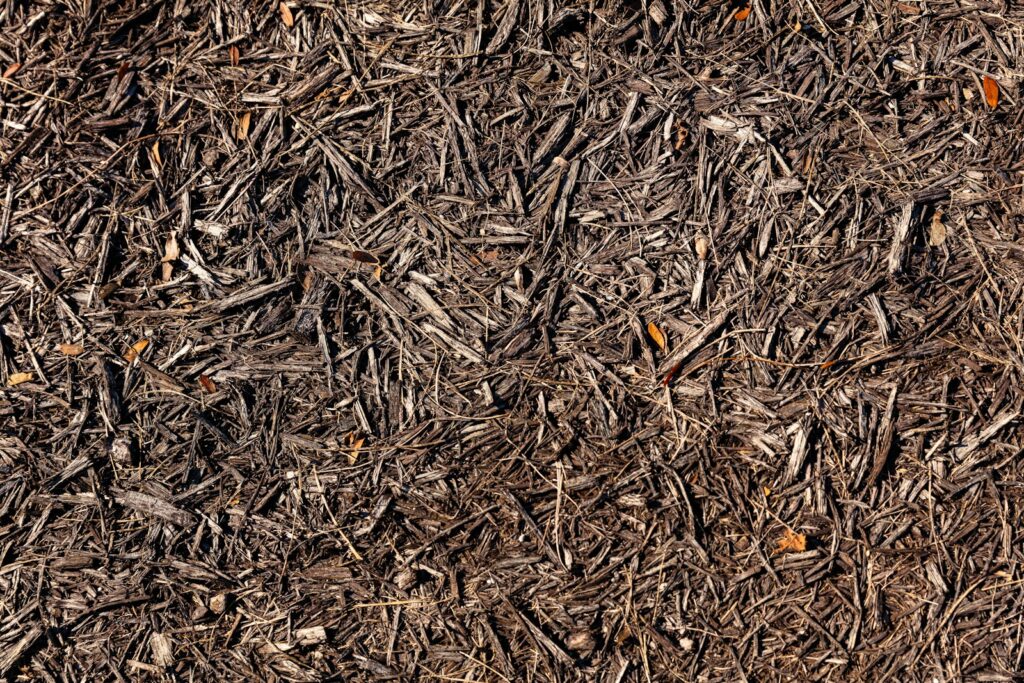
Skipping mulch makes your soil dry out faster. Without a protective layer, water evaporates quickly and your plants need more frequent watering.
Mulch acts like a blanket, keeping moisture in and soil temperature steady. It also helps protect roots from extreme heat or cold.
Spread a layer of mulch around your plants, but keep it away from the stems. This simple step helps your garden stay hydrated longer.
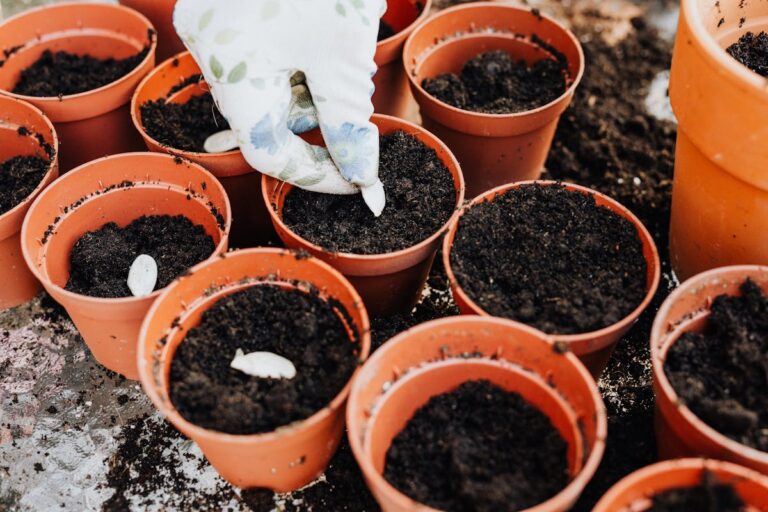
Watering newly transplanted seedlings too much or too little
Moving seedlings is stressful for them, and getting the water right is crucial. Too much water can suffocate roots, while too little dries them out.
Aim for soil that’s damp but not soggy. Check the top inch—if it’s dry, water gently. If it’s still moist, wait before watering again.
Watch your seedlings closely as they settle in. A careful routine helps them adjust and grow strong.
Adapting Watering to Different Garden Environments
Not all gardens are the same, and your watering habits should reflect that. Where your garden is and the type of soil you have make a big difference.
Adjusting for Soil Types
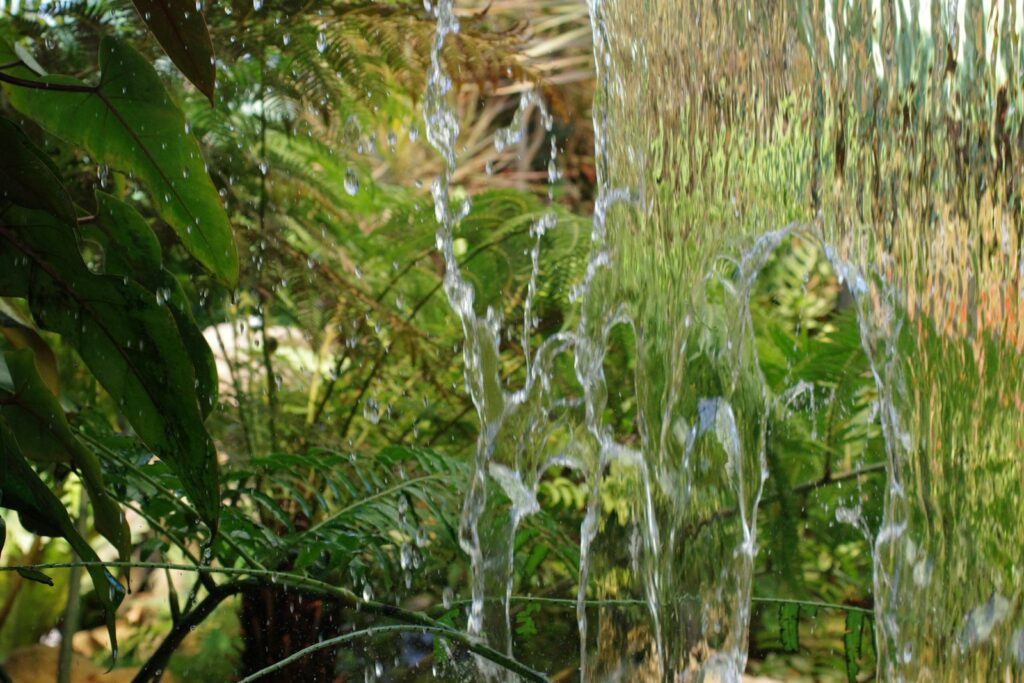
Sandy soil drains quickly, so it needs more frequent but lighter watering. Clay soil holds water longer and can get soggy, so water less often and more slowly.
Loam soil is the sweet spot. It holds moisture well but still drains, making it easier to keep plants happy.
Test your soil by feeling it or doing a drainage test, dig a hole, fill it with water, and see how long it takes to drain. This helps you adjust your watering routine to fit your garden’s needs.
Getting to know your garden’s unique needs isn’t just good for your plants—it saves time, effort, and water too. Keep experimenting and watch your plants thrive.
Microclimates and Seasonal Changes
Have you ever noticed that some parts of your yard seem to dry out faster than others? Your garden might have areas that get more sun, shade, or wind.
These microclimates affect how much water your plants need. Sunny or windy spots lose moisture quickly, so they usually need more frequent watering.
Shady or protected corners hold onto moisture longer. These areas often need less attention with the hose.
As the seasons change, so do your plants’ thirst levels. During spring and summer, plants grow quickly and soak up more water.
In fall and winter, their growth slows down. This means you can usually cut back on watering.
Keep an eye on the weather. If it’s been raining, you can skip watering to avoid soggy roots.
Try watering early in the morning or later in the evening. This helps keep evaporation low and ensures your plants get the most out of every drop.