10 Composting Mistakes That Slow Everything Down
Ever feel like your compost pile just sits there and refuses to turn into that beautiful, rich soil you imagined? You’re not alone. Composting can be tricky, and sometimes it feels like no matter what you do, nothing changes.
It’s easy to miss a few key steps or make small mistakes that slow down the whole process. Let’s look at the most common composting slip-ups and how to fix them so you can get your pile working for you instead of against you.
Adding too much green material causing soggy compost
Loading up your compost with lots of green materials like food scraps or fresh grass clippings can make it soggy. Too much moisture slows everything down and can lead to bad smells.
Balance is important. Mixing in brown materials like dry leaves or straw helps absorb extra moisture and keeps your pile from turning into a slimy mess. If things get too wet, just add more dry browns and turn the pile to let air in.
Ignoring proper aeration and not turning the pile
If you rarely turn your compost pile, air can’t get in and the breakdown process drags. Compost needs oxygen to decompose quickly.
Turning your compost every week or two mixes things up and gets oxygen to the microbes. This simple step helps keep your pile healthy and working fast.
Using only kitchen scraps without yard waste
Relying only on kitchen scraps can make your compost pile too wet and smelly. Kitchen scraps are high in nitrogen but need carbon from yard waste to balance things out.
Add dry materials like leaves, shredded paper, or small branches to keep your pile from getting soggy. Mixing both types of waste keeps your compost moving and smelling better.
Neglecting moisture balance making it too dry or wet
A compost pile that’s too dry won’t break down because microbes need moisture to work. On the other hand, too much water leads to a slimy, smelly mess.
Check the moisture by grabbing a handful and squeezing. It should feel like a damp sponge, not dripping or bone dry. Adjust with dry browns or a splash of water as needed.
Composting meat or dairy attracting pests
Meat and dairy might seem like good additions, but they attract pests like raccoons and rats. These foods also create bad smells and take a long time to break down.
Stick to vegetable scraps, fruit peels, and garden waste. This keeps your compost healthier and less likely to attract unwanted visitors.
Not shredding materials to speed decomposition
Large pieces like whole leaves or branches take forever to break down. Microbes can’t get inside easily, so decomposition slows down.
Cut or tear materials into smaller pieces before adding them to your pile. Shredding speeds things up and helps everything break down more evenly.
Overloading the pile causing slow breakdown
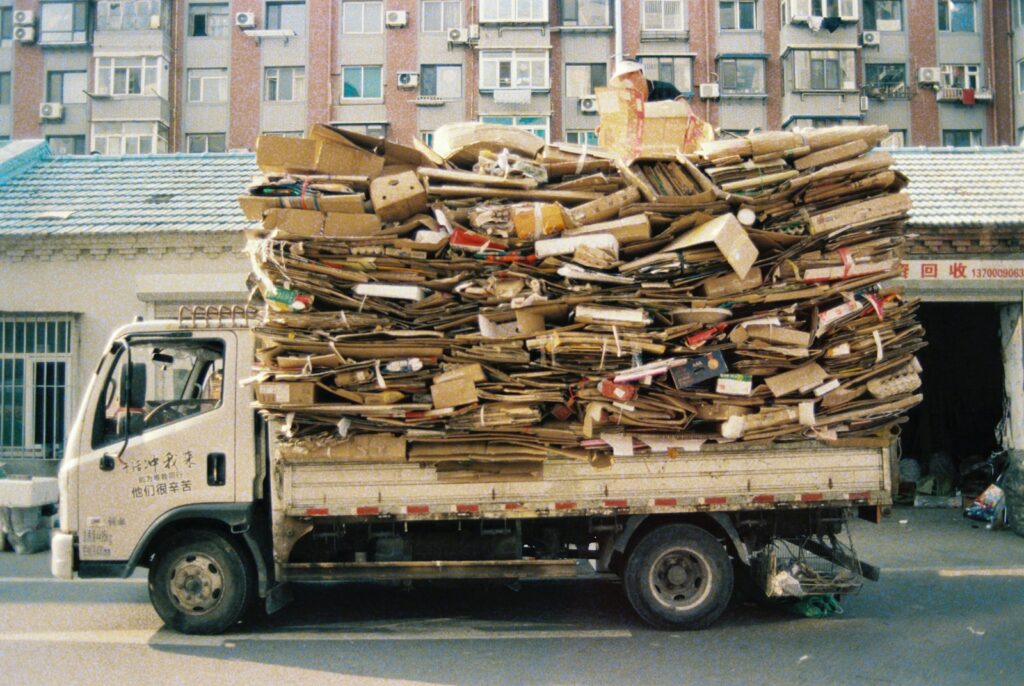
Dumping too many scraps at once can compact your pile and block airflow. Without enough oxygen, decomposition slows and odors build up.
Add new material in layers and mix in dry browns. This keeps the pile balanced and allows air to circulate.
Starting compost without a balanced carbon to nitrogen ratio
Getting the right mix of browns and greens is key. Too much carbon slows things down, while too much nitrogen makes the pile wet and smelly.
Aim for about two parts brown to one part green. Start your pile with a layer of browns at the bottom to help with moisture and airflow.
Leaving large branches that decompose very slowly
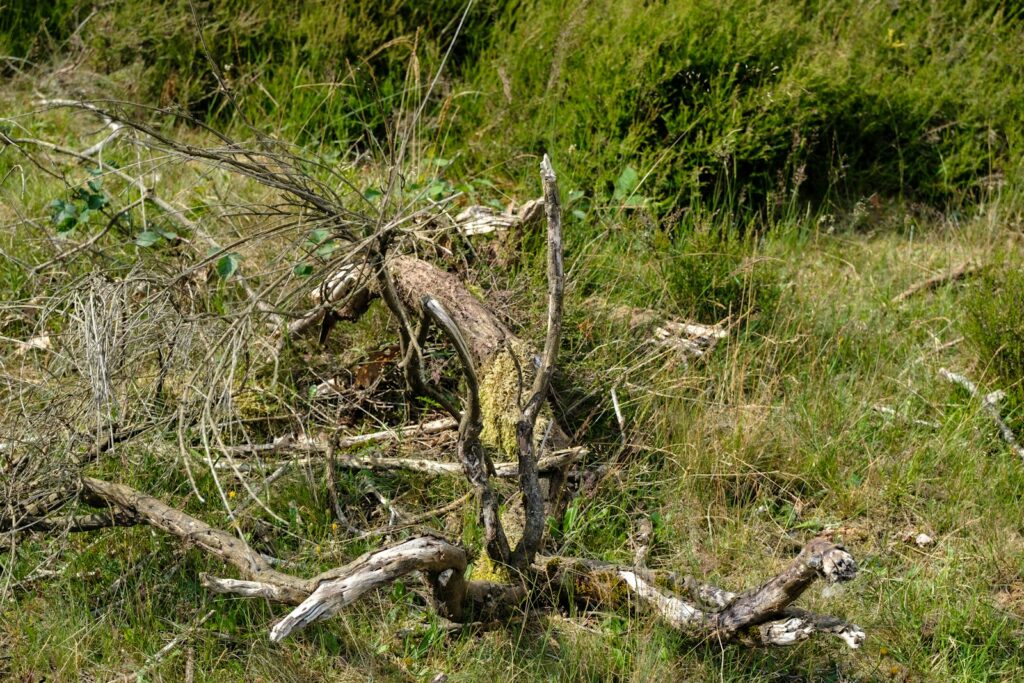
Tossing big branches into your compost means waiting months or even years for them to break down. Large pieces also create air pockets that can cool down the pile.
Chop or shred branches before adding them. Smaller pieces decompose faster and help your pile heat up properly.
Not managing pile temperature for active microbial life
Compost microbes work best when the pile is warm, usually between 135°F and 160°F. If the pile gets too cold, everything slows down.
Check the temperature with a compost thermometer if you have one. Turning the pile and keeping it moist helps maintain the right temperature and keeps microbes active.
Tips to Optimize Your Compost Pile
Focus on a good mix of materials and make sure air can move through the pile. These steps help microbes work faster and keep odors away.
Balancing Green and Brown Materials
Greens like vegetable scraps and coffee grounds are rich in nitrogen. Browns like leaves, straw, and cardboard are full of carbon.
Aim for two to three parts browns for every part green. Chop or shred big pieces to help them break down. Keep adding both types regularly and mix them well. Adding a little finished compost or soil can also give your pile a boost.
Aeration Techniques

Anyone who has tried composting knows that a smelly, soggy pile is no fun to deal with. Oxygen is essential to keep things fresh and help your compost break down efficiently.
Turning your compost every week or two helps add air and keeps things moving. Use a pitchfork or a special compost aerator tool to mix and fluff up the pile.
If your compost feels heavy or wet, try adding more dry browns like leaves or shredded paper. This can help improve airflow and prevent the pile from getting too compacted.
Building your pile in loose layers of greens and browns also makes a big difference. Stacking your compost too high, especially over three feet, can make it tough to turn and lead to spots without enough air.
A little extra effort with aeration goes a long way toward keeping your compost healthy and odor-free.