10 Easiest Vegetables to Grow If You Don’t Have Time for Busy Gardeners
When life gets hectic, it’s easy to push gardening to the bottom of the to-do list. But having fresh vegetables at home doesn’t have to be a time-consuming project.
Even with just a few pots or a small patch of soil, you can still enjoy homegrown veggies. Picking the right vegetables makes it simple to get started and keep things low-stress.
You can grow simple vegetables that need minimal care and still get a good harvest. This article will help you find easy options so you can enjoy homegrown food without spending hours on gardening.
Cherry Tomatoes
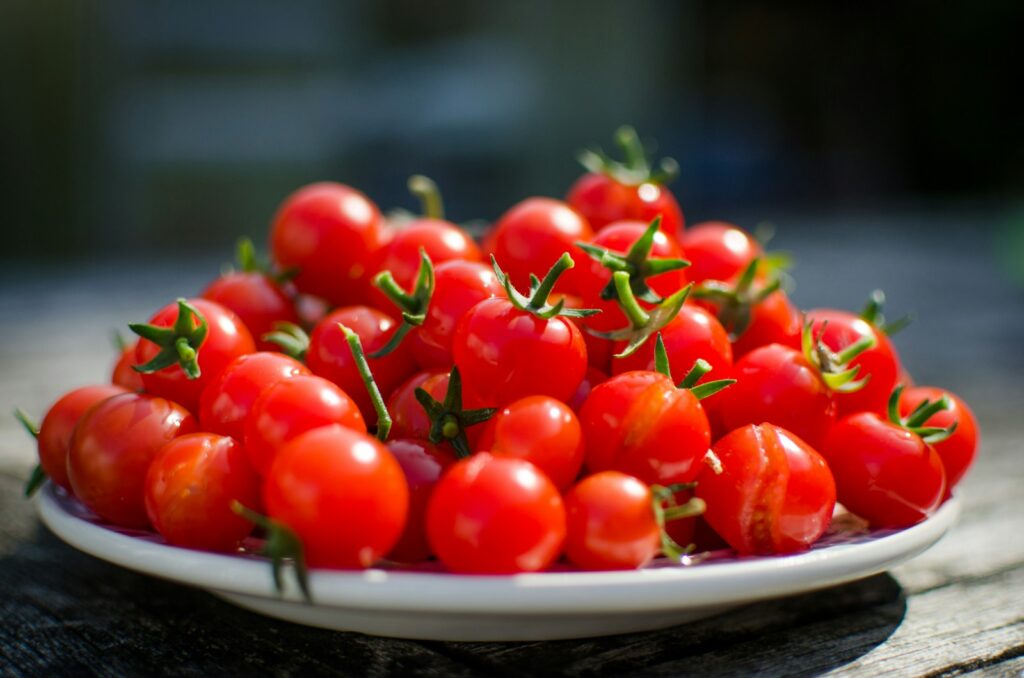
Cherry tomatoes are perfect when you want a low-maintenance plant. They grow well in pots, hanging baskets, or small garden beds.
Six to eight hours of sunlight is ideal for cherry tomatoes. Use a container at least 12 inches deep to give the roots space.
Keep the soil evenly moist by watering regularly. A small cage or stake will help keep the plant upright.
Varieties like Sungold or Sweet 100 are good options because they resist some common diseases. You don’t have to worry too much about pests or complex care routines.
Prune a few lower leaves if the plant gets dense to keep the air flowing. Cherry tomatoes produce fruit quickly, and you can usually start harvesting within a couple of months.
Enjoying fresh tomatoes from your own garden is a treat, even when you’re short on time.
Radishes
Radishes are ready in just 3 to 4 weeks, making them one of the quickest vegetables to grow. They fit easily in small pots or containers.
A container at least 6 inches deep works best. Radishes thrive in cooler weather, so early spring or fall is perfect.
Water regularly to keep the soil moist. If your radishes grow too close together, thin them out so the rest have room to get bigger.
You can plant radishes between slower-growing vegetables like carrots or tomatoes. By the time those need more space, your radishes will be ready to harvest.
Try varieties like Cherry Belle or French Breakfast for a crunchy, colorful addition to salads and snacks.
Lettuce
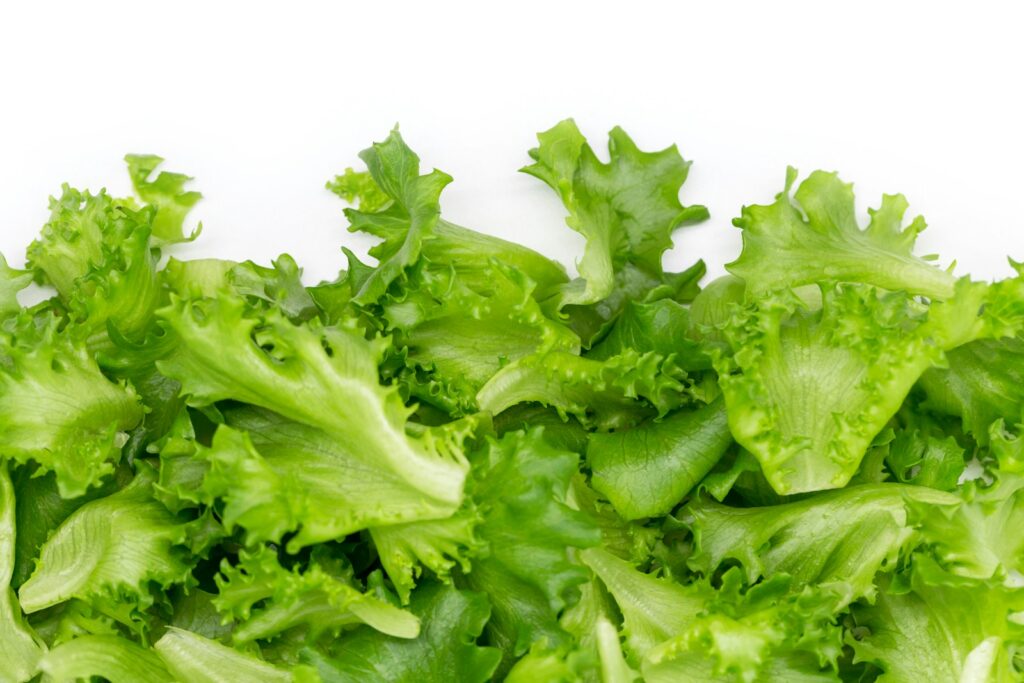
Lettuce is perfect for anyone who wants fresh greens without a lot of fuss. It grows quickly and doesn’t need much space.
Loose-leaf varieties are easy for beginners. Pick the outer leaves as you need them, and the plant keeps producing.
Lettuce prefers cooler weather, so plant in early spring or fall. Make sure it has enough water and some sunlight each day.
Buying lettuce seedlings can save you time if you want a head start. Growing your own lettuce means fresh salads are always within reach.
Green Beans
Green beans are reliable and don’t demand much attention. You can choose bush beans for small spaces or pole beans if you can add a trellis.
Bush beans stay compact and work well in containers. Pole beans need support but will give you beans over a longer period.
They need plenty of sunlight but not much else. Watering regularly is enough for a good harvest.
You’ll be able to pick fresh beans soon after planting. They’re tasty raw or cooked and add a fresh touch to your meals.
Zucchini
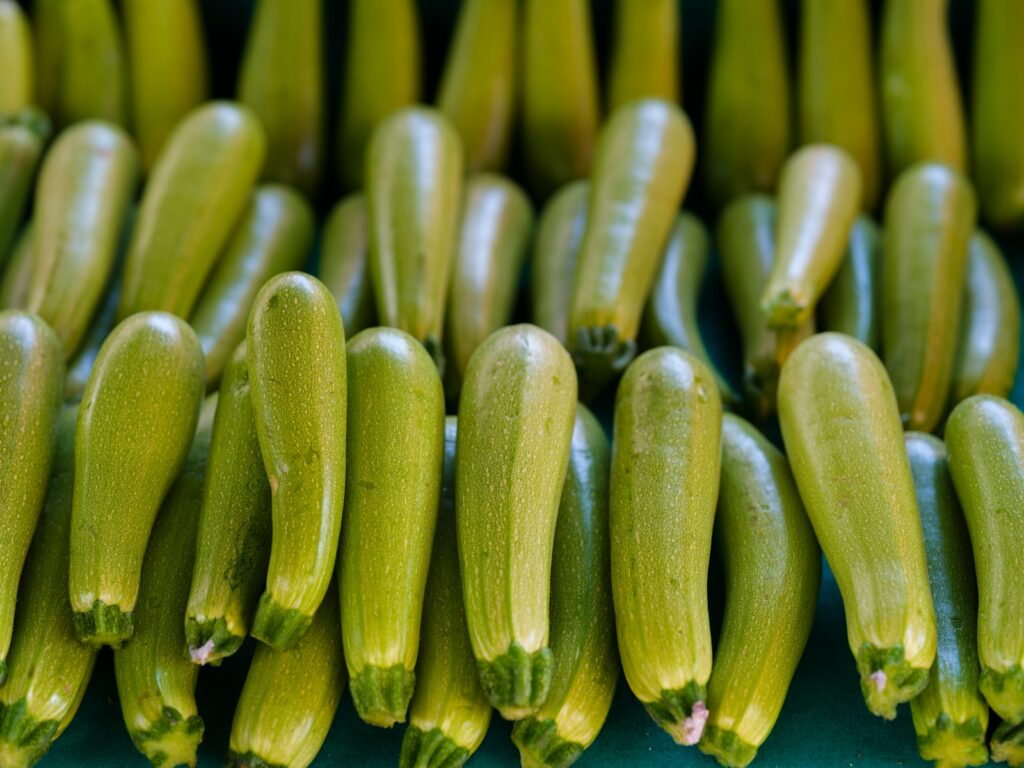
Zucchini is a go-to for busy gardeners who want a big harvest with little effort. Just plant seeds in good soil and water them.
This vegetable is resilient and can handle different weather. It grows well in both garden beds and large containers.
Zucchini plants spread out, so give them space. Harvest the squash when they’re small for the best flavor.
If you’re new to gardening, zucchini is forgiving and easy to care for. It’s a smart way to get fresh veggies without spending lots of time.
Spinach
Spinach is perfect when you want leafy greens fast. You can start picking leaves just a few weeks after planting.
It grows well in small pots or containers, so you don’t need a big garden. Make sure the pot is at least six inches deep and space seeds about two inches apart.
Spinach prefers cooler weather and can handle light frost. Harvest the outer leaves when they reach three to four inches, and let the center keep growing.
Spinach is low-maintenance and gives you multiple harvests. It’s a quick way to add fresh greens to your meals.
Scallions
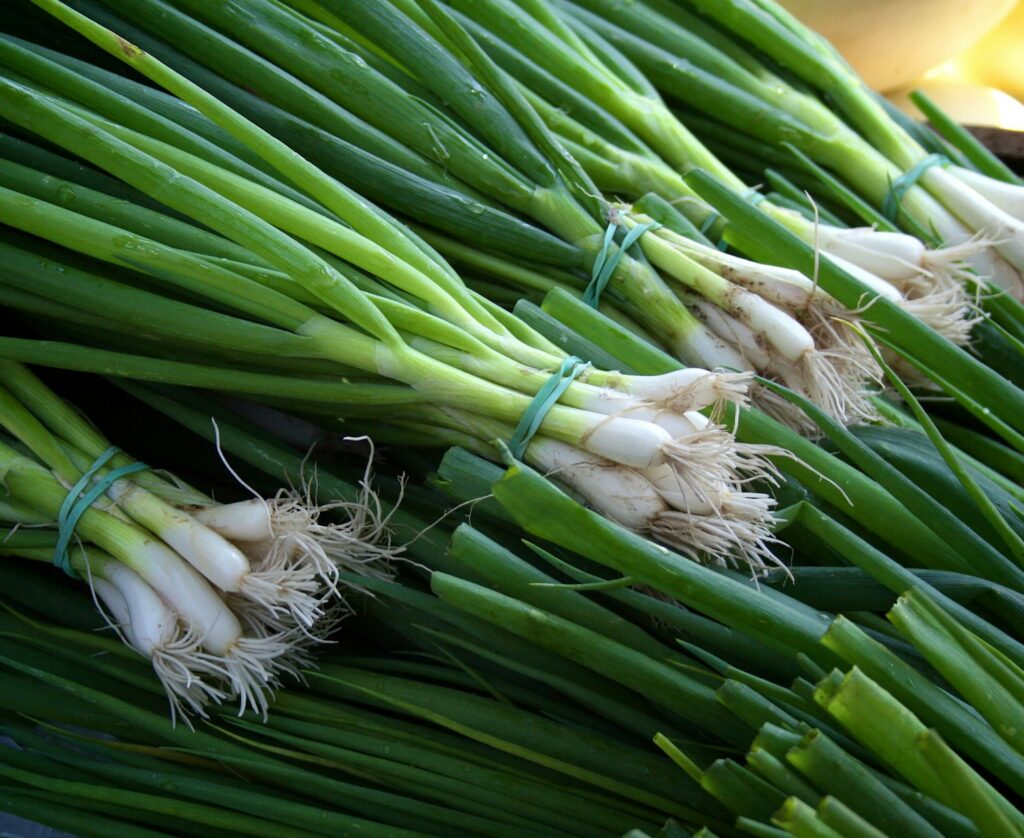
Scallions are ideal if you want something easy and quick. They grow fast and don’t need much space.
A small pot or container by a sunny window works well. Use well-drained soil and water regularly.
Scallions can regrow after you cut them, so you get more from one planting. They’re forgiving if you miss a watering day.
Use scallions in salads, soups, or as a garnish. They’re a handy vegetable to have around.
Cucumbers
Cucumbers make it easy to enjoy homegrown veggies with minimal effort. They need plenty of sunlight and regular watering.
You can grow cucumbers in the backyard or in pots on a balcony. Give them space to spread or use a trellis to save room.
Once they start, cucumbers grow fast. Watch for pests like cucumber beetles, but usually, they’re not a big problem if you check regularly.
Cucumbers thrive in warm weather and need steady moisture. Focus on watering, and you’ll have fresh, crunchy cucumbers for snacks and salads.
Swiss Chard
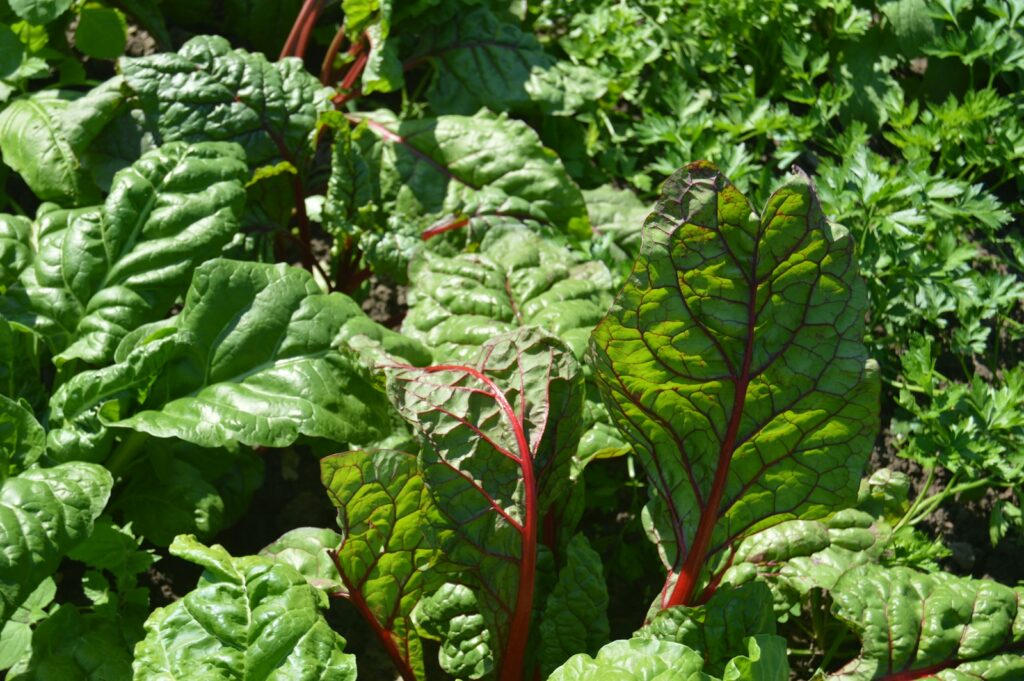
Swiss chard is a colorful, low-maintenance green that grows quickly. Plant seeds in well-draining, nutrient-rich soil.
It does well in most gardens and handles cooler weather. Leaves are ready to harvest in just a few weeks.
Keep the soil slightly moist but not soggy. Pick the outer leaves as needed, and the plant keeps producing.
Swiss chard is great in salads, sautés, and soups. Growing it yourself means fresh greens are always within reach.
Bell Peppers
Bell peppers add color and flavor to your meals with little work. They come in green, red, yellow, and orange, each with a sweet taste.
A sunny spot in the garden or a large pot is all you need. They like warm weather and regular watering.
Peppers start forming in a few weeks. Pick them green or let them ripen for a sweeter flavor.
Bell peppers are forgiving and don’t need constant attention. They’re a great option for anyone short on time.
Benefits Of Growing Easy Vegetables
Having easy vegetables in your garden means fresh food is always close by. It saves you time and energy while letting you enjoy healthy, tasty produce.
Save Time And Effort
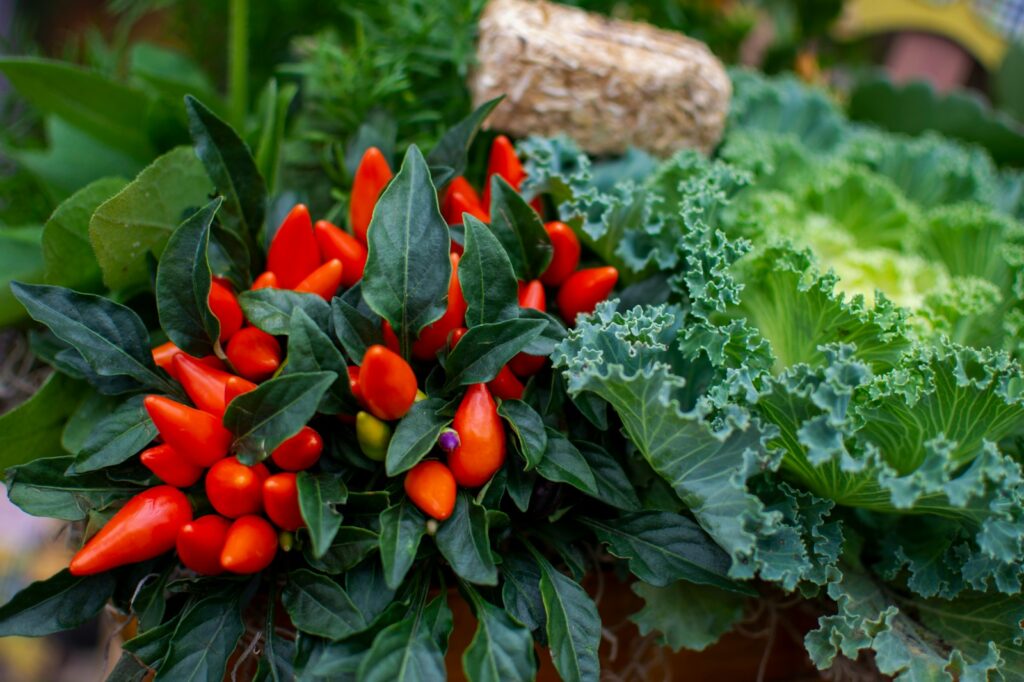
Easy vegetables need less watering, weeding, and care. Many grow quickly and don’t need special soil or lots of fertilizer.
You can grow them in small spaces like pots or raised beds. This cuts down on the work compared to a big garden.
These veggies also tend to have fewer pests and diseases. You spend less time fixing problems and more time enjoying your harvest.
Improve Your Health With Fresh Produce
Eating vegetables from your own garden means you get more nutrients than store-bought produce. Fresh-picked spinach, cherry tomatoes, and snap peas taste better and keep more vitamins.
Growing your own encourages you to eat more veggies each day. It’s an easy way to boost your health, digestion, and immune system.
Gardening also gets you outside for gentle exercise and fresh air. It’s a simple way to make healthy eating part of your routine.
Tips For Maintaining A Low-Maintenance Garden
Keeping things simple starts with choosing the right spot, watering efficiently, and preparing the soil well. These tips help your plants thrive without taking up all your free time.
Choosing The Right Location
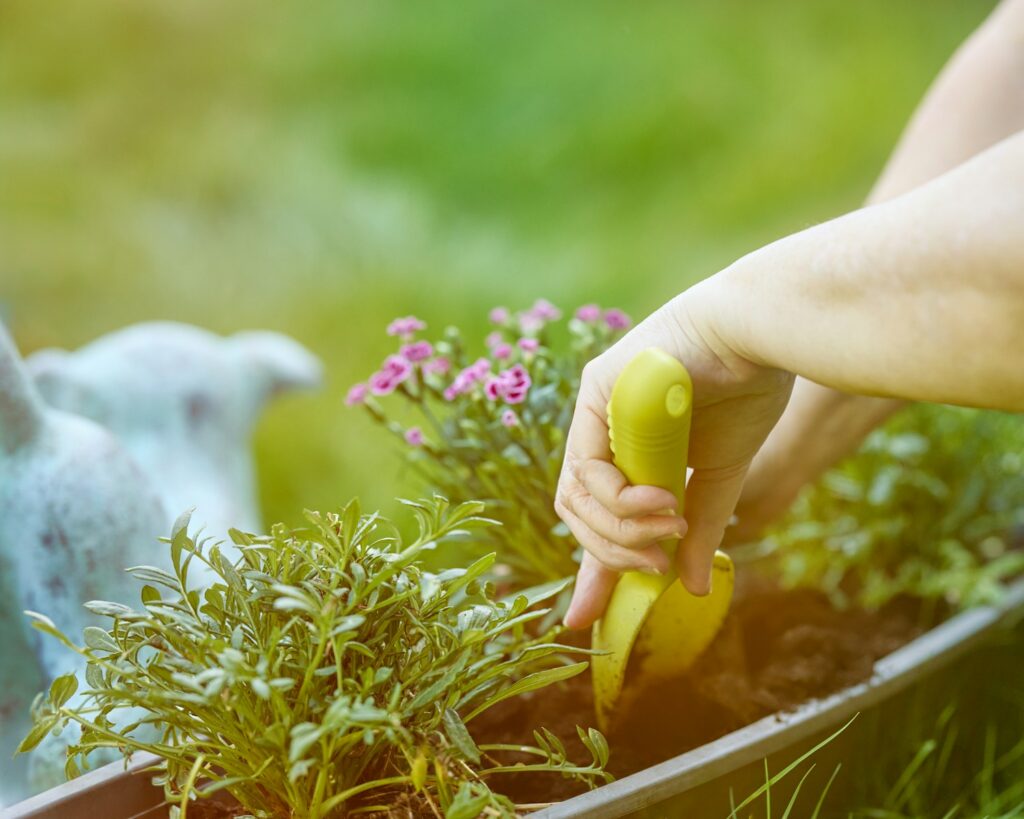
Pick a spot with plenty of sunlight, about six to eight hours a day. Avoid places with poor drainage or lots of shade.
If space is tight, try containers or raised beds that you can move to catch the sun. Keep your garden close to home for easy watering and harvesting.
Protect your plants from strong winds or heavy foot traffic. This keeps your vegetables healthy and stress-free.
Effortless Watering Strategies
Watering doesn’t have to be a chore. Soaker hoses or drip irrigation systems deliver water right to the roots, saving time.
Water early in the morning to reduce evaporation and keep leaves healthy. A layer of mulch helps the soil stay moist longer.
Group plants with similar water needs together. This way, you don’t risk overwatering or underwatering by mistake.
Soil Preparation Made Simple
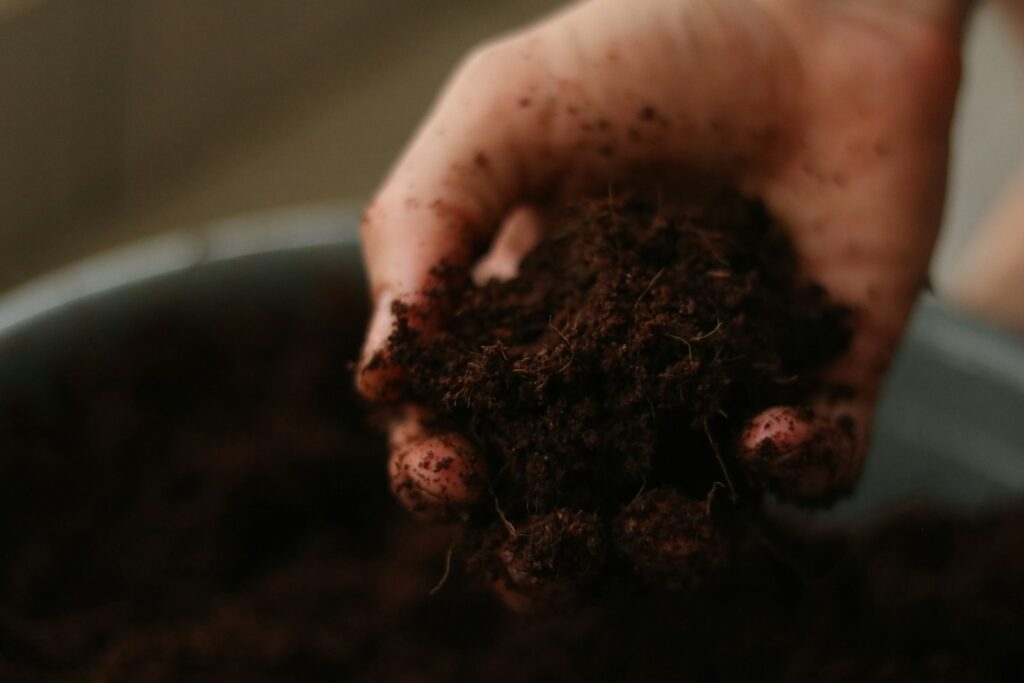
Getting your soil right can make gardening so much easier in the long run. Think of it as setting the stage for your plants to thrive with less effort later.
Try mixing in organic compost or aged manure to boost nutrients and help the soil hold together better. This simple step means your plants get what they need without you having to add extra fertilizer all the time.
Instead of digging deeply every season, just loosen the top layer a bit and spread compost on the surface. This gentle approach keeps helpful worms and microbes happy.
If you’re curious about what your soil needs, testing its pH with a simple kit can be eye-opening. Matching the right vegetables to your soil type can really help your plants grow strong on their own.