10 Garden Investments That Sound Smart But Often Miss the Mark
As enthusiastic home gardeners, we’re always looking for ways to enhance our plots and maximize our harvests. However, not every purchase leads to the fruitful results we hope for. Here’s a look at ten garden investments that may seem like a brilliant idea at first, but often end up being more trouble than they’re worth.
1. Fancy Garden Tools
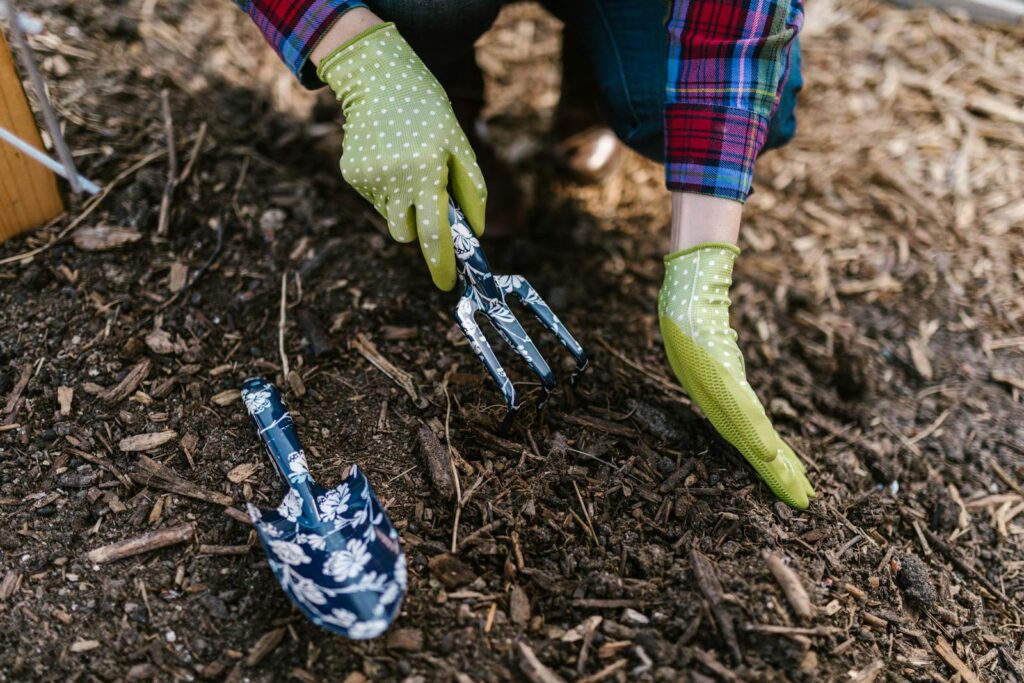
While high-quality tools can last a lifetime, the allure of expensive, specialized gadgets is often exaggerated. For beginners, investing in a basic set of sturdy, multi-purpose tools is usually sufficient. Unless you’re prepared to maintain and store them properly, opt for high-quality versions of essentials like trowels, pruners, and shovels instead of splurging on an entire set of specialized tools that may only get occasional use.
2. Automatic Watering Systems
Automatic sprinklers and irrigation systems can save time and effort, but they can also lead to overwatering or underwatering if not monitored correctly. For beginner gardeners, a simple soaker hose or a manual watering schedule may be more effective and less costly. If you decide to invest in an automated system, ensure that you also have the knowledge to program it correctly for your specific plants and climate.
3. Soil Testing Kits
While understanding your soil’s pH and nutrient content is essential, many home gardeners purchase kits only to find them complicated and difficult to interpret. Instead, consider contacting your local extension service for soil testing. They provide detailed analyses and tailored recommendations that are often more accurate and helpful than what you can achieve with a DIY kit.
4. Specialty Fertilizers
The market is flooded with fertilizers targeting specific plants or issues, but many gardeners find that a well-balanced, general-purpose fertilizer suffices. Over-fertilizing can lead to nutrient imbalances and damage your plants. Stick to organic compost or a slow-release fertilizer that nurtures a variety of plants instead of spending extra on specialty blends that may not yield any noticeable difference.
5. Invasive Plants
Some plants may seem like a great choice for filling gaps or adding flair, but certain species can quickly become invasive, choking out native flora and creating headaches for gardeners. Before introducing new plants, do thorough research on their growth habits and potential impact on your local ecosystem. Opt for native plants or well-behaved ornamentals that won’t take over your garden.
6. Expensive Garden Décor
Decorative elements, such as sculptures and high-end planters, can add charm to your garden, but they often come with a hefty price tag. Instead, consider DIY projects or thrift store finds that can be easily customized. Simple, inexpensive touches can enhance your space without breaking the bank and allow you to express your creativity.
7. High-Tech Gadgets
From smart plant monitors to advanced weather stations, the allure of technology in gardening is strong. However, many of these devices can be overly complex and not as beneficial as they seem. Simple tools like a soil moisture meter or basic weather apps on your smartphone may provide all the information you need without the complications of high-tech gear.
8. Garden Chemicals
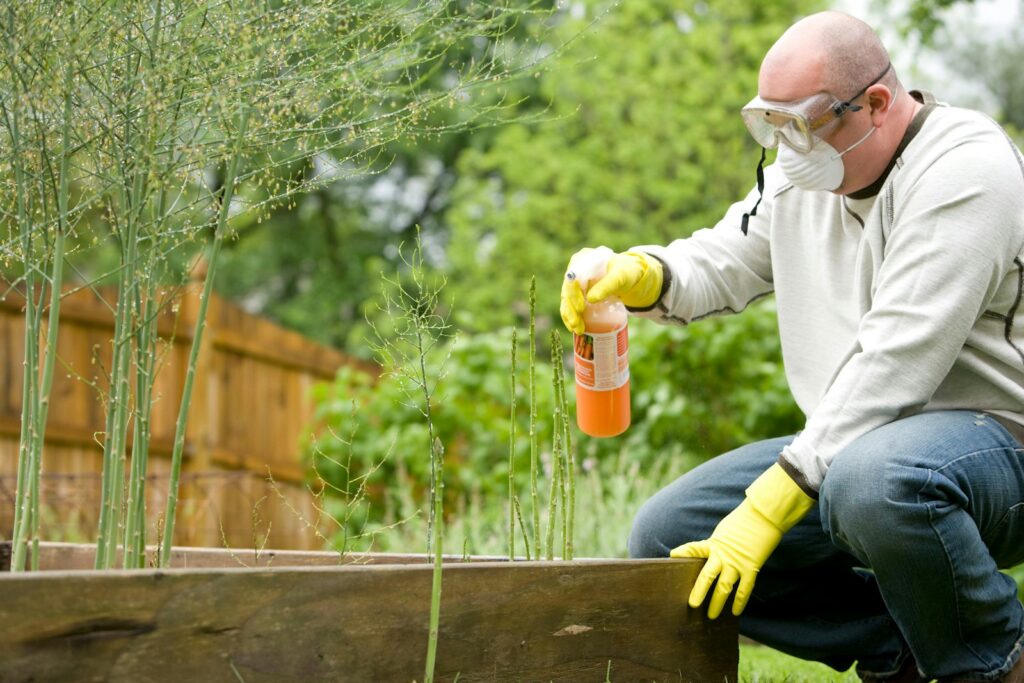
While pesticides and herbicides can control pests and weeds effectively, they can also harm beneficial insects and disrupt local ecosystems. Furthermore, many gardeners find that organic alternatives or manual weed removal are just as effective, if not more so. Before reaching for chemicals, explore natural methods like companion planting or introducing beneficial insects to manage garden pests.
9. Overly Complex Landscaping
Creating intricate garden designs can be tempting, but overly complicated layouts often lead to maintenance headaches and frustration. Start with a simple, manageable design that allows for easier upkeep and growth. As your gardening skills and confidence improve, you can gradually add complexity without feeling overwhelmed.
10. Pre-Potted Plants
Buying pre-potted plants may seem like a shortcut to a beautiful garden, but they often come with several drawbacks. These plants can be root-bound and stressed from being in their pots too long, leading to poor growth. Instead, consider starting from seeds or purchasing bare-root plants. They tend to establish themselves better in the garden and can often be more cost-effective.
Gardening is a rewarding pursuit that brings us closer to nature, but it’s essential to make informed purchases along the way. By avoiding these common pitfalls, you can cultivate a thriving garden that reflects your style and gardening goals without unnecessary expenses or complications. With a little research and mindful shopping, your garden can flourish, offering beauty and bounty for years to come.