10 Garden Layout Ideas for Small Yards to Maximize Space and Style
Trying to make the most out of a small yard can feel overwhelming. You want a space that looks good and feels open, but you also want room to relax or entertain.
With a few creative layout ideas, you can turn even the tiniest yard into a welcoming retreat. The right setup makes your space feel bigger and easier to care for, so you can spend less time stressing and more time enjoying your garden.
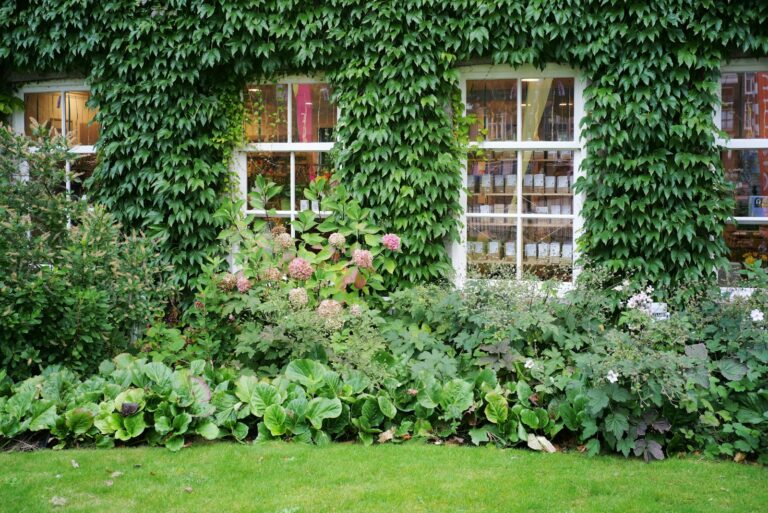
Vertical Garden Walls
Vertical garden walls are an easy way to pack more green into tight spaces. By growing plants upward along walls or fences, you free up precious ground for other uses.
Fabric pockets and hanging planters work well for living walls. Herbs, flowers, or small vegetables can thrive in these setups and stay organized.
Stacking crates or using mounted shelves lets you arrange plants in layers. This approach keeps everything within reach and maximizes your growing area.
Mixing trailing plants with bright blooms adds color and texture. Repurposed wooden pallets or metal racks are budget-friendly options that let you customize your vertical garden.
Compact Raised Beds
Compact raised beds help you grow more in less space. They work anywhere—on patios, balconies, or tucked into a corner of your yard.
Raised beds mean less bending and easier access to your plants. Arranging several small beds in a grid with narrow paths makes every inch count.
Try different shapes like squares or rectangles to fit your layout. Adding trellises on the sides lets you grow climbing plants and use vertical space.
Container Herb Gardens
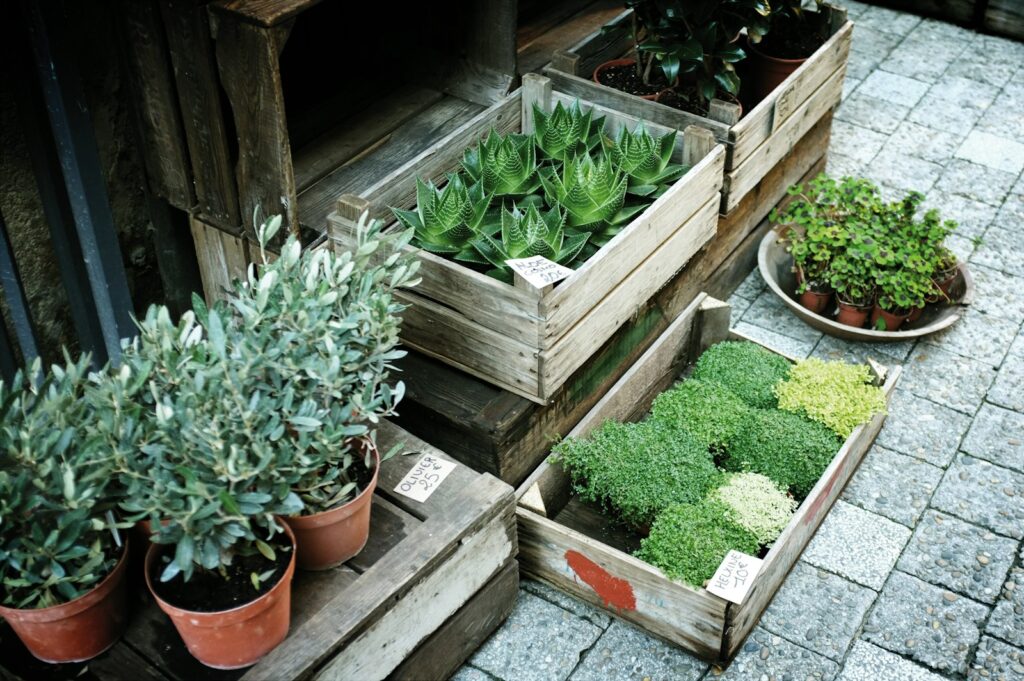
Container herb gardens are a lifesaver for small yards. Pots, window boxes, or hanging baskets let you move herbs around for the best sunlight.
Vertical planters are another smart choice. They allow you to grow a variety of herbs without using up much ground space.
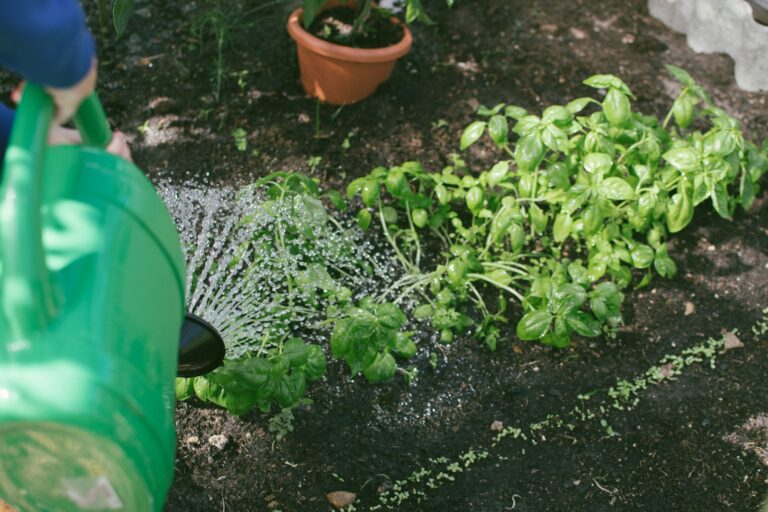
Herbs like basil and thyme do well in containers since they have shallow roots. Make sure your pots drain well and water them regularly.
Bringing containers indoors during cold weather means you can enjoy fresh herbs year-round. Container gardens are flexible and fit any outdoor spot.
Tiered Plant Stands
Tiered plant stands let you grow more without spreading out. They are perfect for keeping lots of plants organized in a small area.
Ladder-style or multi-level racks work for herbs, flowers, or succulents. Stacking plants adds height and creates a pretty display.
Tiered stands make it easier to care for your plants since you can see and reach each one. They come in wood, metal, or plastic, and you can even make your own.
Using stands helps your small garden look full and lively without taking up much space.
Curved Pathways
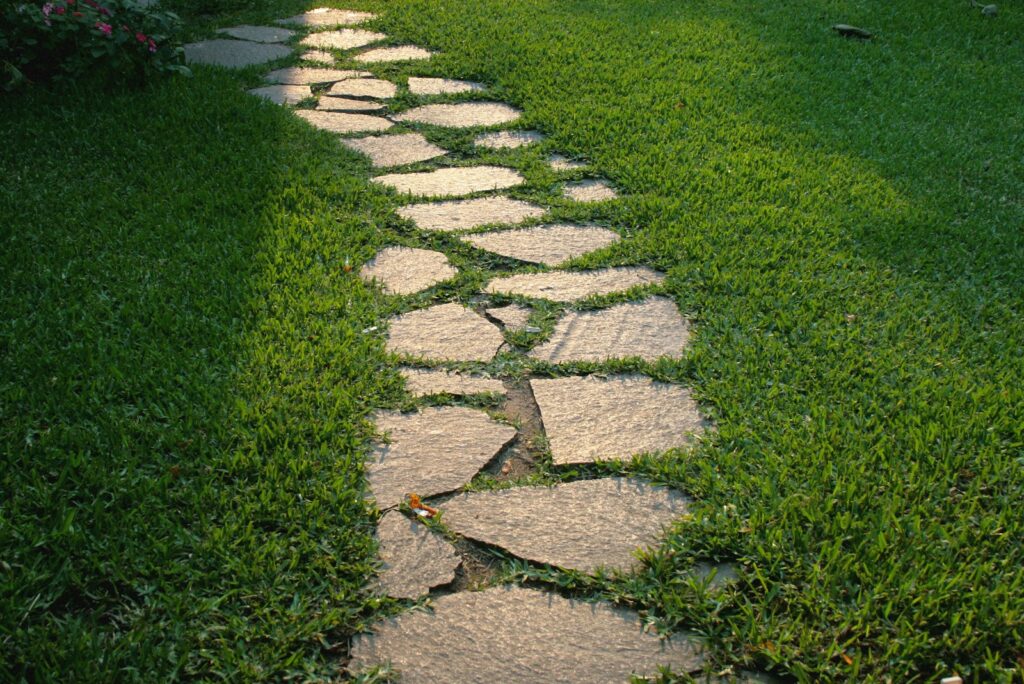
Curved pathways can make a small yard feel more relaxed and inviting. Gentle curves create a sense of flow and help the space feel bigger.
Materials like stone, gravel, or pavers work well for these paths. Curved lines guide your eye and break up the boxy feel of a small yard.
Curved paths also help you work around existing plants or features. Adding low plants or flowers along the edges makes your pathway even more welcoming.
Pair your path with rounded planters or arched trellises for a cozy outdoor vibe.
Mirror Illusions
Mirrors are a clever trick for making your yard look larger. Place them to reflect plants, the sky, or a garden path, and your space instantly feels more open.
Attach a large mirror on a wall or fence and surround it with climbing plants. This creates the illusion of a window into another garden.
Mirrors also brighten up shady corners by bouncing sunlight around. Use weather-resistant mirrors for durability and position them to avoid harsh glare.
A few mirrors in the right spots can completely change how your yard feels.
Multi-Level Seating Areas
Multi-level seating adds depth and function to a small yard. Think of it as building steps or layers to create different zones.
You might have a lower area for dining and a raised spot for lounging. This setup makes your yard feel bigger and gives you options for how to use the space.
Decks or platforms can separate areas while keeping everything connected. Add railings, plants, or lights to make each level feel cozy.
Stacking seating like this helps you use your yard’s height and makes even a small space feel special.
Hanging Planters
Hanging planters let you add greenery without using up floor space. Hang them from walls, ceilings, or railings—perfect for balconies or tiny yards.
You can use pots, baskets, or even recycled containers to grow flowers, herbs, or vegetables. Hanging planters draw the eye upward and make your area feel larger.
DIY options like old buckets or wooden boxes work well and add personality. Just make sure your planters drain well to keep plants healthy.
A few hanging planters can turn a plain corner into a lush, green retreat.
Colorful Flower Borders
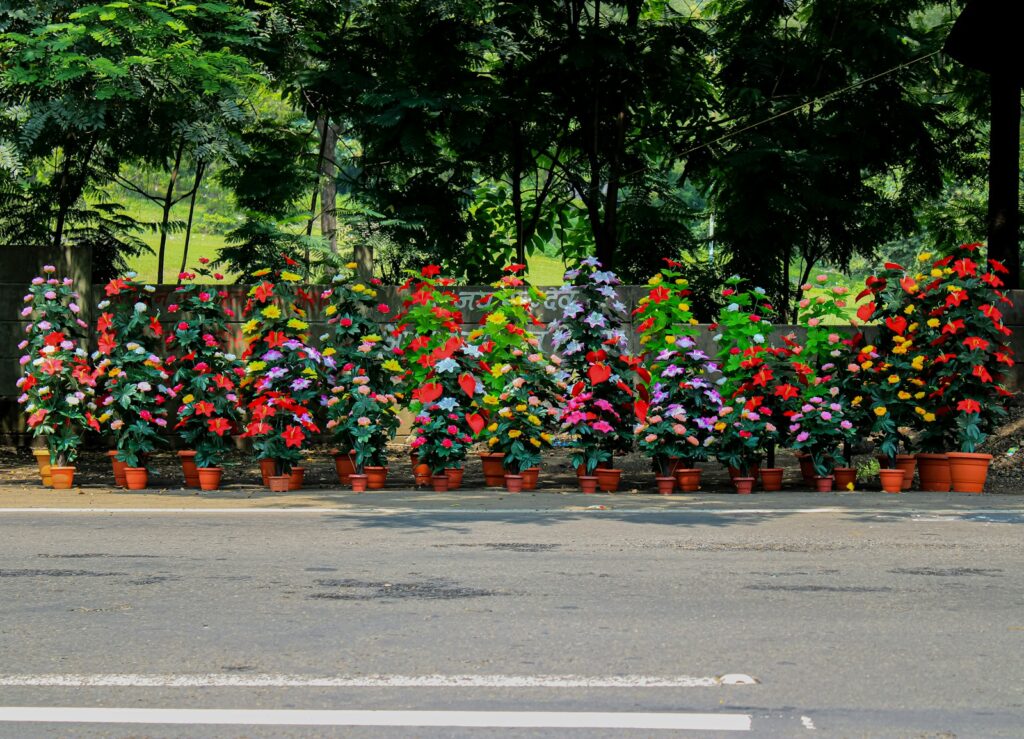
Flower borders bring instant color and energy to a small yard. Line your paths or garden edges with bright blooms like zinnias, marigolds, or daisies for a cheerful look.
Soft colors, such as lavender or petunias, create a calm and inviting vibe. Bold flowers like snapdragons or salvia add height and structure in small raised beds.
For shady spots, impatiens add rich color even with less sunlight. Staggered planting gives your border a neat, classic feel.
Flower borders are an easy way to make your space feel cozy and full of life.
DIY Pallet Planters
Wooden pallets can be turned into vertical planters that save space and add rustic charm. Stand a pallet upright, fill the slats with soil, and plant herbs, flowers, or veggies.
Many stores give pallets away for free, so it’s a budget-friendly project. Check that your pallet is safe for gardening before using it.
Line the pallet with landscape fabric to keep soil in place. Lean it against a wall or mount it on a fence for a simple, effective garden feature.
Essential Design Principles for Small Gardens
Making a small garden work well comes down to smart use of space, good lighting, and choosing the right plants. These basics help your garden look bigger and stay healthy.
Maximizing Vertical Space
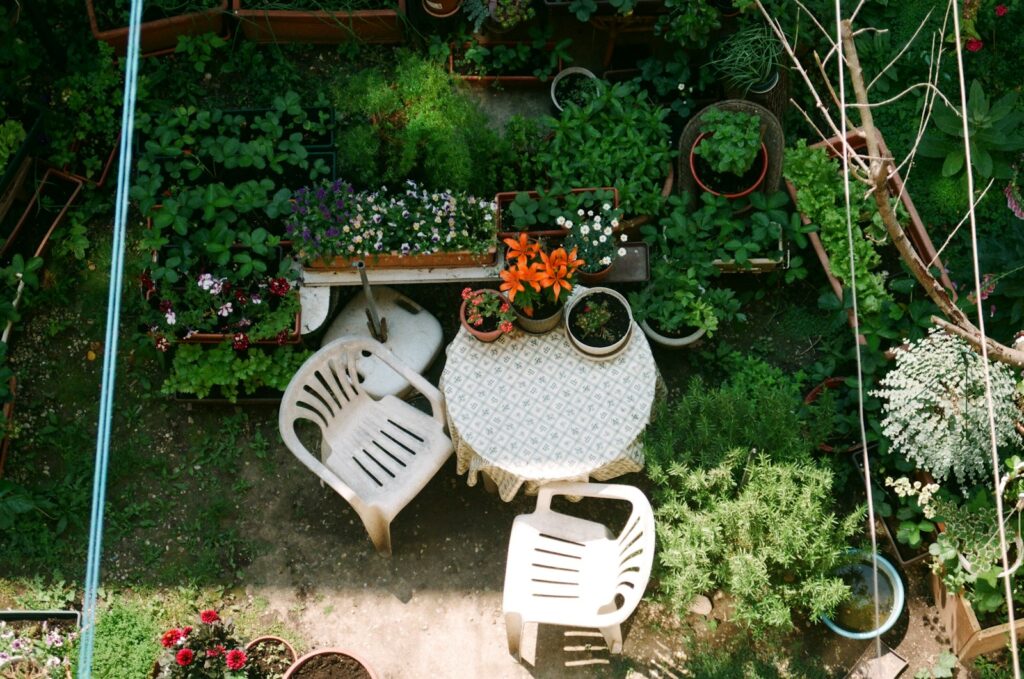
When you run out of ground room, think vertical. Trellises, wall planters, or tall containers are great for growing climbing plants like beans or clematis.
Shelves and hanging baskets add extra layers without crowding the floor. Vertical gardening keeps things organized and adds interest.
Choose plants that climb or trail naturally. This approach saves space and makes maintenance easier.
Balancing Sunlight and Shade
Getting the right mix of sun and shade helps all your plants thrive. Notice which areas get full sun, partial sun, or shade during the day.
Put sun-loving plants like tomatoes where they get plenty of light. Use shady spots for ferns or hostas.
If you have too much sun, add shade cloths or plant small trees for relief. For shady yards, choose plants that do well with less light or use reflective surfaces to boost brightness.
Choosing Scaled Plant Varieties
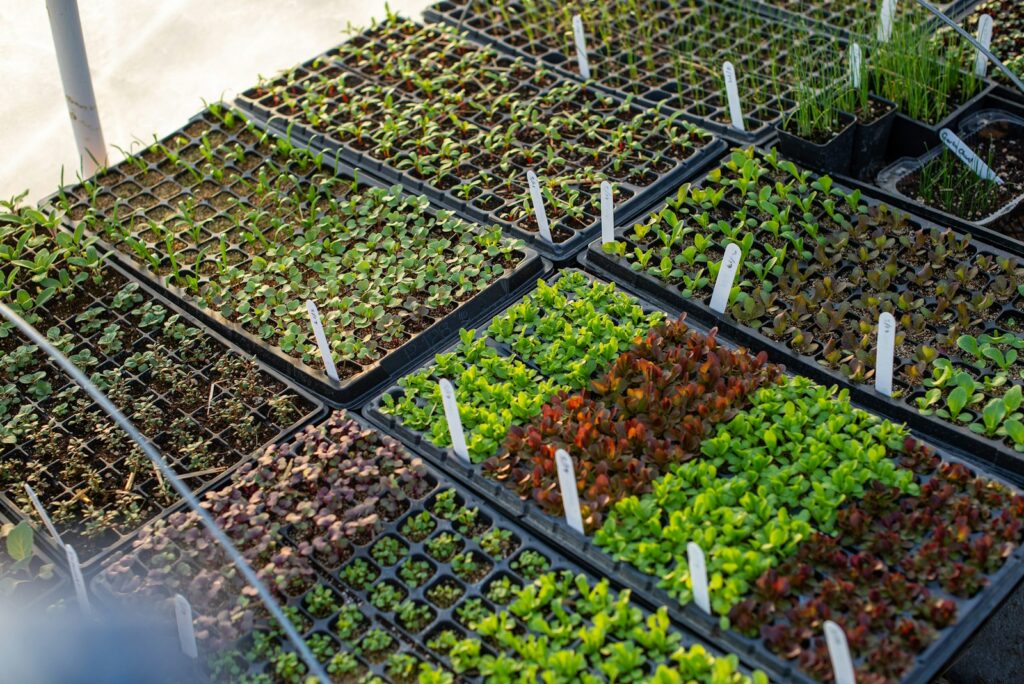
Pick plants that fit your yard’s size. Go for smaller bushes, dwarf varieties, or compact perennials instead of large shrubs.
Look for labels that say mini, dwarf, or compact. These plants take up less space but still bring color and texture.
Think about how big each plant will get over time. Group plants with similar needs to make care simple.
Incorporating Practical Features
Adding practical features helps you enjoy your small yard without making it feel crowded. Smart choices for pathways, seating, and planters keep things organized and comfortable.
Space-Saving Pathways and Seating
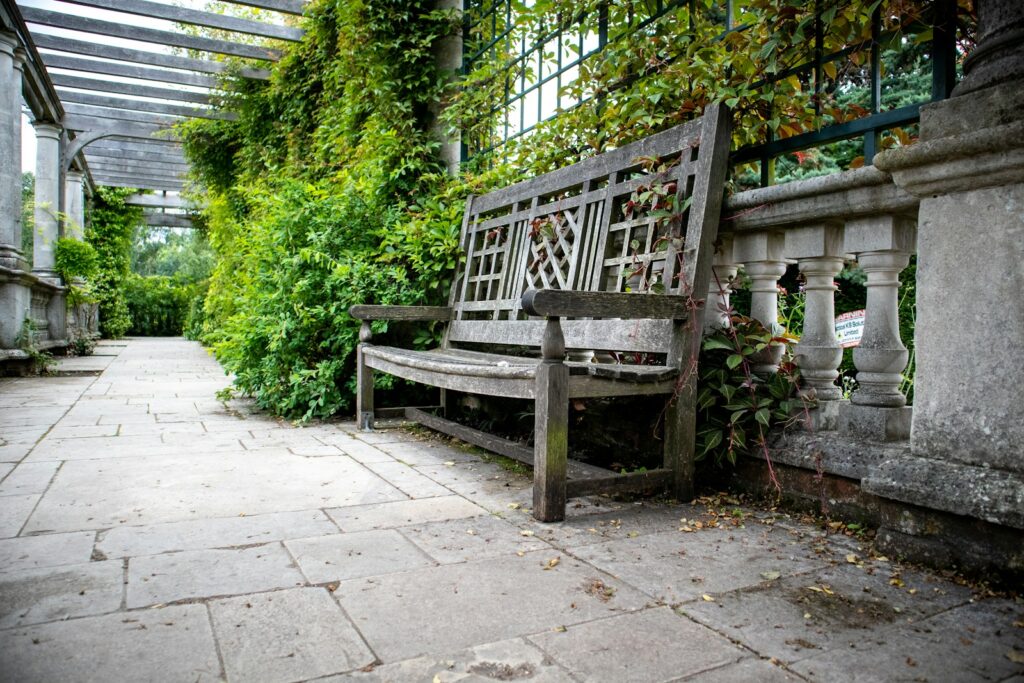
Narrow paths made from gravel, bricks, or stepping stones guide you through the garden while saving space. Curved or zigzag paths add interest and help you slow down to enjoy the view.
Choose benches with storage or foldable chairs that tuck away easily. Built-in seating along garden edges keeps the center open for plants or activities.
Movable stools or cushions offer flexible seating when you need it. These simple tweaks help you make the most of every inch and spend more time outside.
Selecting Multi-Functional Planters
Trying to fit more plants into a small space can feel impossible. Multi-functional planters are a clever way to make the most of what you have.
Look for planters with built-in shelves or trellises. These features let you grow different types of plants vertically.
Stackable or tiered planters are another great option. They allow you to arrange several pots in a tight space and make watering and care much easier.
Some planters even have storage compartments for tools and supplies. This helps keep your garden organized and clutter-free.
Planters made from lightweight materials like plastic or resin are easy to move. You can quickly adjust your layout whenever you want a change.
With the right planters, even the smallest area can become a thriving garden.