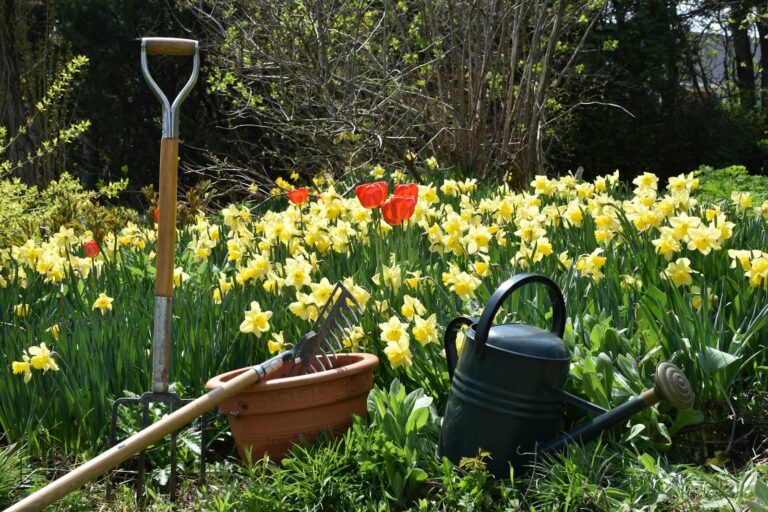
10 Low-Maintenance Shrubs That Look Expensive To Transform Your Garden Instantly
Ever walk by a neighbor’s garden and wonder how they keep it looking so lush without breaking a sweat? Turns out, you don’t need a green thumb or a ton of spare time to have a yard that looks like it belongs in a magazine. The secret is picking the right shrubs that do most of the work for you.
Low-maintenance shrubs are a game changer. They can make your garden look polished and high-end, but won’t eat up your weekends with endless chores.
Japanese Holly (Ilex crenata)
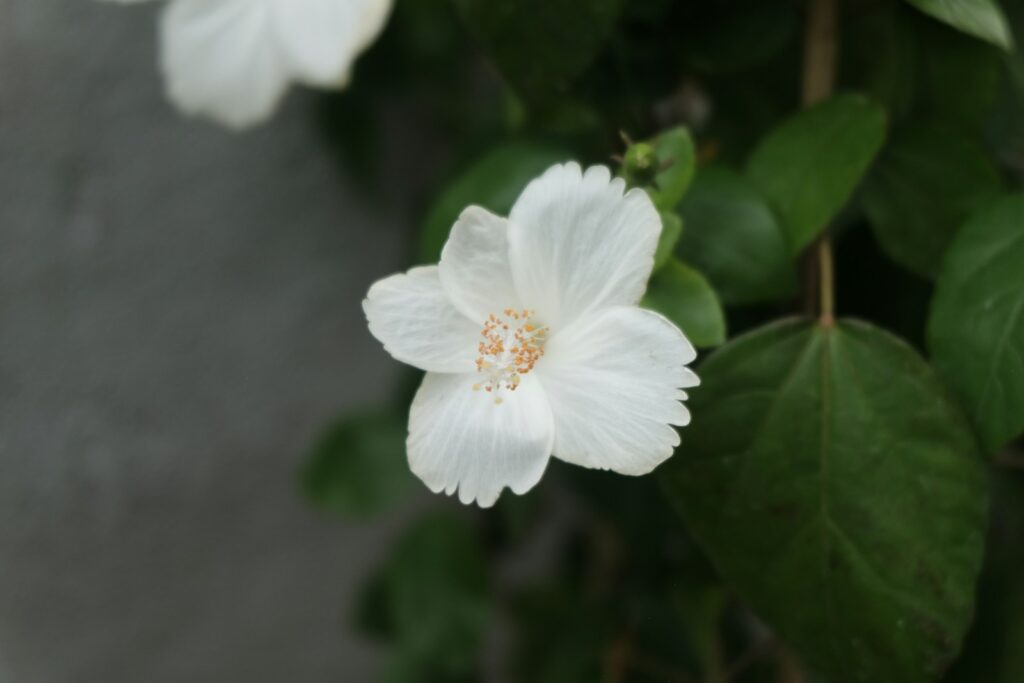
Japanese Holly is a smart pick if you want a crisp, tidy look with very little effort. Its small, glossy leaves stay neat all year and bring a touch of elegance.
This evergreen grows slowly and keeps a compact shape, so you won’t find yourself constantly pruning. It’s great for borders, hedges, or even as a little accent plant.
During its first year, give it regular water to help it settle in. After that, it’s pretty self-sufficient except during really dry spells.
Japanese Holly stands up well to frost and disease, so it’s a reliable choice in many climates.
Dwarf Boxwood (Buxus microphylla ‘Green Velvet’)
Dwarf Boxwood, or Green Velvet, keeps your garden looking sharp no matter the season. Its dark green leaves stay vibrant even in winter, so your yard never looks dull.
This shrub grows slowly and stays in a tidy mound, usually topping out at about 2 to 4 feet. It’s ideal for low hedges or for shaping into neat little spheres.
It’s tough and cold-hardy, and deer usually leave it alone. Whether you use it as a border or a single accent, it brings an expensive feel with almost no effort.
Loropetalum (Chinese Fringe Flower)
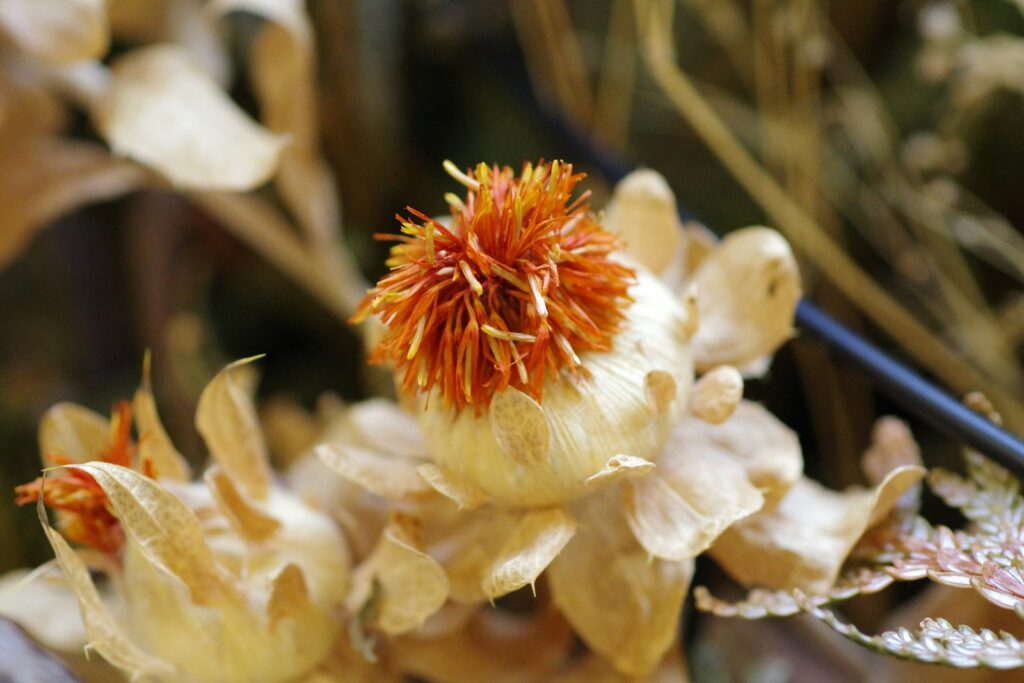
Loropetalum, also known as Chinese fringe flower, adds a splash of color with its ribbon-like blooms from late winter into spring. Some varieties even surprise you with a second round of flowers in the fall.
The leaves can range from green to deep purple, depending on the type you choose. Its unique flowers give your garden a hint of luxury.
Loropetalum is happy in sun or partial shade and doesn’t need much pruning. It’s a great way to brighten up borders, containers, or mixed beds with minimal fuss.
Spiraea japonica (Japanese Spirea)
Spiraea japonica brings a burst of color with its clusters of pink, white, or red flowers from late spring through mid-summer. The foliage changes color too, shifting from green to gold or red.
This shrub thrives in full sun but can handle some shade. It doesn’t need anything fancy, just well-drained soil and a little pruning in late winter.
It stays low and mounded, making it perfect for borders or small spaces. It’s tough, easy to grow, and adds a high-end look without much maintenance.
Azalea ‘Encore’ Series

Want blooms that show up more than once a year? The Encore Azalea series delivers color from spring through fall, keeping your garden lively for months.
Encore Azaleas are easygoing. They like full or partial sun and do well in well-drained, acidic soil. You don’t have to water them much, making them a good fit for busy gardeners.
There’s a wide range of colors to choose from, and the evergreen leaves keep your garden looking fresh even in winter. They work well in borders, pots, or as a standout feature.
Dwarf Nandina (Heavenly Bamboo)
Dwarf Nandina, or Heavenly Bamboo, brings changing colors to your garden all year. Its leaves start green in spring and turn bright red by fall and winter.
It’s happy in sun or shade and doesn’t mind heat or drought. You won’t have to worry about it getting sick either.
In spring, it shows off small white flowers that become clusters of red berries. This shrub is perfect for borders, low hedges, or grouped together for a bold display.
Blue Star Juniper
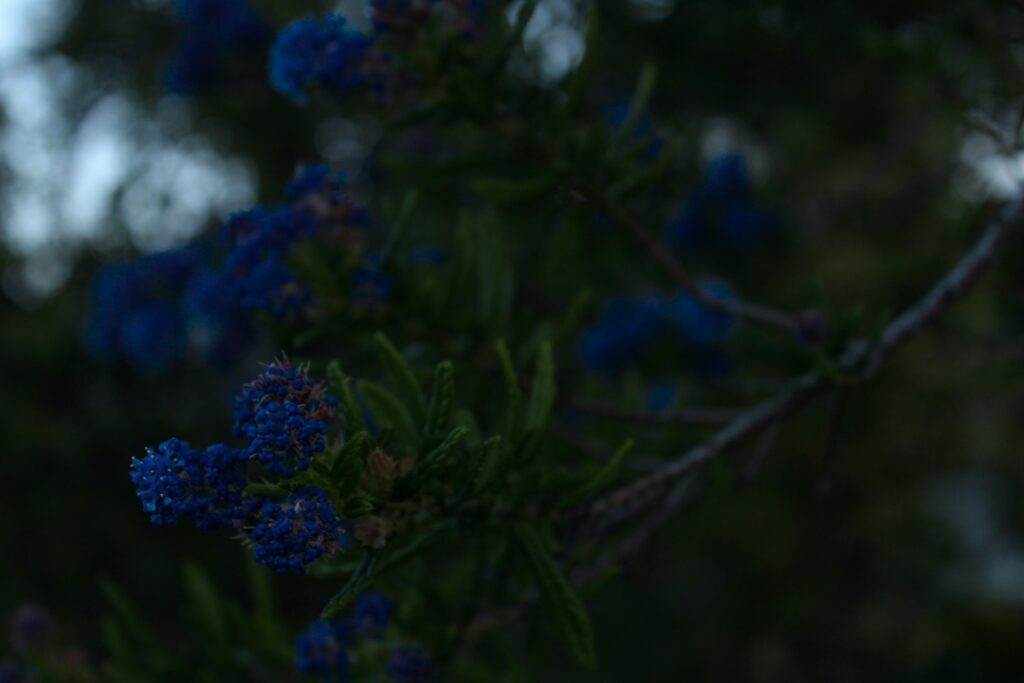
Blue Star Juniper stands out with its blue-gray foliage. It stays compact and grows slowly, so you don’t have to worry about it taking over.
It’s a tough plant, handling drought, salt, and pests with ease. Once established, it only needs occasional watering.
Its star-shaped leaves and cool color bring a unique touch to borders or rock gardens. It keeps your garden interesting all year and doesn’t ask for much in return.
Abelia ‘Kaleidoscope’
Abelia ‘Kaleidoscope’ lives up to its name with leaves that shift from golden yellow to orange and red as the seasons change. It brings a lively color show to your yard.
This shrub is easy to grow and stays compact, making it a great choice for low hedges, containers, or as a foundation plant.
It even has fragrant flowers that attract pollinators. The evergreen foliage keeps things bright through every season.
Viburnum tinus
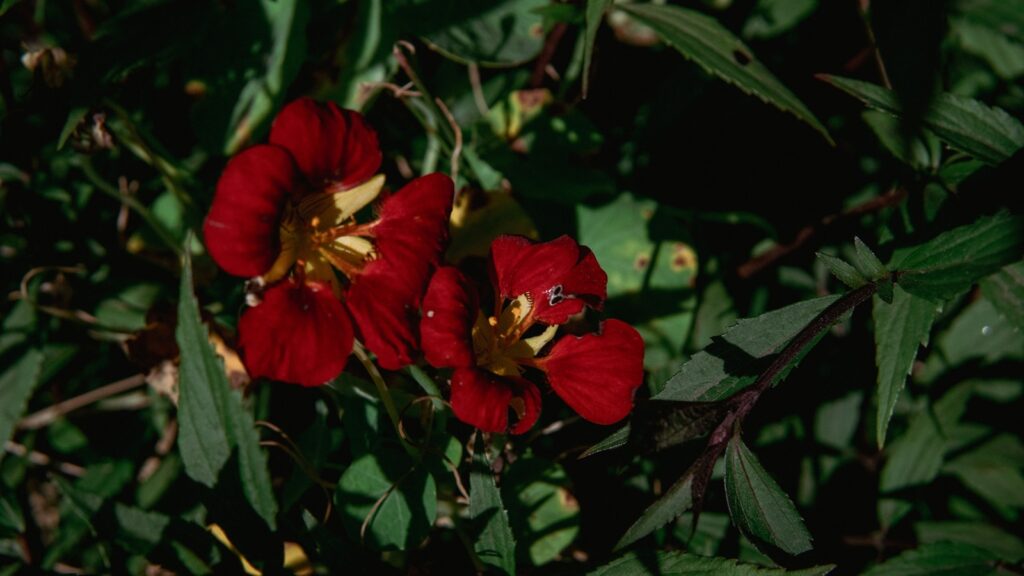
Viburnum tinus is a reliable evergreen that keeps your garden looking full and green, even in winter. From late fall to early spring, it shows off clusters of pinkish-white flowers.
It’s simple to care for and grows well in sun or shade. You don’t need to fuss over it, which makes it perfect for low-maintenance gardeners.
Viburnum tinus also attracts pollinators and birds with its flowers and berries. It works as a hedge or a single standout plant.
Daphne odora
Daphne odora is famous for its sweet scent that fills the air in late winter and early spring. The pale pink to white flowers bloom in clusters and bring a gentle color to your garden.
This shrub stays small, about 3 feet tall and wide, fitting easily into most spaces. It’s evergreen, so you get greenery all year without much work.
Daphne odora is also deer-resistant. Its glossy leaves add a polished look, and you’ll look forward to its blooms every winter.
How Low-Maintenance Shrubs Transform Your Landscape
Choosing the right shrubs can change your yard from plain to polished, all without adding to your to-do list. They help create a garden that looks good in every season.
Effortless Curb Appeal
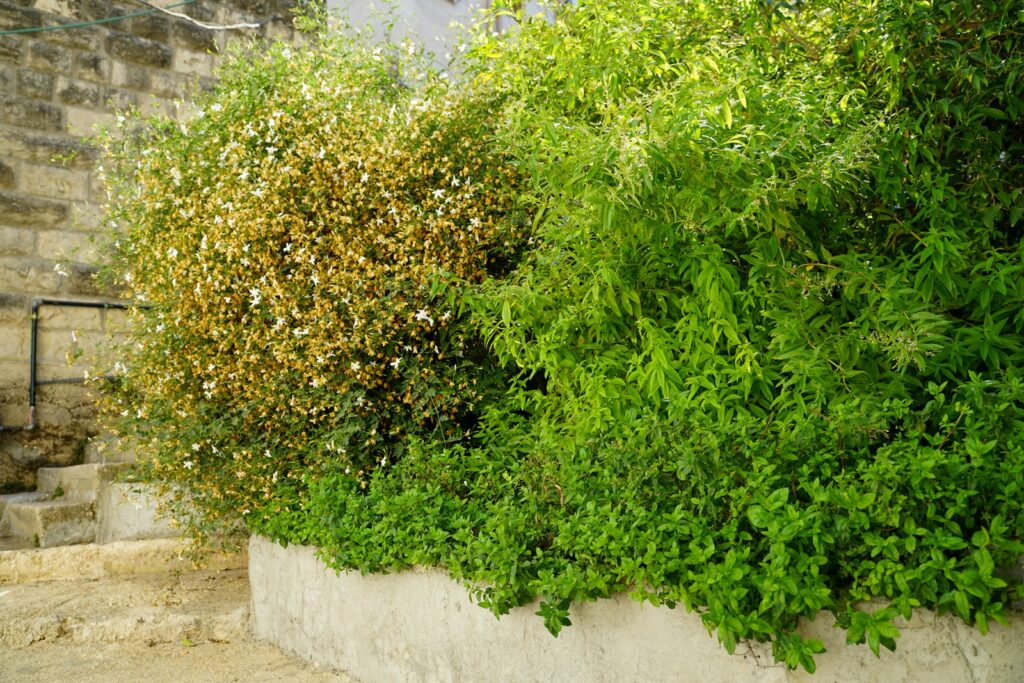
A few well-chosen shrubs can make your home stand out instantly. These plants hold their shape and color, so your yard looks cared for even if you only have a few minutes a week.
Shrubs like boxwood or holly add structure and texture. They’re happy in different soils and climates, so you don’t have to worry about them struggling.
Year-Round Beauty Without the Work
Low-maintenance shrubs bring color, flowers, or berries that change with the seasons. Your garden stays interesting and fresh, no matter the month.
Many of these plants naturally hold their shape and don’t need much pruning. You’ll spend less time working and more time enjoying your outdoor space.
Caring for Luxurious-Looking Shrubs With Ease
Keeping your shrubs looking their best doesn’t have to be complicated. A few simple habits go a long way.
Watering Tips for Busy Gardeners
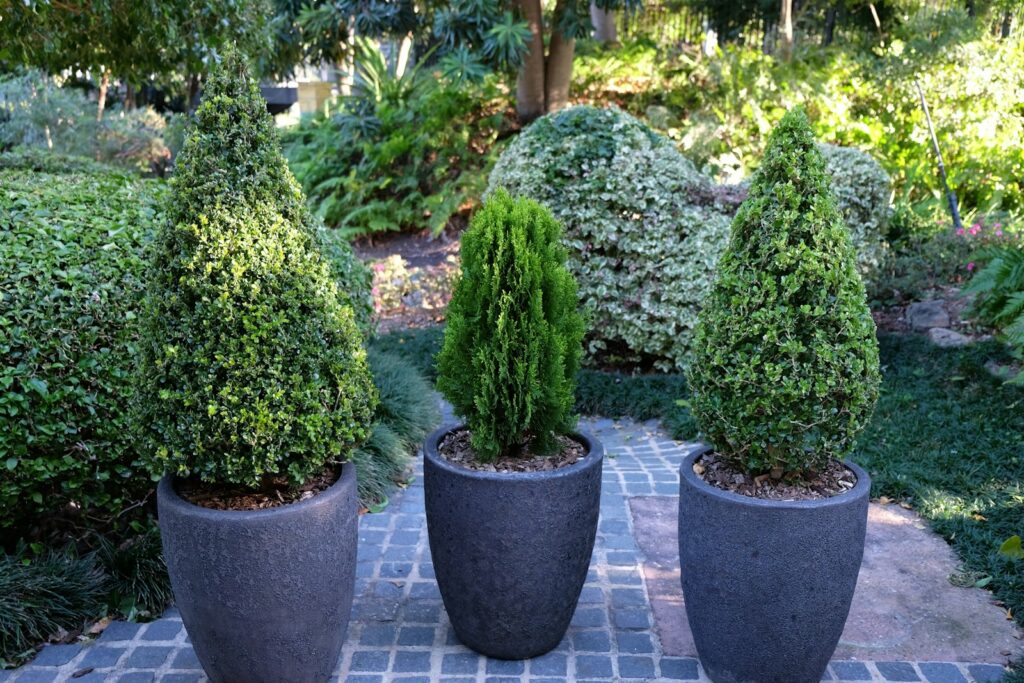
Water deeply but not too often. This helps roots grow strong and reach deeper into the soil.
Drip irrigation or soaker hoses can save you time and make sure water gets right to the roots. Try to water in the early morning so the moisture soaks in before the sun gets too hot.
Check the soil by sticking your finger about two inches down. If it feels dry, it’s time to water. Shallow watering leads to weak roots, so focus on giving your shrubs a good soak when they need it.
Pruning Smarter, Not Harder
Ever wondered why some shrubs always look tidy while others seem wild no matter what you do? Pruning might be the secret you are missing.
Trim your shrubs just enough to shape them or get rid of dead branches. Heavy cutting can actually stress the plant instead of helping it.
Reach for sharp, clean tools so your cuts are smooth. Always cut just above a bud or branch to help your shrub recover quickly.
Late winter or early spring is the best moment to prune before new growth kicks in. This timing gives your plants a head start.
Evergreen shrubs usually need a trim once a year to stay in shape. Deciduous shrubs can handle a little more pruning after they finish flowering.