10 Mistakes People Make When Mulching That Can Harm Your Garden
Ever feel like you’re doing everything right in your garden, but your plants just aren’t thriving? Mulch is supposed to help, but it’s easy to make mistakes that end up hurting your plants instead of helping them.
Small slip-ups with mulch can slow plant growth and even cause lasting damage. Let’s look at the most common mulching mistakes and how to avoid them, so your garden can finally flourish.
Over-mulching creating ‘volcano mulch’ suffocates roots!
Stacking mulch high around the base of your tree might seem tidy, but it can spell trouble. This thick, volcano-shaped mound traps moisture against the bark.
That trapped moisture leads to rot and decay, making it tough for the bark to breathe. Pests and diseases love these conditions.
Roots need oxygen too. When mulch is piled too thick, roots can suffocate underground or start circling the trunk, causing long-term problems.
Spread mulch in a thin, flat layer, about 3 to 4 inches deep. Always leave a gap of 4 to 6 inches around the trunk.
Using fresh wood chips that rob nitrogen from soil
Fresh wood chips as mulch can actually steal nutrients from your soil. The bacteria breaking down the wood use up nitrogen, leaving less for your plants.
If plants start looking weak after you’ve mulched with fresh chips, this could be why. The good news is this effect is usually temporary.
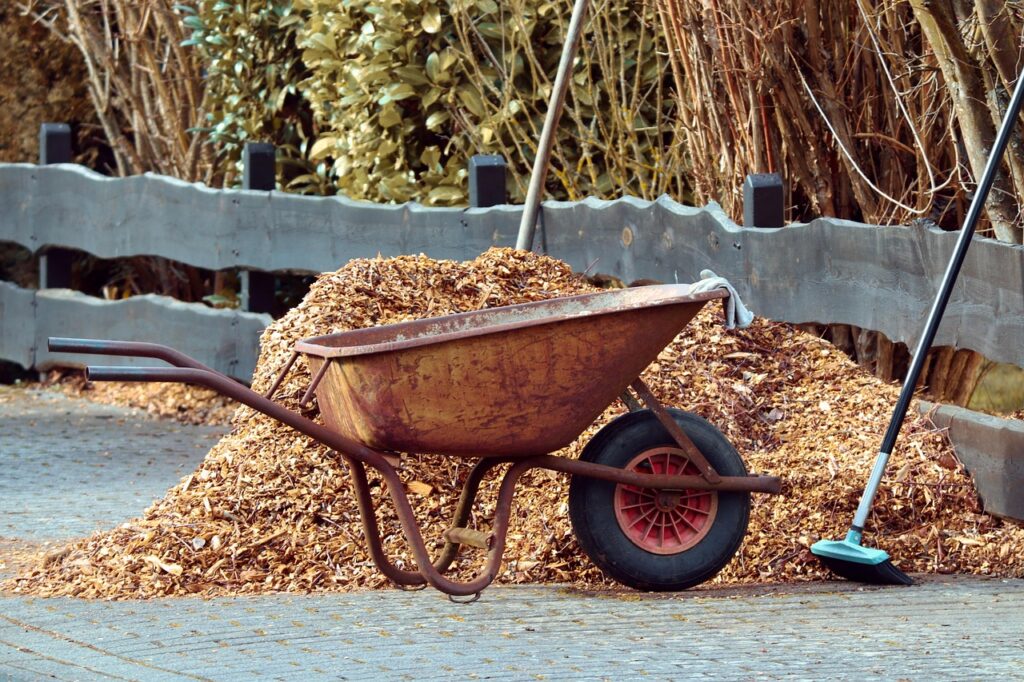
Let wood chips age or compost before using them. Or, use fresh chips on pathways instead of directly on garden beds.
Applying mulch too thin, exposing soil and inviting weeds
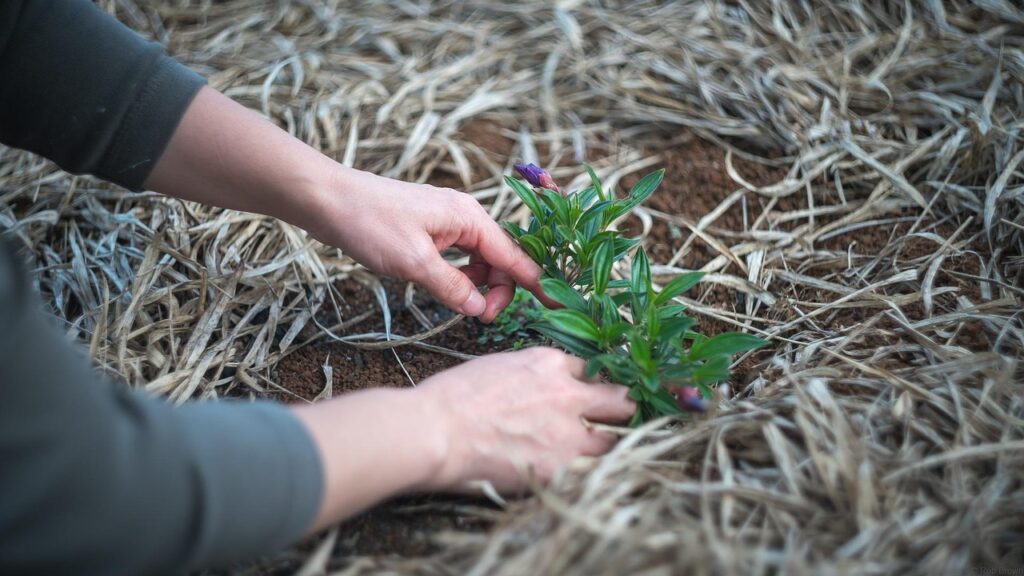
A skimpy layer of mulch won’t stop weeds or keep soil moist. Thin mulch lets sunlight reach weed seeds, making it easy for them to grow.
Aim for a layer about 2 to 4 inches thick. This blocks weeds and helps the soil retain moisture.
Thin mulch dries out quickly, leaving your plants thirsty. Don’t be shy about adding more.
Piling mulch against tree trunks causing rot
It’s tempting to push mulch right up to the tree trunk, but this traps moisture and can cause the bark to rot. Rotting bark is an open invitation for pests and diseases.
Rodents and insects love damp spots created by piled mulch. These critters can do even more damage to your tree.
Leave a space of 3 to 6 inches between mulch and the trunk. Let air circulate to keep the bark dry and healthy.
Spread mulch in a ring around the tree, keeping it 2 to 4 inches deep but never touching the trunk.
Choosing dyed mulches with harmful chemicals
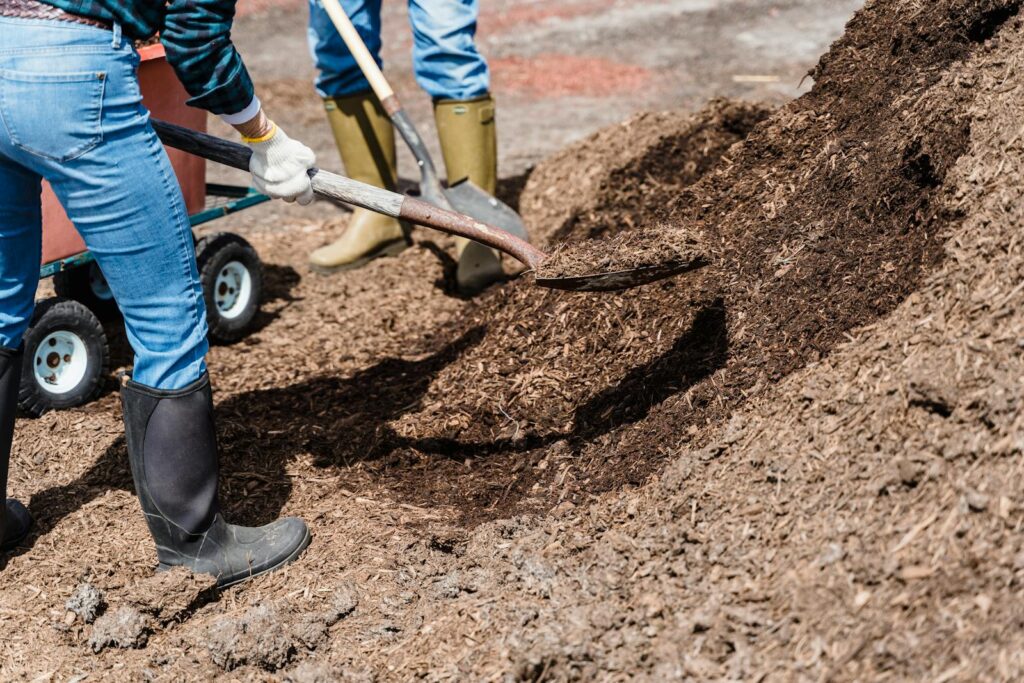
Brightly colored mulches look fun, but some contain chemicals that aren’t good for your garden. Synthetic dyes can leach into the soil and harm both plants and helpful insects.
Many dyed mulches come from recycled wood treated with paint, glue, or preservatives. These can leave toxins behind in your soil.
If you have pets or kids, be extra careful. Some dyed mulches are toxic if touched or inhaled.
Look for mulches made with safe, biodegradable dyes or stick to natural, undyed options.
Mulching on dry soil without watering first
Spreading mulch on dry soil can actually make things worse. Mulch acts like a barrier and can prevent water from soaking in if the soil below is already dry.
Before you mulch, water your garden well. This helps lock in moisture from the start.
After spreading mulch, give everything another good soak. Wet mulch keeps soil cool and moist, helping plants through dry spells.
Ignoring mulch depth—ideal is 2-4 inches
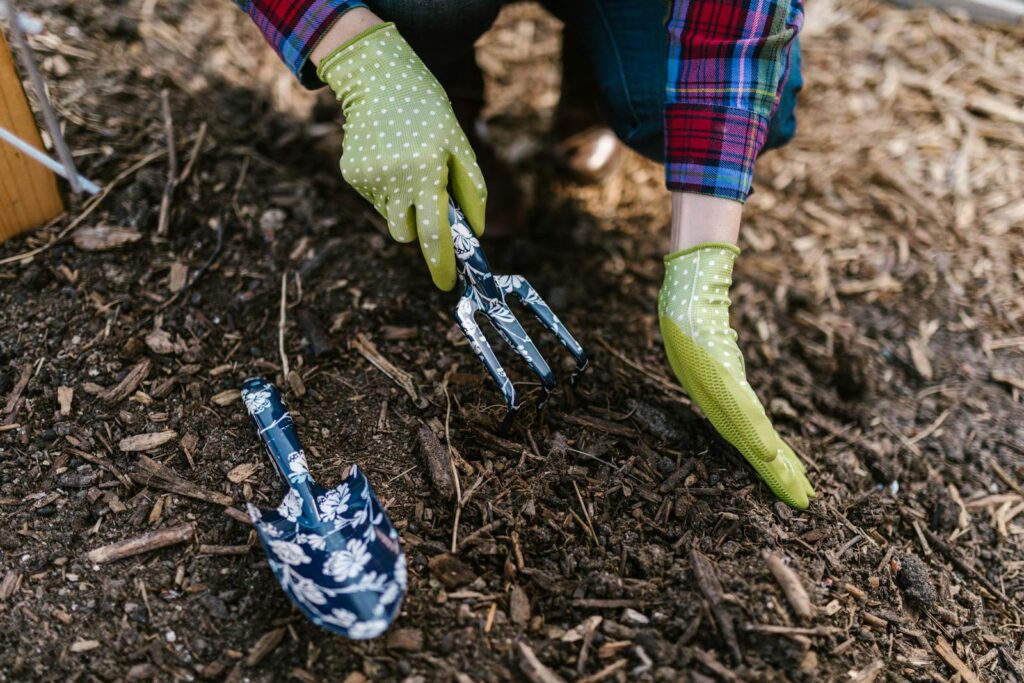
Too much mulch can suffocate roots, while too little won’t block weeds or retain moisture. The sweet spot is a 2 to 4 inch layer.
Check your mulch every so often. It breaks down over time and may need a little topping up.
Spread mulch evenly for the best results. Uneven mulch can lead to dry spots or water pooling.
Using the wrong mulch type for specific plants
Not all plants like the same mulch. Some do best with organic mulches like wood chips or leaves, while others need something different.
Rubber or rock mulches don’t hold moisture or add nutrients the way organic mulches do. Some mulches can even change the soil’s pH, which certain plants won’t like.
Know what your plants need before choosing a mulch. Matching the mulch to your plant’s needs can make a huge difference in growth and health.
Failing to refresh mulch seasonally for nutrients

Old mulch breaks down and loses its benefits over time. Compacted mulch can block water and air from reaching your plants.
Adding a fresh layer of mulch gives your soil a boost of nutrients as it decomposes. It also keeps your garden looking neat.
Try to refresh mulch at least once or twice a year, especially before spring and fall. Your plants will get more out of it, and you’ll have fewer weeds to deal with.
Covering beds during wet seasons causing mold
Covering mulch beds during a rainy season might seem helpful, but it can trap moisture and create a breeding ground for mold.
Mold thrives in damp, dark places. Covered mulch beds can stay wet for too long, leading to decay.
Use breathable covers or leave space for air to flow. This helps extra moisture dry out and keeps mold at bay.
Let your mulch breathe, especially during wet weather, to avoid problems.
Understanding Mulching Basics
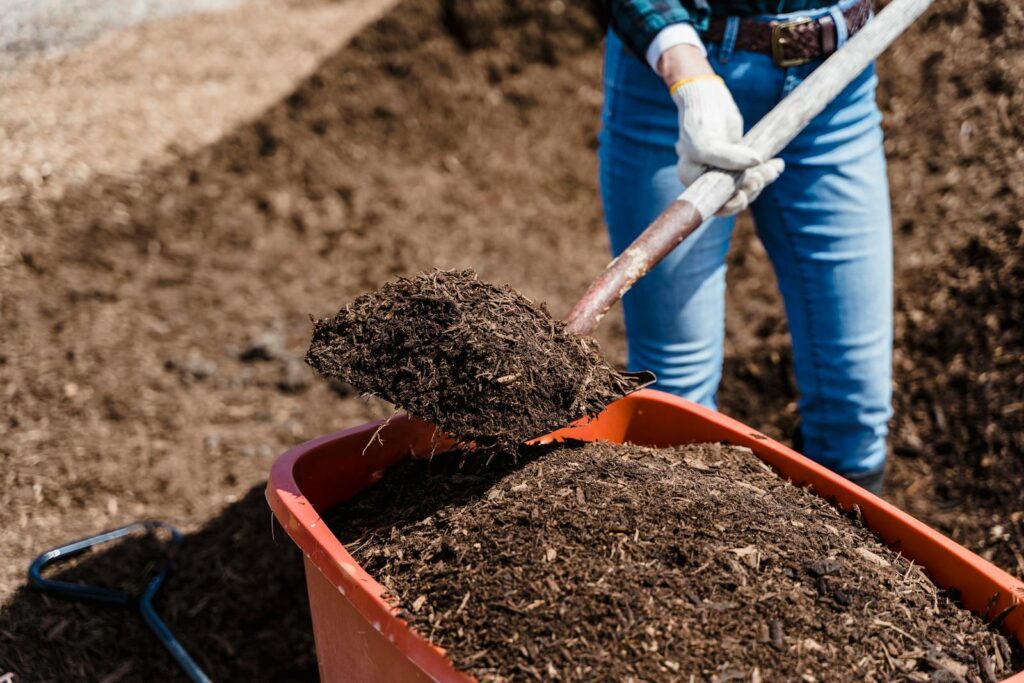
Mulching can make a big difference in how your garden grows. It keeps soil moist, blocks weeds, and slowly feeds your plants as it breaks down.
Knowing how mulch works and picking the right kind for your space can help you avoid headaches down the road.
What Mulch Does for Your Garden
Mulch acts like a blanket for your soil, holding in water and stopping weeds from sprouting. This means less watering and less weeding for you.
It also protects roots by keeping soil temperatures steady. As mulch breaks down, it adds nutrients back into the soil, making your plants stronger over time.
Different Types of Mulch Explained
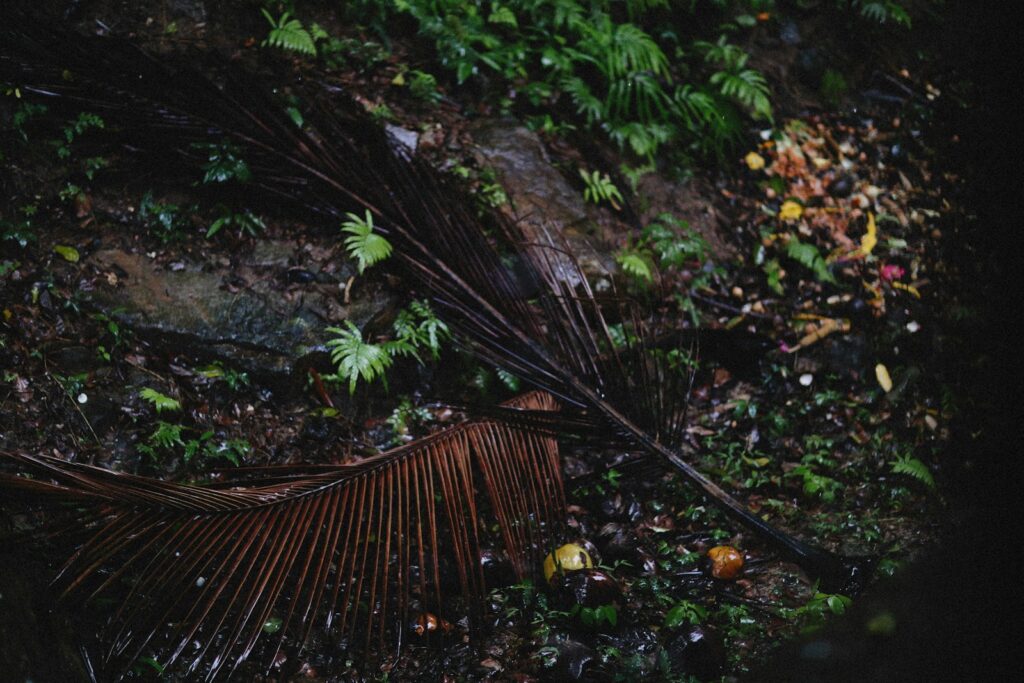
You have choices when it comes to mulch. Organic options like wood chips, straw, leaves, and grass clippings improve soil as they decompose.
Inorganic mulches such as rubber, gravel, or plastic last longer but don’t add nutrients. These are best for paths or low-maintenance areas.
Pick organic mulch for garden beds where you want healthy soil. Use inorganic mulch where you need durability and less upkeep.
Enhancing Your Mulching Technique
A little prep work goes a long way before you spread mulch. Taking the time to get your soil ready and spreading mulch evenly can make a real difference.
How to Prepare Soil Before Mulching
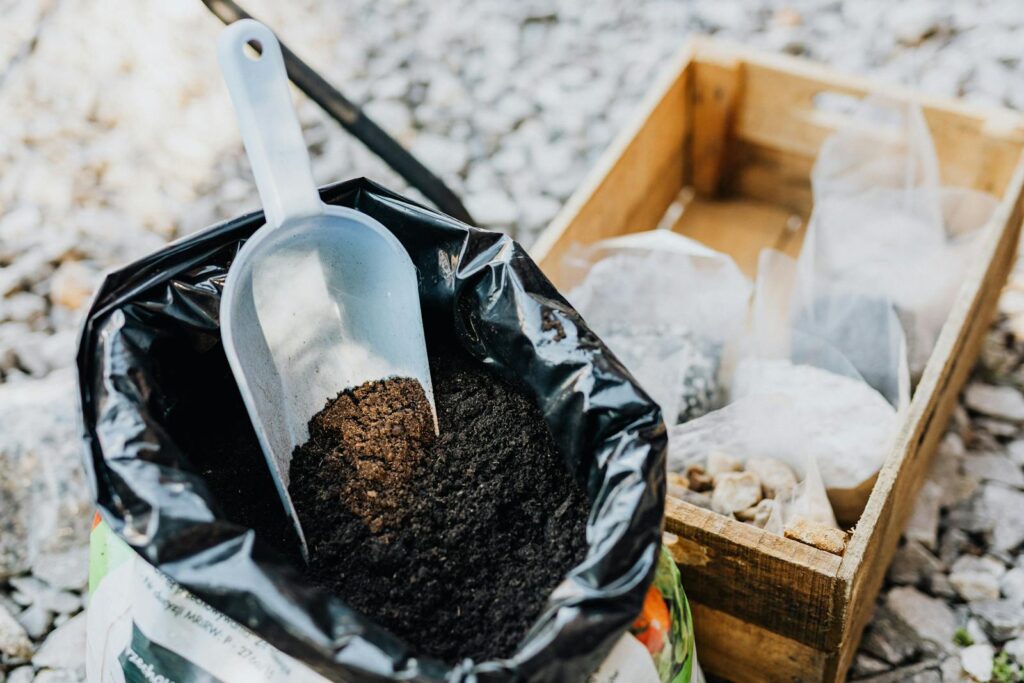
Start by clearing weeds, rocks, and debris from your garden beds. This gives mulch a clean slate to work its magic.
Loosen the soil with a rake or fork to help air and water reach the roots. If the soil is dry, water it thoroughly before adding mulch.
Consider sprinkling a thin layer of compost or fertilizer before you mulch. This gives your plants an extra boost right where they need it.
Tips for Achieving Even Coverage
When it comes to mulching, getting the coverage just right can make a big difference. Spread a layer about 2 to 3 inches thick over your soil.
If the mulch is too thin, it won’t hold moisture or block weeds effectively. Too much mulch can suffocate roots or lead to mold.
Use a rake or your hands to smooth out the mulch so it looks tidy. Make sure to keep mulch a couple of inches away from the base of your plants.
Mulch piled up against stems can trap moisture and cause rot or attract pests. Every so often, check your garden and fluff the mulch if it starts to compact.
Fill in any thin spots to keep everything even. This little bit of attention can help your plants thrive and save you time in the long run.