“10 Popular Flowers That Often Struggle in North American Gardens”
Many gardeners dream of vibrant, colorful blooms in their yards, but not all flowers are suited for every climate. In North America, varying conditions like frost dates, humidity levels, and soil types can lead to disappointment when trying to cultivate certain beloved plants. Here, we explore ten popular flowers that homeowners often buy, only to find that they struggle to thrive in their local environments. By understanding these challenges, you can make more informed choices and create a flourishing garden.
1. Hydrangeas
Hydrangeas are adored for their large, showy blooms. However, many varieties, including the popular Bigleaf hydrangea, are sensitive to cold temperatures and can suffer in USDA zones below 6. These plants often struggle with winter dieback, leading to fewer blooms in the summer. To improve your chances of success, opt for varieties like ‘Endless Summer’ or ‘Penny Mac,’ which are bred to withstand colder climates. Protect them with mulch in the winter and select a planting location with partial shade to avoid stress during the hottest months.
2. Gardenia
Gardenias are cherished for their fragrant white flowers and glossy foliage, but they prefer warm, humid climates and are typically suited for USDA zones 8-10. In northern regions, they may struggle with cold temperatures and dry indoor air during winter. If you’re set on growing gardenias, consider container gardening, which allows you to bring them indoors during harsh weather. Always ensure they receive bright, indirect light and maintain high humidity levels through regular misting.
3. Bougainvillea
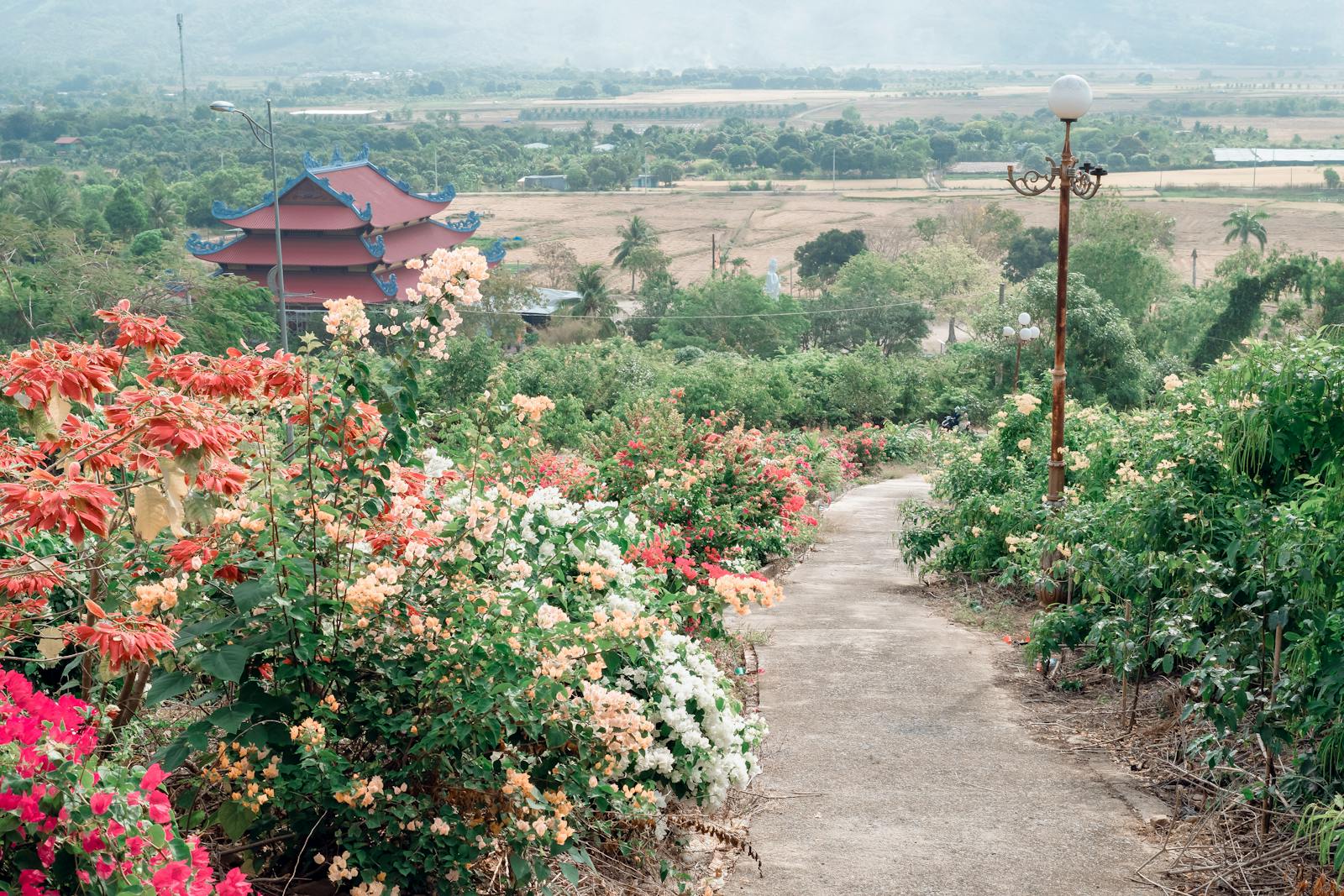
Known for their vibrant bracts, bougainvillea thrives in warm, sunny environments and is best suited for USDA zones 9-11. In areas with colder winters, these plants often die back completely, leaving gardeners disappointed. If you’re in a cooler climate, it’s best to treat bougainvillea as an annual or grow it in a pot to bring indoors during the winter. Ensure they receive full sun and well-draining soil to maximize growth during the warmer months.
4. Calla Lily
Calla lilies are elegant and eye-catching, often seen in wedding bouquets. However, they can be finicky in certain climates, particularly in areas with cold winters (USDA zones 7 and below). These plants prefer well-drained soil and can rot in overly wet conditions. If you live in a cooler region, consider digging up the rhizomes in the fall and storing them indoors until spring. Plant them after the frost has passed for the best results.
5. Delphinium
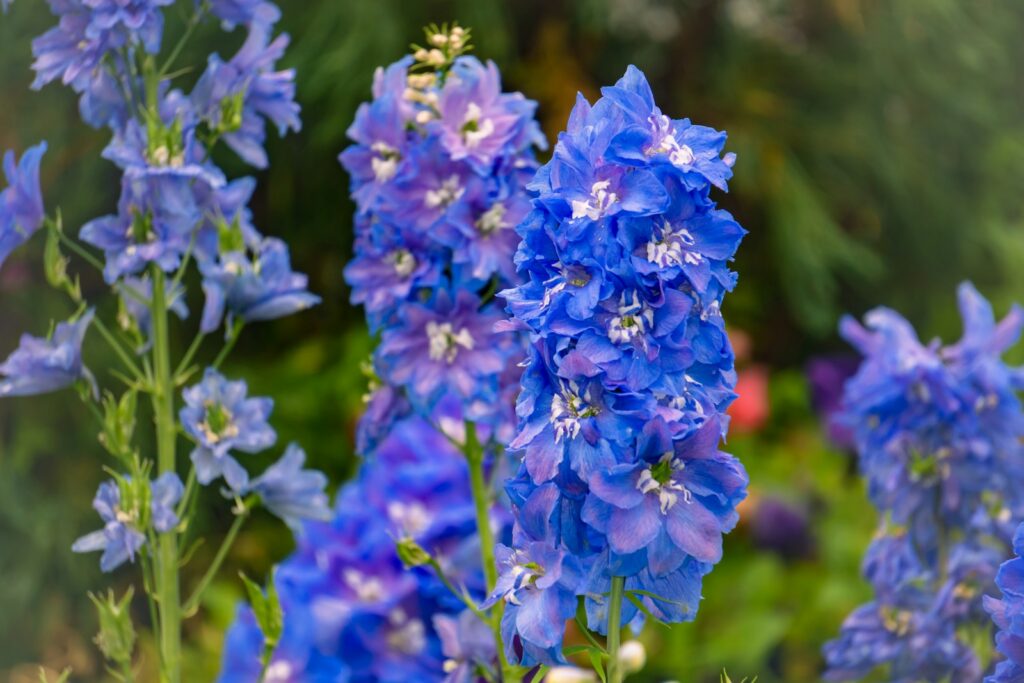
Delphiniums are stunning perennials with tall spikes of flowers that add vertical interest to gardens. Unfortunately, they can be challenging to grow in humid regions, where they are susceptible to fungal diseases. Additionally, they may struggle in areas with high heat. To increase your chances of success, plant them in well-draining soil, provide adequate air circulation, and ensure they receive some afternoon shade in hotter climates.
6. Foxglove
Foxgloves are popular for their tall, tubular flowers and ability to attract pollinators. However, they are biennials that may not bloom in their first year, leading to frustration for impatient gardeners. They thrive in cooler, moist climates and can be short-lived in hotter areas. To enjoy their beauty, consider sowing seeds in early spring and providing some shade during the hottest part of the day.
7. Petunia
Petunias are beloved for their cheerful blooms and are commonly planted in hanging baskets and containers. However, they can struggle with high humidity and excessive rain, leading to root rot and disease. If you live in a humid area, choose the wave or surfina varieties that are more resistant to these conditions. Ensure good air circulation and avoid overhead watering to keep them healthy.
8. Pansy
While pansies are a popular choice for cool-season color, they can be a bit temperamental in warmer climates. They prefer cooler temperatures and can quickly become leggy and stressed when temperatures rise above 70°F (21°C). If you live in a warmer zone, consider planting them in the fall or early spring, ensuring they have some afternoon shade and consistent moisture for optimal growth.
9. Sweet Pea
Sweet peas are fragrant and beautiful, but they are sensitive to heat and humidity. These annuals thrive in cooler weather and typically perform best in USDA zones 3-8. In warmer climates, they often struggle and may not produce flowers. For the best results, plant them in early spring or late fall and provide them with a trellis for support and good air circulation.
10. Impatiens
Impatiens are a favorite for shady gardens, but they can be susceptible to downy mildew, particularly in humid climates. This fungal disease can devastate plants and is often worsened by overcrowding and lack of air circulation. To minimize the risk, choose resistant varieties, space plants adequately, and avoid watering the foliage. In regions where mildew is a common issue, consider using alternative shade-loving plants like begonias or ferns.
By being aware of these flower varieties and their challenges, you can make more informed decisions for your garden. Remember that successful gardening often involves trial and error, so don’t be discouraged if some plants don’t thrive. Instead, focus on choosing the right flowers for your specific climate and garden conditions, and enjoy the journey of creating your ideal outdoor space.