10 Shade Plants That Actually Love Neglect
If you’ve ever looked at a shady corner in your yard and wondered how to make it look alive, you’re not alone. It’s easy to assume that lush gardens need constant attention, but some plants are happiest when left to their own devices.
There are plenty of options that thrive in low light and don’t need your daily care. With the right picks, you can enjoy a vibrant, green space even if you forget to water now and then.
Here are ten shade-loving plants that make gardening feel easy, especially if you’re always on the go.
Hostas: Stunning Foliage, Super Low Maintenance
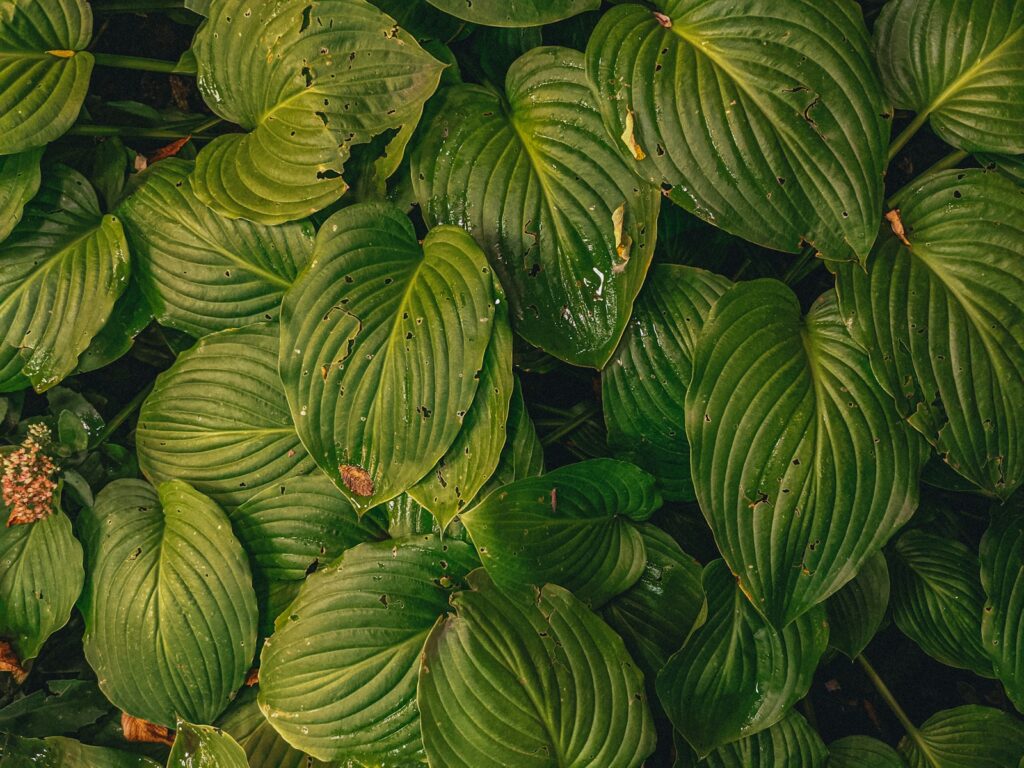
Hostas are a go-to plant for anyone with a shady spot. Their leaves come in all sorts of colors and patterns, from deep green to blue-gray, sometimes with white or yellow edges.
Once established, hostas are happy with just a weekly deep watering. They prefer moist soil but won’t complain if you miss a day or two.
Hostas fill out shady areas and help keep weeds down with their dense foliage. They come in sizes for both big gardens and small corners.
No matter your space, there’s a hosta that will fit right in and look good all season.
Ferns: Love Shade, Hardly Ask for Attention
Ferns are perfect for those dark corners where nothing else seems to grow. Their bright green fronds add texture and life without much effort.
They’re not picky about soil, as long as it’s a bit moist, and can handle being forgotten now and then. Ferns also mix well with other plants and are usually left alone by deer.
If you want a relaxed, natural look in your garden, ferns are an easy win.
Japanese Painted Fern: Elegant and Thrives on Neglect
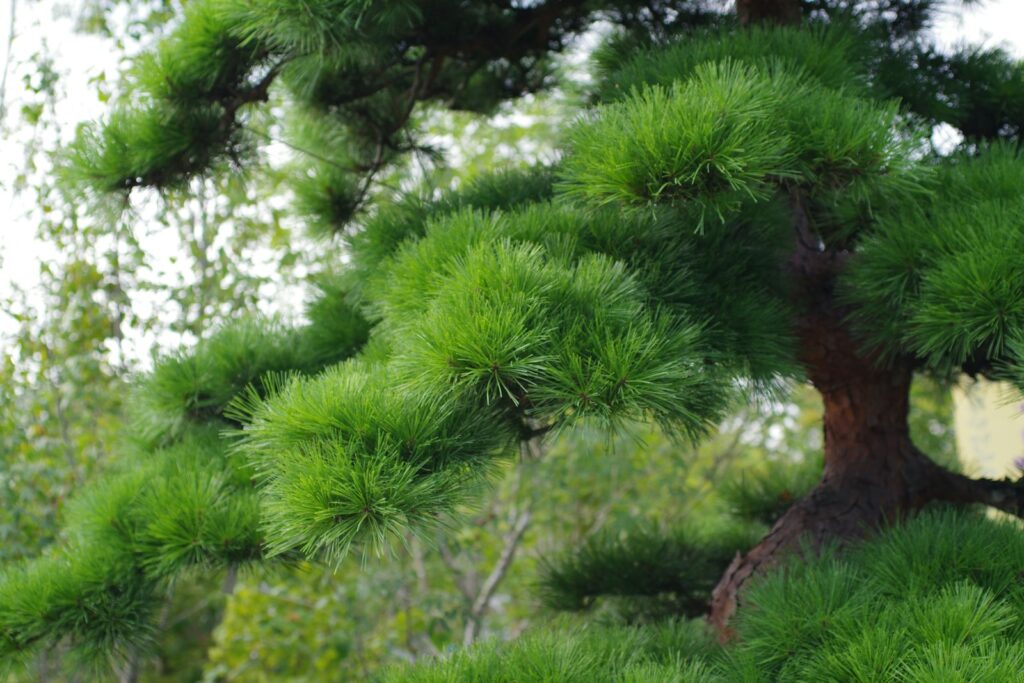
The Japanese Painted Fern brings a silvery shimmer to shady spots, making them feel a bit magical. Its soft, colorful fronds stand out without needing much care.
It does best in moist, well-drained soil and prefers shade, which keeps its colors vivid. This fern grows slowly and usually stays under two feet tall.
It’s a great pick for containers or tucked into a shady garden bed. Even if you miss a watering, it bounces back.
Astilbe: Bright Blooms That Don’t Demand Much
Astilbe is the answer when you want color in the shade. Its fluffy flowers come in pink, red, white, and purple, lighting up even the darkest corners.
These plants like moist soil but don’t need constant attention once settled in. Just plant them in a shady, damp spot and enjoy their blooms all summer.
Their fern-like leaves keep things looking fresh, even after the flowers are gone.
Solomon’s Seal: Graceful Arching Stems, Very Tough
Solomon’s Seal stands out with its tall, arching stems and delicate, cream-colored flowers. It adds a soft, flowing look to shady gardens.
This plant is a survivor, growing well in low light and spreading slowly over time. Once established, it fills in shady patches with little help from you.
In spring, the flowers appear, and by late summer, blue-black berries add extra interest. The leaves even turn bright yellow in fall.
Bleeding Heart: Charming Flowers with Little Fuss
Bleeding Heart brings a touch of romance to the shade with its heart-shaped flowers dangling from arching stems. These plants are easy to care for and return every year.
They like cool, shaded spots with moist soil but don’t need daily attention. When summer heat arrives, they naturally fade back, so there’s no need to worry.
Bleeding Hearts fit right into woodland gardens or shady corners, adding a sweet, delicate vibe.
Heuchera (Coral Bells): Colorful Leaves That Handle Shade Well
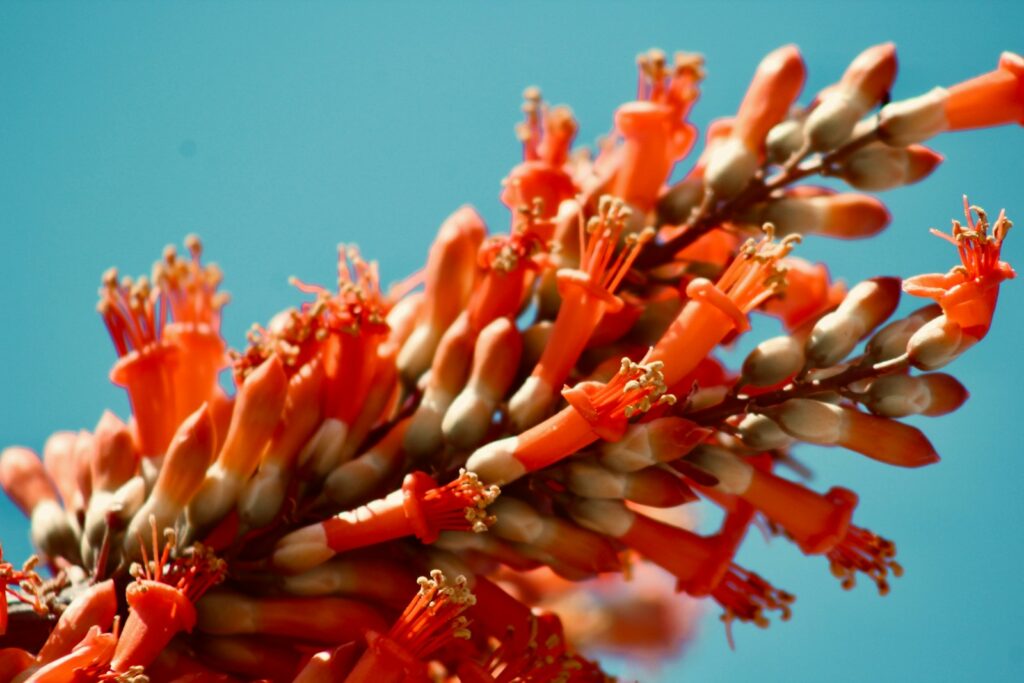
Heuchera, also known as coral bells, is all about the leaves. You’ll find shades from deep purple to bright green and even silver, making them a standout in low-light areas.
They do well with occasional watering and can handle dry spells. The small, bell-shaped flowers are a bonus, but the foliage steals the show.
Heucheras are also pest-resistant and spread slowly, so they won’t take over your garden.
Lungwort: Spotted Leaves and Pretty Flowers, Needs Minimal Care
Lungwort is the plant for you if you want something unique in the shade. Its leaves are dotted with silver or white spots, and in early spring, it bursts into pink, blue, or purple flowers.
It thrives in cool, shady spots and likes soil that stays moist but not soggy. Once it’s settled, lungwort can be left alone and still look great.
This plant is tough and even attracts bees and butterflies early in the season.
Jack-in-the-Pulpit: Unique and Surprising in Shady Spots

Jack-in-the-Pulpit brings a bit of mystery to your garden with its unusual, hooded flowers. It’s a fun addition that kids and adults will both find fascinating.
This plant prefers moist, rich soil and deep shade, just like its woodland home. It’s not fussy, so you can plant it and let it do its thing.
In spring, the flowers appear, followed by bright red berries later in the season.
Brunnera: Heart-Shaped Leaves with Lovely Blue Flowers
Brunnera is a cheerful addition to any shady spot. Its big, heart-shaped leaves often have silver or white patterns that catch the light.
In spring, you’ll see clusters of small, blue flowers that look like forget-me-nots. Brunnera likes moist soil but doesn’t want to sit in water.
Once it’s established, it keeps coming back and makes a great ground cover under trees.
Why Shade-Loving Plants Are So Easy
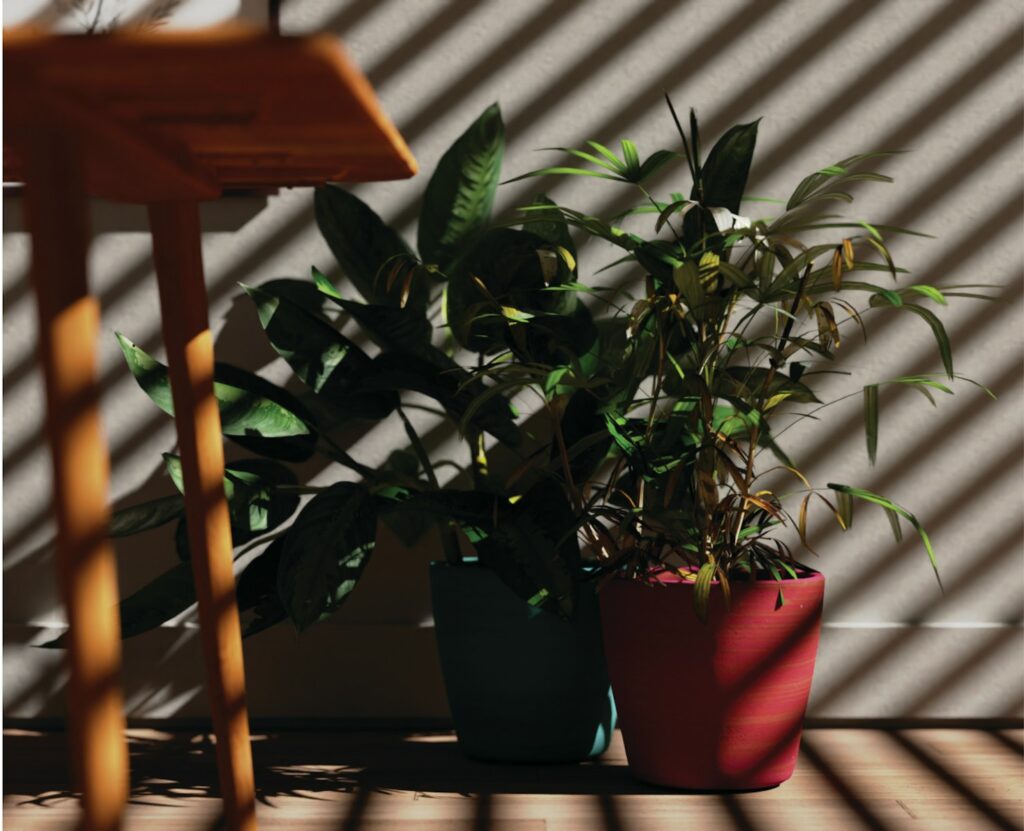
Shade-loving plants have adapted to thrive with less light and water. Their leaves are often larger and darker, soaking up every bit of sunlight they can get.
Many of these plants grow slowly and don’t need as many nutrients or frequent watering. Their roots are designed to find moisture in cool, shady soil.
Some can even store water in their leaves or stems, making them perfect if you sometimes forget to water.
Simple Tips for Happy, Low-Maintenance Shade Plants
To keep these plants looking their best, focus on good soil and the right watering routine. Most prefer soil that stays moist but drains well.
Water deeply but not too often, and let the soil dry out a bit between waterings. With these basics, your shade garden will thrive, even if you’re not there to fuss over it.
Watering Best Practices
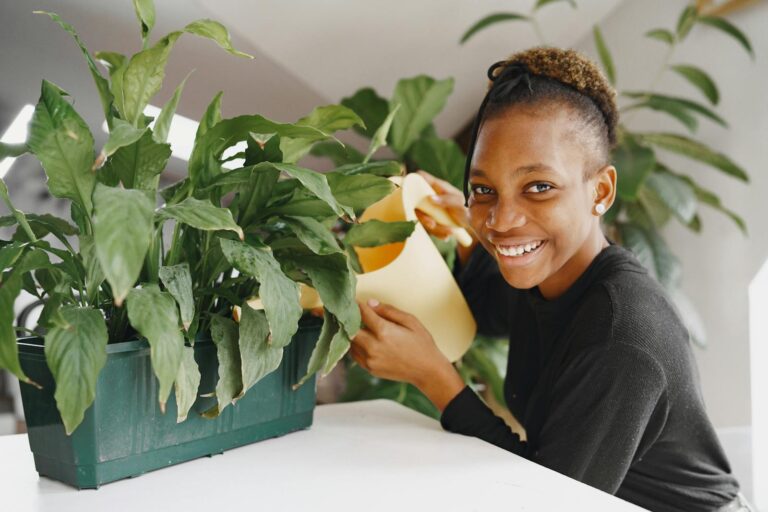
Keeping shade plants happy doesn’t have to be complicated. They appreciate steady moisture, but not soggy roots.
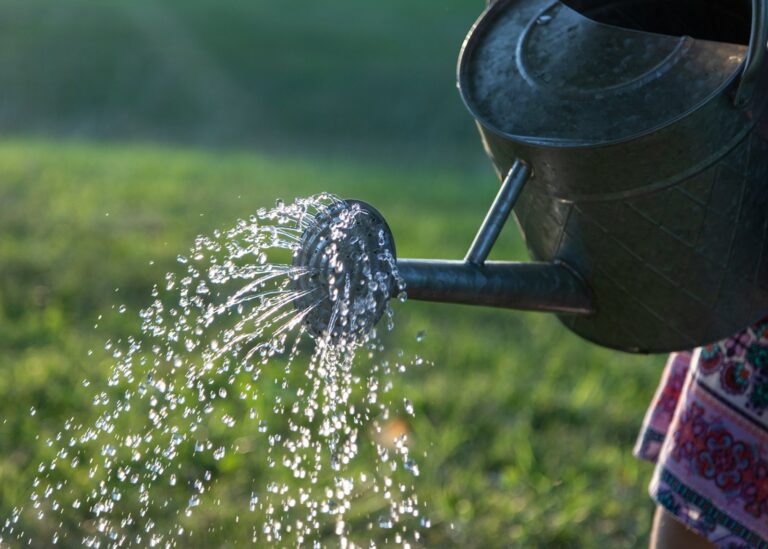
Water deeply when the top inch of soil feels dry. This simple habit helps roots grow deeper and makes plants more resilient.
Try watering early in the morning or late in the afternoon. It helps plants absorb moisture and keeps water from evaporating too quickly.
Avoid overwatering, especially in shady spots where soil stays damp longer. Too much water can cause root rot.
Mulch is your friend when it comes to keeping soil cool and moist. A 2 to 3 inch layer of organic mulch like shredded bark or leaves can make a big difference.
Mulch also helps you water less often by blocking sunlight and slowing evaporation.
Low-Maintenance Soil Needs
Not everyone has the time or energy to fuss over their garden soil every weekend. If you want your shade plants to thrive without constant attention, start with loose, well-draining soil that keeps some moisture but never gets soggy.
Mixing in compost or leaf mold can make a big difference. It boosts nutrients and helps the soil hold water without turning heavy.
Try to steer clear of soils that are too clay-heavy or too sandy. Clay traps too much water, while sand dries out quickly.
If your garden soil isn’t ideal, raised beds or containers filled with potting soil and compost can make things much simpler.
Testing your soil pH can be helpful if you have a kit on hand. Most shade plants are happy with a pH close to neutral, but some prefer it a bit more acidic.
Knowing your soil’s pH can help you pick the right plants for your yard.