10 Tips for Thriving Through The Last Bit of Winter
As the days grow shorter and the temperatures drop, many houseplant enthusiasts find themselves facing the unique challenges that come with winter care. While your leafy friends may not require the same level of maintenance as outdoor plants during the warmer months, they still need a little extra love and attention to thrive in the colder season. Here are ten essential tips to help your houseplants flourish until spring arrives.
1. Adjust Watering Habits
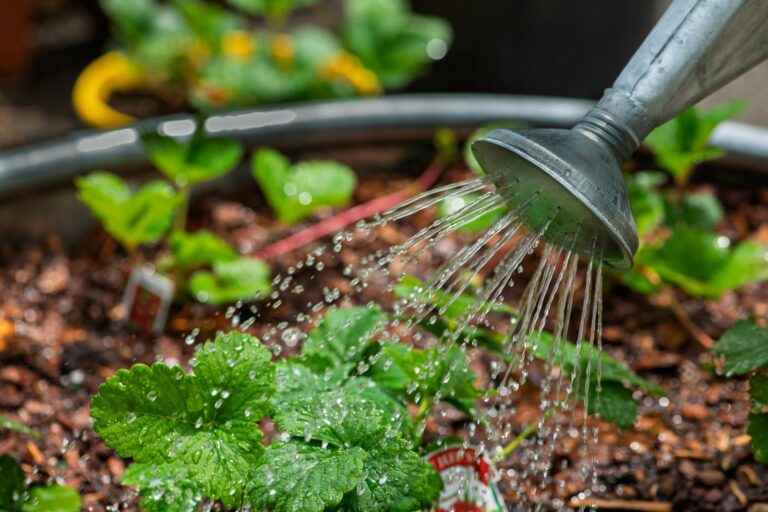
During winter, houseplants typically require less water due to lower light levels and cooler temperatures, which slow down their growth. To avoid overwatering, check the moisture level of the soil before watering. Stick your finger about an inch into the soil; if it feels dry, it’s time to water. Make sure to use pots with drainage holes to prevent root rot.
2. Optimize Light Exposure
With shorter days and often cloudier skies, your plants may not be getting the light they need. Position your plants near the brightest windows, preferably south or west-facing, to maximize sunlight exposure. If natural light is limited, consider investing in grow lights. These can help supplement the light your plants need to stay healthy during winter.
3. Maintain Humidity Levels
Indoor heating systems can significantly decrease humidity levels, which can be detrimental to tropical plants. To combat this, consider using a humidifier in the room where your plants are located. Alternatively, you can place a tray filled with water and pebbles under your pots to create a micro-climate of humidity. Grouping plants together can also help increase humidity levels.
4. Keep an Eye on Temperature
Most houseplants prefer temperatures between 65°F and 75°F during the day and slightly cooler at night. Avoid placing your plants near drafty windows, heaters, or radiators, as temperature fluctuations can stress them out. If you notice your plant leaves browning or dropping, it could be a sign of temperature stress.
5. Fertilize Wisely
During winter, many houseplants enter a dormant phase, meaning they require less fertilizer than they do in the growing season. If you choose to fertilize, opt for a diluted, balanced fertilizer once a month. Avoid fertilizing completely if your plants are not actively growing, as this can lead to nutrient buildup and potentially harm the roots.
6. Prune as Needed
Winter is a great time to assess your plants and remove any dead or yellowing leaves. Pruning not only keeps your plants looking tidy but also encourages healthy growth when spring returns. Use clean, sharp scissors or pruning shears to make clean cuts, which will help reduce the risk of disease.
7. Monitor for Pests
Indoor pests can become more of a problem in winter as plants are indoors and often stressed. Regularly check the undersides of leaves and the soil for signs of pests like spider mites or aphids. If you notice any unwelcome guests, treat them promptly with insecticidal soap or neem oil. Early detection is key to preventing infestations.
8. Avoid Overcrowding
As your plants grow, they may become crowded in their pots. Winter is an ideal time to repot any plants that have outgrown their containers. Choose a pot that is one size larger and refresh the potting soil to provide fresh nutrients. This not only gives your plants more space but also helps improve drainage and aeration.
9. Be Mindful of Water Quality
The quality of the water you use can affect your plants’ health. If you are using tap water, let it sit for 24 hours before watering to allow any chlorine to dissipate. Rainwater is an excellent alternative, as it is naturally soft and free of chemicals. If you can collect some, your plants will likely appreciate the extra care.
10. Keep It Clean
Dust can accumulate on your plants’ leaves and reduce their ability to photosynthesize. Regularly wipe down leaves with a damp cloth to keep them clean and healthy. This is especially important for plants with broad leaves, as they can quickly gather dust that hinders growth.
By following these ten tips, you can help ensure your houseplants not only survive the winter months but thrive, setting them up for a robust growing season once the warmer weather returns. With a little extra attention and care, your indoor garden can continue to flourish even when the outdoors is cold and dreary. Happy gardening!