10 Veggies Beginners Can Grow Without Failing That Will Transform Your Garden This Season
Ever thought about growing your own vegetables but felt unsure where to start? The good news is that some veggies are almost foolproof, even if you’ve never picked up a trowel before.
Here are 10 vegetables that are reliable and easy for beginners. With these choices, you can look forward to fresh food from your own garden without stress.
Cherry Tomatoes
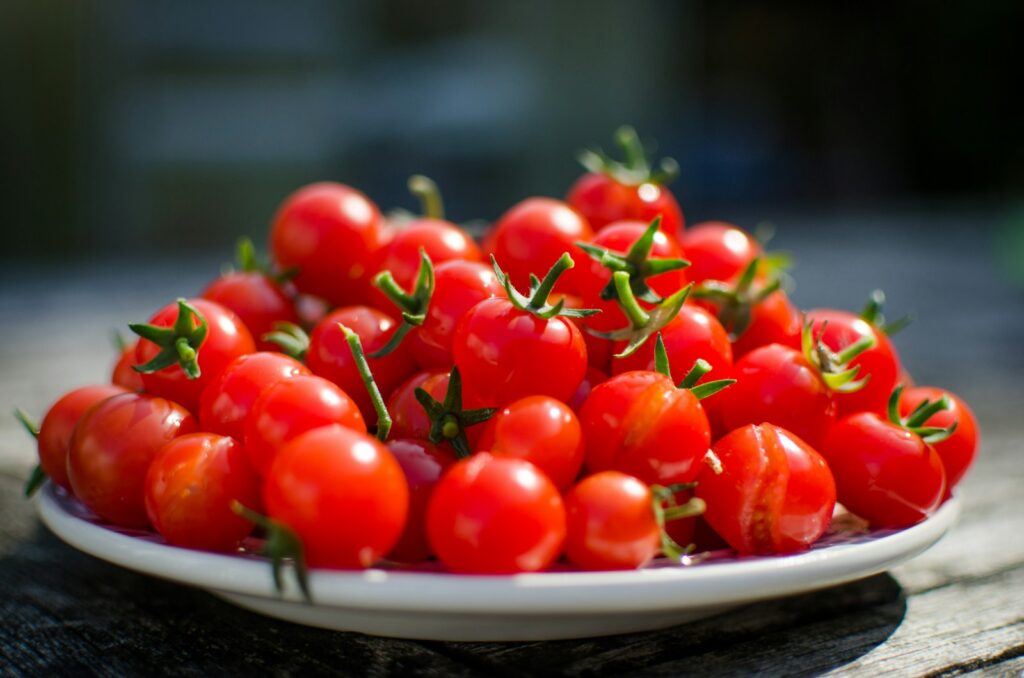
Cherry tomatoes are a favorite for first-time gardeners. They grow in clusters and start producing fruit quickly.
You can grow them in pots, on a balcony, or in a small patch of garden. They just need six to eight hours of sunlight each day.
Water them regularly so the soil stays moist but not soggy. Varieties like Sweet 100 or Sun Gold are especially tasty and rewarding.
Lettuce
Lettuce is a fast grower, so you’ll see results in just a few weeks. It fits well in small gardens, containers, or even window boxes.
Plant it in spring or fall when the weather is cooler. Keep it watered and give it a little shade during hot spells.
You can harvest lettuce leaves more than once by picking the outer leaves. This means more salads with hardly any extra effort.
Radishes
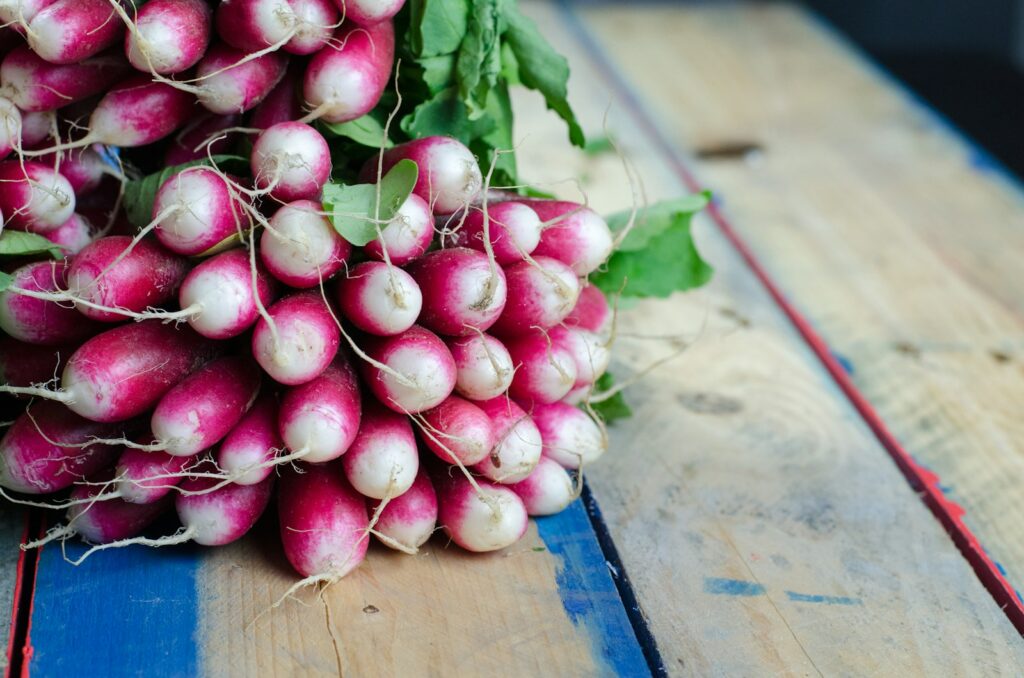
Radishes are perfect if you want quick results. Some types are ready to pick in just three to four weeks.
They grow well in lots of different soils and do not need much space. Just keep the soil moist and watch them sprout.
Try planting new seeds every couple of weeks for a steady harvest. Radishes add a fresh crunch to snacks and salads.
Green Beans
Green beans are simple to grow and don’t need much room. Plant the seeds in well-drained soil and make sure they get plenty of sun.
They start producing pods in about two months. You can use a small trellis or sticks so the plants grow upward and save space.
Keep the soil moist but not soggy. Green beans are a great way to get started with gardening.
Zucchini
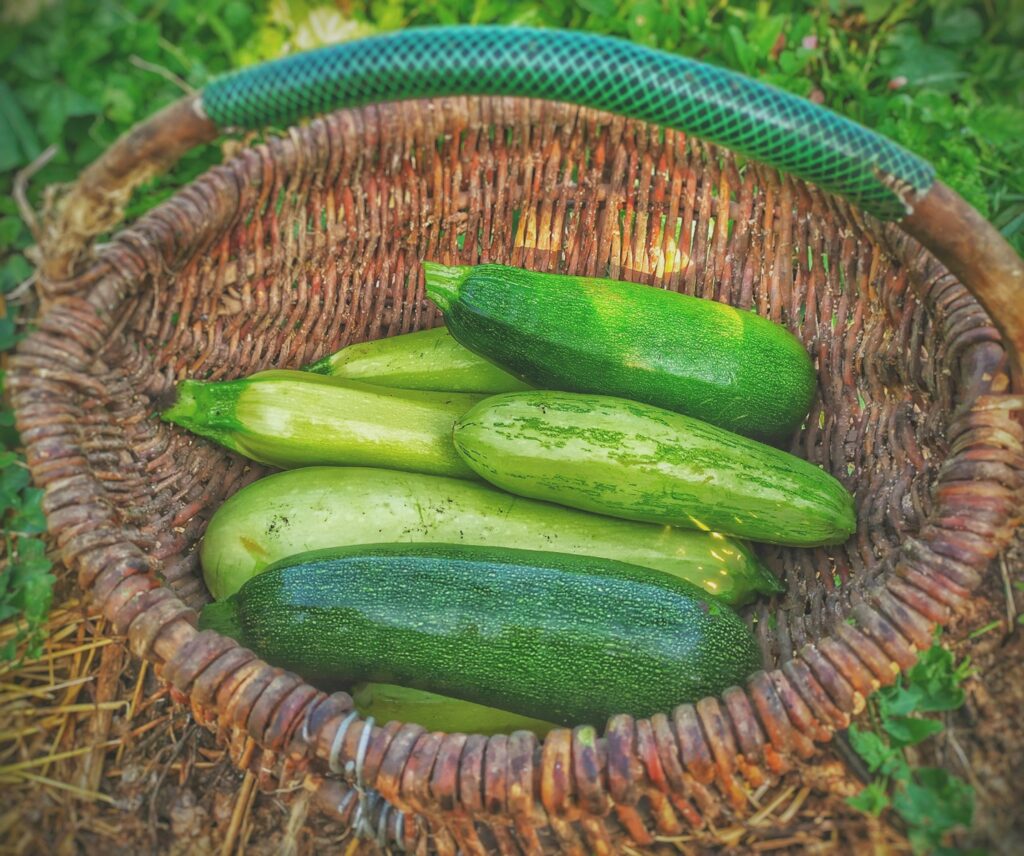
Zucchini grows fast and doesn’t need a lot of attention. Plant the seeds in warm soil and give the plants room to spread.
One zucchini plant can keep you supplied all summer. You can pick them small for tender veggies or let them grow bigger.
Water regularly and watch out for pests like squash bugs. Try out new recipes with your homegrown zucchini.
Carrots
Carrots are easy to grow from seed, even in containers. Use loose, rock-free soil so the roots grow straight.
They usually take two to three months to mature. Keep the soil moist and you’ll be rewarded with sweet, crunchy carrots.
Carrots do not need much fertilizer or special care. They are a solid choice for small spaces and new gardeners.
Spinach
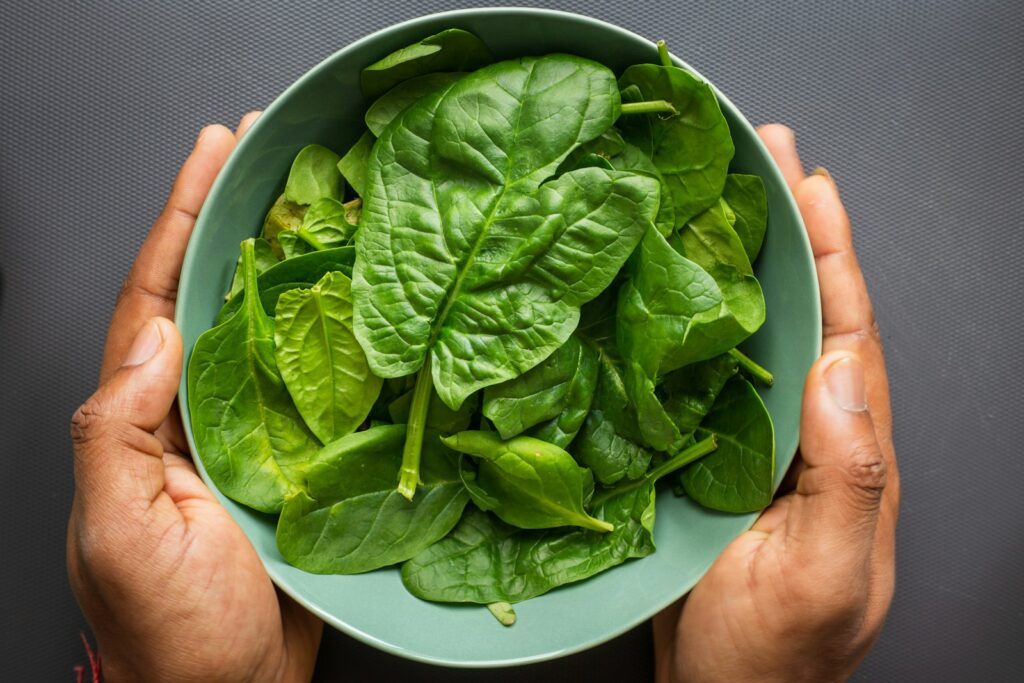
Spinach grows quickly and can be planted in containers if you do not have much space. It thrives in cooler weather, making it perfect for early spring or fall.
Once it gets started, spinach needs little attention. Water it regularly and you can harvest several times.
Spinach is forgiving if you forget a watering now and then. Fresh spinach from your own garden tastes so much better than store-bought.
Bell Peppers
Bell peppers bring color and crunch to your garden. Watch them turn from green to red, yellow, or orange as they ripen.
Plant them in full sun after the last frost and make sure the soil is warm. Water regularly and keep the soil moist but not soggy.
You can start with young plants from the garden center. Bell peppers grow well in containers and smaller beds.
Cucumbers
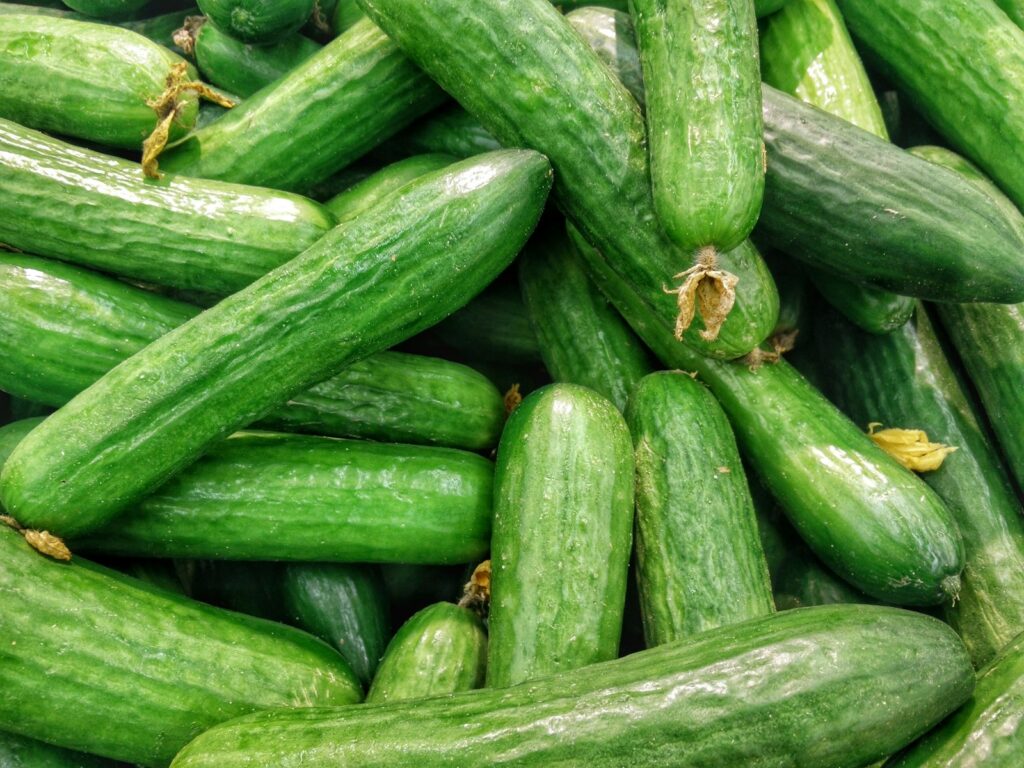
Cucumbers are great for small spaces or containers. Bush varieties only grow two to three feet tall, so they fit almost anywhere.
Give them a sunny spot and water them regularly. You’ll soon have fresh, crunchy cucumbers to enjoy.
Growing cucumbers is a fun way to learn about caring for other garden plants. They’re a refreshing addition to your meals.
Peas
Peas are easy to grow and do well in small gardens or containers. You can plant them early in the season because they like cool weather.
They climb up trellises and produce lots of pods quickly. Fresh peas picked right from the vine are hard to beat.
Peas need a little extra water when they are flowering and making pods. They’re a great confidence booster for new gardeners.
Getting Your Garden Started
Before you plant, take a little time to plan your space. Pick a sunny spot and prepare your soil or containers so your veggies have the best start.
Best Conditions for Beginner Success
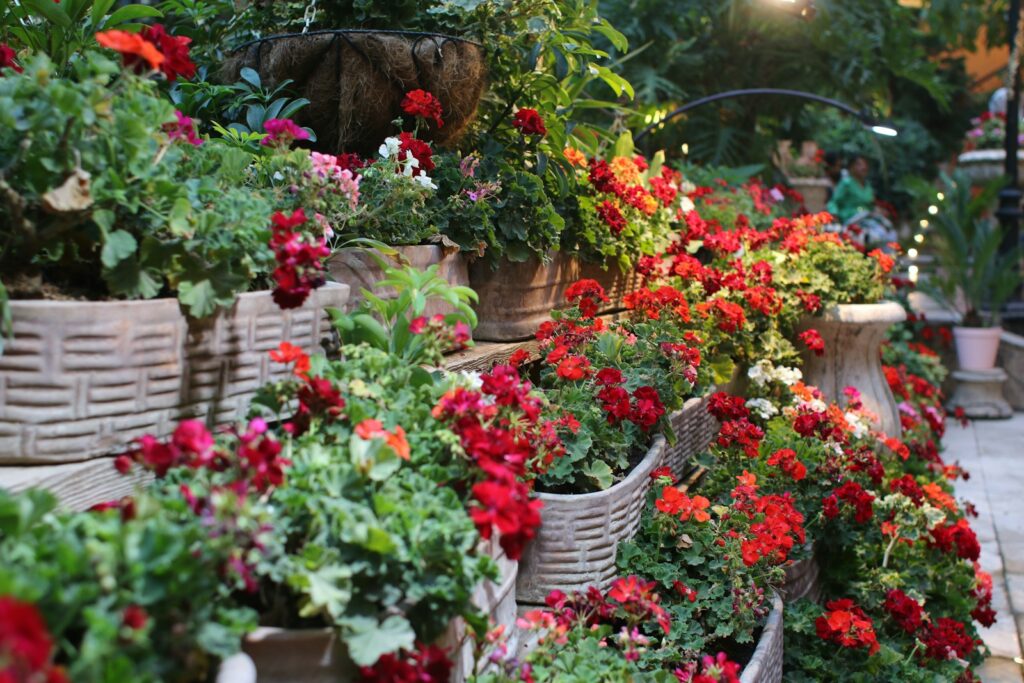
Most vegetables need at least six hours of sunlight every day. Choose a spot that drains well but does not flood.
Make sure you can water your plants easily. If your garden is in a windy spot, use a fence or shrubs to protect young plants.
Try to keep your garden area free from foot traffic and pets. Starting small helps you focus your attention and makes caring for your plants easier.
Choosing the Right Soil and Containers
Good soil is crumbly and drains well. Add compost to feed your plants and improve the soil.
Containers are perfect if you don’t have a yard. Use pots or raised beds with drainage holes and fill them with potting soil and compost.
Garden soil is usually too dense for containers. Most vegetables grow best in soil with a pH between 6.0 and 7.0.
Common Challenges for New Growers
Every gardener faces a few bumps along the way. With a few simple habits, you can keep your plants healthy and growing strong.
Easy Pest Prevention Tips
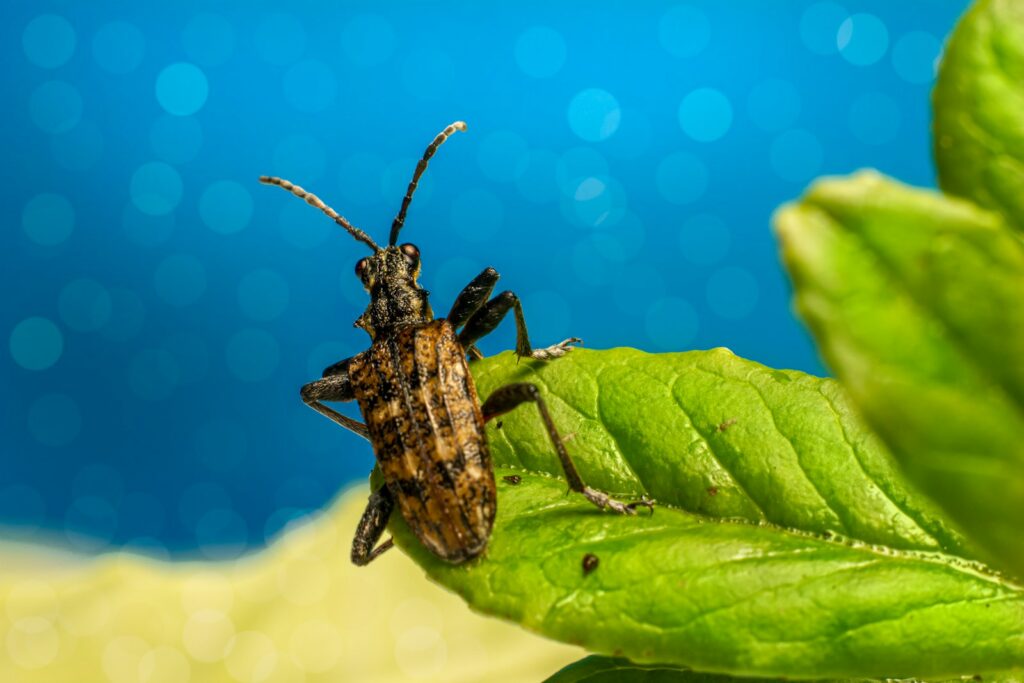
Check your plants often for bugs or holes in the leaves. Catching problems early makes a big difference.
Planting marigolds or basil nearby can help keep pests away. If you see soft-bodied bugs like aphids, spray them with water and a little dish soap.
Keep your garden tidy by clearing away dead leaves. Rotating your crops each year also helps prevent pest problems.
Simple Watering Routines
Anyone who’s tried to keep a plant alive knows that watering can be tricky. It’s easy to wonder if you’re giving your garden too much or too little.
Before grabbing the watering can, check your soil. Stick your finger about an inch deep—if it feels dry, your plants are ready for a drink.
Mornings are the best time to water your garden. Plants soak up moisture before the sun gets too hot.
Try not to water late in the evening. Damp leaves overnight can lead to fungus or mold.
Use a watering can or a drip system so water goes right to the base of your plants. This helps keep leaves dry and lowers the chance of disease.
Water deeply but not every day. Deep watering encourages roots to grow stronger.
Quick Watering Tips
- Water in the morning
- Check soil dryness before watering
- Aim water at plant roots, not leaves
- Avoid overwatering to prevent root rot