“11 Gardening Trends That Disappeared in 2023 (And What’s Taking Their Place)”
As the gardening world evolves, certain trends rise and fall, often influenced by shifting preferences, environmental concerns, and new gardening techniques. 2023 saw the fading of several popular gardening practices, making way for fresh ideas that resonate more with today’s eco-conscious and design-savvy gardeners. Here’s a look at 11 gardening trends that quietly faded this year and what has emerged to take their place.
1. Formal Landscapes
For years, meticulously manicured lawns and formal garden designs dominated the landscape. However, as homeowners seek more relaxed and natural aesthetics, the trend is shifting towards wild and whimsical garden designs that blend seamlessly with nature. Think meandering paths, informal flower beds, and native plantings that attract pollinators.
2. Overly Pristine Lawns
The quest for the perfect lawn has been a long-standing obsession for many gardeners. But with increased awareness of water conservation and the environmental toll of herbicides and pesticides, a more forgiving approach is taking hold. “No-mow” lawns and clover patches are becoming popular alternatives, promoting biodiversity and reducing maintenance.
3. Single-Season Planting
In the past, gardeners often focused on planting for a single season, creating a distinct look for spring, summer, or fall. This year, the emphasis has shifted to creating year-round interest through careful selection of perennials, evergreens, and seasonal layering. Planting for all seasons enhances the garden’s beauty and provides habitat for wildlife throughout the year.
4. Exotic Plant Obsession
While exotic plants have their charm, the trend of prioritizing them over native species is fading. More gardeners are recognizing the importance of supporting local ecosystems by choosing native plants that thrive in their region. These choices not only require less maintenance but also offer essential resources for local wildlife, including bees and butterflies.
5. Excessive Use of Chemicals

The reliance on chemical fertilizers and pesticides has seen a significant decline as gardeners become more aware of the impact on their health and the environment. Organic gardening practices are on the rise, with a focus on natural fertilizers, companion planting, and integrated pest management techniques that promote a healthy garden ecosystem.
6. Monoculture Gardening
Gone are the days when planting a single type of plant was the norm. The trend towards biodiversity is gaining traction as gardeners understand the benefits of planting a variety of species. Mixed borders, companion planting, and polyculture gardens not only enhance aesthetic appeal but also improve resilience against pests and diseases.
7. Trendy Indoor Plants
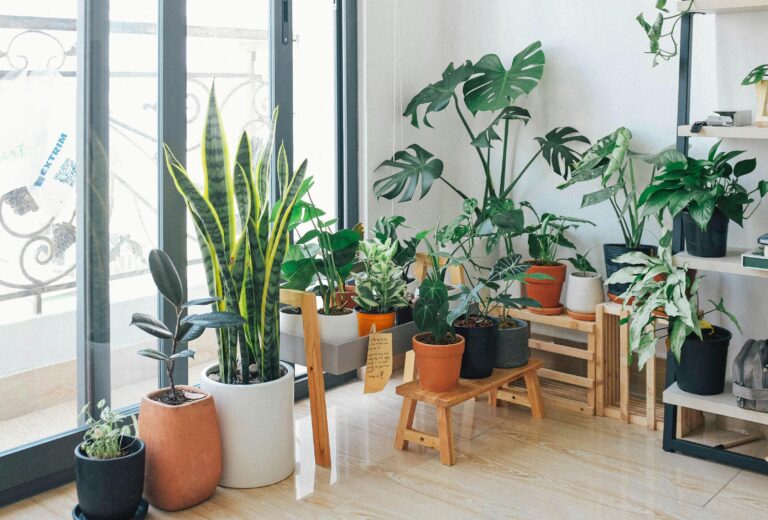
While indoor plants have maintained popularity over the past few years, the obsession with rare or trendy houseplants is starting to wane. Home gardeners are shifting their focus towards easy-care plants that thrive in a variety of conditions, such as pothos, snake plants, and ZZ plants. This practical approach caters to busy lifestyles and provides a low-maintenance way to enjoy greenery indoors.
8. Overly Complicated Garden Designs
Complex garden designs that require extensive planning and maintenance are becoming less desirable. Instead, gardeners are gravitating towards simplicity and functionality. Raised beds, container gardens, and vertical gardening techniques are simpler to maintain and allow for greater flexibility in smaller spaces, appealing to urban dwellers and novice gardeners alike.
9. Seasonal Fads
Certain gardening trends, such as the popularity of succulents or specific color palettes, tend to be short-lived. This year, the focus has shifted toward timeless gardening practices that emphasize sustainability and functionality. Gardeners are embracing classic designs and perennial favorites that stand the test of time, ensuring their gardens remain beautiful and relevant for years to come.
10. Over-Decorated Outdoor Spaces
The trend of heavily accessorizing outdoor spaces with elaborate decor is slowly fading. Homeowners are opting for more minimalistic designs, allowing the beauty of nature to shine through. Simple seating areas, natural materials, and functional garden features create inviting spaces without overwhelming the senses.
11. Ignoring Soil Health
In previous years, soil health was often overlooked in favor of quick fixes. However, gardeners are now paying closer attention to soil quality, recognizing its crucial role in plant health. Practices like composting, cover cropping, and soil testing are becoming standard practices as gardeners strive to create nutrient-rich environments that support sustainable growth.
Embracing the Future of Gardening
As we move forward, the gardening landscape will continue to evolve, shaped by our values and the environment. Embracing trends that prioritize sustainability, biodiversity, and practicality will not only enhance our gardens but also contribute positively to our planet.
Whether you’re a seasoned gardener or just starting, consider incorporating these emerging practices into your gardening routine. By staying informed and adaptable, you can create a garden that reflects your style and supports the local ecosystem—a true win-win for you and the environment. Happy gardening!