“11 Surprising Landscaping Habits That Can Harm Your Soil Health Over Time”
Soil is the lifeblood of any garden, and its health directly influences the growth of plants, trees, and flowers. However, many gardeners unknowingly engage in practices that can compromise soil quality, leading to long-term damage. Here, we outline eleven common landscaping habits that can quietly harm your soil health, along with tips on how to avoid them and promote a thriving garden ecosystem.
1. Overusing Chemical Fertilizers
Many gardeners rely heavily on chemical fertilizers to boost plant growth quickly. While they may provide immediate results, these fertilizers can disrupt the natural balance of nutrients in the soil. Over time, they can lead to nutrient leaching, soil acidification, and even harm beneficial microorganisms. To avoid this, consider using organic fertilizers like compost or well-rotted manure, which improve soil structure and support microbial life.
2. Ignoring Soil Testing
Failing to test your soil can lead to poor plant performance and unwanted amendments. Soil testing provides valuable insights into nutrient levels, pH, and organic matter content. By understanding your soil’s specific needs, you can amend it correctly. Regular testing—at least every few years—is crucial, especially if you notice plants struggling to thrive.
3. Skipping Mulch
Mulching is a simple yet effective practice that many gardeners overlook. A layer of organic mulch, such as wood chips or straw, helps retain soil moisture, suppress weeds, and gradually improves soil structure as it decomposes. Without mulch, your soil is more susceptible to erosion, temperature fluctuations, and moisture loss.
4. Overwatering
While plants need water to thrive, overwatering can lead to waterlogged soil, which suffocates roots and promotes fungal diseases. It also contributes to nutrient leaching, where essential nutrients are washed away from the root zone. To prevent this, monitor soil moisture levels and only water when necessary. A good rule of thumb is to check the top inch of soil; if it’s dry, it’s time to water.
5. Compaction from Heavy Equipment
Using heavy machinery or even walking on wet soil can lead to compaction, which makes it difficult for roots to grow and water to penetrate. Compacted soil can also disrupt the balance of air and moisture, harming beneficial organisms. To minimize compaction, avoid working on wet soil, and consider using lighter equipment or hand tools when possible.
6. Planting in Poorly Drained Areas
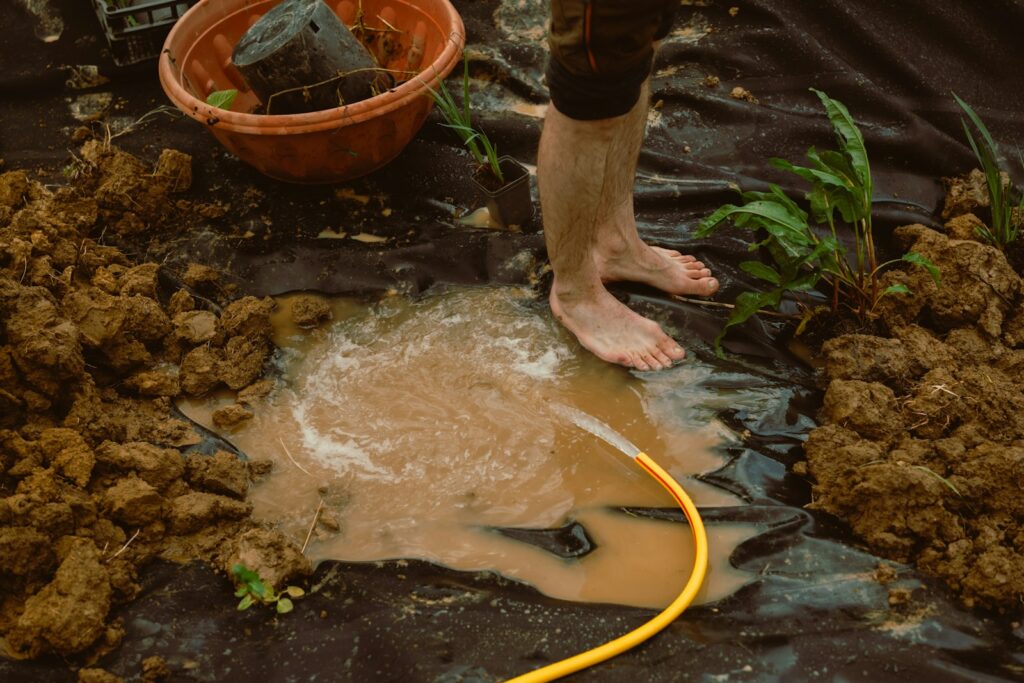
Planting in areas that retain too much water can lead to root rot and other issues. If you notice standing water after rain, it’s a sign that your soil drainage needs improvement. Consider amending the soil with organic matter to enhance drainage or planting in raised beds, which can provide better aeration and reduce water retention.
7. Neglecting Crop Rotation
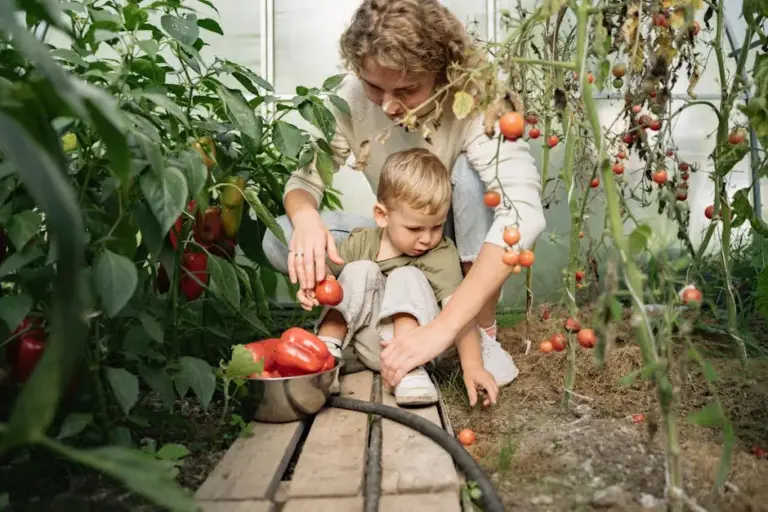
Growing the same plants in the same spot year after year can deplete specific nutrients and increase pest problems. Crop rotation is a practice where you change the types of plants grown in a particular area each season. This helps restore soil nutrients and disrupt pest life cycles. Even amateur gardeners can implement rotation by grouping plants in families—like rotating tomatoes, peppers, and eggplants.
8. Overlooking Soil Erosion
Soil erosion can occur due to wind, water, or even foot traffic. It strips away the nutrient-rich top layer of soil, making it less fertile. To combat erosion, plant ground cover, install terraces, or use erosion-control blankets on sloped areas. These measures help keep soil in place while promoting healthy plant growth.
9. Ignoring Native Plants
Planting non-native species might seem appealing due to their exotic looks, but they can fail to thrive in local soil conditions and may require more water and fertilizers. Native plants, on the other hand, are adapted to your region’s soil and climate, and they often require less maintenance. Incorporating native species into your landscape can help improve overall soil health by supporting local ecosystems.
10. Over-pruning
While regular pruning is essential for plant health, over-pruning can stress plants and disrupt their natural growth patterns. This stress can lead to a decline in soil health as plants struggle to recover. When pruning, remember to only remove what is necessary and avoid cutting too much at once. Educate yourself on the specific needs of each plant species to know the best practices for pruning.
11. Failing to Build Soil Health
Soil health is not a one-time fix but a continuous process. Many gardeners neglect to incorporate practices that build soil health over time, such as adding compost, maintaining organic matter, and minimizing disturbance. Consider establishing a regular schedule for adding organic material, and practice no-till gardening methods to maintain soil structure.
By being mindful of these common landscaping habits, you can protect and enhance your soil health for years to come. A healthy garden begins with healthy soil, and with these tips, you can create an environment where your plants can thrive. Remember, every small change you make can lead to a more vibrant and sustainable garden. Happy gardening!