12 Houseplants That Survive On Very Little Light
Not every home is blessed with big, sunny windows. If you’ve ever wondered how to keep things green in rooms that feel a little gloomy, you’re not alone. The good news is there are plenty of houseplants that don’t mind a bit of shade and can thrive even in the darkest corners.
Here are 12 houseplants that can handle low light and still make your space look lively.
Snake Plant

The Snake Plant is one of those plants that seems to survive anything. It’s perfect for spots that don’t get much sun and can even handle being forgotten now and then.
You can put it in bedrooms, offices, or hallways where light is limited. Just water it every few weeks and let the soil dry out between waterings.
It’s also known for cleaning the air and bouncing back from neglect. If you want it to grow more, place it near a window with indirect light, but it will still look good in darker areas.
ZZ Plant
The ZZ plant is a great choice for anyone with dark corners at home. It barely needs any sunlight and can go for months in almost complete darkness.
Its thick, waxy leaves store water, so you don’t have to worry about watering it too often. Just keep it out of direct sun and water when the soil is dry.
It grows best with some indirect light but adapts well to low-light spots. Even if it grows slowly, it stays green and beautiful with little effort.
Pothos
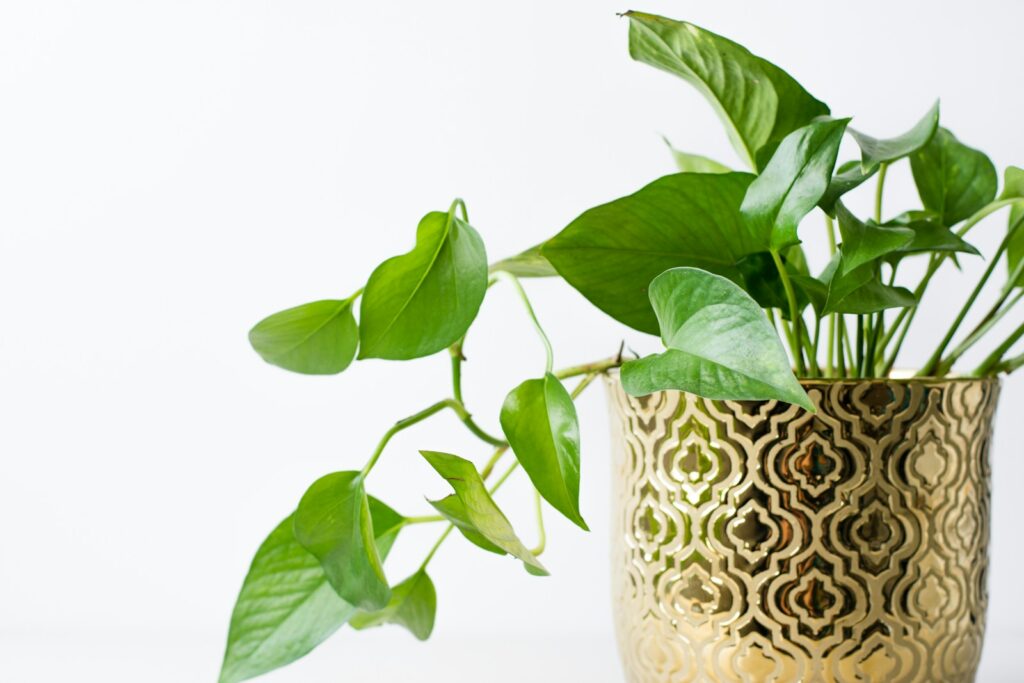
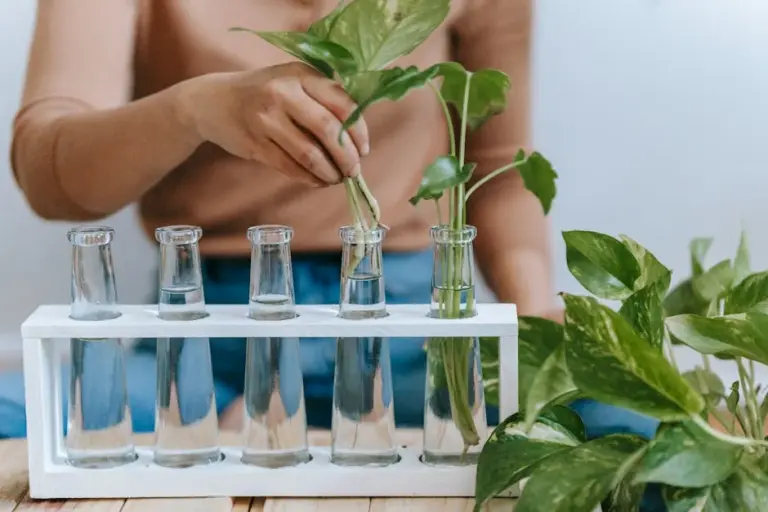
Pothos is a lifesaver for anyone whose home doesn’t get much sunlight. You can place it almost anywhere, and it will still thrive.
It grows well in filtered or indirect light, and even in dim corners. The leaves stay green, adding a fresh touch to your space.
This plant is tough and survives when others might struggle. With a little water and occasional feeding, your pothos will keep growing and trailing.
You can pick from many varieties to match your style. Pothos vines look great climbing or hanging, bringing a lively vibe to any room.
Peace Lily
A Peace Lily is a great option if your space is on the dim side. It naturally grows under the shade of big trees, so it’s used to low light.
Even in low light, it can show off shiny leaves and sometimes bloom with white flowers. Just keep it away from direct sun to avoid brown spots.
Water when the top of the soil is dry, and it will let you know when it’s thirsty by drooping a little. If light is really scarce, an LED grow light can help.
Peace Lilies are easy to care for and brighten up darker corners with their graceful look.
Cast Iron Plant
If you want a plant that’s nearly impossible to kill, the Cast Iron Plant is a solid pick. It thrives in places where sunlight barely reaches.
Its dark green leaves bring a calm touch to any room. You don’t need to water it often, and it can handle some neglect.
It doesn’t need direct sunlight and stays healthy with just a little natural light. Perfect for busy people or those new to plants.
This plant is forgiving if you forget to water now and then. It’s a great way to add greenery with almost no effort.
Spider Plant
Spider plants are perfect for anyone dealing with low light. They can survive in dim spaces and still look lively.
They do best with medium to bright, indirect light, but they’ll hang on in darker rooms. In low light, they might grow more slowly or lose some color, but they’ll keep going.
Water when the soil feels dry and avoid overwatering. Spider plants can even produce baby plants you can grow into new ones.
They add a fresh touch to any space, even if your room is on the darker side.
Chinese Evergreen (Aglaonema)
The Chinese Evergreen is a favorite for low-light rooms. It’s easy to care for and looks good just about anywhere.
It has beautiful, patterned leaves in different colors. These plants don’t need much water and can handle dry air.
They prefer medium to low indirect light but can survive in darker spots. Sometimes they even bloom indoors if the conditions are right.
If you want a vibrant plant that doesn’t need constant attention, this is a great choice.
Philodendron
Philodendrons naturally grow in the shade of tropical forests, so they’re at home in low-light spots. Your north-facing window or a darker corner will suit them just fine.
Their heart-shaped leaves bring a touch of green to any room. Even with little natural light, they keep growing and look great.
They’re forgiving if you forget to water sometimes and tend to adapt well. Philodendrons are fast growers in low light, making them exciting for beginners.
Parlor Palm

The Parlor Palm is famous for thriving in rooms with hardly any sunlight. It’s a go-to for shady corners or spaces without windows.
Its soft, feathery leaves bring a tropical feel to your home. You only need to water it about once a week and use well-draining soil.
It grows well under fluorescent or filtered light and is safe around pets. If you want a low-maintenance plant that brightens your space, the Parlor Palm is a winner.
Dracaena
Dracaena is perfect for rooms or offices that don’t get much sun. You don’t have to put it right next to a window for it to do well.
There are many varieties, some with colorful leaves that brighten up any space. They’re slow growers but can reach a good size indoors.
Water occasionally and avoid overwatering. Dracaenas also help clean the air, which is a nice bonus.
This plant adapts well to different light levels and is forgiving, making it a stylish, low-maintenance option.
Heartleaf Philodendron

The Heartleaf Philodendron is a classic choice for low-light rooms. Its shiny, heart-shaped leaves brighten up any space, even those with little sunlight.
You can let it trail from a shelf or climb up a support. It doesn’t need much maintenance and thrives in indirect light or dim corners.
It also helps clean the air, making your space feel fresher. Just water when the soil feels dry, and it will keep growing strong.
Bird’s Nest Fern
The Bird’s Nest Fern has bright green, wavy leaves that grow from the center like a nest. It does well in low to medium indirect light and can perk up any corner.
This plant likes humidity, so it’s happy in bathrooms or kitchens. Keep its soil moist but not soggy and make sure the pot drains well.
It’s easy to care for and adds a lush, tropical vibe wherever you put it. Even if your space is a bit dark, this fern brings a fresh, green boost.
How to Care for Low-Light Houseplants
Keeping houseplants healthy in low light isn’t as hard as it seems. A few small adjustments make a big difference.
Watering Tips for Shady Spaces
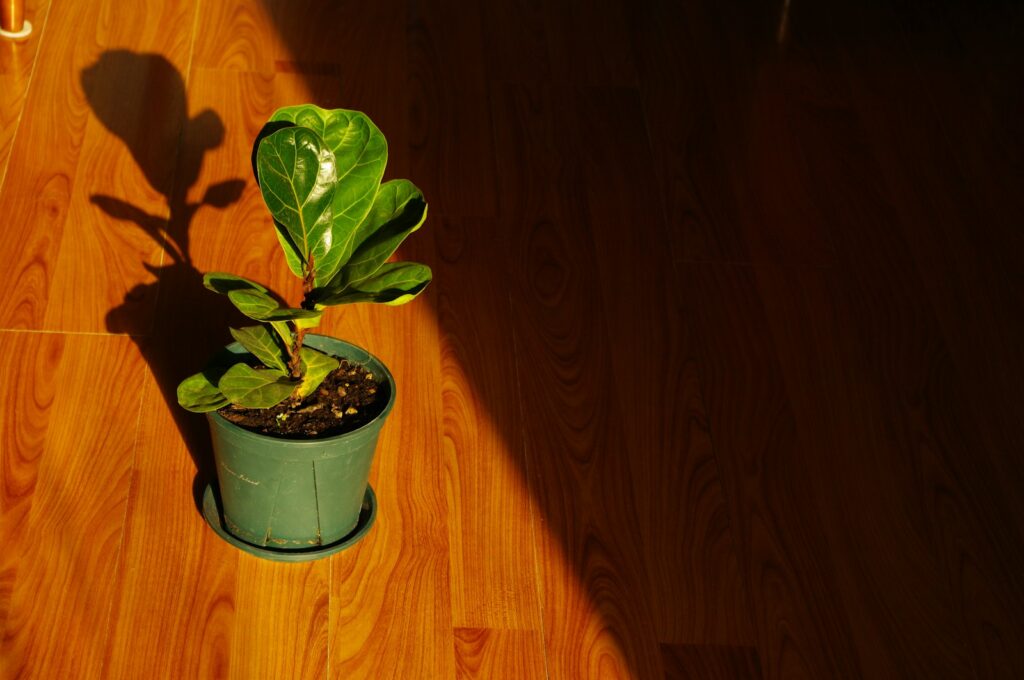
Low-light plants need less water because they don’t use it up as quickly. Let the top inch of soil dry out before watering.
Overwatering is a common problem, so use pots with drainage holes and avoid letting water sit. In winter, water even less often since plants grow slower.
Mist your plants occasionally if your home is dry, but don’t soak the leaves.
Optimizing Indoor Light Levels
Even low-light plants need some indirect light. Place them near north-facing windows or in rooms with filtered light.
LED grow lights can help if natural light is weak. Rotate your plants weekly so they grow evenly and don’t lean toward one side.
Keep them out of total darkness. A little indirect light each day keeps your plants healthy and happy.
Common Issues and Easy Solutions

Noticing yellow leaves on your plant can be frustrating. This often means your plant is getting too much water.
Brown or crispy leaves are another common problem. These usually show up when the air is too dry or the plant is not getting enough water.
Try adjusting your watering schedule and see if the humidity in your home needs a boost. Small changes can make a big difference.
If your plant seems to be growing slowly, it may need more light or a little fertilizer during the growing season. Sometimes, pests like spider mites or aphids appear even if your plant sits in a shady spot.
Wipe the leaves gently with a damp cloth to remove bugs or dust. This helps your plant stay healthy and look its best.
Black or mushy spots on the stem are a sign of rot. Cut these off quickly to keep the problem from spreading.
Using well-draining soil is a simple way to help prevent rot. This step can save you a lot of trouble down the road.
Benefits of Low-Light Houseplants
Low-light houseplants can do more than just fill an empty corner. They bring a sense of calm and make your space feel more welcoming, no matter how much sunlight you get.
These plants are a good fit if you have a busy schedule or are just starting out with houseplants. They usually need less attention, so you can enjoy their benefits with minimal effort.
Improving Indoor Air Quality
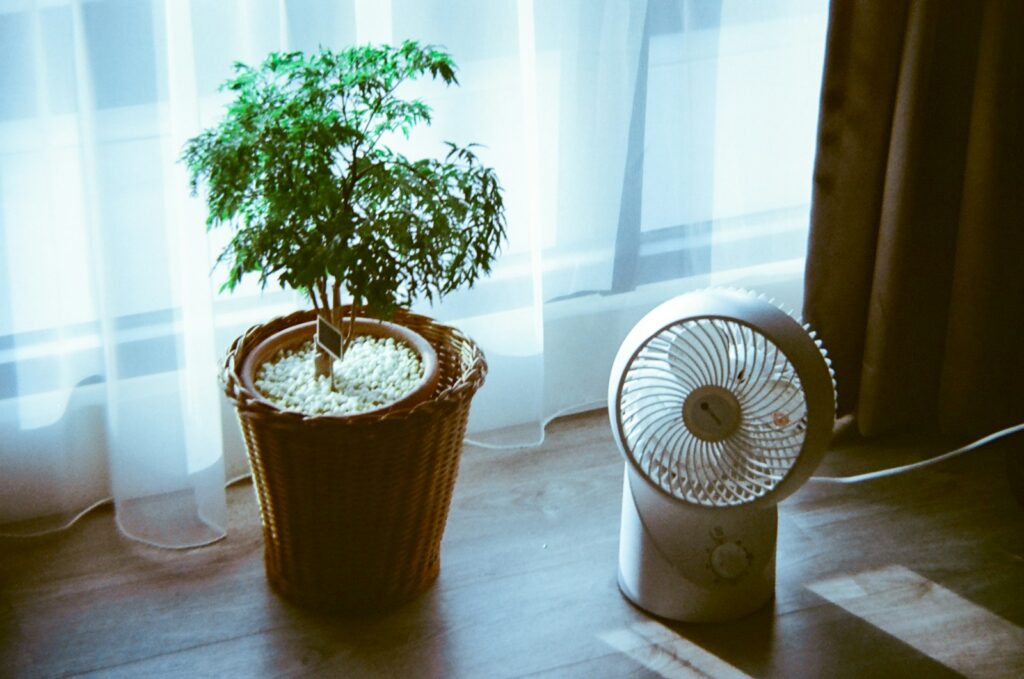
Some low-light plants are great at cleaning the air. Snake plants and peace lilies, for example, help filter out chemicals like formaldehyde and benzene.
Having these plants around can make your home feel fresher and healthier. This is especially helpful if you live in a city or your space doesn’t get much airflow.
Many low-light plants also add moisture to the air. This can be a relief during dry winter months.
Just by keeping a few of these plants nearby, you can breathe easier and enjoy a more comfortable home.
Creating a Cozy Atmosphere
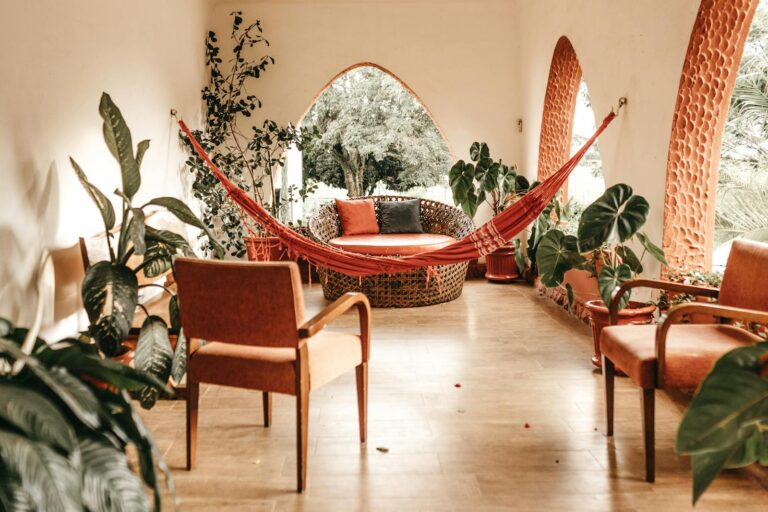
Ever walk into a room and feel like something is missing? Adding a few plants can instantly make any space feel warmer and more inviting.
Low-light plants such as dracaenas or pothos are perfect for those dim corners where nothing else seems to thrive. Their green leaves and unique shapes can soften hard edges and fill those awkward empty spots.
These touches of nature bring a sense of calm and peace to your home. Even better, having plants around has been shown to lift your mood and help you feel less stressed.