12 Signs Your Garden Needs More Nutrients
Ever feel like your garden just isn’t living up to its potential? Sometimes plants send out distress signals that are easy to overlook. Noticing these little hints can make all the difference in keeping your garden lush and lively.
Plants have their own way of letting you know when something’s off. Spotting these signs early means you can step in before things get worse.
Yellowing lower leaves signaling nitrogen deficiency!
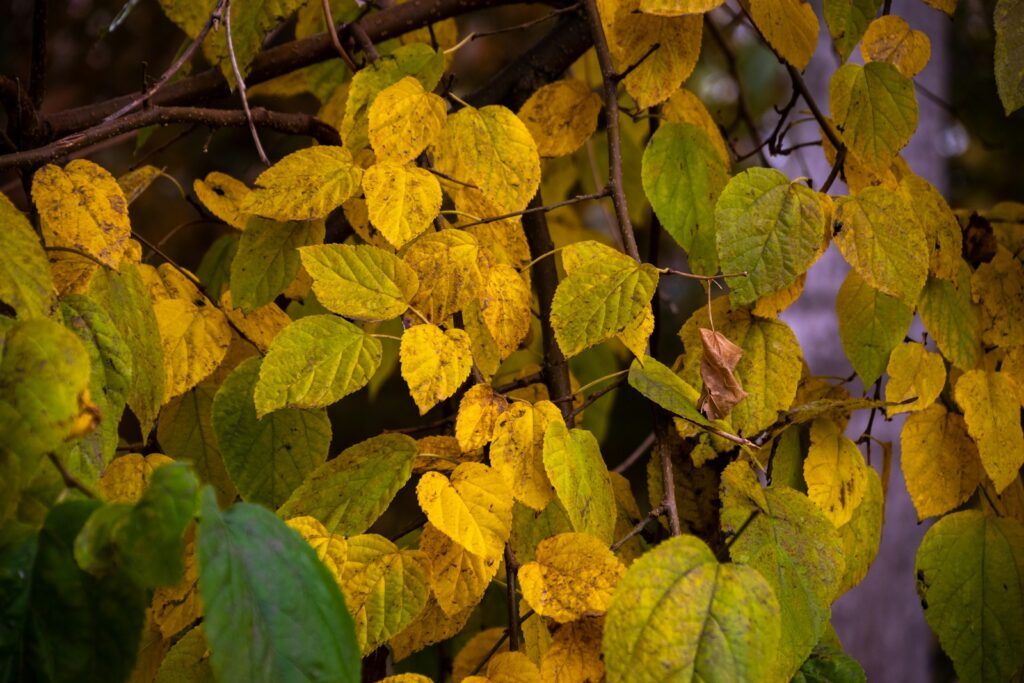
Have you noticed yellow leaves starting at the bottom of your plants? This is a strong clue that your garden is running low on nitrogen.
Nitrogen helps plants create chlorophyll, the pigment that keeps them green and thriving. When it’s missing, older leaves turn yellow first as the plant moves nitrogen to new growth.
This yellowing often comes with slow or stunted growth. Your plants might look tired or less full than usual.
You can boost nitrogen naturally by adding composted manure, alfalfa meal, or green mulch to your soil. These give your plants the energy to recover.
Slow or stunted growth despite watering
Plants that stay small or weak even with regular watering are trying to tell you something. Water alone isn’t enough for healthy growth.
Minerals like phosphorus and potassium are essential for strong roots and leaves. Missing nutrients can halt growth, making new leaves smaller or stopping growth altogether.
Even with good care, poor soil quality can limit root growth. Roots might not be able to absorb what they need, leaving your plants looking underfed.
Adding the right fertilizers or soil amendments can give your plants the boost they need. Watch for slow or stunted growth as a sign to take action.
Weak, thin stems that can’t support the plant
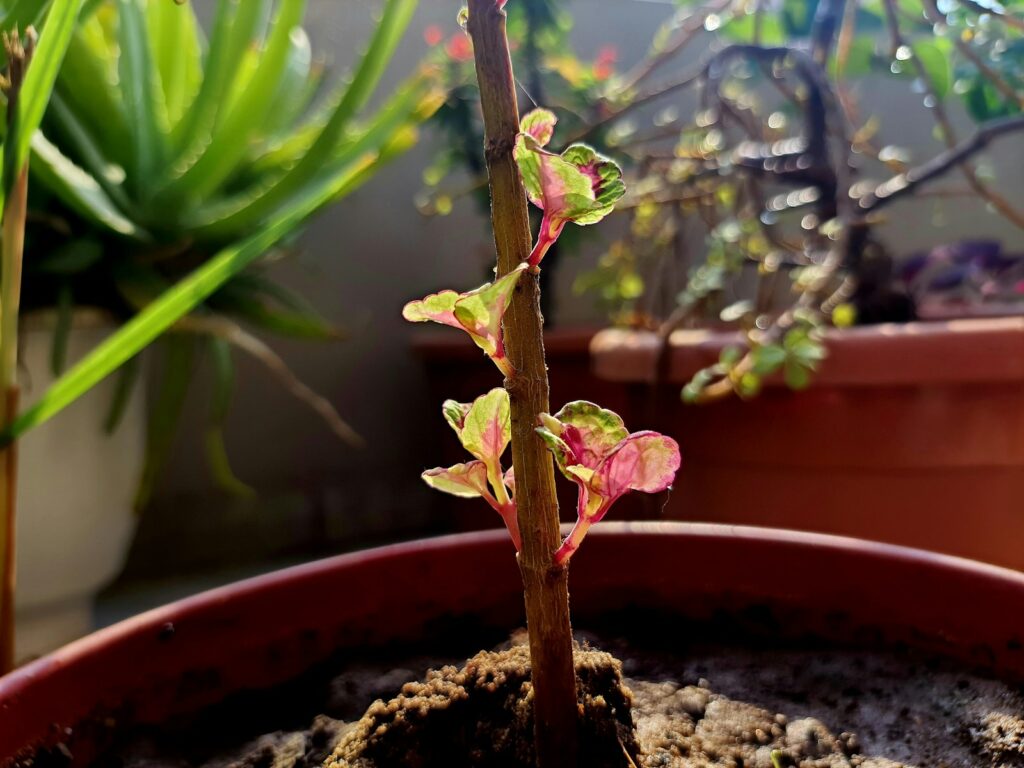
Are your plants drooping or falling over because their stems are too thin? This is a sign they might be missing important nutrients.
Calcium, potassium, and silica help build strong, sturdy stems. Without them, plants stay fragile and struggle to hold up their leaves or fruit.
Natural fertilizers can strengthen stems from the roots up. Make sure your plants also get enough sunlight and airflow to encourage toughness.
Sometimes, gently brushing or shaking your plants can help them grow sturdier stems. Weak stems are your cue to check what’s happening below the soil.
Poor or no flowering and fruiting action!
If your plants aren’t blooming or producing fruit, nutrients could be the missing piece. Flowering and fruiting take a lot of energy.
Phosphorus is key for flower production, while potassium helps fruits grow strong and healthy. You might see buds that never open or flowers that fall off too soon.
Soil quality matters here, plants need a balanced diet to put on a good show. A balanced fertilizer can help get things back on track.
Your garden will reward you with blooms and fruit once it gets what it needs.
Leaves with brown, crispy edges indicating potassium lack
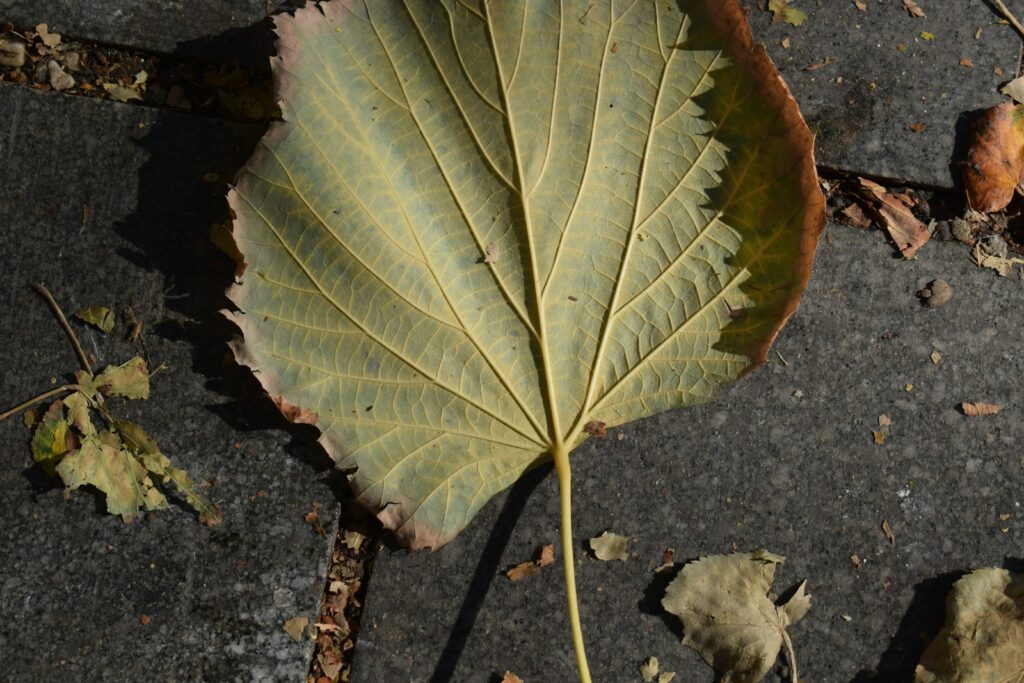
Have you seen leaves turning brown and crispy at the edges? This is often a sign of potassium deficiency.
Older leaves usually show yellowing with brown, dry edges first. Leaf tips might look scorched or start curling up.
Potassium helps plants fight off disease and produce better fruit and flowers. Newer leaves often stay green while older ones suffer.
A simple soil test can confirm if potassium is low. Fixing this early can help your plants bounce back and keep growing strong.
Leaves curling or showing purple tints—hello phosphorus shortage!
Curled leaves or purple tints are a red flag for phosphorus shortage. This nutrient helps plants create energy and grow strong.
Older leaves might turn purple or dark green, especially in cooler weather. Sometimes, the leaf edges or veins take on a purple shade while new growth stays pale.
Phosphorus also helps with root development. When it’s low, roots may grow shorter or spread out more in search of nutrients.
Adding bone meal or a balanced fertilizer can help your plants recover. Early action keeps your garden thriving.
Wilting plants even with moist soil, nutrient stress alert!
Wilting plants with moist soil can be confusing. This often means your plants are stressed from a lack of nutrients, not water.
Roots might not be able to absorb nutrients properly if the soil is compacted or damaged. You might also notice yellowing leaves or stunted growth.
Check for missing nutrients like nitrogen, potassium, or magnesium. Compost or a balanced fertilizer can restore soil health.
Watch how your garden responds after feeding, plants usually perk up quickly once they get what they need.
Pale new growth, contrasting older dark leaves
Spotting pale new leaves while older ones stay dark? This often points to a shortage of nitrogen or iron.
Plants use limited nutrients to support older leaves first, leaving new leaves looking light or yellow. The contrast makes it easy to spot.
Fertilizer or compost with nitrogen and iron can help new growth turn green again. Keep an eye out for improvement after feeding.
Healthy, green new leaves are a good sign your plants are getting back on track.
Spotty, blotchy leaf discoloration, nutrient imbalance recorded!
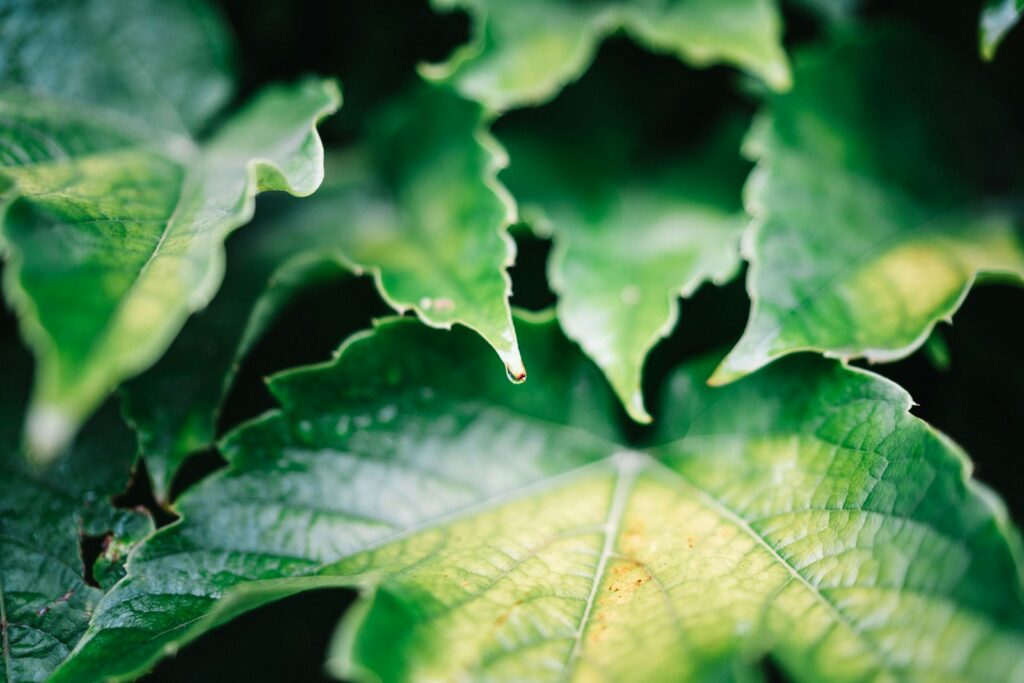
Leaves with spots or blotches are a sign your garden might be out of balance. Uneven colors usually mean your plants are missing key nutrients.
Dark veins with yellow areas can point to magnesium or iron deficiency. Brown or tan spots with dark edges show your plant’s defenses are down.
Spotty discoloration is an early warning. Adjust your feeding schedule or soil conditions to help your plants recover.
Vibrant, even leaves are a sign your garden is getting what it needs.
Leaf drop happening earlier than usual
Leaves falling off before their usual season is a sign your plants are stressed and hungry. Early leaf drop often means the soil is lacking nutrients.
Plants shed leaves to save energy when they can’t get enough food. This is especially common in nutrient-loving plants like gardenias.
Yellowing leaves right before they fall show your plants need elements like nitrogen. The right fertilizer can help stop early leaf drop.
Keep an eye on sudden leaf loss after stressful events like moving plants or cold snaps. Feeding them properly helps them recover faster.
Sparse foliage with fewer leaves overall
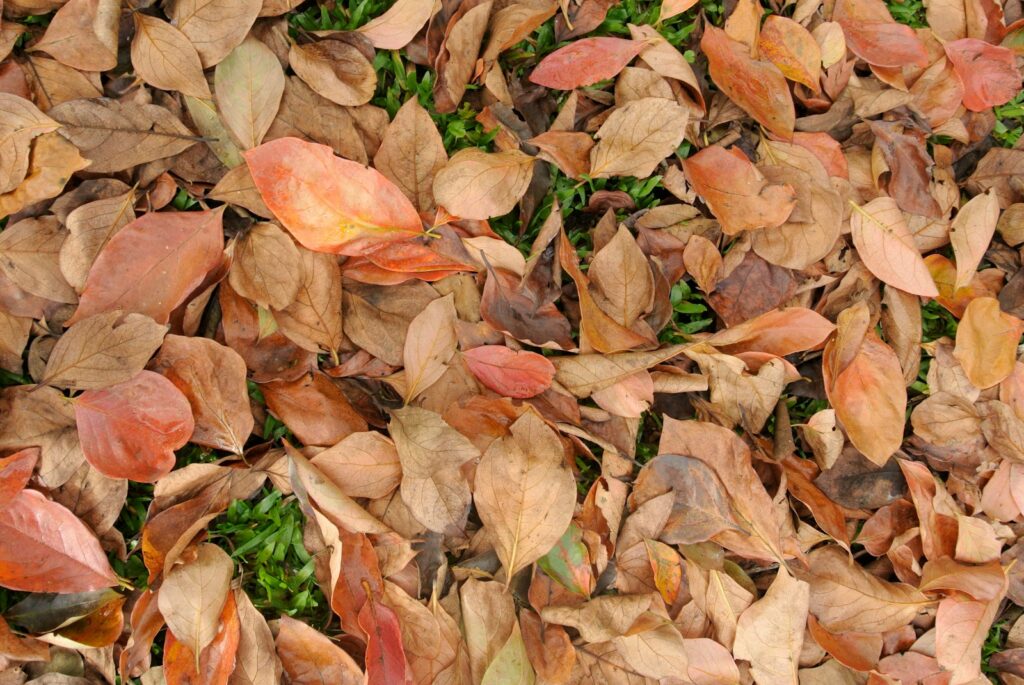
Does your garden look bare or have fewer leaves than usual? Sparse foliage means your plants aren’t getting enough nutrients.
Leaves are vital for catching sunlight and making food. Without enough, your plants can’t grow well.
Small or thin leaves are another sign of nutrient shortages. Adding nitrogen-rich fertilizer can help your plants fill out again.
Watch for changes in leaf count to know when your garden needs a nutritional boost.
Plants leaning or stretching toward light (etiolation) due to weakness
If you see your plants leaning or stretching toward light, they might be struggling with more than just low light. Lack of nutrients can make stems and leaves weak.
When plants don’t get what they need, they grow tall and thin, with bigger gaps between leaves. This weak growth makes them more likely to bend or fall over.
Providing extra fertilizer and better lighting can help your plants grow sturdy and strong. Early fixes lead to healthier, fuller plants.
Why Nutrients Matter for a Thriving Garden

The secret to a thriving garden often lies beneath the surface. Nutrients in the soil are the foundation for strong plants and vibrant growth.
Plants need nitrogen for healthy leaves, phosphorus for roots and flowers, and potassium for strength and disease resistance. Smaller amounts of calcium, magnesium, and sulfur also help with cell structure and energy.
When soil is missing nutrients, plants show it through yellow leaves, purple edges, or weak stems. These issues can also make them more vulnerable to pests and diseases.
How to Rejuvenate Nutrient-Deficient Soil
Reviving poor soil means adding the right materials and choosing fertilizers that fit your garden’s needs. This helps your plants recover and grow strong, turning problems like stunted growth and yellow leaves into healthy, lush foliage.
Soil Amendment Strategies
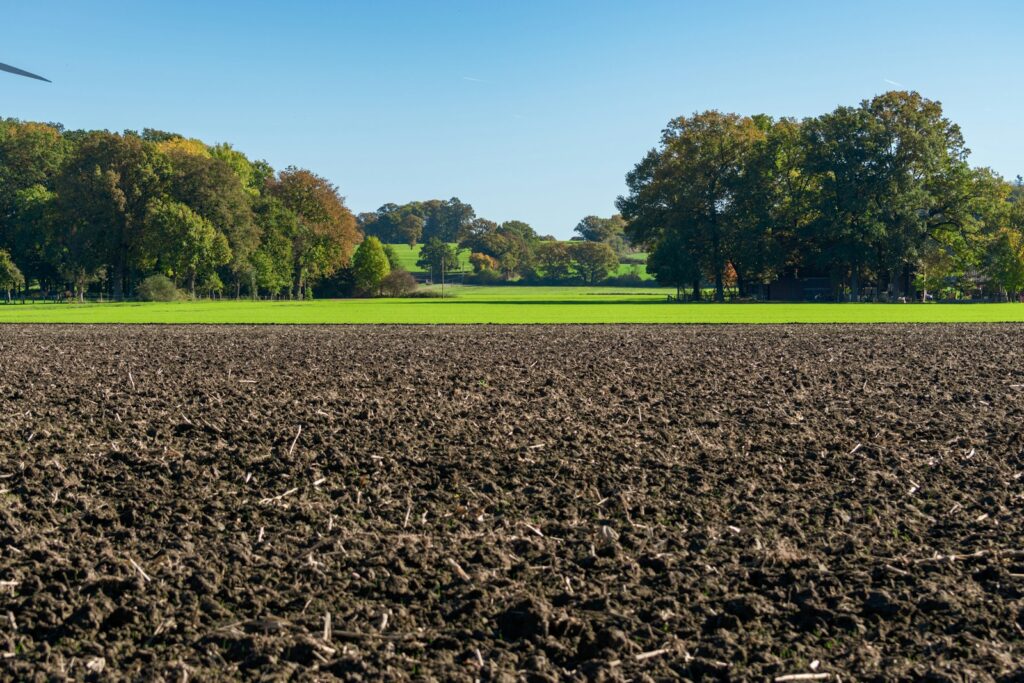
Healthy soil is the foundation for a thriving garden, but not every yard starts out perfect. If your plants seem sluggish or the ground feels hard, there are simple ways to improve things.
Try adding organic matter like compost, aged manure, or leaf mold. These materials can boost the soil’s texture and increase the nutrients available for your plants.
Organic matter also helps your soil hold onto water and air, giving roots what they need to grow strong. If your soil feels packed down or the pH is off, you might want to mix in soil conditioners such as gypsum or lime.
These additions can loosen up hard ground and adjust the pH, making it easier for nutrients to reach your plants. Mulching with straw or grass clippings is another easy step.
Mulch protects the soil surface and, as it breaks down, slowly adds more nutrients. Rotating your crops each season can help prevent the soil from running out of key nutrients and supports a healthier garden ecosystem.
Selecting the Right Fertilizers
Ever wondered why your plants just aren’t thriving, even though you water them and give them plenty of sunlight? Sometimes, the missing piece is all about what’s happening beneath the surface.
A soil test helps you figure out exactly which nutrients your soil is lacking. Once you have those results, you can choose fertilizers that provide the specific elements your garden needs, like nitrogen, phosphorus, or potassium.
If your soil is missing all three major nutrients, using a balanced NPK fertilizer can make a big difference. For soils that are only low in one nutrient, like nitrogen, pick a fertilizer that is rich in that element, such as blood meal or fish emulsion.
Slow-release or organic fertilizers are great options because they feed your plants gradually. Always follow the package instructions so you don’t accidentally give your plants too much and harm them.