12 Unexpected Things That Attract Pests to Your Garden
Anyone who spends time in the garden knows the frustration of finding plants nibbled or leaves dotted with bugs. Sometimes, it feels like pests show up out of nowhere, but often, it’s the little things we overlook that make our yards so appealing to them.
Small habits or features you might not think twice about can actually be rolling out the welcome mat for unwanted visitors.
Overwatering leading to damp soil
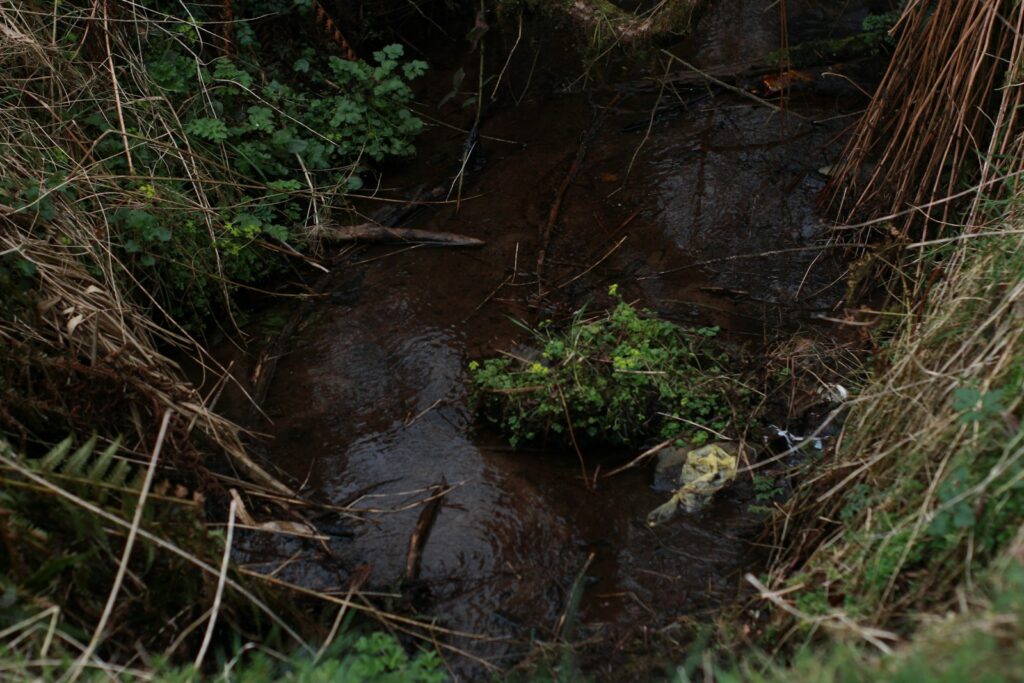
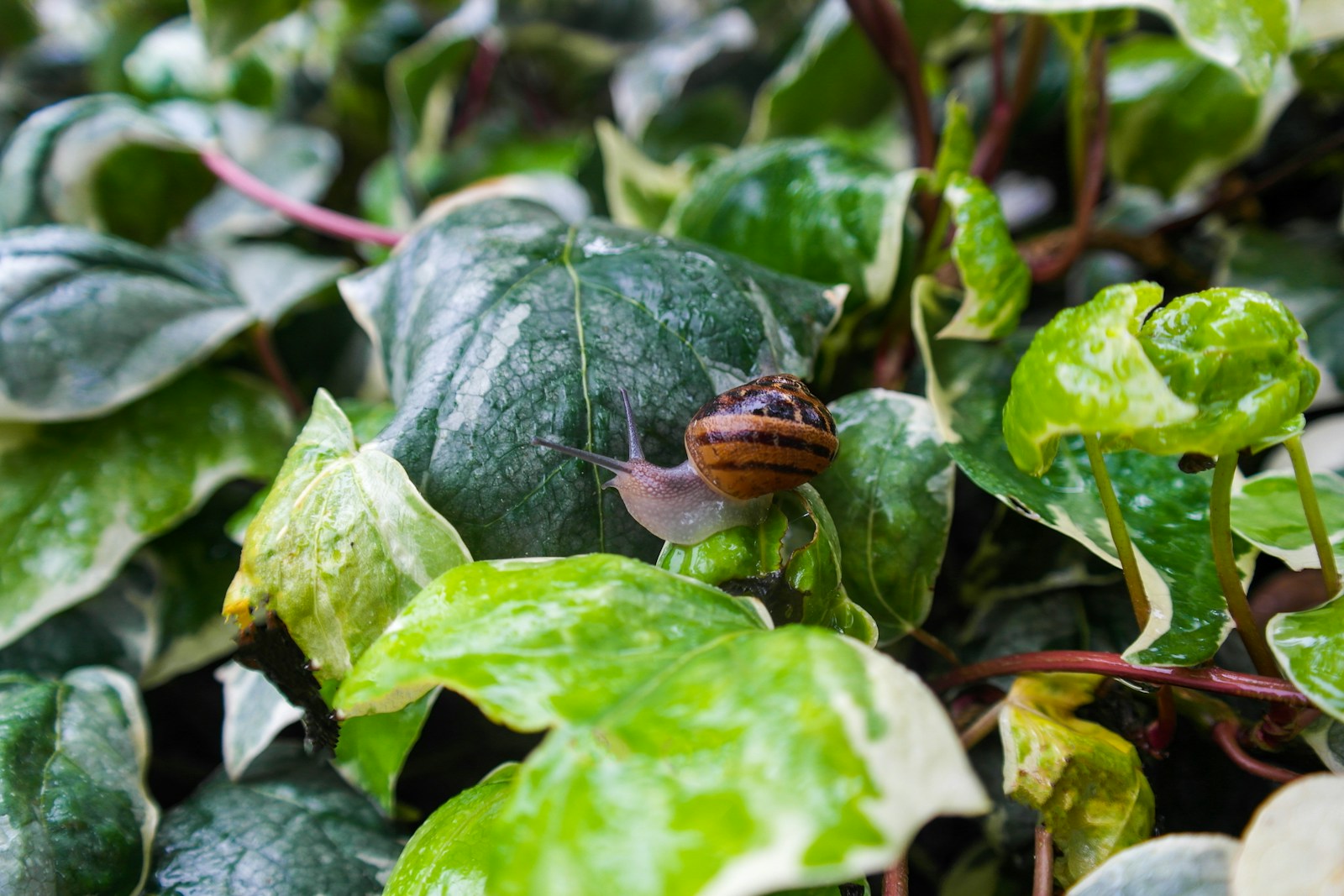
Giving your garden a good soak might seem helpful, but too much water can leave soil damp for too long. This moist environment is exactly what pests like fungus gnats, slugs, and mosquitoes are looking for.
Roots sitting in soggy soil can start to rot, making plants weaker and more vulnerable to pest problems. The signs of overwatering can be sneaky, so it’s easy to mistake it for other issues.
Try watering early in the morning so the soil has time to dry out during the day. Well-draining soil or raised beds can also help keep excess moisture from sticking around.
Standing water in birdbaths
A birdbath can bring charm and life to your garden, but standing water is a magnet for mosquitoes. They use still water to lay their eggs, which means more pests buzzing around your space.
Other critters like raccoons or squirrels might also stop by for a drink, bringing more wildlife than you bargained for. Even roaches and snakes can be drawn to the easy water source.
Keep your birdbath fresh by changing the water regularly and giving it a quick scrub. Adding a fountain or a few stones can keep the water moving and less inviting for bugs.
Cracked garden statues harboring ants
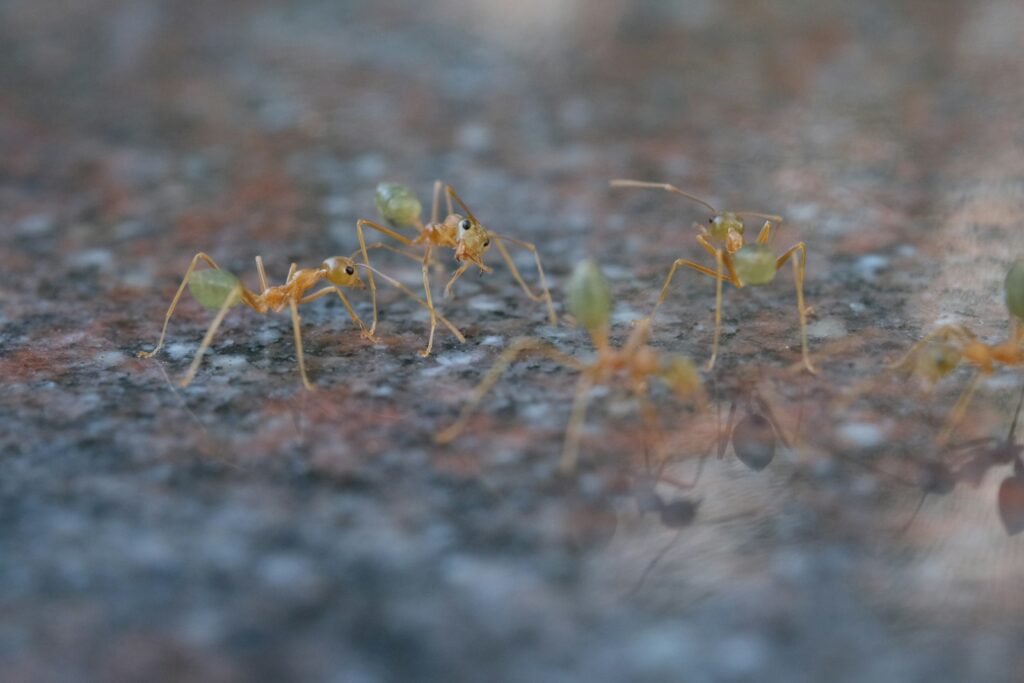
Decorative statues add personality to a garden, but cracks or holes can quickly become ant condos. Ants love the safety and shelter these small spaces provide.
Moisture often collects in the cracks, making them even more attractive to ants looking for a cool, protected spot. Without regular checks, you might not even realize your garden art is hosting a colony.
Seal up any cracks with weatherproof filler or paint to keep ants from moving in. A little maintenance goes a long way in keeping your decorations pest-free.
Mulch piles creating hiding spots
Mulch is great for keeping soil healthy, but thick or soggy mulch can be a haven for pests like termites, ants, and mice. The warmth and moisture are just what they need to settle in.
Piling mulch against tree trunks or house walls can make it even easier for pests to get close to your home. Keep mulch a few inches deep and away from buildings to reduce the risk.
Managing your mulch carefully lets you enjoy its benefits without creating a pest playground.
Dense yard debris attracting bugs
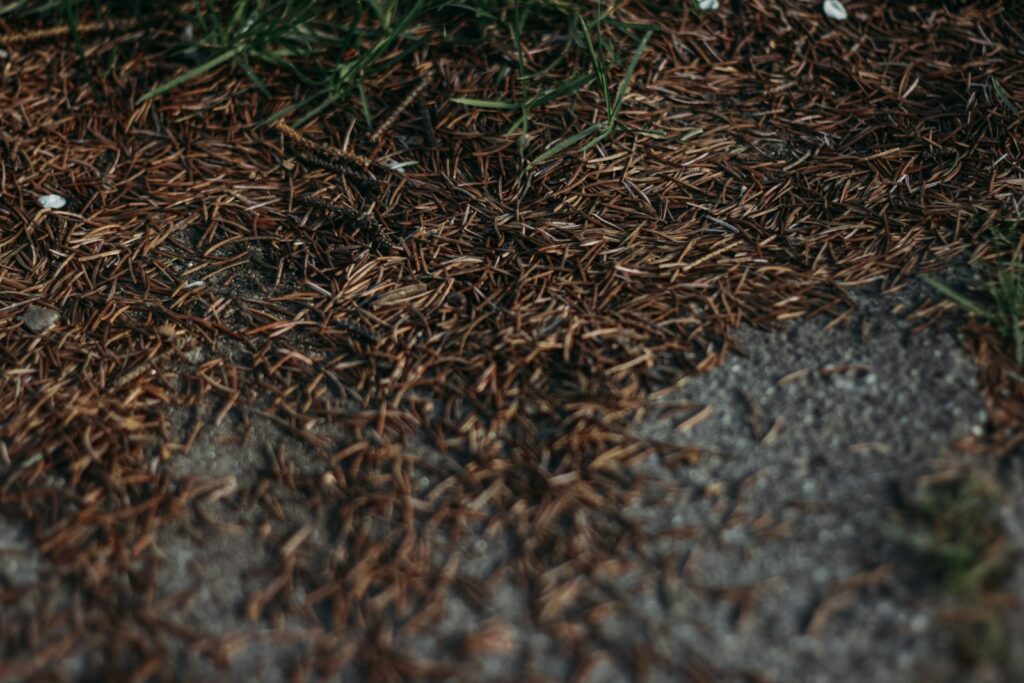
Letting leaves and grass clippings pile up can turn your garden into a cozy hideout for bugs and even rodents. Dense debris offers shelter from weather and predators, making it a prime spot for pests to settle in.
A messy yard can lead to more than just unsightly piles, it can bring pests closer to your home and garden beds. Regular raking or composting helps keep things tidy and less attractive to bugs.
Try to keep thick piles of debris away from your plants and house to avoid giving pests an easy path inside.
Certain flowers like marigolds attracting aphids
Marigolds are often seen as a pest deterrent, but they can actually attract aphids. These tiny insects feed on the sap and can cause leaves to curl or look misshapen.
Luckily, marigolds also attract helpful bugs like ladybugs that eat aphids. Planting herbs like mint nearby or gently spraying your marigolds with water can help keep aphid numbers down.
Keep an eye on your flowers so you can catch any problems early.
Fruit trees with fallen fruit inviting pests

Leaving fallen fruit on the ground is an open invitation for pests like fruit flies, ants, and rodents. The smell of overripe or rotting fruit is hard for them to resist.
Even a few pieces can quickly attract a crowd, making it easier for pests to spread to healthy fruit or other plants. Picking up fallen fruit regularly keeps your garden cleaner and less appealing to unwanted visitors.
A quick sweep under your trees, especially during harvest time, can save you bigger headaches later.
Lavender attracting unwanted insects unexpectedly
Lavender is known for its lovely scent and ability to keep some pests away, but it can also draw in insects you might not expect. Whiteflies, spider mites, and fruit flies sometimes find lavender appealing.
Some bugs use lavender for shelter or food, and you might spot mealybugs or fungus gnats if you aren’t keeping an eye out. At the same time, lavender attracts beneficial insects like bees and ladybugs.
Pruning and checking your lavender regularly helps keep pests from settling in.
Succulents attracting mealybugs
Succulents are popular for their low maintenance, but mealybugs can be a problem. These tiny, white, cottony bugs love the sweet sap inside succulent leaves.
You might notice a sticky residue or a white powdery coating, both signs that mealybugs are feeding. Healthy succulents are less likely to attract pests, so avoid overwatering and keep your plants clean.
A dab of rubbing alcohol or a gentle natural spray can help get rid of mealybugs.
Climbing vines providing pest shelter
Climbing vines can turn a plain fence or wall into a lush green backdrop, but they also give pests plenty of places to hide. Dense growth creates shade and moisture, which some bugs and even small rodents love.
Vines like passionflower or Dutchman’s pipe can become hotspots for aphids, spider mites, and other pests. When vines are close to other plants, pests can easily move from one to the next.
Keep vines trimmed and well-ventilated to make it harder for pests to settle in.
Outdoor garden decorations trapping moisture
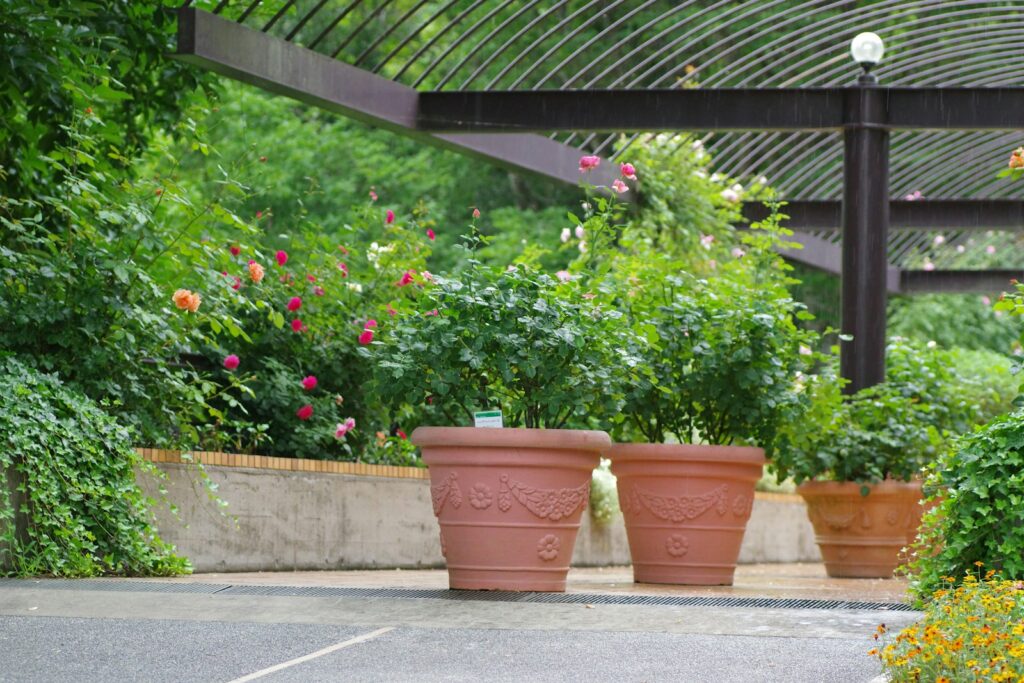
Garden decorations like birdbaths, fountains, or hollow statues often collect water after rain or watering. Even small puddles inside flower pots or ornaments can attract mosquitoes and other insects.
Cracked pottery and rough surfaces can also hold water, leading to moss or algae growth and more pests. Check your decorations often and empty out any standing water.
Moving some items out of direct rain or giving them a quick clean can make a big difference.
Companion plants like nasturtiums luring aphids
Nasturtiums are often used as trap crops, drawing aphids away from your important veggies and flowers. While it sounds risky, this strategy can actually protect your favorite plants.
Aphids cluster on nasturtiums, leaving your main crops alone. Nasturtiums also attract helpful insects like ladybugs and predatory wasps that eat aphids.
Keep an eye on how nasturtiums spread so they don’t crowd out your other plants.
Understanding Pest Attraction in Gardens
Pests are always on the lookout for easy food, water, and shelter. Every garden has its own signals that can make it more or less appealing to bugs and critters.
How Pests Find Their Way Into Gardens

Insects use their senses to track down what they need. The smell of stressed or tender plants draws in pests like aphids, while standing water gives mosquitoes a place to lay eggs.
Cracks in decorations or thick, overgrown plants create perfect hiding spots. Simple habits, like cleaning up water dishes or trimming bushes, can make your garden less inviting to pests.
Environmental Factors That Encourage Pests
No one wants to see their hard work in the garden ruined by pests. Sometimes, the way we care for our gardens can accidentally make things easier for them.
Overwatering keeps soil too moist, which invites fungi, slugs, and snails. Thick bushes and tall grass make perfect hiding spots for rodents and insects.
Leaving fallen leaves or plant debris around can turn into food and shelter for pest larvae. Warm, humid weather makes it even easier for pests to multiply.
Here are some things that help pests feel at home:
- Stagnant water sources
- Overgrown or dense vegetation
- Cracks in garden ornaments or structures
- Excess plant debris and leaf litter
- Warm, moist conditions
Long-Term Strategies for Preventing Pest Problems
Dealing with pests is not a one-time fix. It takes a bit of ongoing attention to keep your plants safe.
Changing up your garden care and using natural pest blockers can keep problems from getting out of hand. A little effort now can save you stress later.
Adapting Garden Habits Over Time

Your garden changes with each season, so your approach to pest control should too. Adjust how you prune, water, and plant to keep pests guessing.
Trim plants regularly to stop bugs from hiding in thick leaves. Water early in the morning so leaves dry out fast and pests have less to feed on.
Rotate your crops each year to confuse pests that stick around in the soil. Pull weeds and avoid piling mulch near the house since some pests use these as shelters.
Small changes in your daily garden routine can make a big difference over time. Keeping an eye on these details helps your garden stay healthy and pest-free.
Eco-Friendly Pest Deterrents
Worried about pests taking over your garden? There are simple, natural ways to keep them away without resorting to harsh chemicals.
Planting herbs like basil or marigolds can help by confusing pests or blocking their scent. These plants not only look great but also work hard to protect your space.
Attracting helpful insects, such as ladybugs and lacewings, is another great strategy. These friendly bugs love to snack on the pests that threaten your plants.
Homemade sprays made from garlic or neem oil offer a gentle way to deter unwanted visitors. They are easy to make and safe for your family and pets.
Setting up barriers like row covers can physically keep insects from reaching your plants. With a mix of these approaches, you can enjoy a thriving and healthy garden all season long.