12 Winter Garden Prep Tasks That Pay Off in Spring
When winter rolls around, it’s tempting to take a break from the garden. But there are a few easy things you can do now that will make spring gardening so much easier.
If you’re tired of scrambling when the weather gets warm, these winter prep tasks are for you. With a little effort now, you’ll set yourself up for a backyard full of blooms and fresh veggies.
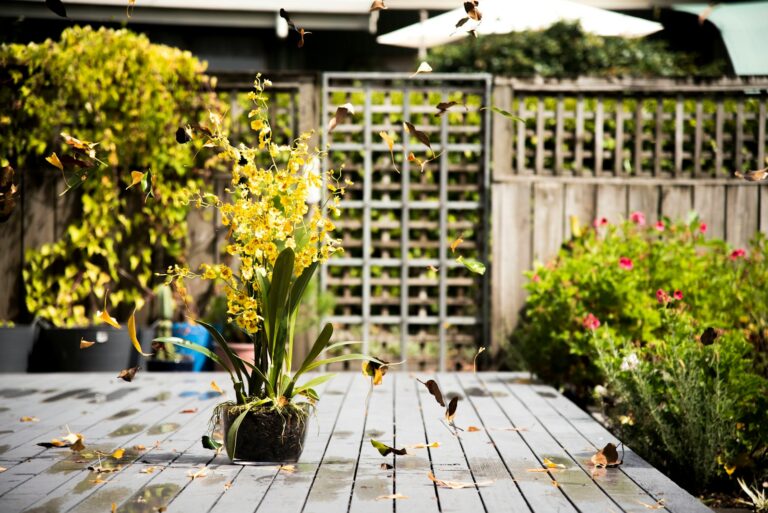
Compost fallen leaves and garden waste to enrich soil nutrients
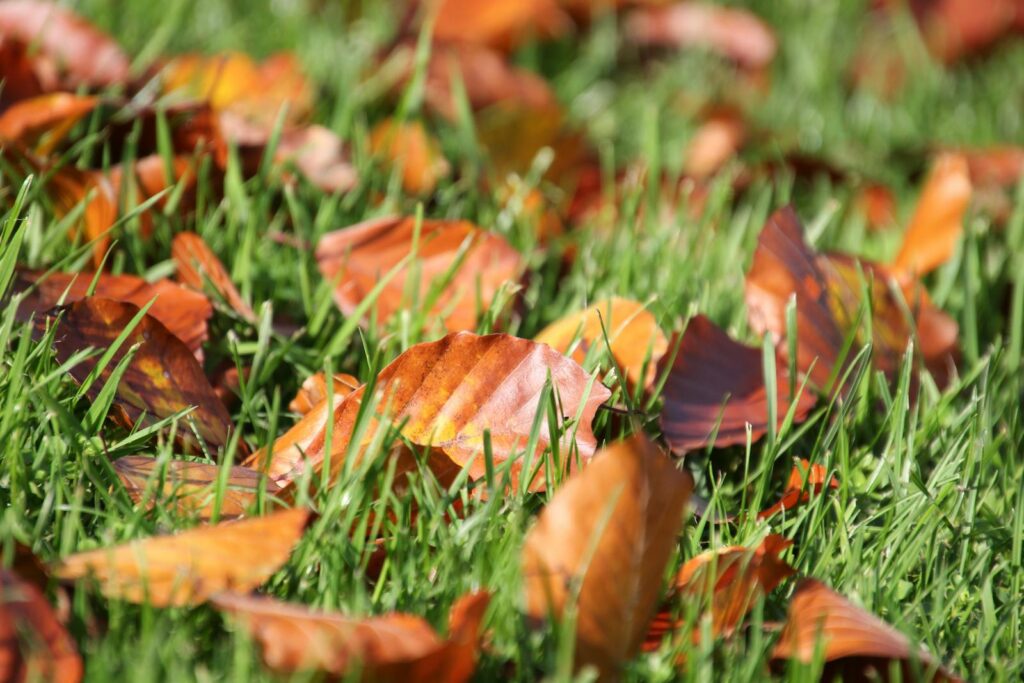
Turn those fallen leaves and leftover garden scraps into compost to feed your soil. Leaves are packed with carbon and break down quickly in a compost pile.
Mix leaves with green waste like veggie peels or grass clippings to balance the pile. Keep it moist but not soggy and turn it every week or two for good airflow.
By spring, you’ll have nutrient-rich compost ready to boost your plants. Composting also loosens heavy soil and helps sandy soil hold water better.
It’s a simple way to recycle and get free fertilizer while keeping your garden healthy.
Add a thick layer of mulch around perennials for insulation
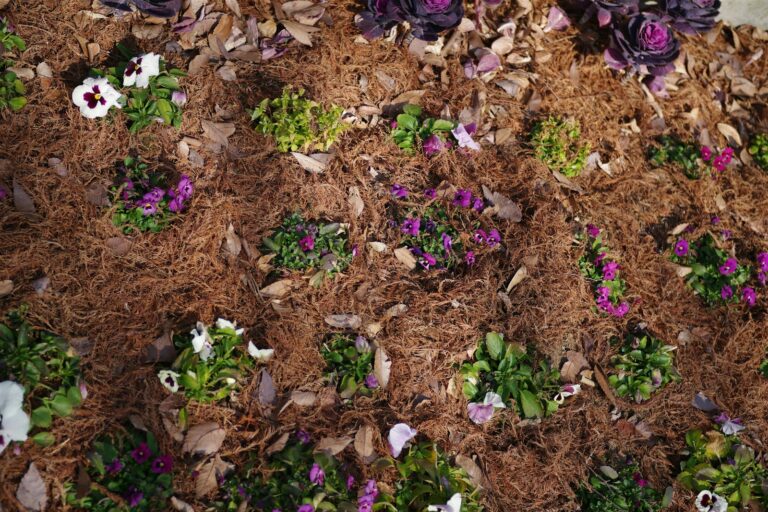
Give your perennials a cozy winter by adding a thick layer of mulch, about 3 to 6 inches deep. This helps keep the soil temperature steady and protects roots from freezing.
Mulch also locks in moisture and keeps the ground from freezing solid. Just don’t pile it right against the stems to avoid rot.
Spread mulch evenly around the base of each plant. Straw, shredded leaves, or bark mulch all work well for this.
Adding more mulch after the first frost gives extra protection when it gets really cold.
Prune dormant fruit trees to promote healthy spring growth

Winter is the best time to prune fruit trees since you can see their structure clearly. Remove dead or crowded branches to let in more sunlight and air.
Pruning now helps your trees focus energy on new growth in spring. You’ll get bigger, healthier fruit because the branches won’t be fighting for space.
Use sharp pruning tools and cut just above a healthy bud at a slight angle. Don’t worry if your trees look a bit bare, this sets them up for a productive season.
Skipping winter pruning can lead to dense growth and smaller fruit, so it’s worth the effort.
Plant cold-hardy vegetables like kale and Brussels sprouts
Get a jump on fresh veggies by planting cold-hardy crops like kale and Brussels sprouts. These plants actually taste sweeter after a frost and keep growing when most others are done.
Kale is especially tough and keeps producing leaves in chilly weather. Brussels sprouts take longer to mature but handle the cold like champs.
Start seeds indoors about 6 to 8 weeks before the last frost for the best results. When you move them outside, let them adjust to the cold slowly.
This head start means fresh greens from your garden even before spring fully arrives.
Cover garden beds with crop covers to protect soil and retain moisture
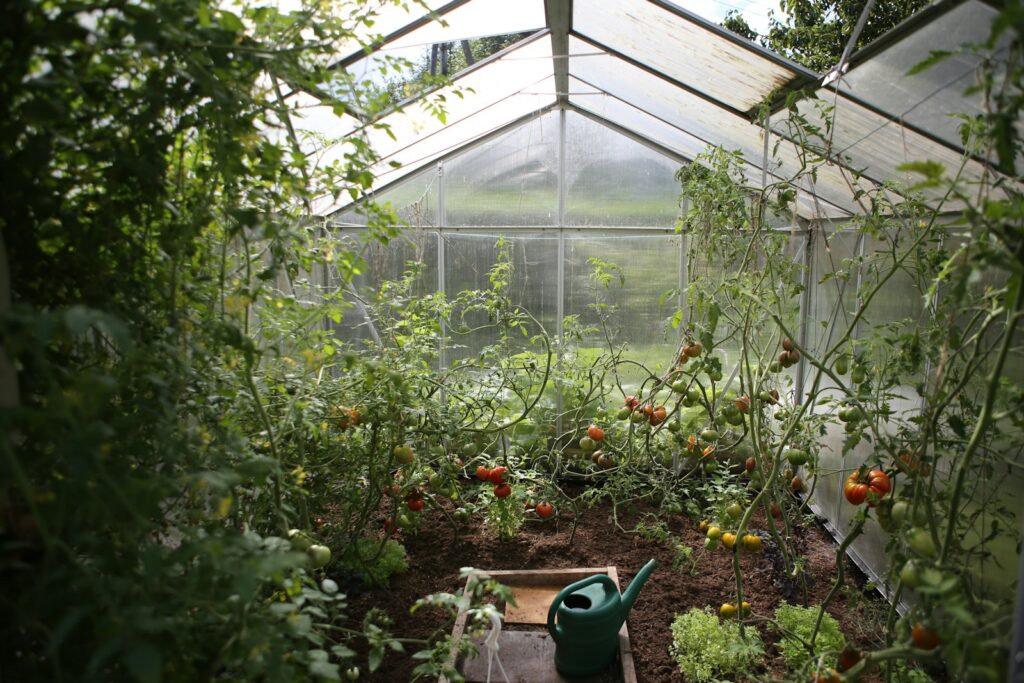
Covering your garden beds with crop covers during winter helps protect the soil from harsh weather. These covers act like a blanket, keeping moisture in and stopping erosion.
Planting cover crops like clover or rye adds nutrients as they break down. If you prefer, use organic mulch like straw or shredded leaves for an easy fix.
Raised beds benefit especially from covers since they dry out and warm up faster. Your soil will be healthier and ready for planting when spring comes.
This small step now saves you time and effort later.
Sharpen and oil gardening tools for peak performance
There’s nothing more frustrating than dull or rusty tools when you’re ready to dig in. Take a little time in winter to clean, sharpen, and oil your garden tools.
Clean off dirt and rust first, then use a file or sharpening stone to restore the edges. Focus on keeping the original blade angle.
After sharpening, oil the metal parts to prevent rust and keep them moving smoothly. Store tools in a dry place so they’re ready to go when you need them.
A little maintenance now means less hassle and better results in the garden later.
Start planning and ordering spring seeds early to get ahead

Winter is the perfect time to dream about what you want to grow next season. Flip through seed catalogs and make a list of your favorites before they sell out.
Ordering seeds early takes the stress out of spring and gives you access to new or rare varieties. Seed companies often offer winter sales, so you might even save some money.
Having your seeds on hand makes it easy to start seedlings indoors or direct sow as soon as the weather warms.
Planning now means you’ll be ready to hit the ground running when spring arrives.
Apply leaf mulch to improve soil structure over winter
Shredded leaves make a fantastic mulch for your garden beds. Spread a layer 2 to 4 inches thick over the soil to protect it from winter weather.
Leaf mulch keeps moisture in and insulates roots from freezing temperatures. Over time, it breaks down and adds valuable nutrients to the soil.
Keep the mulch a bit away from plant stems to prevent rot. This simple step sets your garden up for healthier plants in spring.
It’s an easy way to make the most of what’s already falling in your yard.
Deep-water established shrubs before ground freezes
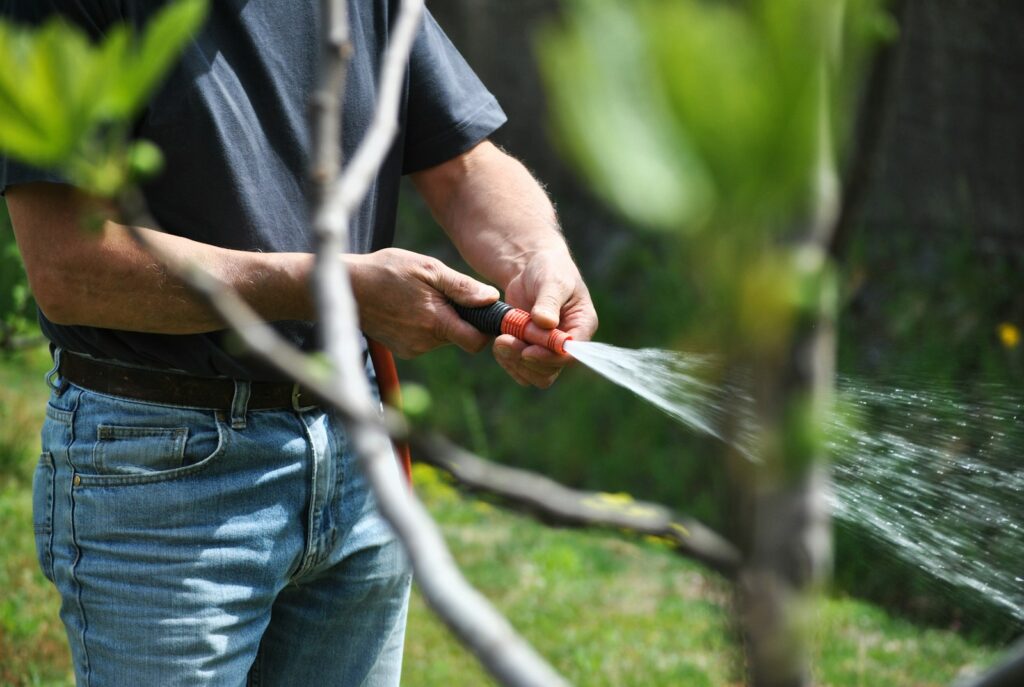
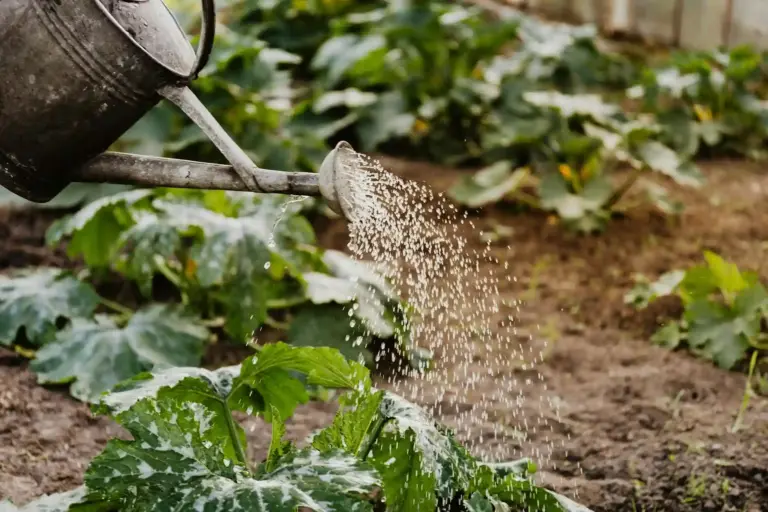
Give your shrubs a deep drink before the ground freezes solid. Water slowly so the moisture reaches about 12 inches deep around the roots.
Moist soil helps shrubs store enough water to survive the winter. If fall has been dry, this step is especially important.
Watering deeply now prevents winter stress and gives your shrubs a strong start in spring. You’ll notice the difference when they leaf out and bloom.
A little extra care makes a big impact on your garden’s health.
Divide and transplant overcrowded spring bulbs
If your spring bulbs seem crowded or aren’t blooming well, dig them up before winter sets in. Separate the clusters into smaller groups or individual bulbs.
Check for any that are soft or rotten and discard those. Healthy bulbs can be replanted at the right depth or moved to new spots in your garden.
Dividing bulbs gives them more space and helps them bloom better next year. You can also share extras with friends or fill in bare spots.
This quick task pays off with a garden full of colorful flowers in spring.
Set up cold frames for starting seedlings indoors
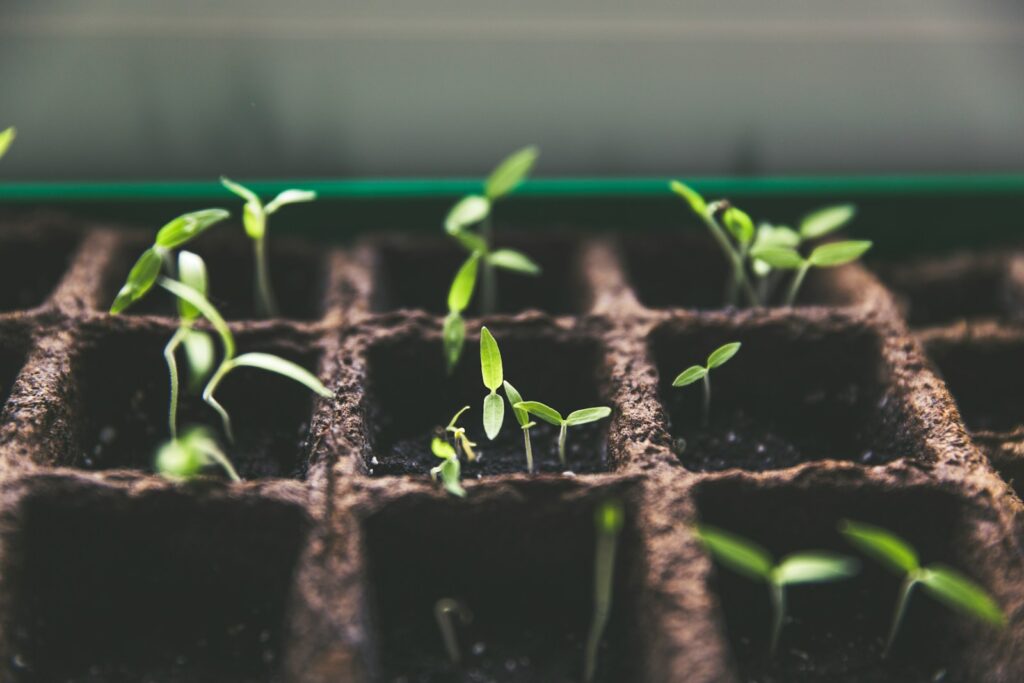
Cold frames are a great way to start seedlings early without a greenhouse. These simple structures trap sunlight and warmth, creating a cozy spot for young plants.
Use a cold frame to start seeds for tomatoes, peppers, or herbs a few weeks before it’s warm enough outside. They also protect plants from frost and chilly winds.
You can build a cold frame with a clear lid or buy one ready-made. Just check for cracks to keep the warmth inside.
With a cold frame, you can stretch your growing season and enjoy fresh greens longer.
Clear out dead plant debris to reduce pests and diseases
Don’t let dead plants and old stems linger in your garden beds. They can harbor pests and disease-causing fungi over winter.
Clearing out debris makes space for new compost or mulch and helps your soil stay healthy. It also gives your garden a tidy look before the new season.
Be sure to toss any diseased plants instead of composting them. Healthy remains can go in your compost pile.
A quick cleanup now means fewer problems and more time to enjoy your garden in spring.
How Soil Health Impacts Spring Growth
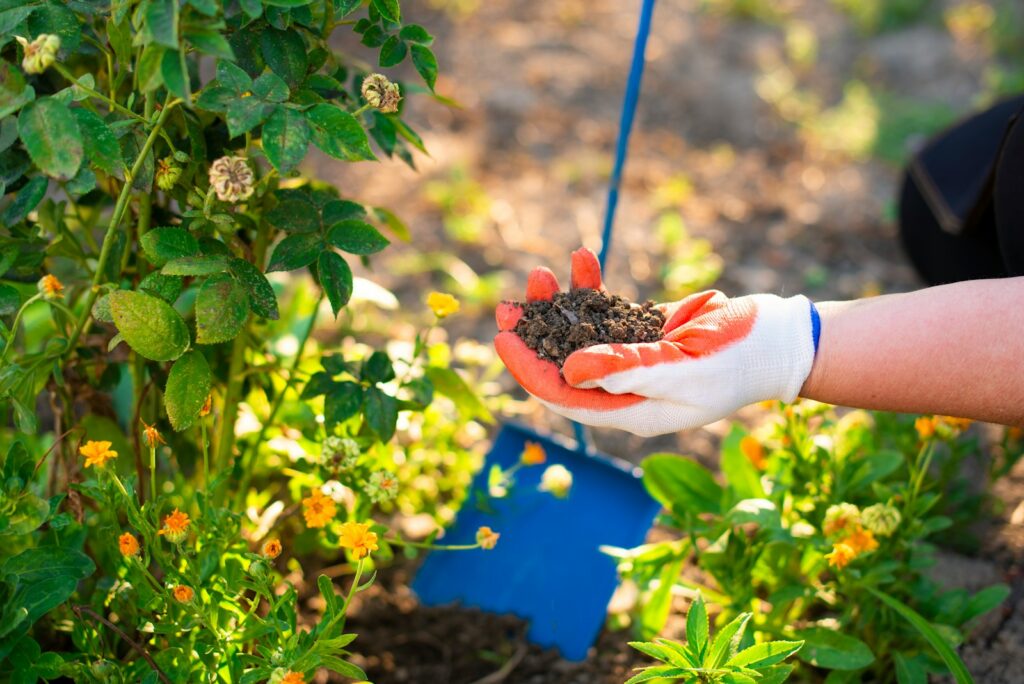
Ever wonder why some gardens seem to explode with life as soon as spring hits? The secret often lies in what’s happening beneath your feet.
Your soil is alive with tiny organisms that keep it healthy. In winter, these microbes slow down, but good soil prep helps them bounce back quickly when spring arrives.
Adding mulch protects soil from freezing and thawing cycles. This helps prevent damage to soil structure.
Compost or organic matter added before winter feeds these microbes. It also improves nutrient flow and water retention.
Well-prepared soil warms up faster in spring. This gives your seeds and plants the best start.
Avoid compacting soil during winter prep, as this can limit oxygen and water movement. Instead, focus on loosening and enriching your soil now, so it supports strong root growth later.
Microclimates and Their Role in Winter Prep
Every garden has little pockets where temperature and sunlight feel different. These small changes can make a big difference when winter rolls in.
A sunny spot near a south-facing wall usually stays warmer. You might notice that certain vegetables do better there when the weather gets cold.
Mulch or row covers can work in different ways depending on where you use them. Some areas might need a thicker layer, while other corners of your yard stay mild enough with less effort.
Figuring out where these microclimates are in your garden helps you protect the plants that need it most. It feels good to know you’re giving every part of your garden the best chance to bounce back in spring.