7 Affordable Plants That Look Like High-End Landscaping
Ever look at those magazine-worthy gardens and wonder how you could get the same look without spending a fortune? The secret is picking plants that naturally look lush and elegant. You can easily boost your yard’s style and charm with the right choices, even if you’re on a budget.
Whether you’re hoping for bold colors, easy care, or just something that feels a little more special, there are plenty of options out there. These plants can turn any outdoor space into a place you’ll want to relax and show off.
Boxwood Shrubs for Classic Structure and Elegance
Boxwood shrubs bring a classic vibe to your yard and don’t break the bank. Their evergreen leaves stay green all year, adding a sense of order and structure.
You can shape them into neat borders or let them grow into soft curves. Boxwoods fit right in with both modern and traditional gardens, so they’re super versatile.
Once you plant them, boxwoods need very little attention. They’re perfect if you want something that looks polished without a lot of work.
Peonies for Timeless, Lush Blooms
Peonies are a favorite for their big, showy flowers that always feel elegant. Their soft petals and rich colors catch the eye and never go out of style.
They might take a little time to get established, but once they do, peonies bloom beautifully year after year. You can use them as a focal point or mix them with other plants for a layered look.
Some types, like the Itoh peony, even change color as they bloom, adding extra interest. You get all that drama without the high price tag.
Dwarf Alberta Spruce for Year-Round Charm
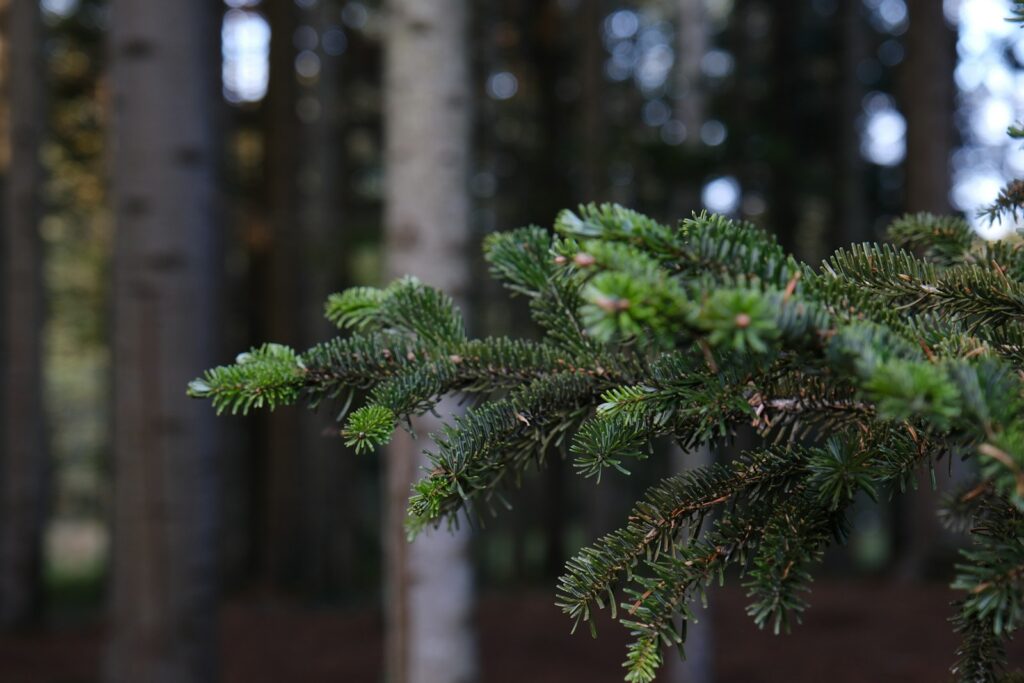
Dwarf Alberta Spruce is a small evergreen that keeps its bright green color through every season. Its tidy, cone shape gives any garden a crisp, clean look.
It grows slowly, so you don’t have to worry about it taking over your space. You can plant one in a pot for your patio or line several up for a natural-looking fence.
Caring for this plant is simple. Just keep the soil moist, give it some sun, and trim lightly if needed.
Japanese Maple for Dramatic Foliage
Japanese maples are perfect if you want leaves that change with the seasons. Their colors shift from green to vibrant reds, oranges, and purples, making your yard pop in the fall.
There are many shapes and sizes to choose from, so you can find one that fits your space. Their unique leaves add texture and keep things interesting.
They grow best in zones 5 to 8 and love a sunny spot. Pair them with ferns or hostas for a layered, expensive-looking garden.
Lavender for Fragrant and Colorful Borders
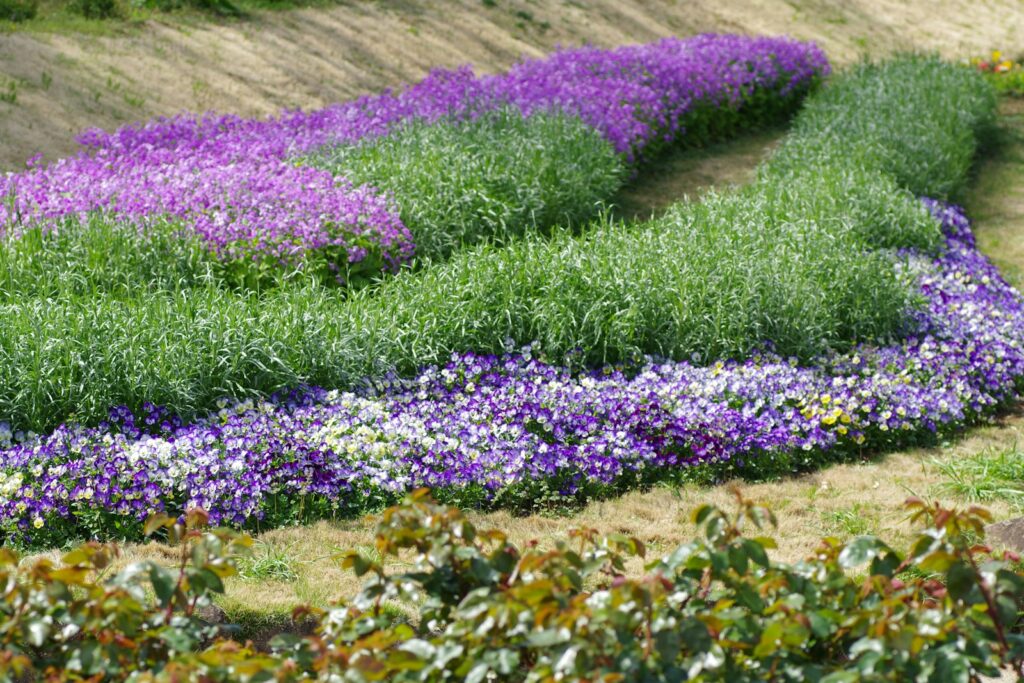
Lavender gives your garden a fragrant boost and a splash of purple. Its compact growth is great for lining walkways or defining garden sections.
Mix different lavender types for a more natural, layered effect. The scent is calming, and the flowers attract bees and butterflies, bringing life to your space.
Lavender is tough in dry, sunny spots and doesn’t need much care once it’s settled in. Pair it with other herbs or low flowers for extra variety.
Hydrangeas for Big, Gorgeous Flower Clusters
Hydrangeas are known for their large, rounded blooms that make any garden look full and lush. Their flowers come in shades of purple, pink, white, and even red.
They do best in spots with some shade and can quickly fill a space with color. Hydrangeas can grow tall and wide, creating natural walls of flowers.
They also make great cut flowers for your home. Once you plant them, you’ll enjoy their blooms all summer long.
Ornamental Grasses for Texture and Movement
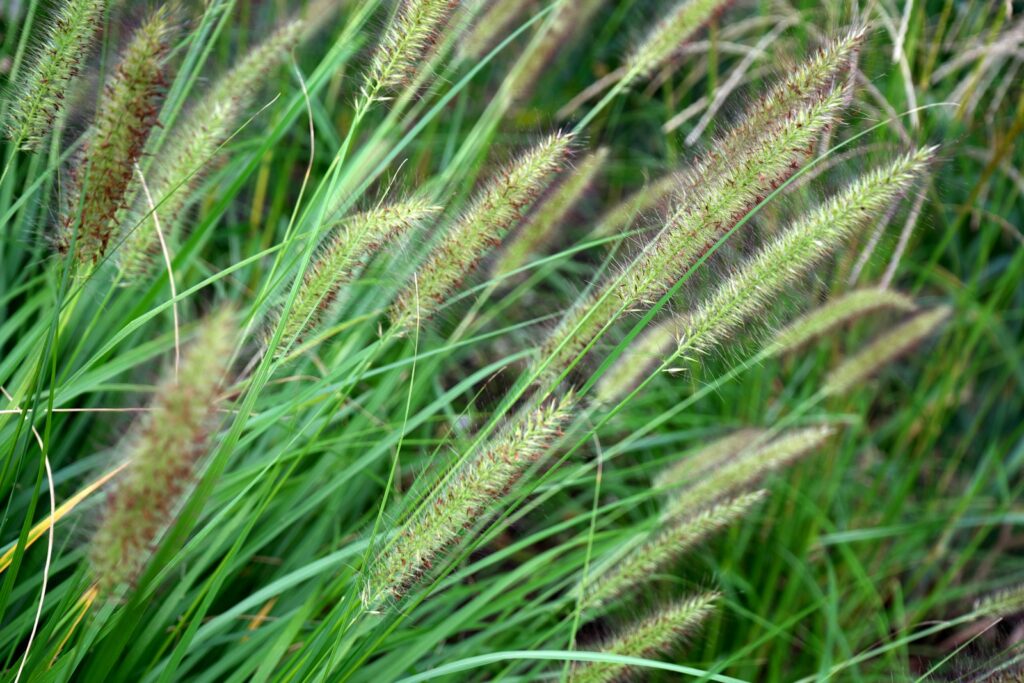
Ornamental grasses add texture and a sense of movement to your yard. They sway in the breeze, making your space feel alive and inviting.
You can find grasses in many sizes and colors to fit your garden’s style. Use them to frame paths, add height, or soften the edges of your beds.
Most ornamental grasses need very little care and stay attractive all year. They’re a simple way to make your garden feel more elegant.
Design Tips for Maximizing Visual Impact
Placement is everything when it comes to making your garden look high-end. Play with layers and contrast to make your plants stand out.
Placement Strategies for Affordable Plants
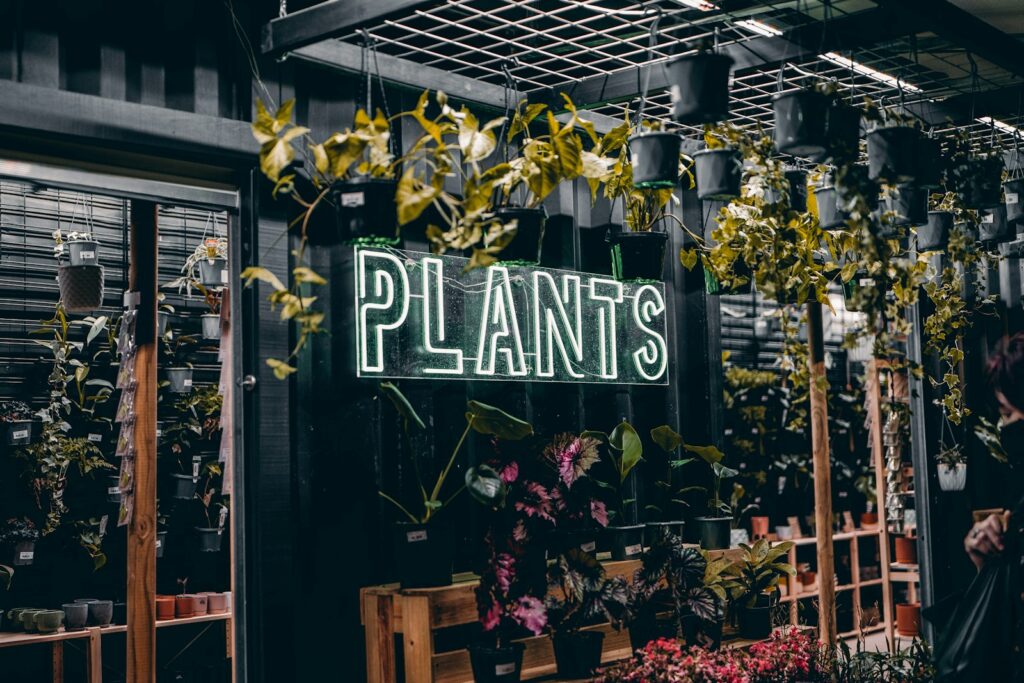
Put taller plants in the back or center to create depth. Shorter ones go in front so everything can be seen.
Group the same plant together for a bold look. Odd numbers like three or five feel more natural.
Line walkways or patios with low-growing plants to guide the eye. Leave space between plants so each one has room to shine.
Combining Textures and Colors for a Luxe Effect
Mix leaves of different shapes for a layered effect. Glossy leaves can help reflect light and add polish.
Choose colors that contrast but also work well together. Pair dark greens with bright flowers or silvery foliage for a clean, elegant feel.
Pick plants that flower at different times so you always have something in bloom.
Easy Maintenance for Elegant Gardens
Keeping your garden looking stylish doesn’t have to take a lot of effort. Simple routines for watering, feeding, and pruning go a long way.
Watering and Feeding Routines
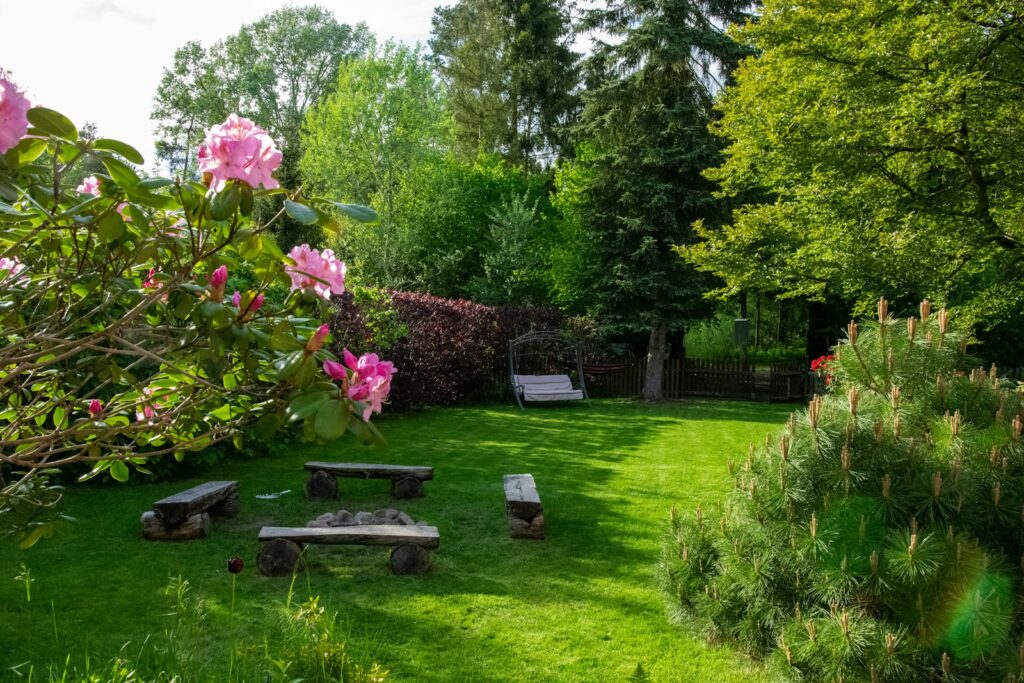
Water deeply but not too often to help roots grow strong. Early morning is the best time to avoid wet leaves during the day.
Use a slow-release fertilizer once or twice a year. Most easy-care plants don’t need much extra feeding.
Check soil moisture before watering. If it’s dry an inch down, it’s time to water. This keeps things simple and helps your plants thrive.
Seasonal Pruning and Care Guidelines
A tidy garden feels welcoming and relaxing. Trimming away dead or yellowing leaves helps your plants look their best.
Shrubs like boxwood benefit from a light trim after spring. This keeps their shape in check.
When late fall arrives, snip off any weak or damaged branches. This step gets your plants ready for winter.
Skip heavy pruning during the hottest days of summer. Too much trimming in the heat can stress your plants.
Always clean your tools before you start pruning. This helps prevent spreading disease from one plant to another.
Add mulch around your plants in early spring and again in late fall. Mulch protects roots, keeps moisture in, and makes it harder for weeds to grow.