7 “Easy” Plants That May Surprise Beginner Gardeners
If you’re new to gardening, you might have come across various lists of “easy” plants that promise low maintenance and high rewards. However, not every plant labeled as beginner-friendly lives up to the hype. In this guide, we’ll explore seven commonly recommended plants that often leave novice gardeners feeling frustrated rather than fulfilled. Let’s dissect the reasons behind these pitfalls and help you choose the right plants for your garden.
1. Lavender
Lavender is frequently touted as an easy plant due to its fragrant blooms and drought-tolerant nature. However, many beginners struggle with its specific soil and watering needs. Lavender prefers well-draining, sandy soil and can easily suffer from root rot if overwatered. Make sure to plant it in a sunny spot (at least six hours of direct sunlight daily) and allow the soil to dry out between waterings. If you live in a humid climate, consider growing English lavender varieties, which are more tolerant of moisture.
2. Peonies
Peonies are often loved for their stunning, large flowers and ability to perennialize. However, they can be quite temperamental for beginners. One common mistake is planting them too deep; peonies need their eyes (the small buds on the roots) to be just below the soil surface. They also prefer well-drained soil and can take a few years to establish before blooming. Patience is key with these beauties, so be prepared to wait for their spectacular display.
3. Hydrangeas
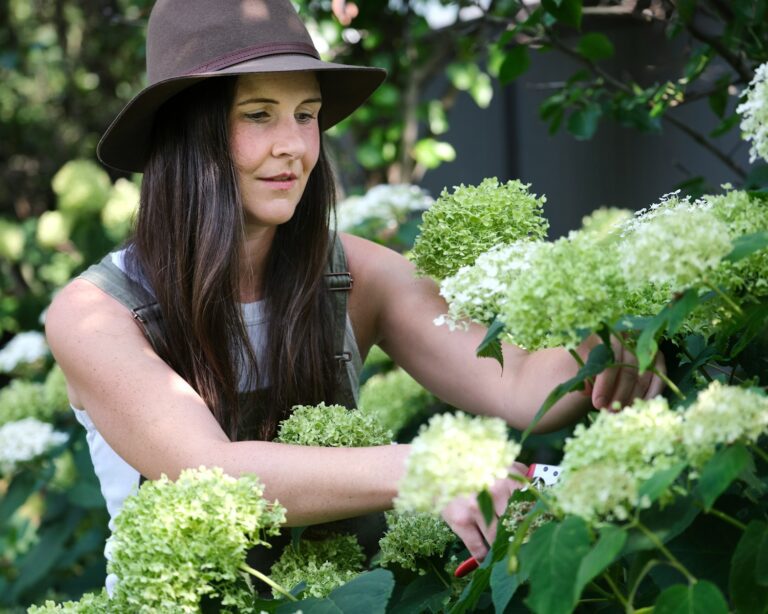
Hydrangeas can be a gardener’s dream with their lush blooms, but many newcomers find them challenging. The most common issue is incorrect pruning. Different species of hydrangeas bloom on old or new wood, which means knowing when and how to prune is essential. For example, if you prune a bigleaf hydrangea too late in the season, you risk cutting off the buds that would produce flowers for the next year. Research the type you have and learn the best practices for care and pruning.
4. Tomatoes
Tomatoes are a staple in many home gardens, but they can be deceptively tricky for beginners. While they thrive in warm weather (ideally planted after the last frost), they require consistent watering, ample sunlight, and support for their sprawling vines. Beginners often forget to stake or cage their tomato plants, leading to broken stems and reduced yields. Additionally, be mindful of pests and diseases like blight, which can quickly ruin your harvest. Regularly inspecting your plants and practicing crop rotation can help prevent these issues.
5. Basil
Basil is a favorite among novice gardeners for its culinary uses and aromatic leaves. However, beginners often overlook its need for warmth and consistent moisture. Basil thrives in temperatures above 70°F (21°C) and can suffer if exposed to cool weather or frost. It’s also crucial to avoid overhead watering, which can lead to fungal diseases. Instead, water at the base of the plant and harvest leaves regularly to promote bushier growth.
6. Hostas
Hostas are often recommended for shaded areas, but they can be a headache for new gardeners who don’t realize their susceptibility to pests. Slugs and snails love to munch on hostas, and if you don’t take preventive measures, you could end up with a devastated plant. Additionally, hostas need rich, well-draining soil to thrive, so be prepared to amend your garden beds accordingly. Regularly check for pests and consider using barriers or organic deterrents to protect these leafy plants.
7. Ornamental Grasses
Ornamental grasses are celebrated for their low maintenance and aesthetic appeal. However, some varieties can become invasive if not managed properly. For instance, miscanthus grasses can spread quickly and take over garden spaces if left unchecked. Choose clumping varieties that won’t spread uncontrollably and ensure to cut them back in early spring before new growth emerges.
Tips for Success
While these plants can be challenging, that doesn’t mean you should shy away from them entirely. Here are a few tips to help you navigate the world of beginner gardening:
Research: Before purchasing any plant, take the time to research its specific requirements. Understanding its sunlight, soil, and water needs will set you up for success.
Start Small: Consider focusing on just a few plants initially. This allows you to learn and adapt your gardening practices without becoming overwhelmed.
Keep a Journal: Document your gardening experiences. Note what works, what doesn’t, and any changes you make. This can help you improve your skills over time.
Ask for Help: Don’t hesitate to reach out to local gardening clubs or extension services. Experienced gardeners can provide valuable advice tailored to your region.
Be Patient: Gardening is a learning process. Mistakes are part of the journey, so embrace them and adjust your approach as needed.
By being aware of the potential challenges associated with these “easy” plants, you can make informed decisions that lead to a thriving garden. Happy gardening!