7 Flowers That Bloom Longer Than You’d Expect
Ever notice how some gardens seem to stay bright and colorful all season while others fade fast? The secret is in choosing flowers that bloom longer than you’d expect. With the right picks, you get a garden that stays lively with less work and more time to enjoy.
Some flowers keep blooming for months, attracting pollinators and making your outdoor space feel alive. If you’re tired of watching your blooms disappear too soon, these flowers are for you.
Coneflower (Echinacea)
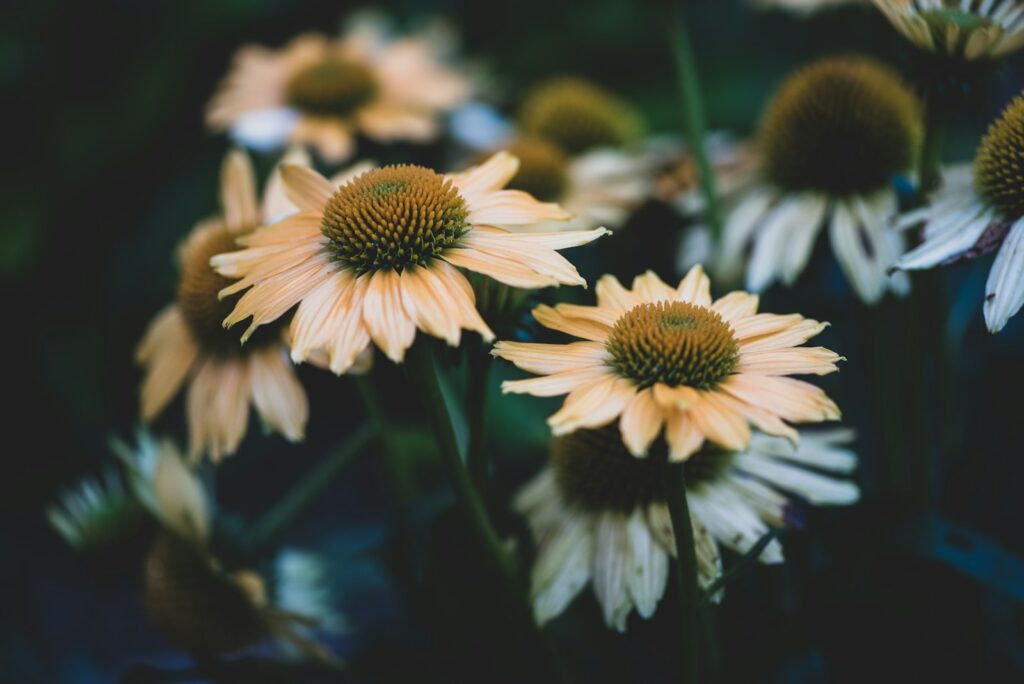
Coneflowers burst onto the scene in early summer and keep going strong into fall. Their petals come in shades of pink and purple, adding a cheerful pop wherever you plant them.
They’re hardy and don’t ask for much. A deep soak once a week helps their roots, and they’ll return each year, often growing bigger and brighter. Some varieties even push out blooms well into the fall.
Coneflowers are a favorite for gardeners who want long-lasting color with little fuss. Pollinators can’t resist them, and you’ll love seeing the garden buzz with life.
Black-eyed Susan (Rudbeckia hirta)
Black-eyed Susans bring a burst of sunny yellow and bold dark centers to your yard. Their blooms start in early summer and stick around through fall.
These flowers thrive in many spots, from fields to garden beds, and don’t need much attention. They’re great for attracting bees and butterflies, making your garden feel lively and full.
Plant them once and enjoy their simple beauty for months. Black-eyed Susans are a go-to for anyone craving lasting color.
Daylilies (Hemerocallis)
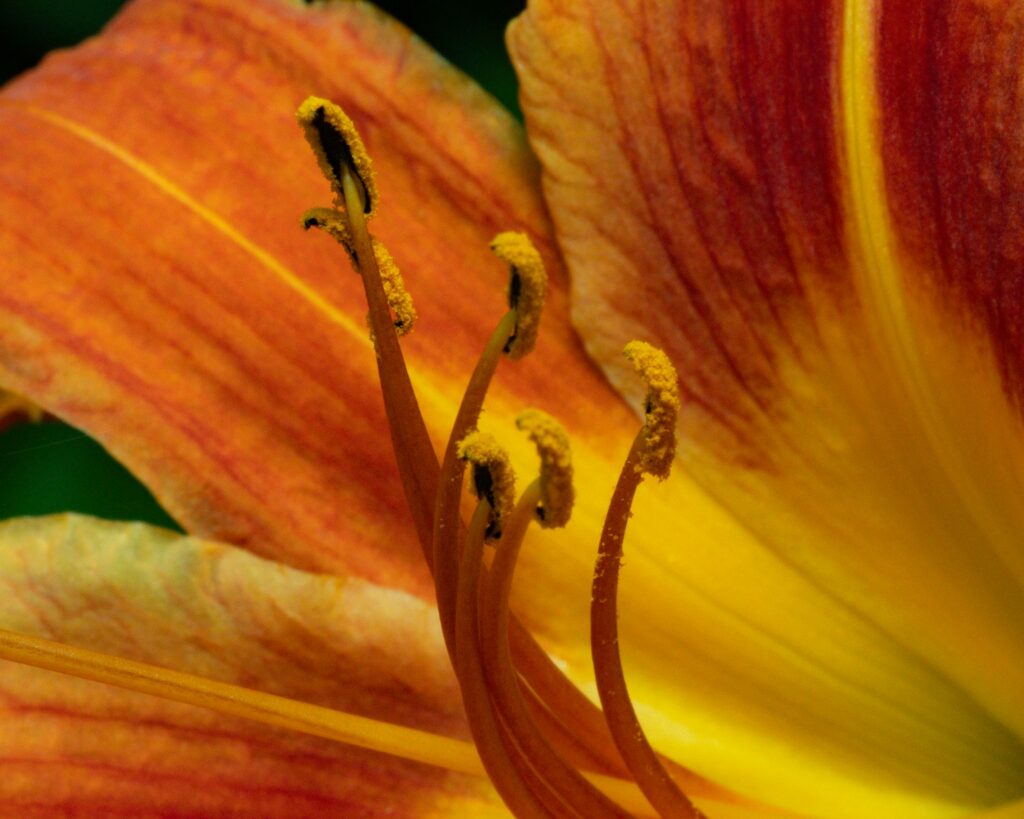
Daylilies surprise many with how long they keep blooming. While each flower lasts only a day, the plant sends up new buds for weeks on end.
Some varieties bloom for three months or more, filling your yard with waves of color. You’ll find them in yellow, pink, red, and coral, with shapes from ruffled to sleek.
Special hybrids can start early and last well into fall, so the show never really stops. Daylilies are perfect if you want a garden that keeps giving.
Bee Balm (Monarda)
Bee balm brings a splash of color that lasts much of the summer. Its red, pink, or purple blooms are magnets for bees, butterflies, and hummingbirds.
Deadheading old flowers can trigger a second round of blooms later in the season. The plant’s unique shape and spicy scent add something different to your garden.
Bee balm grows tall and hearty, with aromatic leaves that smell minty or like licorice. It’s easy to care for and returns year after year.
Blanket Flower (Gaillardia)
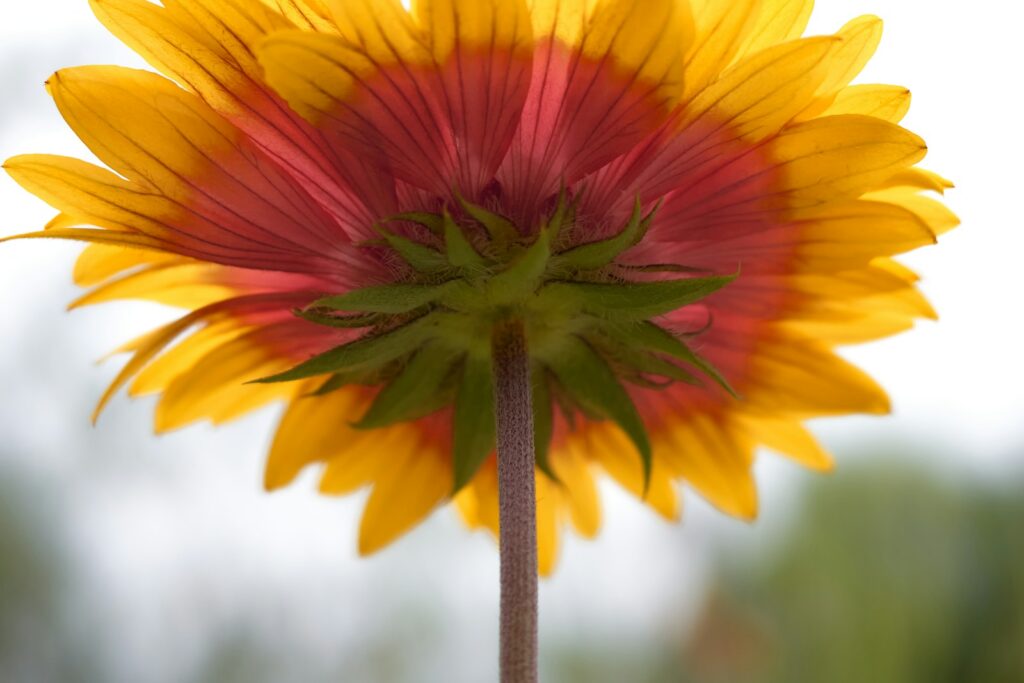
Blanket Flowers are all about bold color. Their fiery reds, oranges, and yellows brighten up any spot and keep going from early summer into fall.
They’re tough, handling heat and drought with ease. Once planted in a sunny area, they bloom with little attention.
Pollinators love them, and their daisy-like look stands out. Even small gardens can benefit from their long-lasting display.
Shasta Daisy (Leucanthemum)
Shasta daisies light up gardens with big white blooms and yellow centers. They start in early summer and can keep going until fall.
These flowers are sturdy, handling dry spells and even deer. Plant them in sun or light shade, and they’ll come back each year, spreading gently.
Deadheading faded blooms can keep them flowering longer. With different types to choose from, you can mix single or double petals for variety.
Coreopsis (Tickseed)
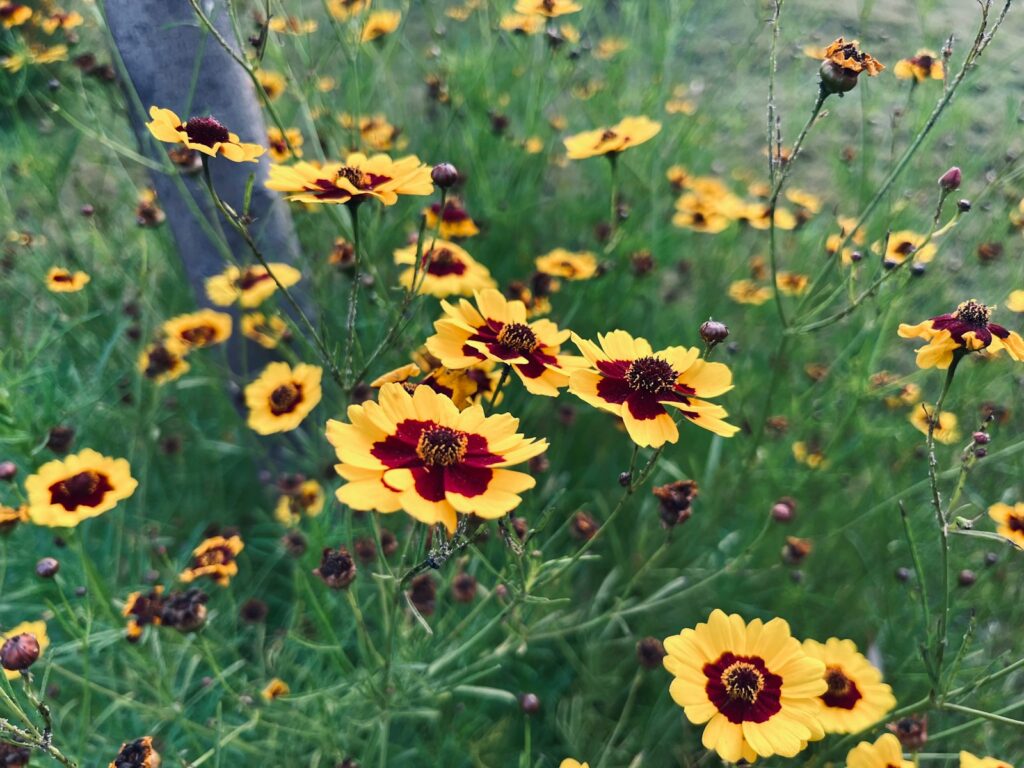
Coreopsis, or Tickseed, is a champion for long bloom times. From early summer until frost, these flowers keep your garden colorful.
Their petals come in yellows, reds, and pinks, adding fun to any space. They’re easy to grow, need little water, and don’t mind most soils.
Deadheading spent flowers encourages even more blooms. Coreopsis is a bright, cheerful addition that keeps on giving.
How To Encourage Long-Lasting Blooms
Getting flowers to bloom longer takes a bit of know-how. Pay attention to soil, watering, and sunlight, and you’ll see a big difference.
Soil And Fertilizer Tips
Flowers need well-drained, nutrient-rich soil to thrive. Test your soil’s pH and add compost or organic matter to boost nutrients.
Use a balanced fertilizer during the growing season, but avoid overdoing it. Too much nitrogen can mean more leaves and fewer flowers.
Mulch helps keep moisture steady and weeds down, giving your flowers the best chance to shine.
Watering Strategies For Prolonged Flowering
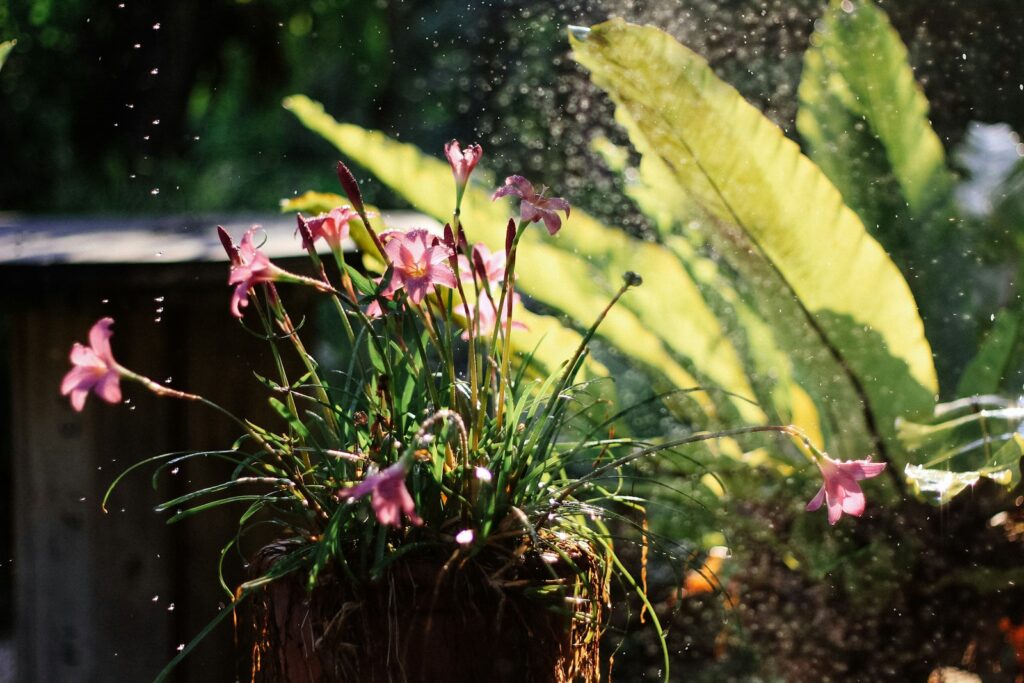
Water deeply but not too often. Letting the soil dry a bit between watering encourages strong roots.
Morning is the best time to water, helping prevent disease and evaporation. Drip irrigation or soaker hoses deliver water right where it’s needed.
If you see wilting but the soil is moist, check for root or pest problems. Healthy roots mean more blooms.
Optimal Sunlight And Placement
Most long-blooming flowers need at least six hours of sunlight each day. Morning sun with some afternoon shade can help prevent heat stress.
Arrange taller plants behind shorter ones so everyone gets enough light. Good airflow helps keep disease away.
If you have shady spots, pick flowers that like low light so you still get blooms. Pay attention to how your plants react and adjust as needed.
Benefits Of Extended Blooming Periods
When flowers bloom longer, your garden stays bright and full of life for weeks or even months. The extra color brings in pollinators and keeps your outdoor space looking great with less effort.
Attracting Pollinators All Season
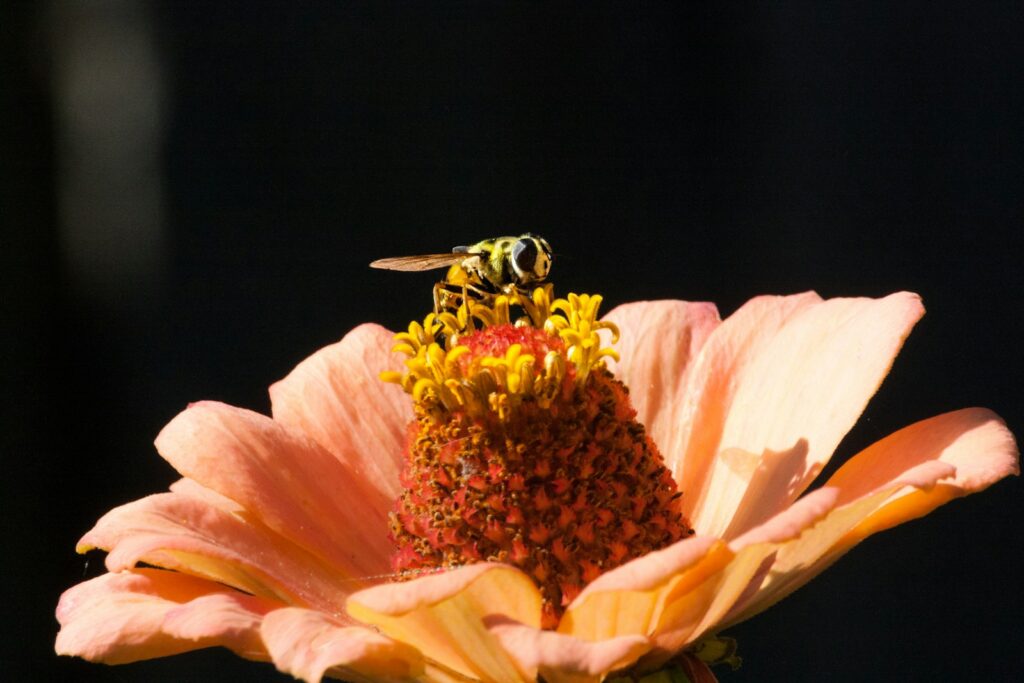
Long-blooming flowers provide steady food for bees, butterflies, and hummingbirds. This helps pollinators and improves your whole garden’s health.
With flowers blooming at different times, there’s always something for pollinators to enjoy. It’s a simple way to support nature while making your garden look amazing.
Maximizing Garden Visual Impact
A garden filled with long-blooming flowers never feels dull. Bare patches are less likely to appear, even when other plants fade.
You get to enjoy vibrant color that lasts all season. It’s a simple way to keep your outdoor space looking lively.
Long bloomers tend to need less maintenance. With just regular watering and a bit of deadheading, they keep thriving for months.
Designing flowerbeds becomes easier when you know your main plants will look great from spring to fall. You can play with color and texture, confident your choices will stay attractive.
Key advantages include:
- Continuous color without replanting
- Less time spent on garden upkeep
- More creative freedom in garden design