7 Garden Center Plants That Often Struggle to Thrive Through a Full Season
As gardening enthusiasts, we often rush to garden centers in the spring, drawn in by vibrant colors and enticing scents. However, not every plant that catches our eye is destined to flourish in our backyards. Some popular garden center plants, despite their initial appeal, tend to struggle to survive through a full season. Understanding these plants can save you time, effort, and frustration. Here are seven popular garden center plants that often have a tough time making it through the year, along with tips on how to care for them.
1. Impatiens
These beloved shade-loving annuals are a staple in many gardens, thanks to their bright blooms. However, impatiens can be prone to downy mildew, especially in humid climates. This fungal disease can decimate plants quickly, leading to wilting and leaf drop. To increase your chances of success, choose resistant varieties if available, plant them in well-draining soil, and avoid overhead watering to help reduce humidity around the plants.
2. Petunias
Petunias are popular for their vibrant colors and versatility, but they can be finicky. They thrive in full sun but are susceptible to root rot if overwatered. Additionally, petunias may struggle in areas with extreme heat, leading to wilting or stunted growth. To keep petunias thriving, ensure they are planted in well-draining soil and water them only when the top inch of soil feels dry. Regular deadheading will also encourage continuous blooming.
3. Basil
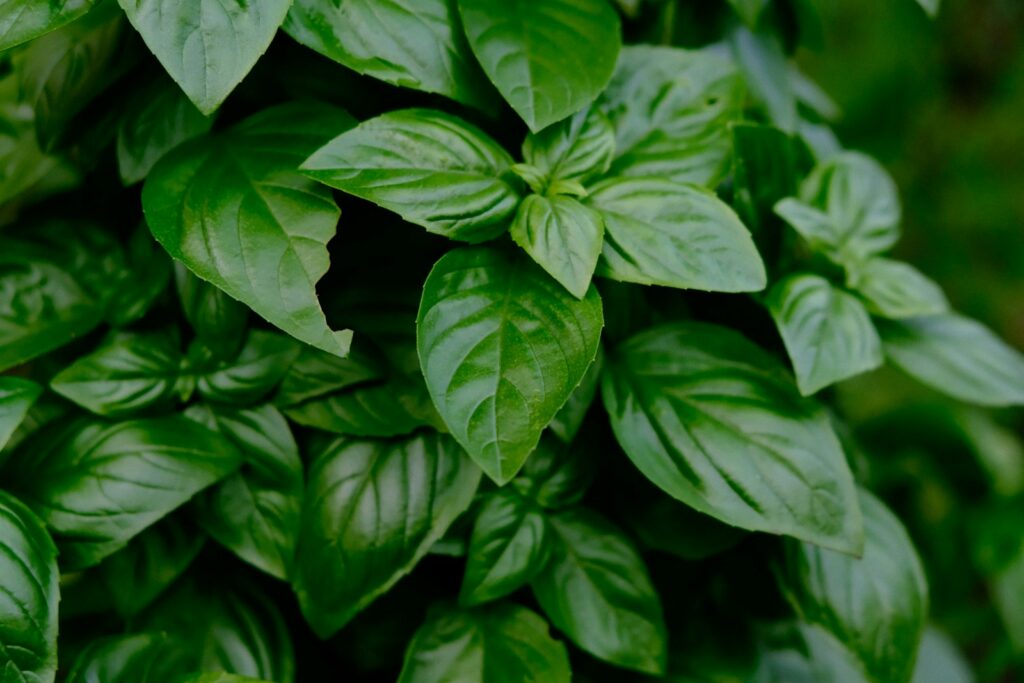
While a culinary favorite, basil can be challenging to grow for an entire season. It prefers warm temperatures and can suffer from downy mildew and aphid infestations. In cooler USDA zones, basil may not survive past the first frost. To maximize your basil’s lifespan, plant it in a sunny location and ensure it receives consistent moisture without waterlogging. Harvesting leaves regularly encourages bushier growth and delays flowering, which can affect flavor.
4. Canna Lilies
Canna lilies are stunning tropical plants known for their large, colorful flowers. However, they are not frost-tolerant and can struggle to survive in cooler climates. In USDA zones 7 and below, canna lilies often need to be dug up and stored indoors during the winter months. To help them thrive, plant them in full sun and provide rich, well-draining soil. Fertilizing every few weeks during the growing season can also help boost their performance.
5. Marigolds
Marigolds are widely recognized for their pest-repelling properties and vibrant blooms. Unfortunately, they can be susceptible to various pests and diseases, which can hinder their growth. Overwatering or poor drainage can lead to root rot, while aphids and spider mites can quickly infest your marigolds. To ensure a successful season, plant marigolds in well-draining soil and avoid overcrowding to improve air circulation around the plants.
6. Geraniums
These classic garden favorites can struggle to survive a full season if not cared for properly. Geraniums are prone to fungal diseases, particularly in humid conditions, and may suffer from overwatering. To keep geraniums healthy, choose a location with plenty of sunlight and ensure they are planted in well-draining soil. Allow the soil to dry out slightly between waterings, and remove any dead leaves or flowers to prevent disease.
7. Fuchsia
Fuchsia plants are adored for their graceful, drooping flowers and shade tolerance. However, they can be sensitive to temperature fluctuations and are prone to root rot if the soil remains too wet. In northern climates, fuchsias might not survive the winter outdoors. For best results, plant them in a shady spot with well-draining soil, and ensure they receive consistent moisture without becoming waterlogged. If you live in a cooler area, consider bringing them indoors during the colder months.
Tips for Success
While the plants listed above are known for their challenges, there are steps you can take to increase your chances of success:
Research Local Conditions: Understand your local climate and soil conditions. Some plants may thrive in one area but struggle in another due to differences in humidity, temperature, and soil type.
Choose the Right Varieties: Many plants have different cultivars, some of which may be more resilient than others. Look for varieties known for their hardiness in your specific USDA zone.
Proper Planting Techniques: When planting, consider spacing and soil amendments. Proper spacing allows for airflow, reducing the risk of disease, while adding organic matter can improve soil drainage.
Regular Maintenance: Consistent care, including watering, fertilizing, and deadheading, can go a long way in keeping your plants healthy. Regularly check for pests and diseases to catch any problems early.
Know When to Replace: Sometimes, despite your best efforts, certain plants simply won’t thrive. Don’t hesitate to replace struggling plants with hardier options better suited to your garden’s conditions.
By being mindful of these popular garden center plants and their potential challenges, you can create a more successful gardening experience. With a little knowledge and care, you can enjoy a beautiful and flourishing garden all season long!