7 Hidden Benefits of Native Plants for a Healthier, Greener Garden
If you want a garden that feels alive and easy to care for, native plants might be just what you need. These plants have grown up right alongside your local weather and wildlife, making them a natural fit for your yard.
You might be surprised by how much native plants can do for your outdoor space. They bring hidden perks that go way beyond looking pretty.
Boosts local biodiversity by supporting native insects
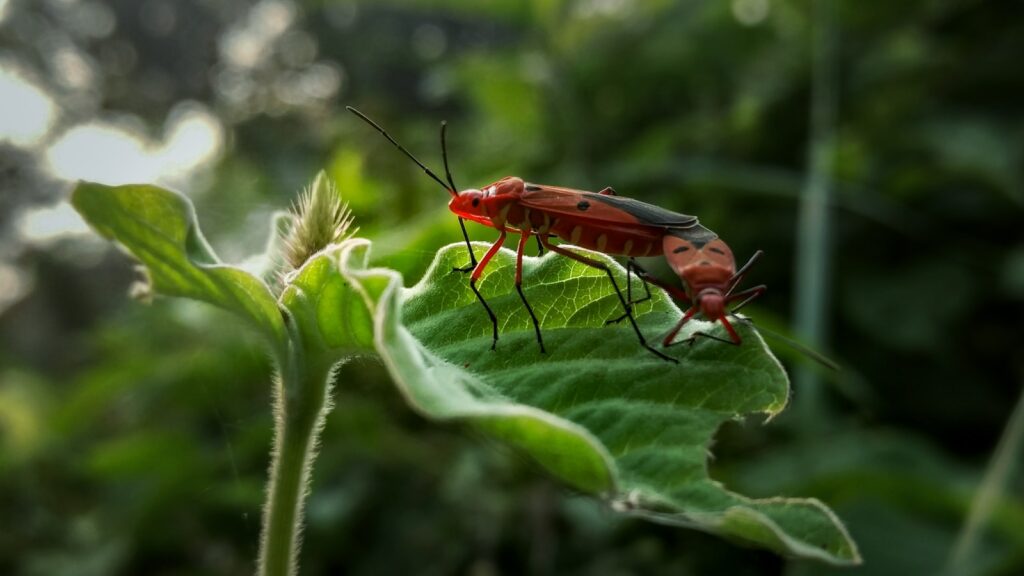
Planting native species can turn your yard into a haven for local insects. These bugs have evolved with native plants and count on them for food and shelter.
If you fill your garden with non-native plants, many local insects may not be able to use them. That means fewer bugs for birds and other animals.
Native insects include pollinators like bees and butterflies. They help your flowers and crops reproduce, keeping your garden buzzing with life.
Many native insects also break down dead plants, enriching your soil naturally. When you support native insects, you keep your garden balanced and cut down on the need for pesticides.
You might notice more birds and butterflies visiting when your yard is full of native plants. It is a simple way to make your garden part of the local ecosystem.
Provides natural pest resistance reducing need for chemicals
Native plants have built-in defenses against local pests. Their unique scents or tough leaves make them less appealing to unwanted bugs.
These plants attract helpful insects and birds that eat pests, acting as your garden’s defense team. You can often reduce or skip using chemicals because these natural helpers keep things in check.
Since native plants are adapted to your area, they need less care and still manage pests effectively. Your garden becomes healthier for you and local wildlife.
Improves soil health through symbiotic root systems
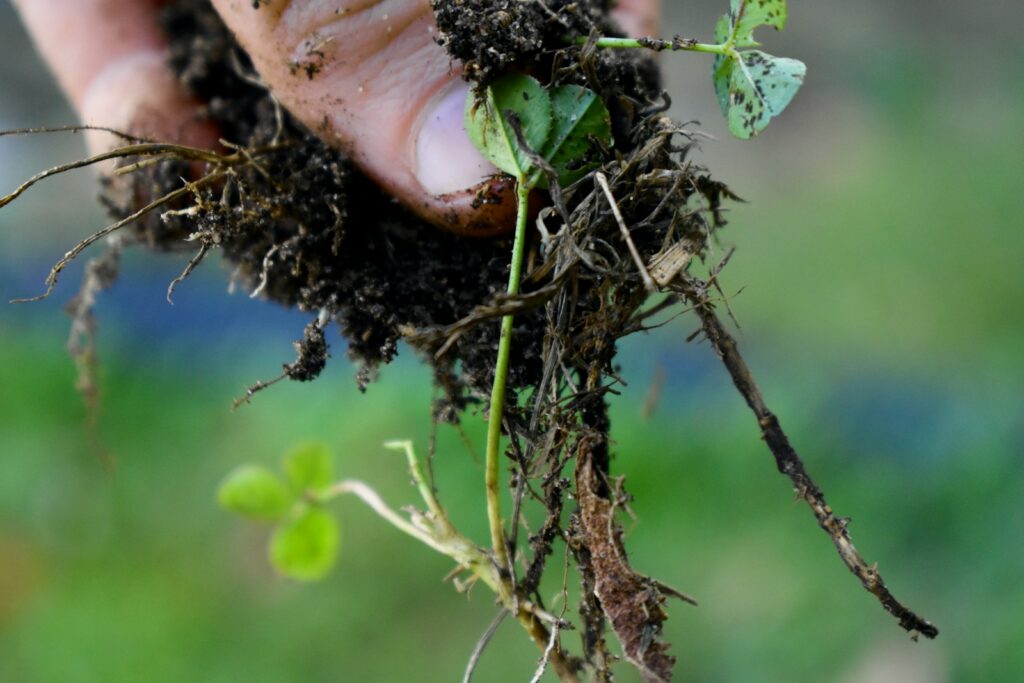
The roots of native plants form partnerships with helpful microbes in the soil. This teamwork lets your plants soak up nutrients and water more efficiently.
Deep and wide root systems break up compacted soil, letting air and moisture move freely. This boosts how well your soil holds water and supports life underground.
Microbes living with plant roots protect against pests and diseases. They also help your plants handle tough weather.
Growing native plants encourages a lively soil ecosystem. Over time, your soil becomes richer, and your plants get stronger.
Conserves water by thriving in local climate conditions
Native plants are made for the climate where you live. They have learned to handle your area’s rain, heat, and cold.
You will not have to water as much because these plants thrive on natural rainfall. This saves you time and helps lower your water bills.
When dry spells or heat waves hit, native plants bounce back quickly. Your garden stays healthy even when the weather is tough.
Choosing native plants means your yard can look good with less water and less work.
Attracts native birds and pollinators naturally
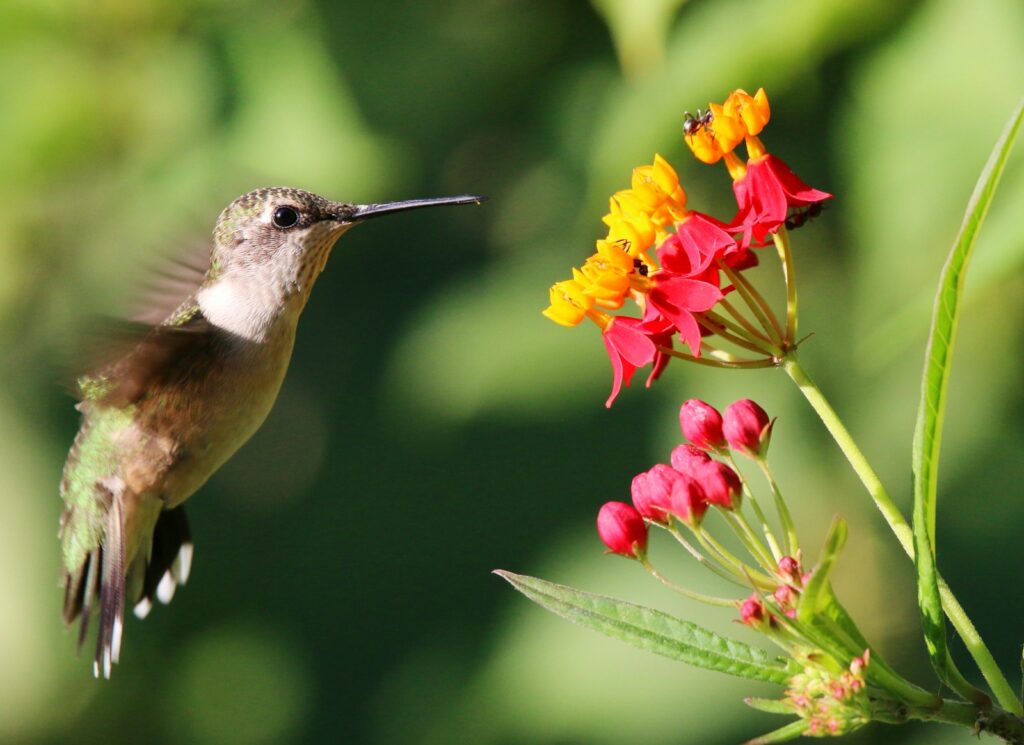
When you fill your yard with native plants, you invite local birds and pollinators. These plants offer the perfect food and shelter, so you do not need extra feeders or houses.
Bees, butterflies, and hummingbirds know exactly how to use native flowers. You will likely spot more of these visitors in your garden.
Birds and pollinators help your plants by spreading seeds and pollen. Your garden becomes a lively, self-sustaining habitat.
Native plants also need less care, so you can spend more time enjoying the wildlife that stops by.
Helps prevent soil erosion with deep root structures
Native plants have deep roots that hold soil together. This strong network keeps soil from washing away during storms or blowing off in the wind.
Deep roots make the soil more stable and help it stay fertile. They also soak up water, reducing runoff and keeping nutrients in place.
Leaves from native plants protect the ground from rain and wind, adding another layer of protection. Your garden or yard stays healthier and more resilient.
Adds seasonal beauty with native flowers and foliage
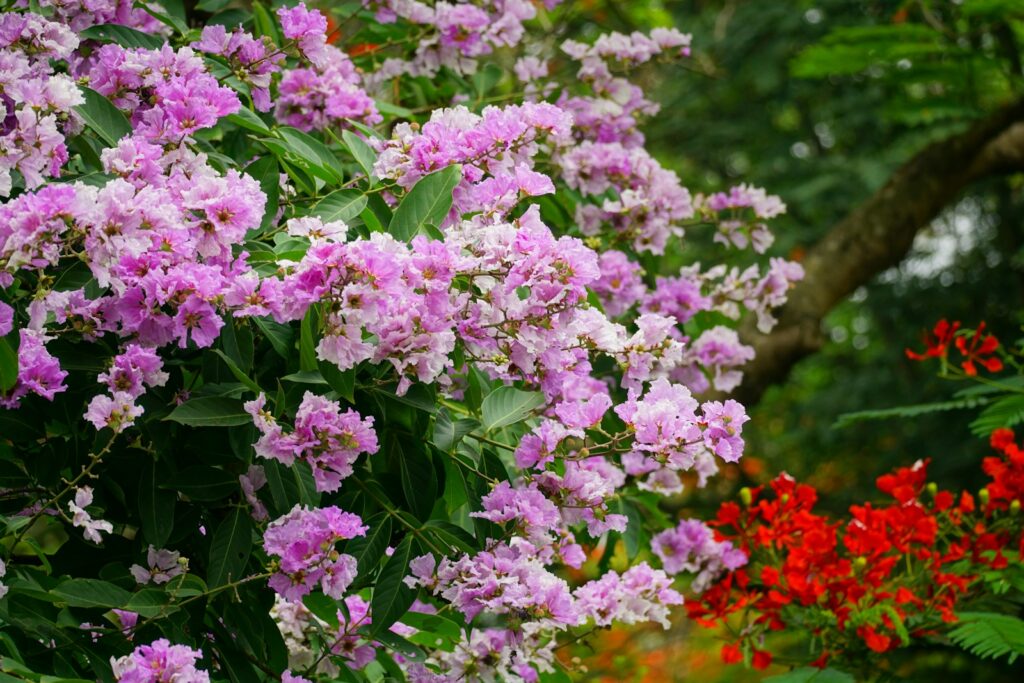
Native plants can make your garden beautiful through every season. Spring and summer bring colorful blooms that attract butterflies and bees.
In fall, native shrubs and trees turn bright shades of red, orange, and yellow. Some native plants keep their leaves or berries in winter, so your yard is never dull.
Your garden will fit naturally with the local landscape. The changing colors and textures make every season feel special.
Why Native Plants Matter
Native plants do more than look good. They help keep your local environment healthy and full of life.
Connections to Local Biodiversity
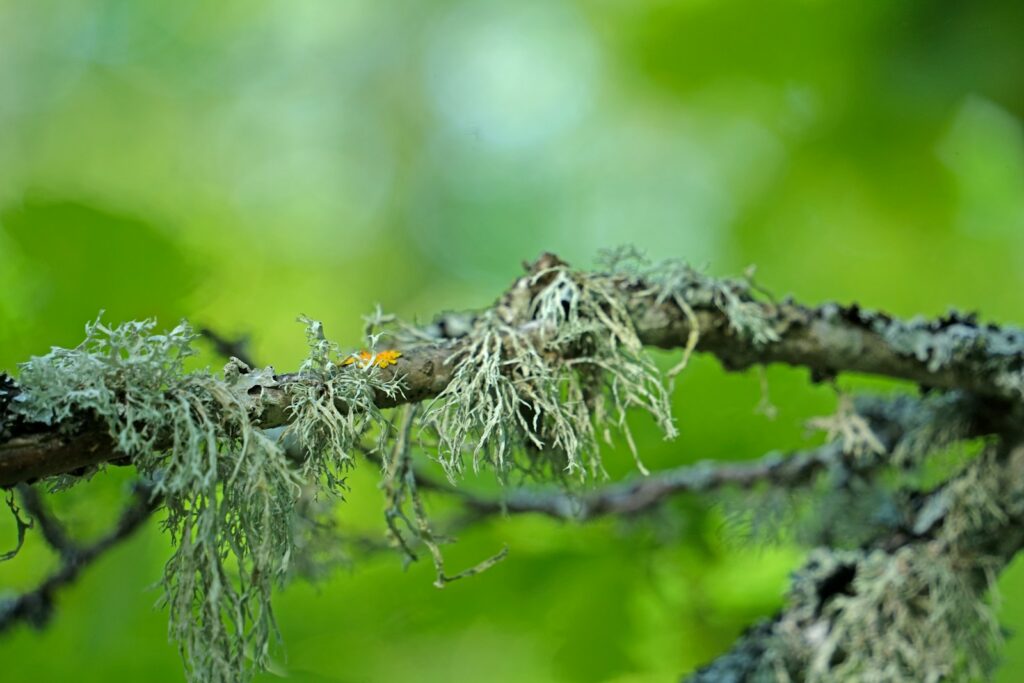
When you choose native species, you support local wildlife that depends on them. These plants have grown alongside local insects, birds, and animals, creating a natural balance.
Native flowers provide the right food and shelter for pollinators like bees and butterflies. Their deep roots help keep soil healthy and water where it belongs, protecting nearby animals.
Natives resist pests better because local systems recognize them. This means fewer chemicals needed in your garden.
Cultural and Historical Importance
Native plants connect you to the story of your land. People have used these plants for food, medicine, and tools for generations.
By growing native plants, you help preserve this heritage. Sometimes these plants grow where special animals or plants once thrived.
You also help your community keep its natural beauty and unique identity.
Integrating Native Plants into Your Landscape
Bringing native plants into your yard is a great way to support wildlife and use less water. With a little planning, your garden can thrive with less effort.
Design Tips for Beginners
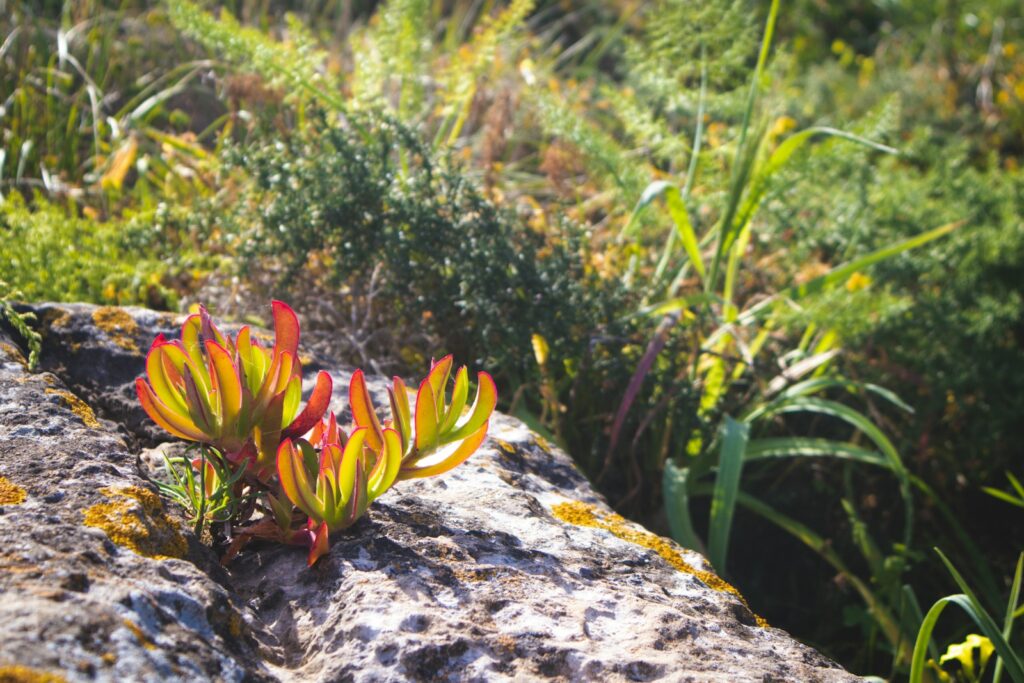
Start by finding out which native plants do well in your area. Local nurseries or extension services can help you pick the right ones.
Group plants with similar water and light needs together. This makes care easier and helps everything grow better.
Mix up heights and textures by putting taller plants in the back and shorter ones in front. This layering gives your garden a natural look and offers hiding spots for wildlife.
Give your plants enough space so they do not get crowded. Try planting a few native species to see how they do before expanding your garden.
Ongoing Maintenance and Care
When you first start with native plants, the early days can feel a bit hands-on. Watering regularly during the first year gives your plants the best chance to settle in.
Weeds can sneak up quickly, especially at the start. Keeping them in check early makes things easier down the road.
Native plants are pretty low-maintenance when it comes to food. You can skip heavy fertilizers since these plants are used to the local soil.
Try to avoid harsh chemicals because they can hurt the good bugs and soil life that help your plants thrive.
If you need to prune, just focus on shaping or removing any dead parts. This helps keep everything looking tidy and encourages fresh growth.
As you watch your garden change with the seasons, you start to notice what each plant likes best. Over time, caring for your native landscape becomes second nature.