7 Landscaping Decisions That Make Yard Work Harder Without Adding Visual Appeal

Maintaining a beautiful yard is often a source of pride for homeowners, but some landscaping choices can complicate your gardening efforts without enhancing the visual appeal of your outdoor space. If you’re looking to simplify your gardening routine while still enjoying a lovely landscape, it’s essential to identify these pitfalls. Here are seven landscaping decisions that can lead to more yard work without offering any significant aesthetic rewards.
Choosing Invasive Plants
Invasive plants can be enticing due to their rapid growth and hardiness, but they often create more problems than they solve. Species like Japanese honeysuckle and purple loosestrife can quickly outcompete native plants, leading to increased maintenance as you try to control their spread. Instead, opt for native species that are adapted to your local environment and require less care. Native plants support local wildlife, including pollinators, and usually thrive without extra watering or fertilization.
Opting for Monocultures
Planting a single type of plant throughout your yard may seem straightforward, but it can lead to increased susceptibility to pests and diseases. If a particular disease strikes that species, your entire garden could be at risk. Additionally, monocultures often require more intensive care, such as pesticides and fertilization. Instead, strive for diversity by mixing various plant types, which can create a more resilient ecosystem and reduce your workload in the long run.
Overusing Mulch
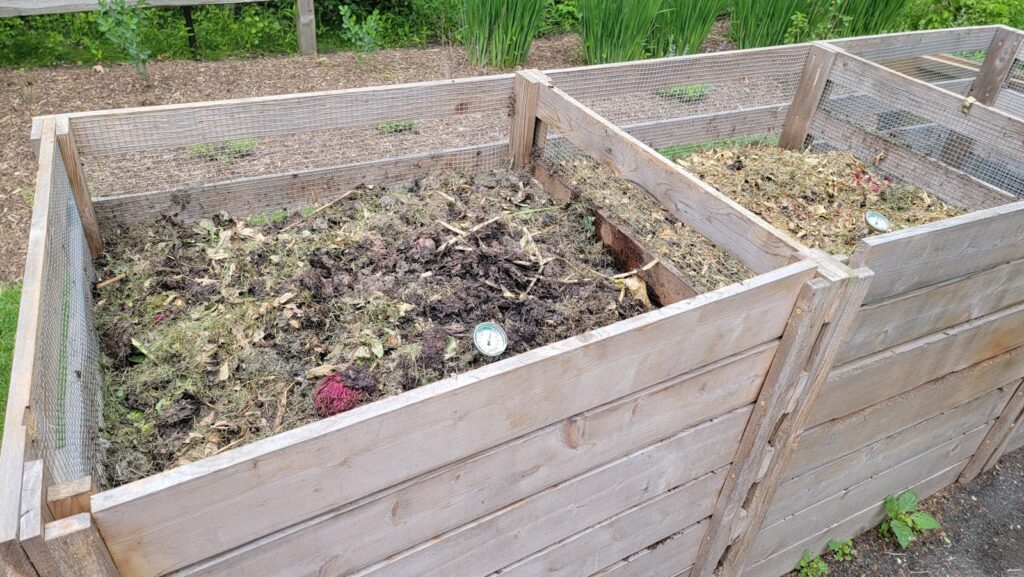
While mulch can be beneficial for retaining moisture and suppressing weeds, overusing it can lead to a host of issues. A thick layer of mulch can create a barrier that prevents water from reaching plant roots, potentially causing them to struggle. Furthermore, excessive mulch can attract pests and may even lead to mold issues. Aim for a layer of about 2 to 3 inches for optimal results, and refresh it as needed rather than piling it on each season.
Ignoring Soil Quality
Healthy plants require nutrient-rich soil, yet many gardeners overlook soil quality in their landscaping efforts. Poor soil can lead to weak plants that are more prone to disease and pests, resulting in more maintenance. Conduct a soil test to determine its pH and nutrient levels, and amend the soil as necessary with organic matter or fertilizers. Investing time in improving soil quality can significantly reduce the amount of upkeep your garden requires.
Choosing High-Maintenance Plants
Certain plants may be visually stunning but come with high maintenance demands. For example, some flowering plants need regular deadheading, pruning, or specific soil conditions to thrive. When selecting plants for your garden, consider their maintenance needs alongside their beauty. Opt for low-maintenance varieties that still offer visual appeal, such as ornamental grasses or drought-tolerant succulents.
Neglecting Proper Plant Placement
Planting in the wrong locations is a common mistake that can lead to increased yard work. For instance, placing shade-loving plants in sunny spots can lead to stunted growth or even plant death, requiring you to replace them more frequently. Take the time to understand the sunlight, soil, and water requirements of your plants, and place them accordingly. This can minimize the need for constant adjustments and replacements.
Using Unnecessary Hardscaping
While hardscaping elements like patios, walkways, and retaining walls can enhance the functionality of your yard, overdoing it can lead to more maintenance than necessary. Unnecessary hardscaping can create areas that collect debris, making it harder to keep your yard tidy. Additionally, if not properly installed, hardscaping can crack or shift, requiring repairs. Instead, be selective with your hardscaping choices to create defined spaces without overwhelming your yard.
Final Thoughts
By avoiding these seven landscaping choices, you can create a more manageable and visually appealing yard. Remember that gardening should be an enjoyable experience, not a chore. Emphasizing native plants, maintaining soil quality, and being mindful of your choices can help you cultivate a garden that thrives with minimal effort. Your outdoor space should be a reflection of your style without becoming an overwhelming task. Happy gardening!