7 Low-Light Plants That Actually Crave More Sunshine Than You Think
Finding the right plants for your home can feel like navigating a maze, especially when it comes to lighting conditions. Many gardeners believe that low-light plants can thrive in dim corners of their homes with minimal sunlight. However, some of these so-called low-light plants actually prefer much brighter conditions than you might expect. If you want your green companions to flourish, it’s essential to understand their true light needs. Here, we’ll explore seven popular low-light plants that need more sun than you think and how to care for them effectively.
Snake Plant (Sansevieria)
The snake plant is often touted as a champion of low-light environments. While it can survive in lower light, it thrives best in bright, indirect sunlight. Ideally, place your snake plant near a window where it can soak up some rays without being exposed to harsh direct sunlight. If kept in darker areas, it may grow slower and become leggy. Water when the soil is completely dry, and ensure it has good drainage to prevent root rot.
Pothos (Epipremnum aureum)
Pothos is a favorite among indoor gardeners due to its beautiful trailing vines and hardy nature. While it can tolerate low light, it actually grows faster and displays more vibrant colors in bright, indirect light. If you notice your pothos losing its variegation or becoming overly leggy, it’s a sign that it needs more sunlight. Position it near a window, rotating it occasionally to ensure even growth. Water when the top inch of soil feels dry.
ZZ Plant (Zamioculcas zamiifolia)
The ZZ plant is known for its glossy leaves and resilience, often thriving in challenging conditions. However, it prefers bright, indirect light to grow optimally. Placing it in low light may lead to slower growth and yellowing leaves. If you want your ZZ plant to flourish, give it a spot near a window with filtered sunlight. Be careful not to overwater, as the ZZ plant is susceptible to root rot.
Peace Lily (Spathiphyllum)
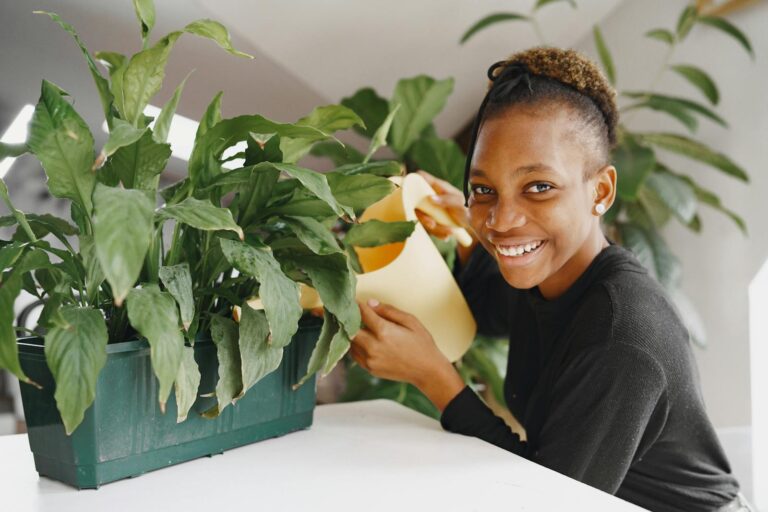
Peace lilies are celebrated for their elegant white blooms and ability to purify the air. While they can adapt to low-light conditions, they perform best in bright, indirect sunlight. Less light can lead to fewer blooms and a decline in overall health. Keep your peace lily in a well-lit area, ensuring it receives light but isn’t exposed to direct sun, which can scorch its leaves. Water when the top inch of soil is dry, and mist the leaves occasionally to maintain humidity.
Chinese Evergreen (Aglaonema)
Chinese evergreens are known for their striking foliage and adaptability, making them a popular choice for beginners. Although they can survive in low-light settings, they thrive in medium to bright, indirect light. In low light, their growth may slow, and vibrant leaf colors can fade. Position your Chinese evergreen near a window, but avoid direct sunlight. Water when the soil is dry to the touch, and avoid overwatering, which can lead to root issues.
Spider Plant (Chlorophytum comosum)
Spider plants are beloved for their air-purifying qualities and charming “baby” offshoots. While they can tolerate low light, they grow best in bright, indirect sunlight. If your spider plant is in a dark corner, you might notice it producing fewer offshoots or developing a leggy appearance. Move it to a brighter spot, and water when the soil is dry. Spider plants also appreciate occasional fertilization during the growing season to promote healthy growth.
Dracaena (Dracaena spp.)
Dracaenas are popular indoor plants known for their striking foliage and variety. While they can adapt to lower light, many species, like the Dracaena marginata, prefer bright, indirect light to flourish. If kept in low-light conditions, dracaenas may exhibit stunted growth and leaf drop. To keep your dracaena happy, place it in a well-lit area but avoid direct sunlight, which can scorch the leaves. Water when the top inch of soil is dry, and consider fertilizing during the growing season to boost growth.
Tips for Ensuring Optimal Light Conditions
Understanding the light needs of your plants is key to their success. Here are some practical tips to help you provide the right lighting conditions:
1. Assess Your Lighting: Determine how much natural light different areas of your home receive throughout the day. South-facing windows typically provide the most light, while north-facing windows are usually the dimmest.
2. Rotate Your Plants: To ensure even growth, rotate your plants regularly. This will help them receive balanced light on all sides, preventing them from leaning towards the light source.
3. Use Sheer Curtains: If you’re concerned about harsh direct sunlight, consider using sheer curtains to filter the light. This provides the bright, indirect light that many plants prefer without risking sunburn.
4. Watch for Signs: Keep an eye on your plants for signs of distress. Yellowing leaves, leggy growth, or lack of blooms can indicate that a plant isn’t receiving the light it needs.
5. Experiment: Don’t be afraid to move your plants around until you find their perfect spot. Sometimes, it takes a bit of trial and error to determine what works best.
By understanding the true light requirements of these commonly misunderstood plants, you can create a thriving indoor garden that adds beauty and life to your space. Remember, while low-light plants can tolerate dim conditions, they often appreciate a little more sunshine than you might think! Happy gardening!