7 Outdated Gardening Rules You Can Safely Ignore Today
In the ever-evolving world of gardening, new techniques, technologies, and philosophies are reshaping how we cultivate our green spaces. While there are certainly best practices to follow, some long-standing gardening “rules” are becoming relics of the past. Let’s explore seven outdated gardening rules that experts agree you can toss aside in favor of more effective methods.
1. Never Plant Annuals in the Same Spot Year After Year
For years, gardeners were told to avoid planting annuals in the same location from one year to the next to prevent soil depletion and pest buildup. While crop rotation is beneficial for certain plants, many annuals, especially flowering varieties, can thrive in the same spot if you amend the soil properly. Adding organic matter, such as compost, can replenish nutrients and improve soil structure. If you notice specific issues like pest infestations, consider rotating those particular crops instead.
2. Only Water in the Morning or Evening
It was once believed that watering your plants during the day would lead to excessive evaporation and potential leaf scorch. While it’s true that watering during the hottest part of the day is less efficient, advancements in watering techniques, such as drip irrigation and soaker hoses, mitigate this issue. If you need to water during the day, do so at the base of the plants to minimize evaporation. Just be mindful of your specific plants’ needs, and adjust your watering schedule accordingly.
3. Avoid Planting in Poor Soil
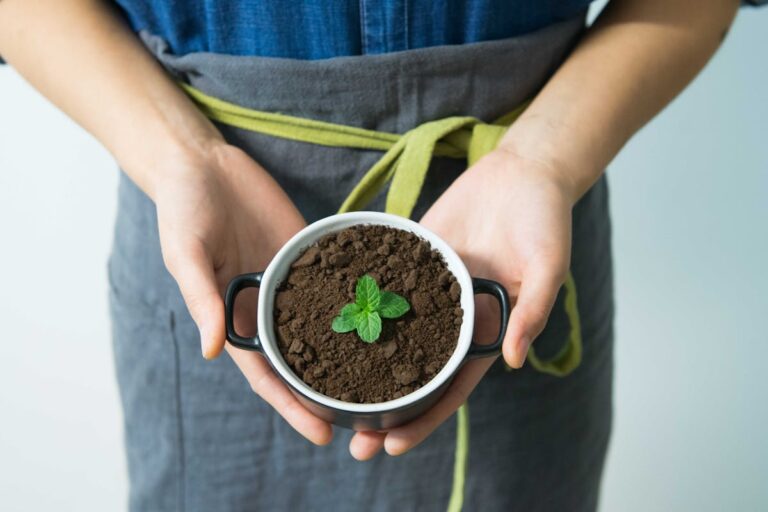
While good soil is certainly important for healthy plants, it’s not the only factor. Some plants, particularly native species and certain perennials, are well adapted to thrive in less-than-ideal soil conditions. Instead of being discouraged by poor soil, consider choosing the right plants for the conditions you have. Additionally, you can enhance soil quality over time by incorporating organic matter, which benefits both existing and future plants.
4. Prune in the Fall for Winter Preparation
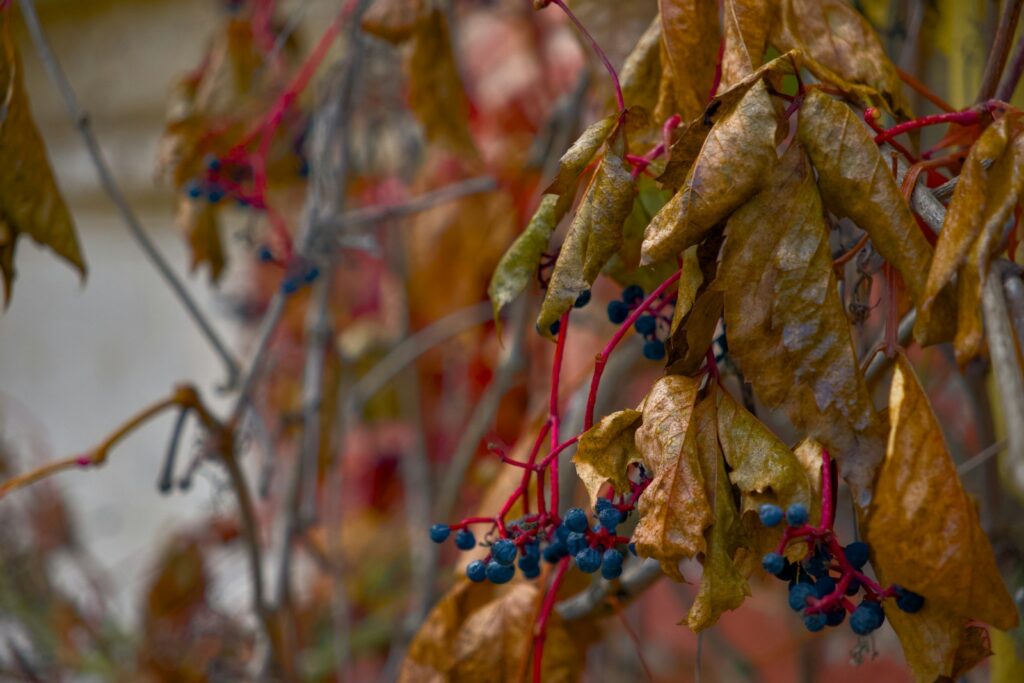
Traditional advice often suggests pruning trees and shrubs in the fall to prepare them for winter. However, many experts recommend waiting until late winter or early spring. Pruning in the fall can stimulate new growth, which may not have enough time to harden off before winter’s cold arrives. By waiting until spring, you can also better assess the health of your plants and prune more effectively, promoting new growth and flowering.
5. Fertilize Every Month
Frequent fertilization was once seen as a surefire way to ensure healthy plants. However, over-fertilizing can lead to nutrient imbalances and even harm plant health. Most plants benefit from a well-timed application of fertilizer based on their specific needs, which often translates to once or twice during the growing season. Conducting a soil test can help determine the nutrients your garden truly requires, allowing for more targeted and effective fertilization.
6. The Bigger the Pot, the Better
While larger pots can provide more soil and moisture for plants, they can also lead to problems like overwatering and root rot. Instead of opting for the biggest pot available, consider the plant’s size and growth requirements. A pot that is too large can retain excess moisture, making it difficult for the roots to absorb nutrients effectively. When repotting, choose a pot that is just one size larger than the current one, allowing for healthy root development without creating an overly moist environment.
7. You Must Use Chemicals for Pest Control
Many gardeners have long relied on chemical pesticides to manage pests. However, there’s a growing movement toward organic and integrated pest management (IPM) strategies that prioritize the health of the ecosystem. Techniques such as introducing beneficial insects, companion planting, and using natural repellents can be just as effective at managing pests without the potential downsides of chemical use. Learning to identify beneficial insects like ladybugs and lacewings can help maintain a healthy garden ecosystem.
Embrace the Changes
Gardening is a dynamic practice, and what worked well in the past may not be the best approach today. By letting go of outdated rules and embracing innovative techniques, you can cultivate a garden that is not only beautiful but also thrives in the modern gardening landscape. Experimentation and observation are your best friends; take note of what works in your specific environment and adapt your practices accordingly.
As you step into the garden this season, remember that the art of gardening is about learning, adapting, and enjoying the process. Happy gardening!