“7 Plants That May Cause Regret Once They Take Over Your Garden”
Gardening is a delightful journey filled with the excitement of watching your plants grow, bloom, and thrive. However, not every plant is a wise choice for every garden. Some may seem appealing at first but can lead to regret once they mature and take over their surroundings. Here are seven plants that many gardeners wish they had thought twice about before planting.
1. Bamboo
Bamboo can add a stunning, exotic touch to your garden, with its tall, graceful stalks swaying gently in the breeze. However, many gardeners find themselves overwhelmed by its aggressive growth. Certain species, particularly running bamboo, can spread rapidly and become invasive, choking out other plants and creating a maintenance nightmare. If you’re set on including bamboo, opt for clumping varieties instead, which are less invasive.
2. Mint
Mint is a beloved herb known for its refreshing flavor and aroma. However, it can quickly turn into a garden tyrant. When planted in the ground, mint can spread uncontrollably through runners, overtaking nearby plants. To keep mint in check, consider planting it in containers or using barriers to restrict its growth. This way, you can enjoy its benefits without allowing it to dominate your garden.
3. Wisteria
Wisteria is celebrated for its breathtaking cascades of purple or white flowers, attracting admirers in spring. However, this vigorous vine requires a robust support structure and can easily damage fences, trees, or buildings if left unchecked. Additionally, its roots can invade nearby plants’ territories, competing for nutrients and water. If you decide to plant wisteria, ensure you have a strong trellis, and be prepared for regular pruning to maintain its size and shape.
4. Japanese Knotweed
Japanese knotweed may look innocuous, but it is one of the most notorious invasive plants in North America. Once established, it can be nearly impossible to eradicate, as its roots can penetrate concrete and damage structures. If you have knotweed in your garden, it’s crucial to take action quickly. Consult local extension services for advice on safe removal and control methods before it spreads too far.
5. Morning Glory
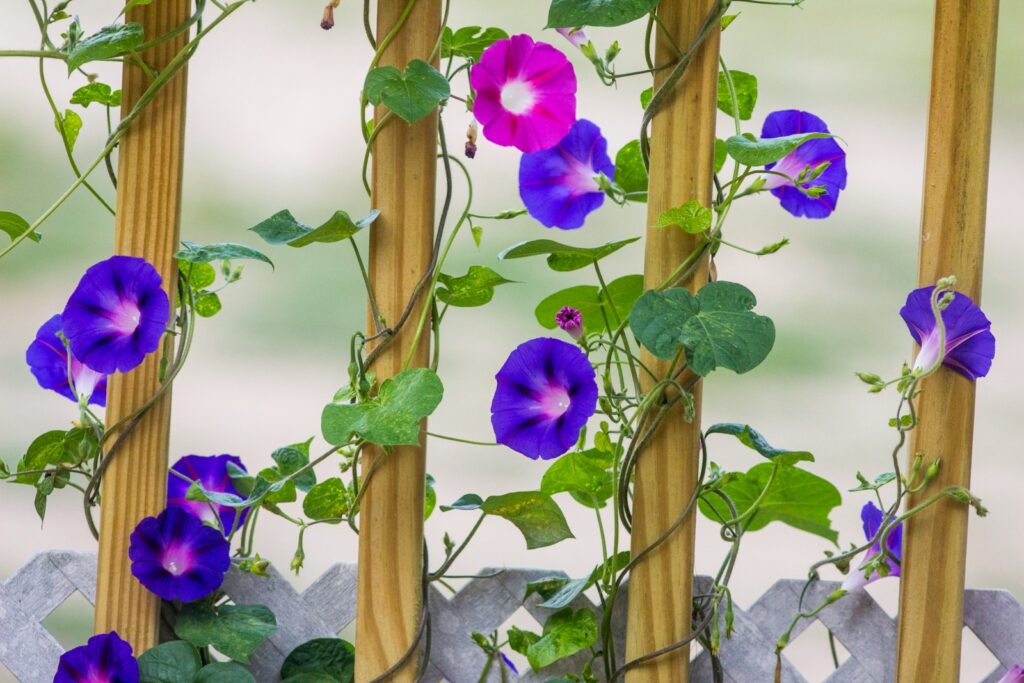
These lovely, twining vines are cherished for their vibrant flowers and rapid growth. However, morning glory can become a nuisance as it climbs over and smothers other plants in your garden. With its tendency to self-seed, it can pop up in unexpected places, making it a constant chore to keep in check. If you choose to plant morning glory, dedicate a specific area for it and monitor its growth closely to avoid unwanted invasions.
6. Ornamental Grasses
While ornamental grasses can add texture and movement to your garden, some species can become invasive. For instance, Miscanthus and Phragmites can spread quickly and outcompete native plants. It’s essential to research the specific type of ornamental grass you wish to plant and choose non-invasive varieties. Additionally, regular maintenance, including cutting back old growth in early spring, can help keep these plants manageable.
7. Foxglove
Foxglove is a stunning perennial that produces tall spikes of tubular flowers, often seen in cottage gardens. However, this beautiful plant can pose risks, especially if you have pets or small children. All parts of the foxglove plant are toxic if ingested. As a gardener, if you are not comfortable managing this risk, it’s wise to choose safer alternatives. If you decide to plant foxglove, ensure it’s in a location where children and pets cannot access it.
Tips for Avoiding Regret in Your Garden
To prevent future gardening regrets, here are some practical tips:
Do Your Research: Before planting any new species, research its growth habits, potential invasiveness, and care requirements. Local extension services and gardening clubs can offer valuable insights.
Consider Your Space: Evaluate the size of your garden and the amount of maintenance you’re willing to commit. Some plants require more attention than others, especially as they mature.
Plan for Growth: Keep in mind how large a plant will become at maturity. A lovely small shrub may grow into a massive bush that overshadows your entire garden.
Regular Maintenance: Regular pruning and maintenance can help keep aggressive plants in check. Set a schedule for monitoring growth, especially for species known to spread.
Choose Native: Consider planting native species, which tend to be better adapted to your local climate and soil conditions. They also support local wildlife and often require less maintenance.
By carefully selecting plants and monitoring their growth, you can create a garden that flourishes without overwhelming you. Remember, gardening is a learning experience — and even the most seasoned gardeners can find themselves faced with a plant they wish they hadn’t chosen. With knowledge and awareness, you’ll be equipped to make the best decisions for your unique gardening space. Happy gardening!