7 Plants You Should Divide Every Spring
If you’ve ever noticed your garden looking a little tired or your favorite plants not blooming as much as they used to, dividing perennials in spring could be the answer. Giving certain plants a fresh start each year helps them thrive, keeps your garden lively, and even gives you more plants to share.
Splitting up perennials isn’t just for expert gardeners. It’s a simple step that can make a big difference in how your garden looks and grows.
Hostas
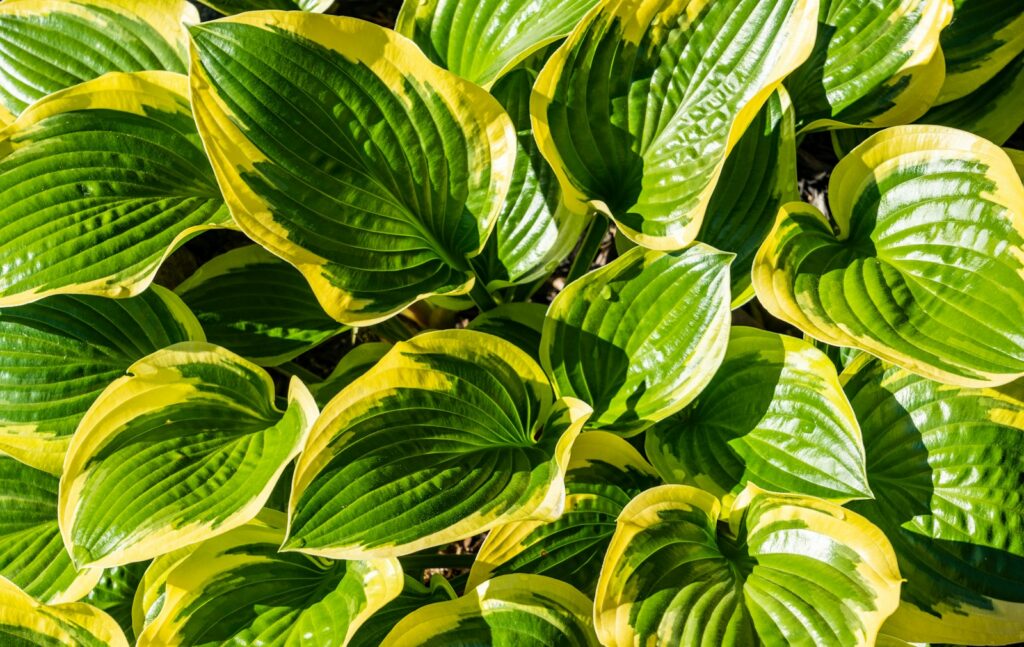
Hostas are a classic favorite and one of the easiest plants to divide. If your hostas are starting to look crowded, spring is the perfect time to give them some space.
Divide them just as the new leaves begin to peek out of the ground. This way, the plants are ready to grow but not yet stressed by heat.
Dig up the whole plant and gently separate it into smaller sections. Each piece should have roots and some shoots.
Replant the new divisions in fresh soil. This keeps your hostas healthy and gives you more lush foliage for shady spots.
Sharing extra hostas with friends is a bonus. It’s a quick way to fill out your garden without spending extra money.
Asters
Asters bring bright color to the garden and benefit from being divided in spring. When asters get too crowded, they can stop blooming as much.
Wait until you see new growth before digging up the clump. Use your hands or a sharp knife to break the root ball into smaller pieces.
Each division should have some shoots and roots. Replant right away and give them a good drink of water.
Dividing asters helps them grow stronger and bloom better in the fall. You’ll also have more plants to move around or share.
Daylilies
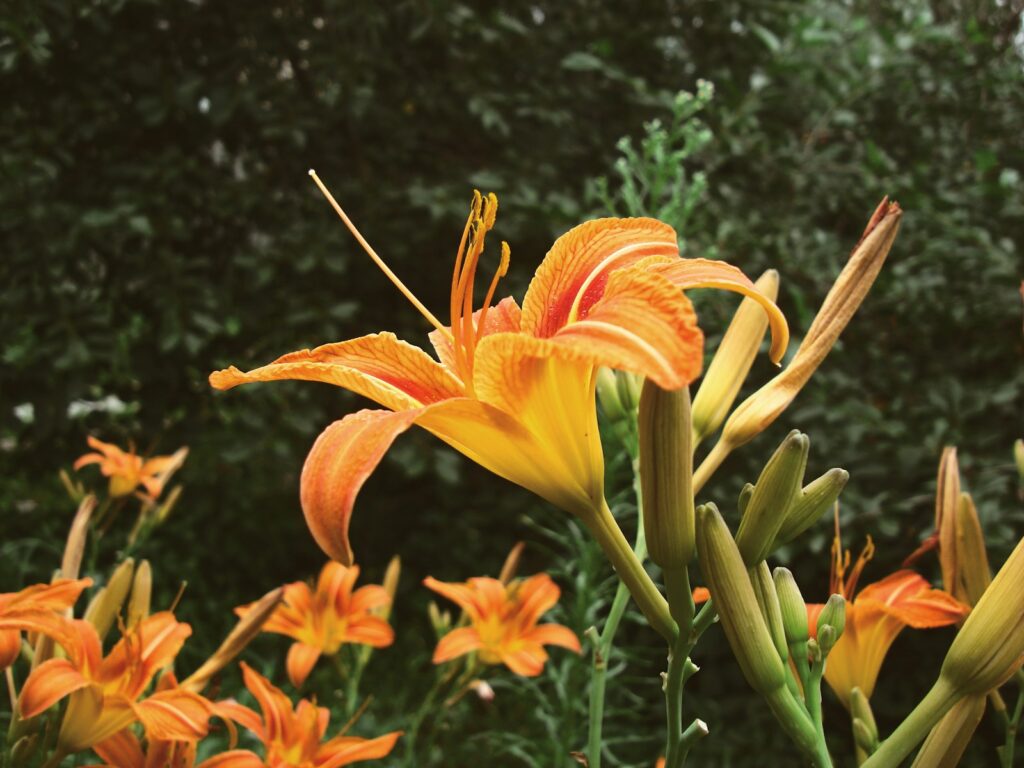
Daylilies can start to look tired if they’re left alone for too long. Dividing them every few years keeps them blooming and looking their best.
Dig up the whole clump in early spring. Rinse off the roots so you can see where to separate.
Pull or cut the clump into sections, making sure each one has roots and leaves. Spring is the best time for this because daylilies bounce back quickly.
Plant the new sections wherever you want more color. You’ll notice healthier growth and more flowers each season.
Bee Balm (Monarda)
Bee balm is a magnet for pollinators and grows fast. If you don’t divide it, it can take over your garden.
Early spring is the time to dig up bee balm clumps. Split the roots and remove any old, dead parts from the center.
Replant the healthy pieces about a foot apart. This keeps bee balm growing strong and stops the center from dying out.
Dividing bee balm gives you fuller blooms and more color. It’s also a great way to share with neighbors or fill in empty spots.
Sedum
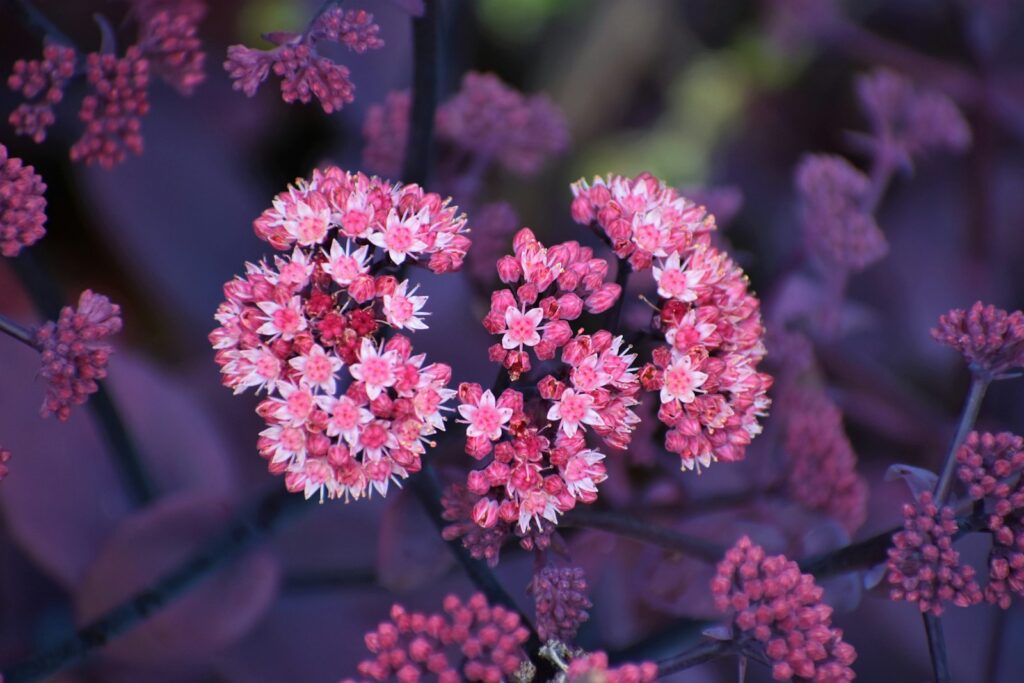
Sedum is a tough, low-maintenance plant that sometimes gets crowded. Dividing it in spring helps keep it looking neat.
Wait for new growth to appear, then dig up the clump. Use your hands or a knife to separate it into smaller sections.
Replant the divisions in fresh soil. Sedum recovers quickly, even if it looks a little stressed at first.
By splitting sedum every few years, you’ll get more flowers and a tidier garden. It’s a simple way to keep things looking fresh.
Peonies
Peonies are stunning in any garden. If your peonies are blooming less or the clumps are getting crowded, it’s time to divide.
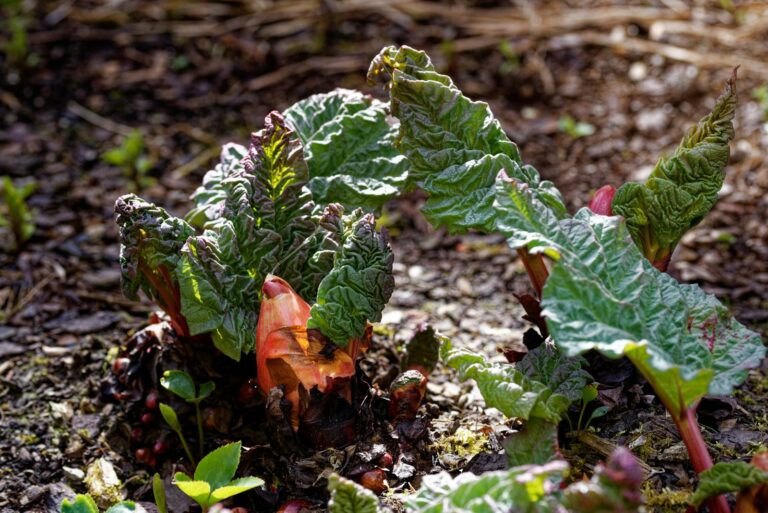
Do this in early spring when the red shoots start to grow. Dig up the plant and cut the roots into sections, making sure each piece has at least three pink eyes.
Replant the divisions with plenty of space between them. Peonies don’t need dividing every year, so spacing it out helps them stay healthy.
With a little care, your peonies will reward you with big, beautiful blooms.
Phlox
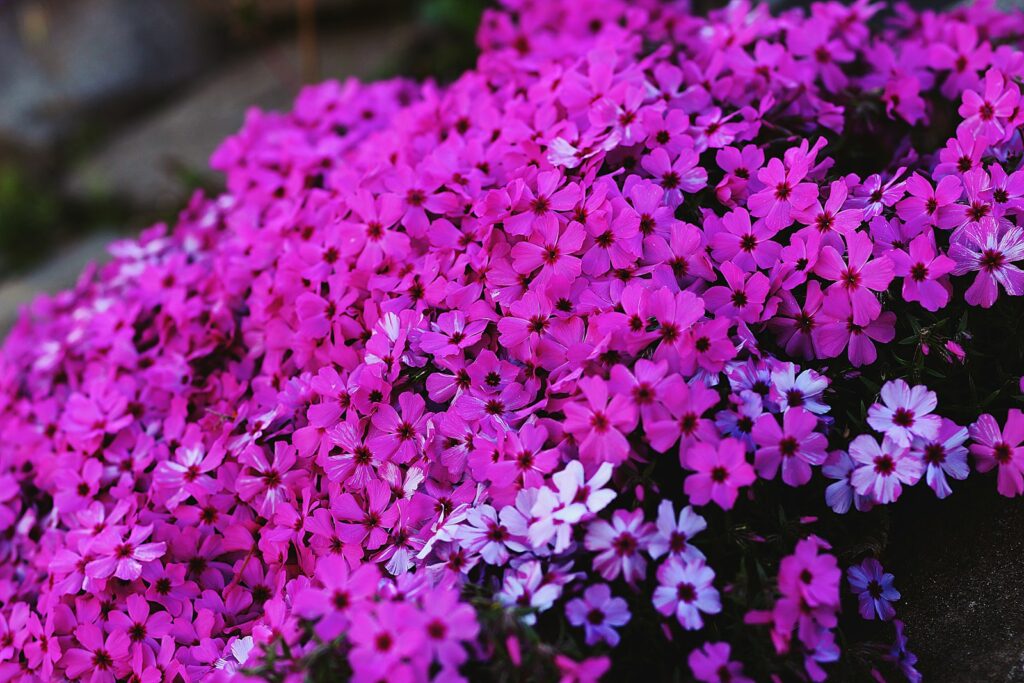
Phlox is known for its bright, cheerful flowers. If it starts looking thin or crowded, dividing in spring can make a big difference.
Dig up the clump as soon as new growth appears. Look for pieces with a few strong shoots and roots.
Split the plant and replant the sections in loose, well-drained soil. Water well to help them settle in.
Dividing phlox every few years spreads color throughout your garden and keeps the plants blooming strong.
Why Dividing Perennial Plants Matters
Dividing perennials is a smart way to keep your garden healthy and vibrant. It helps prevent plants from getting too crowded and gives them more room to grow.
Splitting up mature clumps also removes old, weak parts. This keeps your plants strong and less likely to get sick.
When you divide, you refresh the soil around the roots. Plants get better access to water and nutrients, and they bounce back faster after winter.
Dividing also encourages new growth and more flowers. If your perennials aren’t blooming like they used to, giving them some space can bring back their best display.
Keeping your garden from getting overcrowded means every plant gets its fair share of sun and water. Your whole garden will look more balanced and tidy.
Best Spring Division Practices
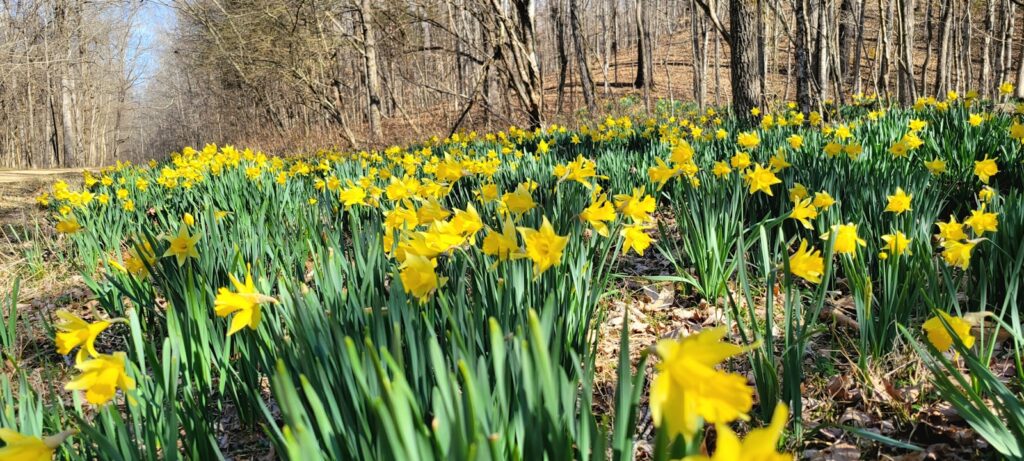
A little preparation goes a long way when dividing perennials. Having the right tools on hand makes the job easier.
You’ll need sharp scissors or a knife, a shovel or garden fork, and a bucket for holding new divisions. Clean tools help prevent the spread of disease.
Gloves protect your hands while you dig and split roots. Keep fresh potting soil or compost nearby for replanting.
Water the area before you start. Moist soil is easier to work with and less stressful for the plants.
After you’ve divided and replanted, water the new sections well. This helps the roots settle in and start growing right away.
Timing Tips for Specific Climates
Spring is a great time to divide plants, especially when they’re just starting to wake up and grow. In cooler climates, keep an eye out for those first new shoots and plan to divide early.
This helps your plants settle in before the weather heats up. If you garden in a milder or warmer place, you might wait a bit longer until the soil feels moist and the temperatures are more stable.
Try not to divide during dry spells or when it’s really hot, since plants can have a hard time recovering. If you live somewhere that still gets frost, it’s better to wait until after the last hard freeze.
That way, your new plant divisions are less likely to get damaged by cold snaps. Checking your local weather before you dig in can make all the difference for healthy, thriving plants.