7 Shade-Loving Plants That Add Instant Color to Your Garden This Spring
If you have a shady yard or balcony, you know how tough it can be to find plants that actually thrive there. It’s easy to feel stuck with bare, boring corners, but you don’t have to settle for dull greens or empty spaces.
There are plenty of plants that love the shade and will fill those spots with color and personality. With a few smart choices, you can turn even the darkest corners of your garden into vibrant highlights.
Coleus with its bold, multicolored foliage

Coleus is perfect for anyone looking to brighten up shady areas. Its leaves come in a wild range of colors, from deep reds and purples to lime greens and yellows.
Each coleus plant has a unique pattern, so you can mix and match for a really eye-catching effect. Coleus does well in low light and is just as happy in pots as it is in garden beds.
It grows quickly from seed, letting you try out different varieties with little effort. Just keep the soil moist and it will reward you with bold color all season.
Impatiens for bright, long-lasting blooms
Impatiens are a go-to for adding pops of color to shady spots. Their flowers come in shades of pink, red, white, and more, making them a favorite for low-light gardens.
They look great in garden beds, pots, or hanging baskets. Impatiens like a bit of morning sun but will still bloom in full shade.
They’re easy to care for, just keep the soil moist but not soggy. You can find varieties with bigger flowers or fun leaf patterns if you want to switch things up.
Caladiums with vibrant, heart-shaped leaves

Caladiums are a solid pick if you want dramatic leaves in shady spaces. Their heart-shaped leaves show off bright pinks, reds, whites, and greens.
There’s a huge variety to choose from, with some featuring creamy edges and others sporting bold veins. Every caladium feels a bit different, so you can create a custom look.
They do best with filtered light or morning sun and need soil that stays moist but drains well. Caladiums aren’t fussy and add a tropical vibe wherever you plant them.
Begonias that bloom beautifully in shade
Begonias bring color and texture to any shady spot. Their flowers are bright and cheerful, and the leaves can be smooth, velvety, or patterned for extra interest.
Some begonias are perfect for hanging baskets, trailing over the edges with blooms. Others are compact and fit well in containers or small garden beds.
They’re low-maintenance, needing just moist soil and protection from harsh sun. Begonias will keep blooming from spring through fall, keeping your garden lively.
Hostas offering lush, textured greenery

Hostas are a classic for shady gardens, known for their big, textured leaves in shades ranging from deep green to blue-green and variegated patterns.
They’re easy to grow and come in lots of sizes, so you can use them as ground cover or as standout features. Hostas only need regular watering and occasional feeding.
Some varieties even send up delicate flowers in summer, adding a subtle touch of color and attracting pollinators. Their lush foliage gives any garden a full, layered look.
Bleeding Heart with charming, heart-shaped flowers
Bleeding Heart is a sweet addition to shady gardens, with pink or white heart-shaped flowers that dangle from arching stems. They bloom in early spring and bring a gentle pop of color.
This plant likes cool, moist soil and partial shade, making it a good fit under trees or along shady borders. After blooming, it usually takes a break during the hot months.
The fern-like foliage sticks around, adding texture even when the flowers are done. Bleeding Heart pairs well with other shade lovers and brings a touch of elegance to your garden.
Ferns adding rich texture to shady spots

Ferns are a must for adding texture and interest to dark corners. Their fronds range from soft and feathery to bold and structured, offering lots of variety.
Most ferns do well in low light and stay green all season. They work nicely with other shade plants or on their own for a simple, lush look.
Ferns are easy to care for and don’t need much attention once planted. Some, like the Japanese painted fern, even have hints of silver and purple for extra color.
Choosing The Right Shade-Loving Plants
Picking plants for shady spots means thinking about how much light each area gets and what your soil is like. These details make a big difference in how your garden turns out.
Understanding Light Levels
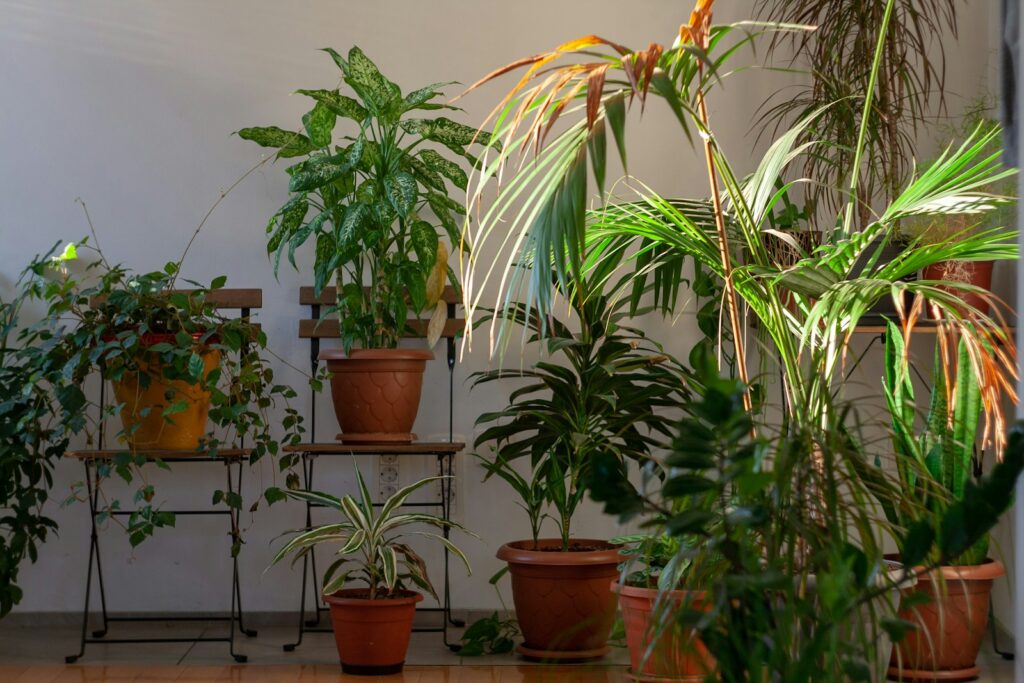
Shade isn’t one-size-fits-all. Full shade means less than three hours of direct sunlight a day, while partial shade gets a bit more, usually in the morning or late afternoon.
Watch your garden throughout the day to see where the sun hits and for how long. Some plants like deep shade, while others need a touch of sun to do their best.
Matching plants to the right light level helps you avoid weak growth or missing flowers. For example, ferns handle deep shade, but bleeding hearts prefer dappled light.
Soil And Watering Tips
Shade plants often grow under trees or near buildings, where the soil can be dry or crowded with roots. Testing your soil helps you know if it’s sandy, loamy, or clay.
Most shade-loving plants prefer rich, well-drained soil. Mixing in compost can help keep moisture and nutrients where your plants need them.
Keep the soil evenly moist, especially for new plants. Shade plants usually need less water than sun lovers, but don’t let them dry out completely.
Check soil moisture with your finger, if it feels dry an inch down, it’s time to water. Good drainage is important to prevent root problems.
Enhancing Your Garden’s Appeal
Shady gardens can be just as lively and colorful as sunny ones. Mixing different shades and textures helps you create a space that feels full of life.
Color Combinations That Pop

Bright colors like red, pink, and white stand out in low light. Pairing bold shades with softer greens or lavenders keeps things balanced.
Try combining deep burgundy leaves with bright blooms for contrast. Mixing ferns with colorful flowers like astilbe adds both texture and pops of color.
Here are a few combos to try:
- Bright pink flowers with dark green foliage
- White blooms with purple leaves
- Red flowers with soft green ferns
These mixes will keep your garden looking fresh and interesting, even in the shade.
Companion Planting Ideas
If you have a shady spot in your yard, you know it can be tricky to find the right plants. Pairing shade-loving plants together can make those areas look lush and interesting.
Try mixing plants of different heights for a layered effect. For example, place tall hostas in the back and let creeping Jenny fill in the front.
Leaf texture also makes a big difference. Ferns with their delicate fronds look striking next to the broad leaves of hostas.
Here are some combinations to consider:
- Hostas with Astilbe
- Ferns paired with Coral Bells (Heuchera)
- Bleeding Heart and Lungwort
Stick with plants that have similar water needs to keep maintenance simple. With the right companions, your shade garden can become a favorite spot in your yard.