7 Signs a Plant Is Dying and How to Save It Quickly
Ever had a plant that just looked a little off, but you weren’t sure what was wrong? Sometimes, a few small changes can make all the difference between a droopy plant and one that’s thriving on your windowsill.
Spotting trouble early is the best way to keep your green friends healthy. If you know what to look for, you can catch problems before they get out of hand.
Wilting leaves despite watering
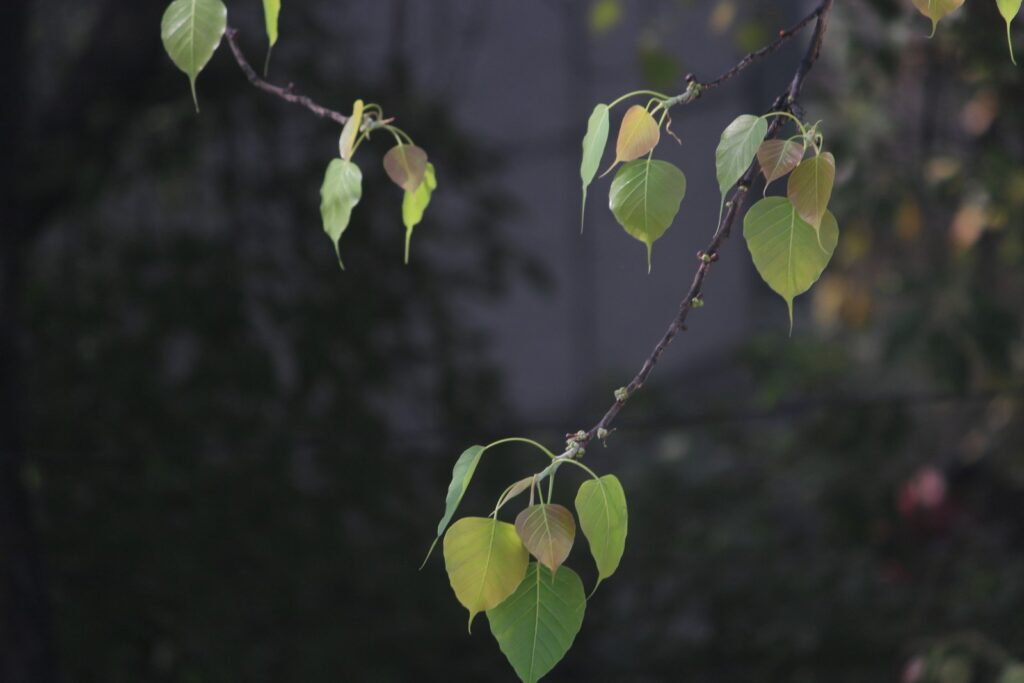
Wilting leaves can be confusing, especially if you’re watering your plant regularly. The roots might not be taking up water, even if the soil feels damp.
This can happen when roots are damaged or the soil stays soggy for too long. Overwatering often causes root rot, making roots die off and leaves droop.
Heat can also make plants wilt, especially in the afternoon. If wilting lasts all day, your plant may need deeper watering or some shade.
Let the soil dry out a bit if it’s too wet. Loosening compacted soil helps roots breathe, and mulching keeps moisture steady.
Yellowing or browning leaf edges
Crispy or yellow leaf edges usually mean something is off with water or humidity. Dry air or missed waterings can cause fragile, brittle edges.
Sometimes, a lack of nutrients—especially potassium—leads to brown, unhealthy leaf margins. A balanced fertilizer or compost can help.
Too much direct sunlight or extreme temperatures can also burn leaf edges. Moving your plant to a spot with softer light might make a difference.
Check your watering routine. Overwatering can also show up as brown or yellow edges, so make sure the soil isn’t staying soggy.
Soft or mushy stems indicating rot
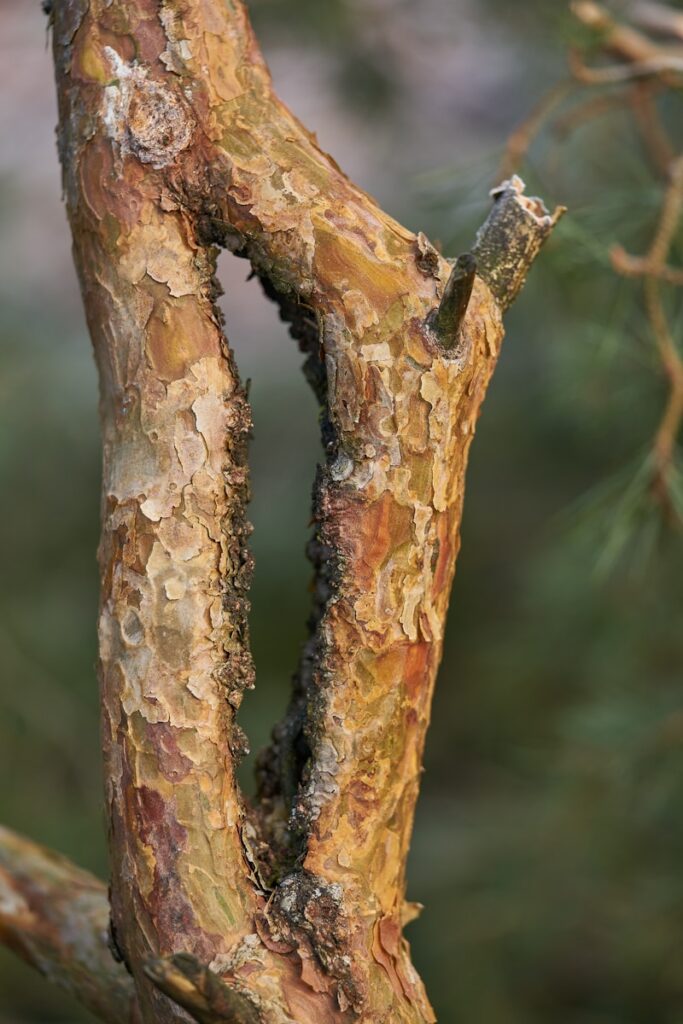
A soft, mushy stem is a warning sign of stem rot. The base may look discolored or black, and this usually means harmful fungi or bacteria are at work.
Soil that stays wet for too long is often the cause. When roots can’t get enough oxygen, they decay, and the stem weakens.
If you spot mushy areas, trim them away with clean scissors. Repot your plant in fresh, well-drained soil and cut back on watering.
Good airflow and careful watering can help stop the rot from spreading. Acting quickly gives your plant a better shot at recovery.
Dropping leaves unusually fast
When a plant starts dropping leaves faster than normal, it’s a clear sign something’s not right. Leaves naturally fall off, but a sudden increase means trouble.
Overwatering is a common culprit. Soggy roots can’t get air, leading to yellowing and leaf drop.
If the soil is bone dry, your plant might be thirsty. Crispy, dried leaves fall off as the plant tries to conserve moisture.
Sudden changes in light or temperature can shock plants, causing them to lose leaves. Pests or diseases are another possibility, so check for spots or bugs.
Fixing the problem quickly—by adjusting watering, moving the plant, or treating pests—can help your plant recover.
Slow or no new growth
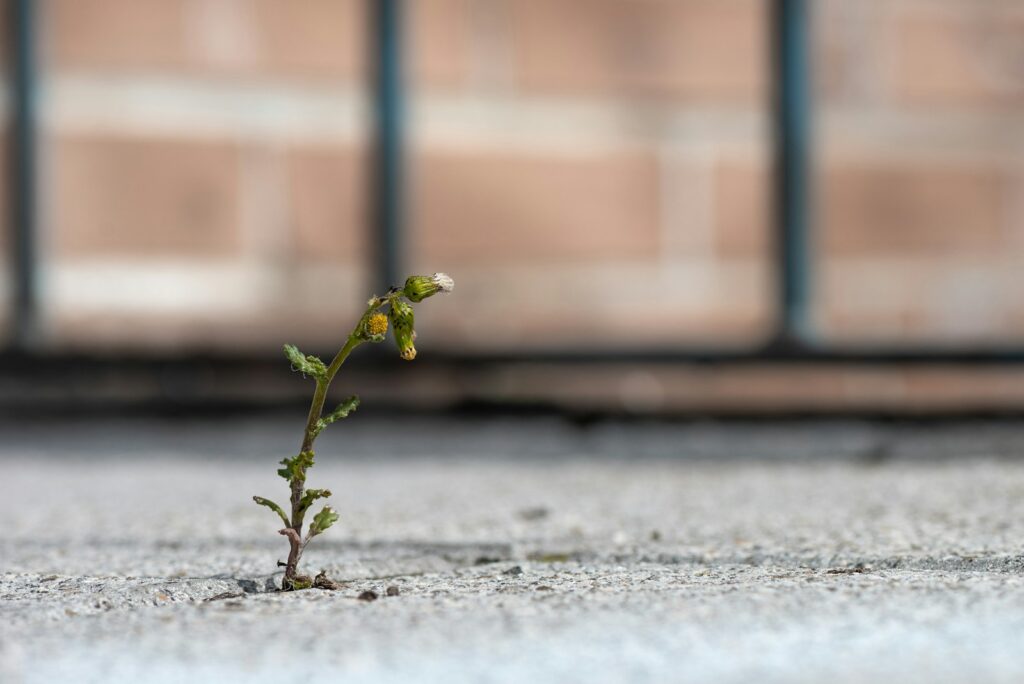
If your plant seems stuck and isn’t growing new leaves or stems, it may be stressed or unhealthy. Lack of nutrients is a common reason for slow growth.
Try adding a balanced fertilizer if you haven’t fed your plant in a while. Not enough light can also slow things down, so make sure your plant gets the right amount for its type.
Roots that are cramped in a small pot can stop a plant from growing. If the pot looks crowded, repot into something a little bigger with fresh soil.
Keep an eye on temperature, too. Plants don’t like big swings from hot to cold.
Pests like spider mites or aphids present
Leaves that curl, yellow, or show brown patches might be under attack from pests like spider mites or aphids. These bugs feed on sap, making leaves weak and growth slow.
Spider mites leave tiny holes or specks, and aphids cluster on new growth, twisting leaves out of shape.
Wash off pests with a gentle spray of cold water. Keep checking your plant so you can act fast if you spot bugs.
Dry, compacted soil visible
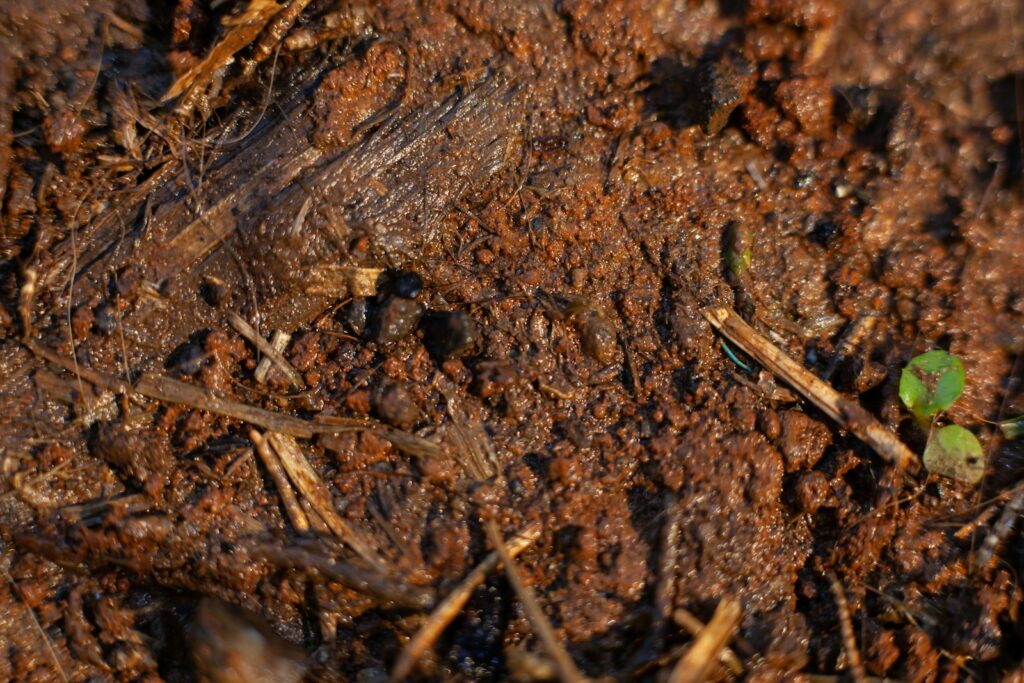
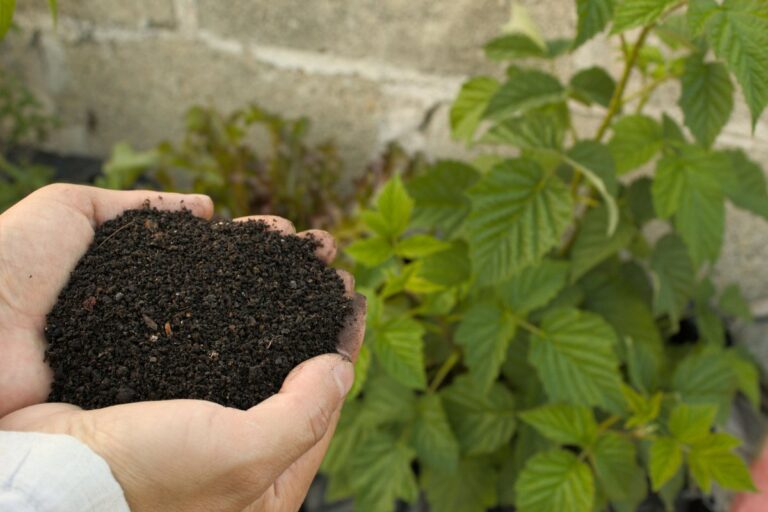
Dry, hard soil on top of your plant’s pot is a sign the soil is compacted. Compacted soil doesn’t let water drain or roots breathe, which can slow growth and weaken your plant.
You might see the soil pulling away from the pot’s edges or notice cracks. Even regular watering won’t help if the roots can’t soak up moisture.
Loosen the soil gently with your fingers or a small tool. Repotting with fresh, light soil that drains well can make a big difference.
Understanding Why Plants Decline
Plants can start to struggle when something in their environment or care routine goes off track. Catching these issues early gives you a better chance to turn things around.
Environmental Stress Factors
Light is a big deal for plants. Too much sun burns leaves, while too little makes them pale and weak.
Temperature swings can shock plants and slow their growth. Water problems are also common—roots drown with too much water and dry out with too little.
Humidity matters, especially for tropical plants. Poor soil blocks nutrients, and pests or diseases can damage leaves and roots.
Common Mistakes in Plant Care
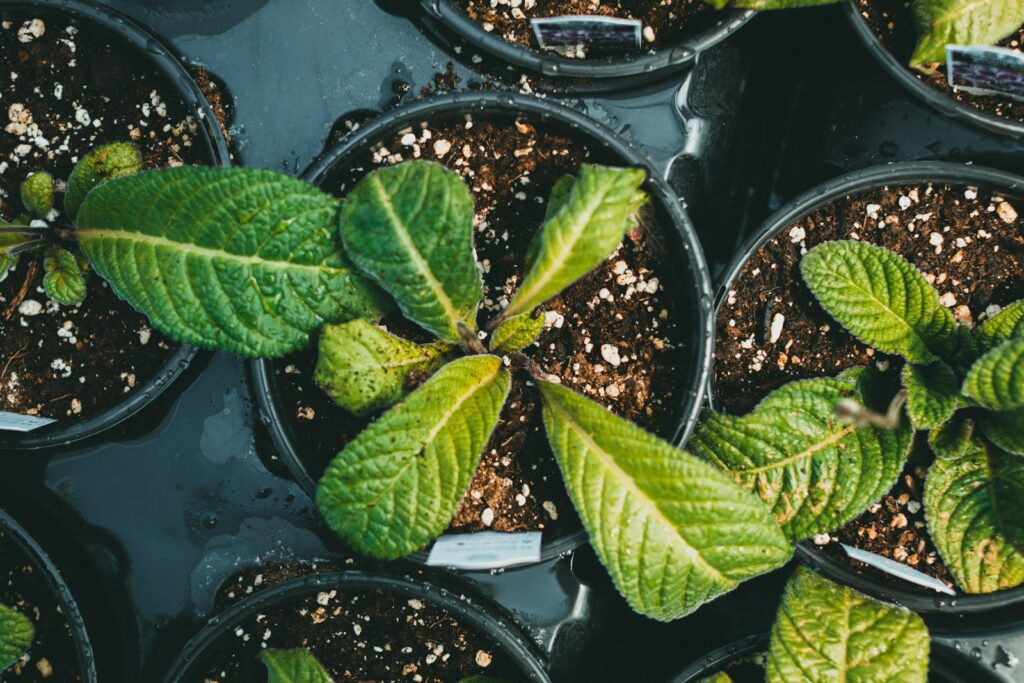
Watering habits can make or break your plant’s health. Some plants like their soil to dry out, while others want constant moisture.
Using the wrong pot size or soil type can lock out air and nutrients. Repotting too often or using too much fertilizer can also stress your plant.
Ignoring little warning signs like wilting or spots can let problems get worse. Paying attention helps you catch trouble early.
Best Practices for Reviving Struggling Plants
A few small changes can help a struggling plant bounce back. Pay attention to how much water it gets and where you place it.
Adjusting Watering Habits
Check the soil before watering. If it’s dry about an inch down, it’s time to water. If it’s still damp, wait a bit longer.
Water slowly and evenly so moisture reaches the roots. Make sure your pot drains well, and never let your plant sit in standing water.
Adjust your watering routine with the seasons and humidity. Plants often need less water in cooler months and more during growth spurts. Taking notes can help you avoid over- or underwatering.
Optimizing Light and Placement
Figuring out the right spot for your plant can feel tricky. Every plant has its own preferences when it comes to light.
Most houseplants thrive in bright, indirect light. Too much direct sun can scorch their leaves, while too little can leave them looking sad and stretched out.
Try placing your plant near a window where the sunlight is filtered. If your space is a bit dim, a grow light for several hours a day can fill in the gaps.
Give your plant a little spin every so often so each side gets some attention from the light. This helps it grow straight instead of reaching in one direction.
Temperature plays a role, too. Avoid putting your plant near cold windows or right next to heating vents.
A steady environment helps your plant feel at home and bounce back from stress.