7 Signs Your Soil Is Healthier Than You Think That Will Blow Your Mind
Ever wonder if your garden is thriving more than you realize? Sometimes, the best clues are right under your feet.
Soil is more than just the stuff that gets under your fingernails. It’s the hidden powerhouse that can make or break your garden.
Rich, dark soil color signaling high organic matter
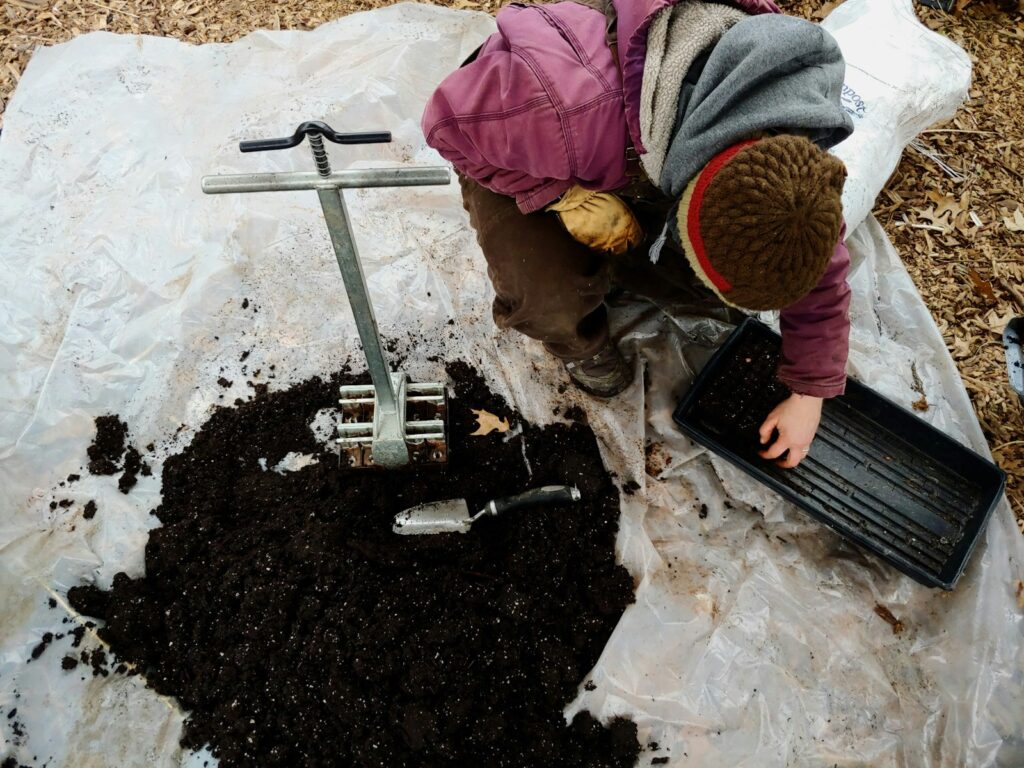
Spotting rich, dark soil in your garden is always exciting. This deep color usually means your soil is packed with organic matter that holds nutrients and water for your plants.
Dark soil also hints at healthy microbial life. These tiny organisms break down organic material, turning it into food for your plants.
If your soil looks pale or washed out, it might be missing nutrients. But when it’s dark and crumbly, it’s a sign that your garden is full of “black gold” for your plants.
Next time you dig, check the color. Rich, dark soil tells you your garden has a strong foundation for plant health.
Earthy, pleasant smell indicating healthy microbial life
Dig into your soil and catch a fresh, earthy smell? That’s a great sign. This scent means your soil is full of active microbes working hard beneath the surface.
The smell comes from a natural compound called geosmin, released as microbes decompose organic matter. Smelling this after rain or when you turn the soil is like a thumbs-up from your garden’s tiny helpers.
If your soil smells sour or rotten, that’s a red flag. Sour smells usually mean water is trapped and oxygen is low, which can hurt roots.
When your soil smells fresh and earthy, you’ve got a healthy, living ecosystem ready to support strong plants.
Soil crumbles easily and feels loose to the touch
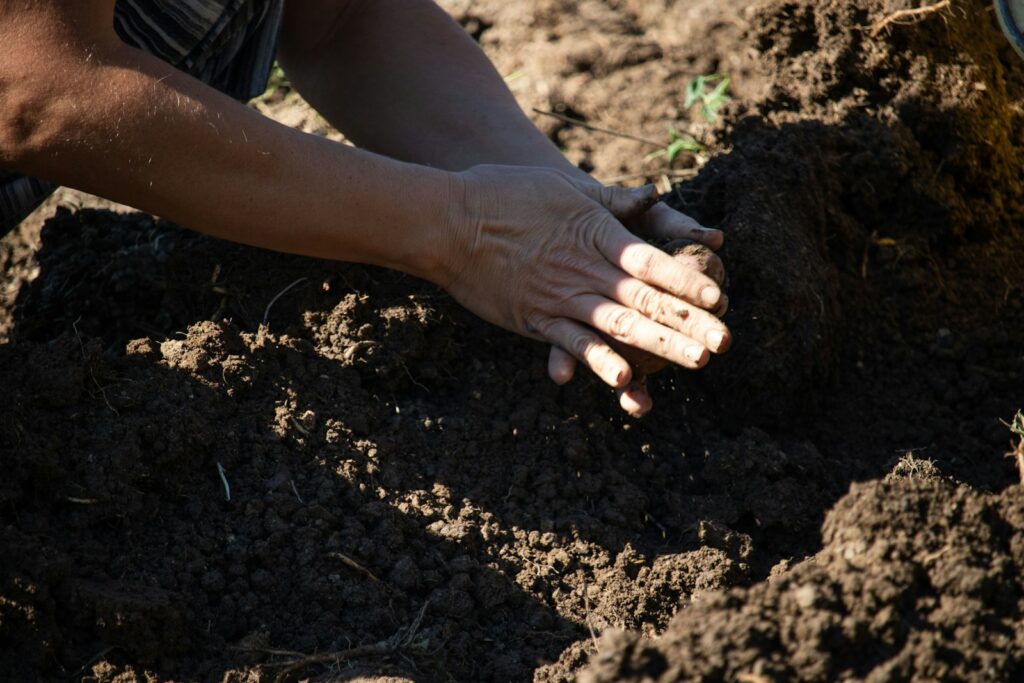
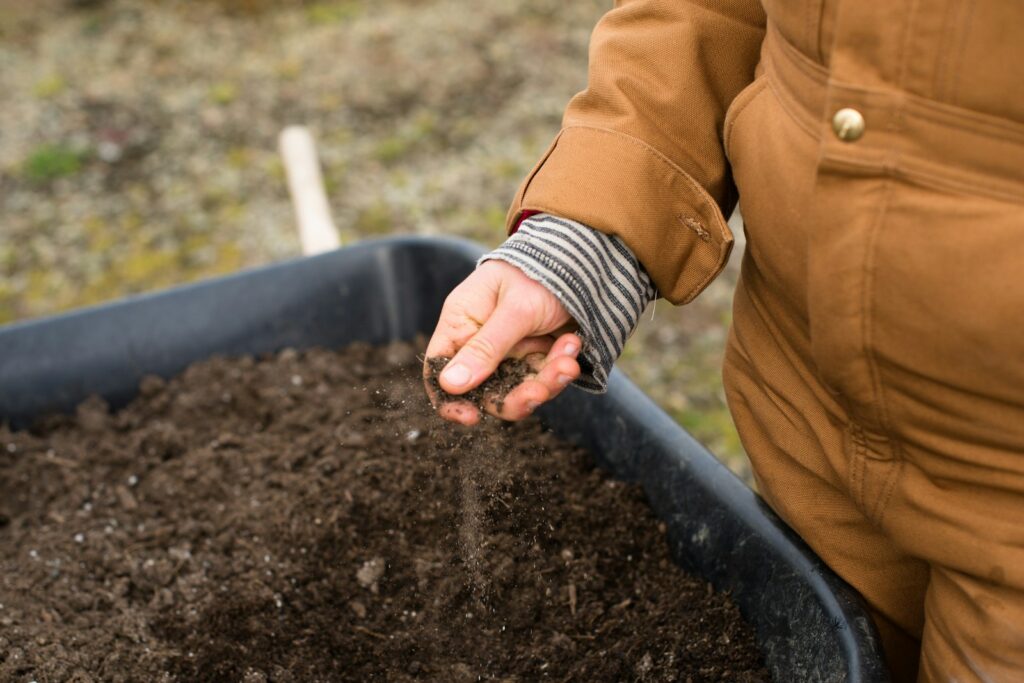
When your soil crumbles easily, you’re on the right track. Good structure means it’s not packed too tight, and air and water can move through freely.
Try picking up a handful and squeezing it gently. If it falls apart without much effort, your soil is healthy and full of life.
You’ll also notice how soft and light it feels. This makes it easier for roots to grow and for nutrients to move around.
Loose, crumbly soil supports healthy plants and keeps water from pooling. When your soil feels this way, your garden is off to a strong start.
Abundant earthworm activity aerating and enriching soil
Seeing earthworms wriggling in your soil is always a welcome sight. These little creatures tunnel through the earth, helping air and water reach plant roots.
Earthworms break down dead plants and organic matter, releasing nutrients that plants love. Their castings—those small piles of rich soil—mean your garden is full of life.
Their movements mix the soil, improving texture and making it easier for roots to grow deep. Earthworm activity also supports helpful microbes that keep your soil healthy.
When your soil is busy with earthworms, you’re getting natural aeration and enrichment. Your plants benefit from more air, water, and food—all thanks to these tiny helpers.
Presence of diverse plant roots thriving without stress
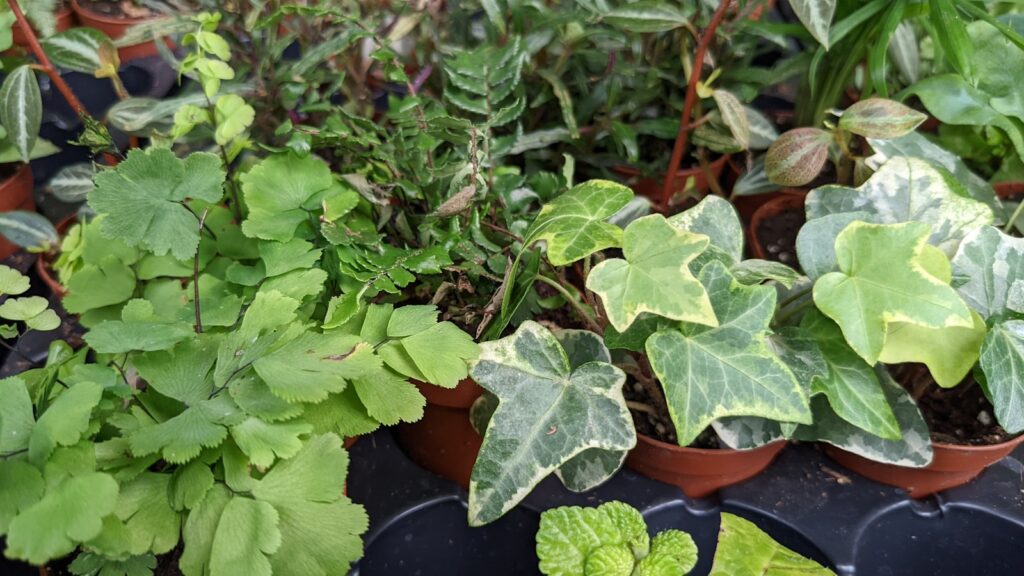
Notice a mix of different plant roots growing strong and without trouble? That’s a great sign. Roots that spread easily and reach deep into the soil are getting enough space, water, and nutrients.
When roots look full and healthy, without signs of crowding or damage, your soil is doing its job. The plants above ground will thank you by growing faster and looking greener.
A variety of root types, like thin feeder roots and thick anchor roots, shows that your soil supports different plants’ needs. This diversity helps your garden stay strong through changes in weather or stress.
If you spot roots thriving and spreading with ease, your soil is supporting a healthy garden future.
No signs of soil crusting or compaction on the surface
If your garden soil isn’t crusting or getting hard on top, that’s a win. Crusting happens when the surface gets hard and cracked after rain, which can block water and make it tough for seedlings.
Compaction squeezes air out of the soil, making it hard for roots to grow deep. If you can easily push a tool or your fingers into the soil, it’s likely not compacted.
No crusting or compaction means your soil has good structure. Roots can breathe, and water moves freely.
A healthy soil surface is a sign your garden is ready to support strong and happy plants.
Visible crumb structure with tiny pores holding moisture
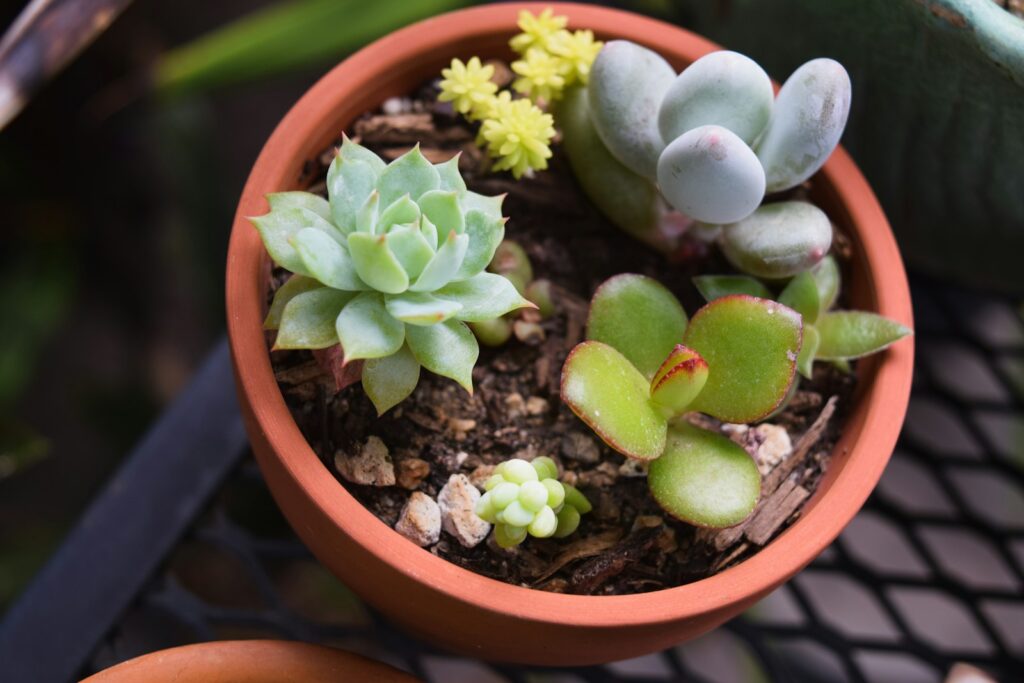
Healthy soil often has a crumbly texture made up of small aggregates. These crumbs create tiny pores that hold water where plant roots can reach it.
The small pores act like little water reservoirs, trapping moisture after rain or watering. This means your plants get the water they need for longer.
These pores also let air flow through the soil. Good air circulation helps roots breathe and supports beneficial microbes.
If your soil looks crumbly and feels soft, it’s doing a great job holding water and air together. That’s a clear sign your soil is healthier than you might think.
Understanding the Science Behind Healthy Soil
Healthy soil is alive with organisms working together to support plant growth. It stores and releases nutrients at the right pace and has a community of microbes doing important work beneath the surface.
Microbial Activity and Soil Vitality
The tiny microbes in your soil are the real powerhouses. Bacteria, fungi, and other microorganisms break down organic matter like dead leaves and roots, releasing nutrients your plants need.
High microbial activity means your soil is vibrant and full of life. You might notice that plant residues decompose quickly, which shows those helpful microbes are busy and healthy.
On the other hand, low microbial activity can be a sign of stress. Problems like compacted soil, poor moisture, or too much tilling can slow down these tiny workers.
Nutrient Cycling in Action
Your soil acts like a natural recycling system, storing nutrients and slowly releasing them so your plants get a steady supply over time. This nutrient cycling happens as soil microbes break down organic material and convert elements into forms plants can absorb.
Healthy soils keep nutrients balanced. For example, nitrogen moves through the system without disappearing or building up too much where it could harm plants.
You can spot good nutrient cycling if plant remains vanish quickly and your plants show steady growth and color.
How Soil Health Impacts Your Plants
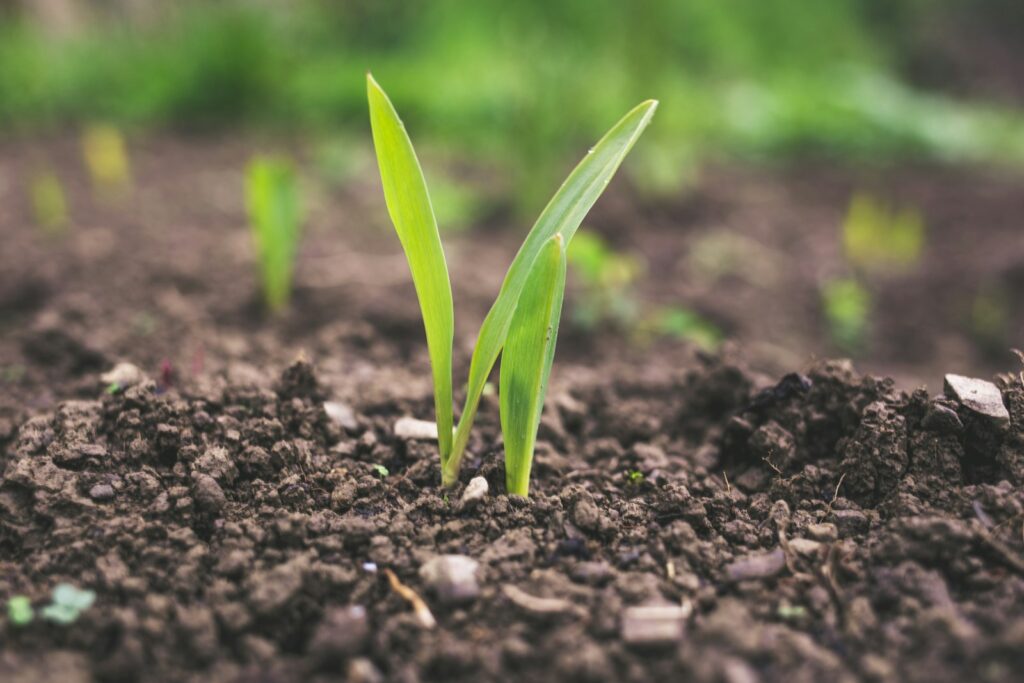
Your soil is the powerhouse behind your plants’ growth and strength. Healthy soil supports roots, helps plants soak up nutrients, and encourages a lively garden full of beneficial life.
Root Growth and Plant Resilience
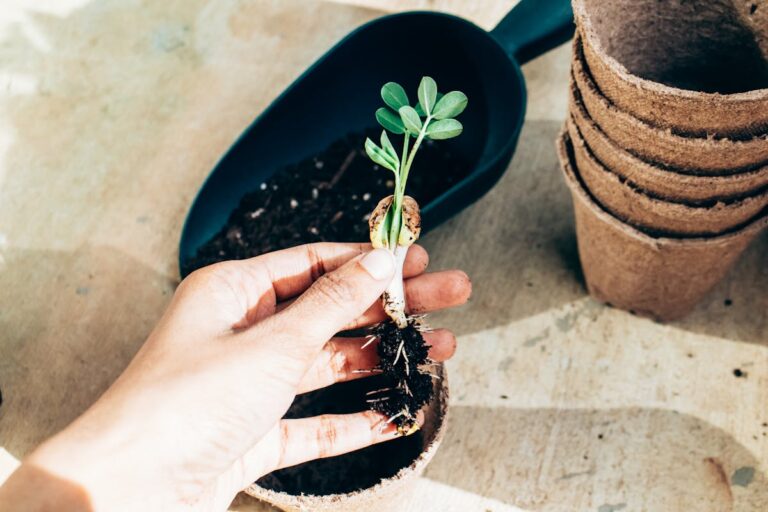
Strong roots start with healthy soil. When your soil is loose and full of nutrients, roots can dig deep and spread wide.
This helps plants absorb water and food more efficiently. Good soil also holds moisture but drains well, so roots don’t sit in water and rot.
Healthy roots make your plants tougher. They handle stress from drought, pests, and disease much better.
If your soil feels crumbly and rich, it’s a great sign that roots are growing well and your plants are ready to face challenges.
Visible Signs of Thriving Ecosystems
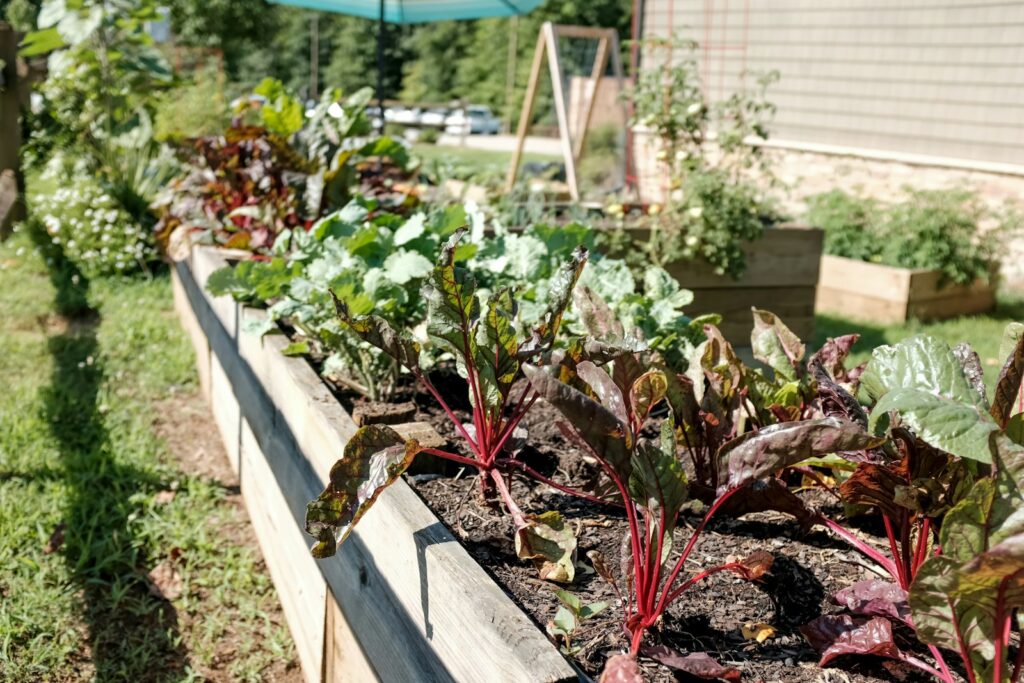
Ever dig into your garden and find a wiggling earthworm or smell that rich, earthy scent? These are clues that your soil is bustling with life.
Healthy soil is home to countless tiny helpers like earthworms, microbes, and fungi. You might notice the soil is crumbly and easy to work with.
When your plants look especially green and seem to bloom with little effort, that’s another good sign. Beneficial bugs and microorganisms are often hard at work breaking down nutrients and helping your plants fight off pests.
If your garden feels vibrant and full of activity, chances are your soil is thriving right along with it.