7 Ways to Protect Plants from Sudden Temperature Drops
A sudden cold snap can catch any gardener off guard. One chilly night is all it takes to undo weeks of hard work in your garden.
If you’ve ever woken up to wilted leaves or frostbitten stems, you know how frustrating it feels. Learning a few simple tricks can help you keep your plants safe and your garden looking great, no matter what the weather throws your way.
Apply a 2-4 inch layer of organic mulch around plant bases to insulate roots!

Adding a layer of organic mulch around your plants is a great way to shield them from sudden cold. Mulch acts like a blanket, keeping soil temperatures stable and roots cozy.
Materials like straw, shredded leaves, or pine needles are perfect for this. They create small air pockets that trap warmth and block out cold air.
Aim for a layer about 2 to 4 inches thick, but leave a little space around stems to prevent rot. Mulching also keeps the soil moist and slows down freezing and thawing.
As mulch breaks down, it feeds your soil, setting your plants up for a strong start in spring. This easy step can make a big difference on frosty nights.
Use frost blankets or frost protection cloths to shield plants during sudden cold snaps!
Covering your plants with frost blankets is a quick way to give them extra warmth. These covers hold heat close to your plants and keep cold air out.
Make sure your blanket reaches all the way to the ground. For especially cold nights, layering lighter blankets can add more protection.
Just lay the cloths over your plants before the temperature drops and secure the edges so they don’t blow away. They’re light enough to let air and moisture in, so your plants won’t suffocate.
Having a frost blanket on hand can save your garden when the weather turns suddenly cold.
Set up windbreaks using garden fabric or temporary barriers to reduce chilling winds!
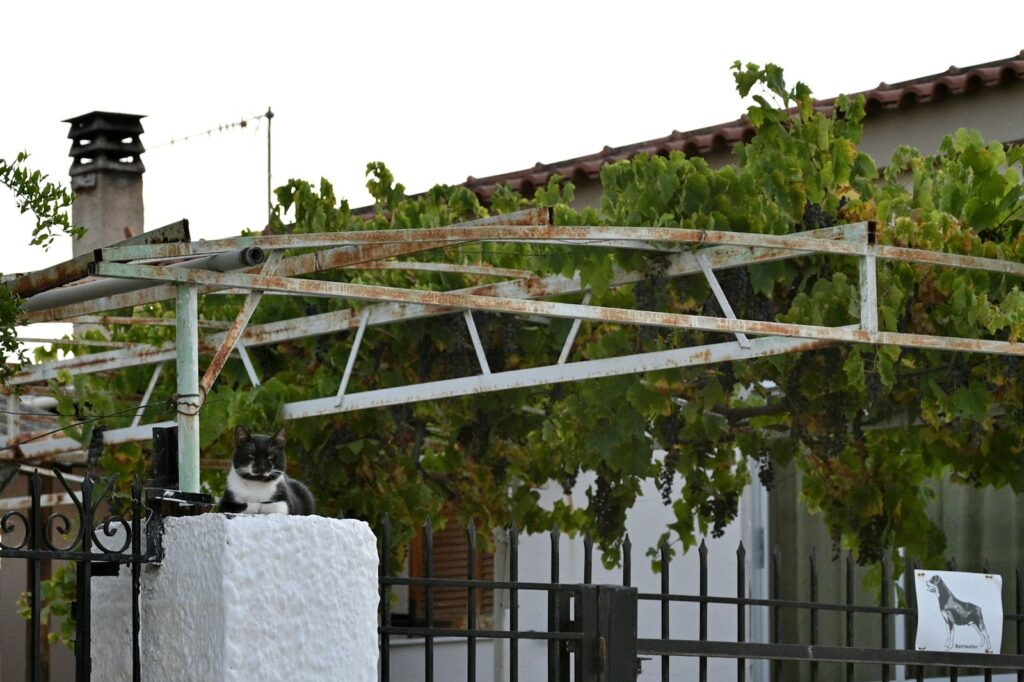
Cold winds can be just as damaging as frost. Setting up windbreaks with garden fabric or temporary barriers helps block those harsh gusts.
Garden fabric lets some air through but slows down strong winds, helping your plants stay warmer. Attach it to stakes or fences around your most vulnerable plants.
You can also use wooden panels, plastic sheets, or burlap as makeshift shields. These barriers are easy to set up and can be made from materials you already have at home.
Windbreaks are a quick fix when you see cold weather in the forecast.
Cover plants with row covers in late fall and early spring to prevent frost damage!
Row covers are a gardener’s best friend when the weather is unpredictable. These lightweight fabrics trap heat and protect your plants from chilly winds.
Just drape the cover loosely over your plants and secure the edges to the ground. This lets your plants keep growing while staying safe from frost.
Row covers can also help you start planting earlier in the spring or keep things going later into the fall. They come in different materials and thicknesses, so you can choose what works best for your garden.
Water plants thoroughly before cold nights to help retain soil warmth!
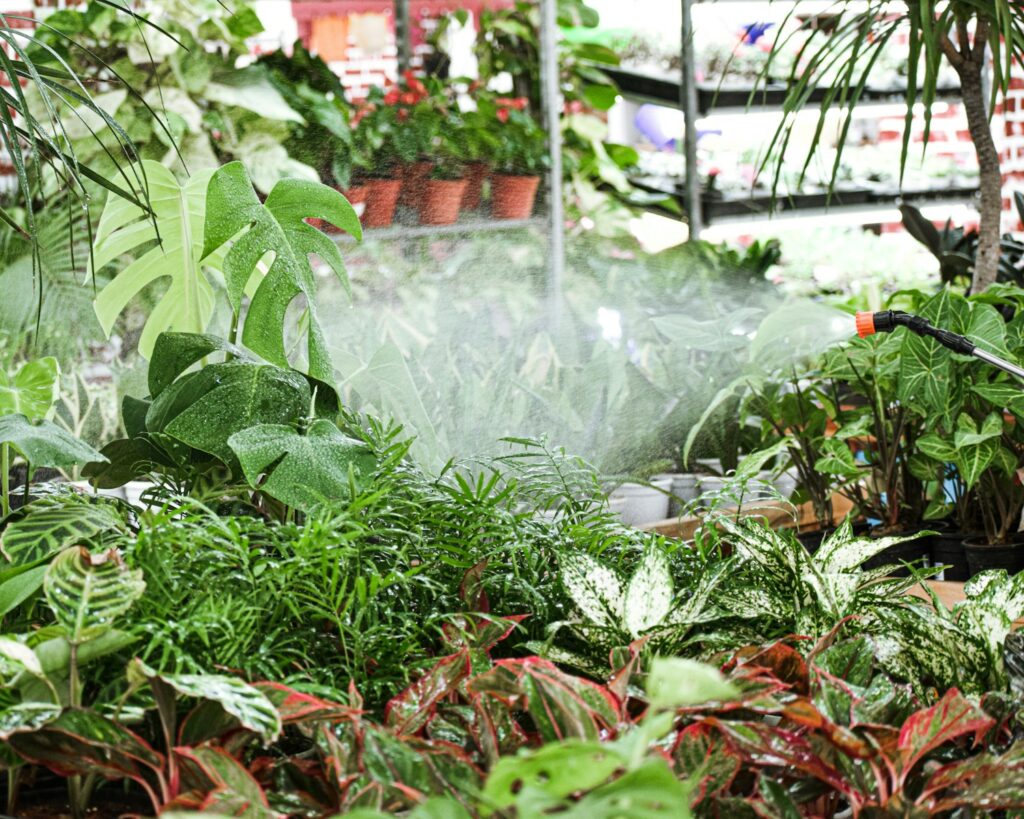
Giving your plants a good drink before a cold night can help them stay warmer. Moist soil holds heat better than dry soil, which keeps roots from freezing as quickly.
Water your plants a day or two before you expect a frost. This gives the soil time to absorb the water and release warmth overnight.
For potted plants, this step is even more important. Moist soil in pots helps keep roots insulated, and you can wrap pots with fabric for even more protection.
Don’t overdo it, though. The goal is damp, not soggy, soil.
Move potted plants indoors or into greenhouses when temperatures drop unexpectedly!
When you see a sudden cold snap coming, moving your potted plants indoors or into a greenhouse can be a lifesaver. These spaces protect your plants from frost and extreme cold.
If possible, let your plants adjust by moving them to a shaded outdoor spot for a few days before bringing them inside. This helps reduce stress from the change in light and temperature.
Inside, keep plants away from cold drafts and heating vents. Greenhouses provide steady warmth and humidity, which helps prevent leaf drop.
Some plants can handle cooler temperatures, but if you’re unsure, it’s safer to bring them in. A little effort now can save you a lot of heartbreak later.
Use cloches or garden jars to create mini greenhouses over delicate seedlings!
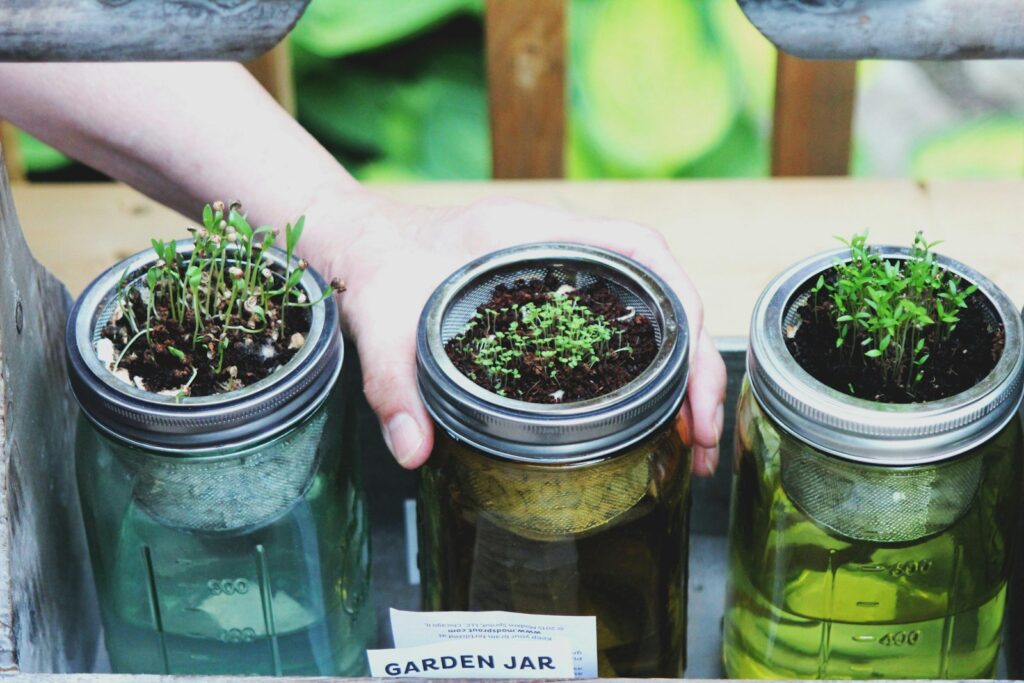
Protecting your seedlings from cold is easy with cloches or garden jars. These clear covers act like mini greenhouses, trapping warmth and moisture around your young plants.
You can use glass bell jars or make your own cloches from cut plastic bottles. Just place them over the seedlings and move them as the plants grow.
Lift the covers on warmer days so your plants don’t overheat. This simple trick helps your seedlings survive early spring or late fall chills and get off to a strong start.
Understanding Temperature Stress in Plants
Temperature swings can leave your plants stressed and struggling. When the weather suddenly turns cold, plants react in ways that aren’t always obvious right away.
How Plants React to Sudden Cold

When temperatures drop fast, plants kick into survival mode. They make special proteins that help stop ice from forming inside their cells, which can prevent serious damage.
You might see wilting or yellowing leaves as your plant slows down its growth to save energy. Sometimes, plants create antioxidants to protect their cells from the stress.
If the cold is too harsh or lasts too long, you could see permanent damage like dead leaves or roots.
Short-Term Versus Long-Term Effects
Short-term cold snaps cause visible stress, like wilting or curling leaves. Your plants might not take in water or nutrients as well.
If cold snaps keep happening, your plants could stop growing or even die back to the roots. Flowers and fruit might not develop, and your harvest could be smaller.
Taking steps to protect your plants early on helps prevent these problems from getting worse.
Choosing Hardy Plant Varieties
Some plants are just better at handling cold than others. Picking the right varieties can make your garden much more resilient when temperatures take a dive.
Evaluating Cold Tolerance
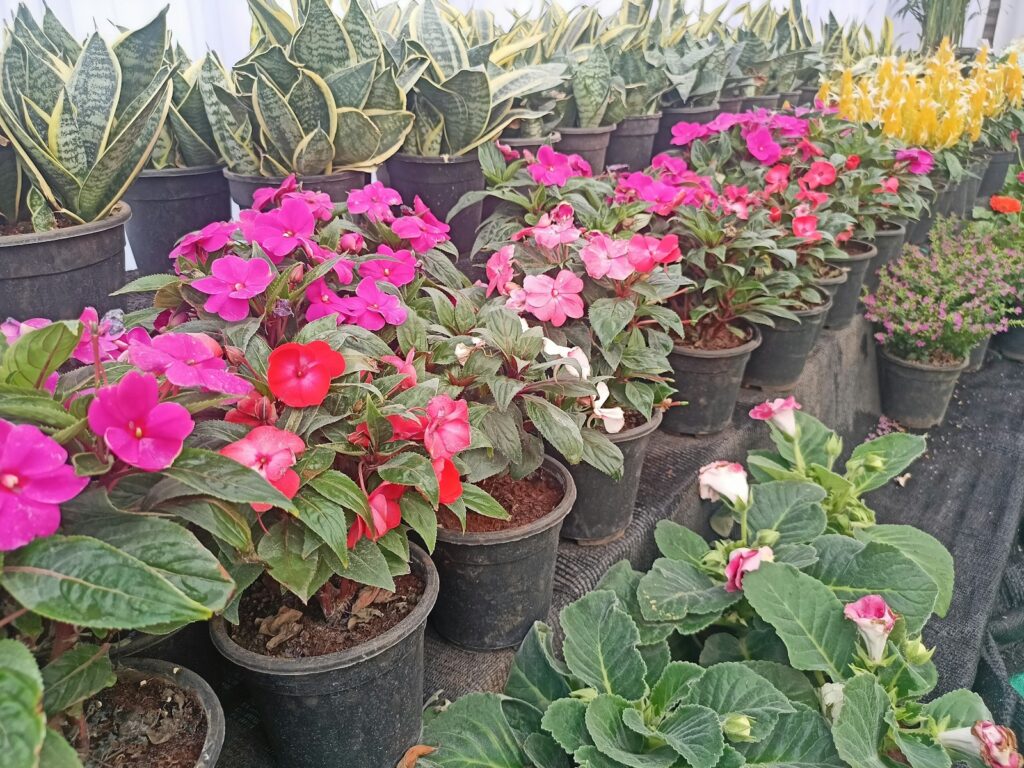
When shopping for plants, check their cold tolerance ratings. Look for those labeled for your USDA Hardiness Zone or described as frost hardy.
Plants with thicker leaves or special coatings often survive cold snaps better. Ask your local nursery for recommendations that do well in your area.
Young plants and seedlings are more sensitive, so even hardy types need a little extra care at first. Choosing tough varieties gives your garden a better chance when the weather is unpredictable.
Benefits of Native Species
Ever notice how some gardens seem to thrive no matter what the weather throws at them? Native plants are often the secret behind that resilience.
They have adapted over time to the natural weather swings in your area, including frost and cold snaps. These plants usually need less care because they’re built for your climate.
Native plants often resist local pests and diseases better as well. Using them can save you time and effort.
Many native plants hold up well in winter because their roots go deep and their structure withstands cold. You’ll find they bounce back faster after freezing cold nights.