8 Composting Mistakes Most People Don’t Know They’re Making
Ever felt like your compost pile just isn’t working as well as you hoped? Plenty of people dive in with good intentions, only to run into problems that slow things down or create unexpected headaches.
It’s easy to overlook some of the little details that make composting work smoothly. Spotting these common missteps can help you get better results and keep your garden thriving.
Ignoring carbon-to-nitrogen ratio balance

Not paying attention to the balance between carbon and nitrogen in your compost pile is a classic pitfall. The right mix helps microbes break down materials efficiently.
Carbon comes from “browns” like dry leaves, straw, and paper. Nitrogen comes from “greens” like food scraps, grass clippings, and fresh plant waste.
Aim for about three parts carbon to one part nitrogen. Too much carbon slows decomposition and dries out the pile, while too much nitrogen leads to smelly, slimy compost.
Finding that balance keeps your compost healthy and working faster. It might take some trial and error, but it makes a big difference.
Adding diseased plants or weeds
Tossing diseased plants into your compost can spread diseases right back into your garden. If your compost pile doesn’t get hot enough, those pathogens might survive.
Weeds are sneaky too. Adding weeds that have gone to seed can mean more weeds popping up later when you use your compost.
If you spot diseased plants, throw them in the trash or burn them if you’re allowed. Pull weeds before they go to seed and only compost healthy plant matter.
Using only kitchen scraps without yard waste
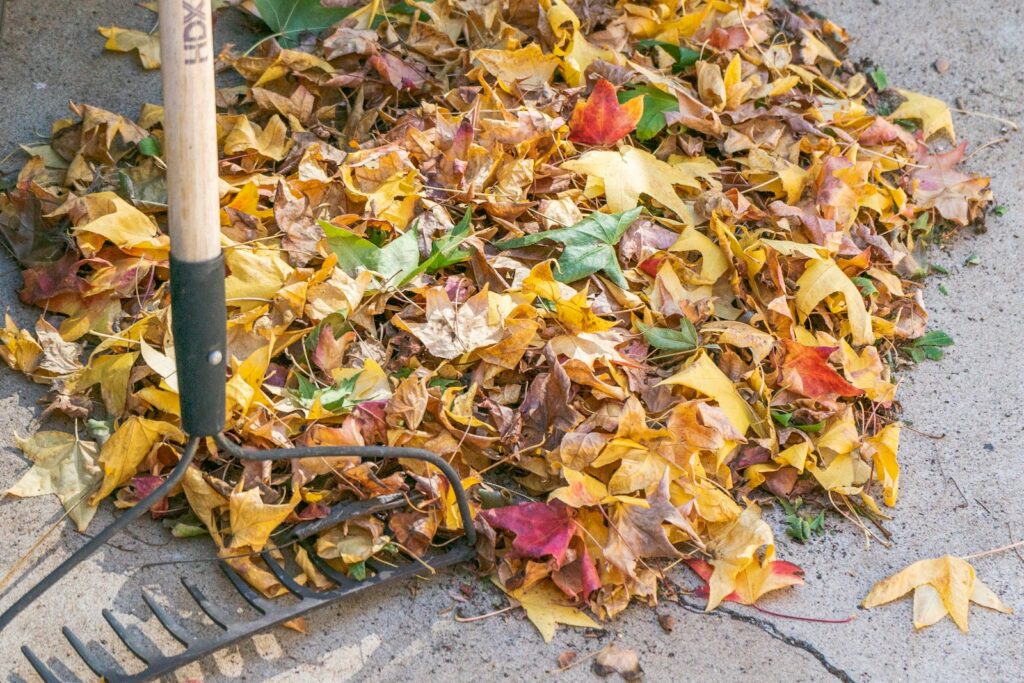
Relying only on kitchen scraps is a common mistake. Kitchen scraps are mostly “greens” and provide nitrogen, but compost also needs “browns” like dry leaves and twigs for carbon.
Without yard waste, your pile might get too wet or start to smell. Browns help balance moisture and keep things smelling fresh.
Fix this by adding leaves, grass clippings, or shredded paper to your kitchen scraps. Mixing in these browns keeps your compost pile active and breaks things down faster.
If you only have food scraps, be sure to turn your pile often to add oxygen and prevent sogginess.
Overwatering causing smelly compost
Ever noticed your compost pile smells worse than usual? Too much water might be the culprit.
When compost is too wet, air can’t get in and the pile turns anaerobic, leading to rotten smells. Check moisture by squeezing a handful—it should feel like a damp sponge, not sopping wet.
If it’s too wet, toss in dry materials like shredded paper, leaves, or straw. Mixing the pile regularly brings in fresh air and helps everything break down evenly.
Not turning the pile regularly

Skipping the step of turning your compost pile can really slow things down. Turning adds air, which is crucial for the microbes doing the hard work.
Without enough air, your compost can start to smell and attract pests. Some spots get too wet or dry, and things just don’t break down as well.
Try to turn your pile every week or two with a garden fork or shovel. It helps balance heat, keeps everything decomposing evenly, and gives you better compost in less time.
Adding large chunks instead of shredding materials
Throwing big chunks of leaves, branches, or kitchen scraps into your compost slows everything down. Large pieces take longer to break down since microbes can’t reach inside easily.
Shredding or chopping materials into smaller bits speeds up the process. It gives microbes more surface area to work on and makes mixing easier.
Next time you add yard waste or food scraps, cut them into smaller pieces first. It’s a simple step that pays off with faster, richer compost.
Composting meat or dairy products

Adding meat or dairy to your compost might seem harmless, but it usually causes trouble. These items break down slowly and can start to smell, attracting pests like rats and roaches.
They can also introduce harmful bacteria, making your compost less safe for your garden. Stick to plant-based scraps like vegetable peels, fruit cores, coffee grounds, and eggshells.
If you want to compost meat or dairy, you’ll need a special hot compost system. For most home composters, it’s easier and cleaner to skip them.
Starting compost in shaded, poorly ventilated areas
Setting up your compost pile in a dark, stuffy corner can really slow things down. Compost needs warmth and air to break down properly.
Without enough sunlight, the pile stays cool and decomposition drags on. Poor airflow can make things damp and smelly, attracting flies and creating a mess.
Choose a spot with good air circulation and some sunlight. If moving the pile isn’t an option, turn it more often to add air and keep things moving.
Understanding Why Composting Mistakes Happen
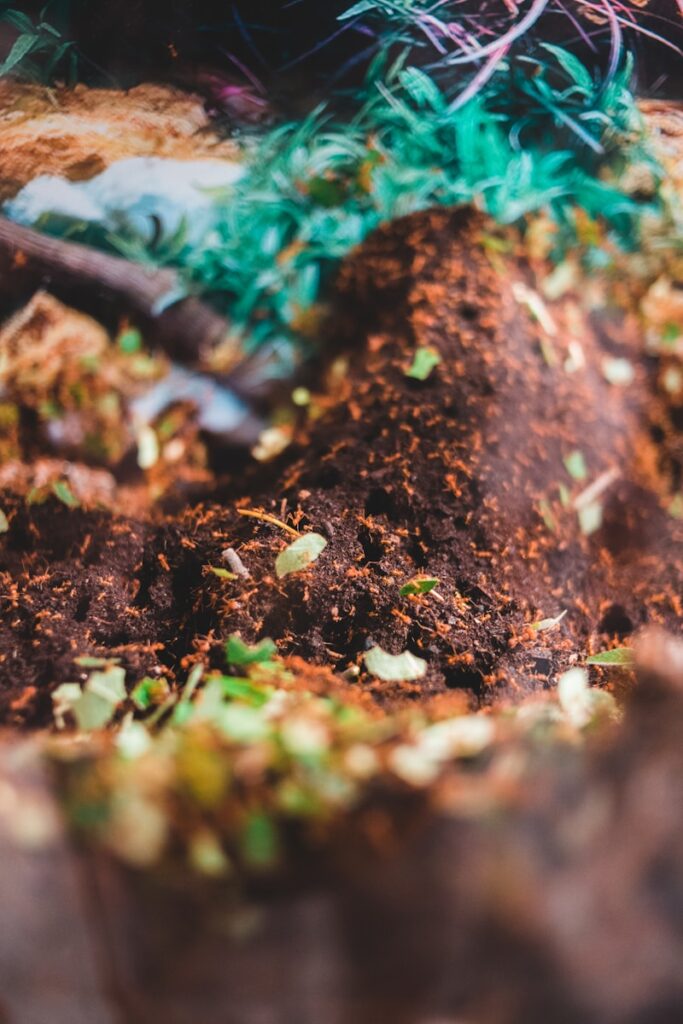
It’s easy to make composting mistakes if you’re not sure what your pile needs. A lot of us start with the basics but miss some of the details that keep things running smoothly.
Knowing what causes these hiccups helps you avoid frustration and get better compost for your garden.
Common Misconceptions About Composting
Some people think composting is as simple as piling up scraps and letting nature do the rest. In reality, a good compost pile needs the right balance of materials and a little attention.
Mixing greens and browns is important to keep the carbon-to-nitrogen ratio just right. Letting things get too wet or too dry can also slow things down.
Turning your pile regularly is key for airflow, which keeps microbes happy and working hard.
How Composting Works on a Biological Level
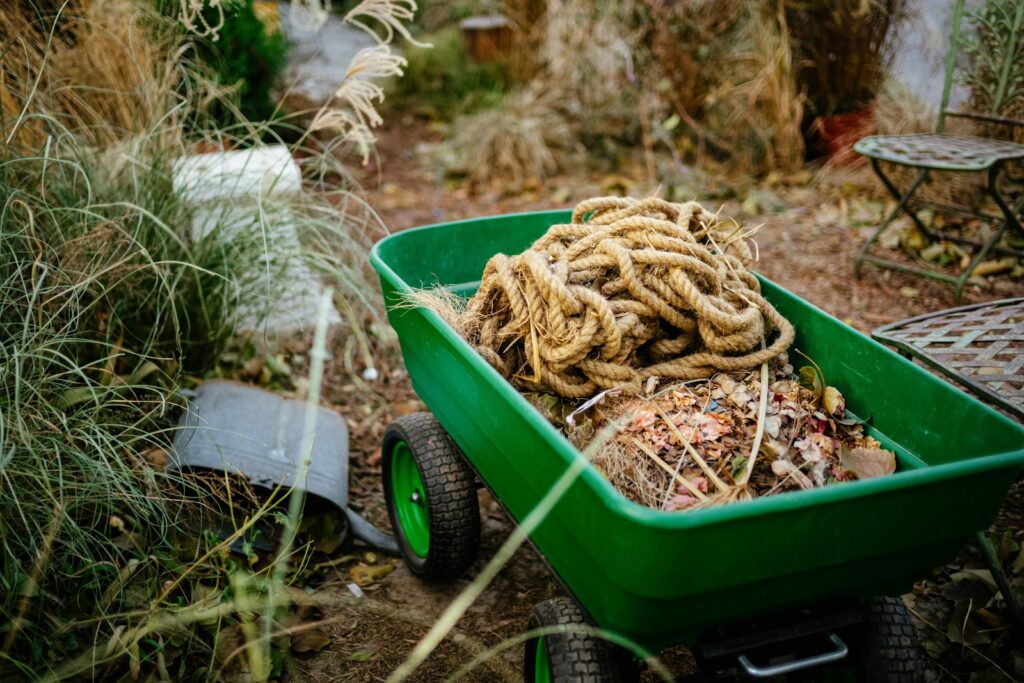
Composting happens thanks to tiny living things—bacteria and fungi—that break down your organic waste. They need food (carbon and nitrogen), water, air, and the right temperature to work well.
Carbon gives them energy, while nitrogen helps them grow. As they eat, they create heat, which speeds up the breakdown.
Keeping the right conditions means your compost will break down faster and turn into healthy soil for your garden.
Tips for Troubleshooting and Fixing Composting Issues
Keeping an eye on your compost pile helps you catch problems before they get big. Paying attention to moisture, smell, and how quickly things break down can save you a lot of hassle.
Recognizing Warning Signs in Your Compost Pile
If your compost smells like rotten eggs or ammonia, it might be too wet or not getting enough air. A sour or musty smell means you need to add airflow.
Slow decomposition is another sign something’s off. If scraps or leaves aren’t breaking down, your pile might be too dry or missing enough greens.
Pests like ants, fruit flies, or rodents are also a red flag that your pile needs adjusting. Check your pile regularly to spot these issues early.
Easy Adjustments for Healthy Decomposition
Have you ever noticed your compost pile getting a little too smelly or soggy? Turning the pile often can help add air and dry out extra moisture.
If your compost seems dry or isn’t breaking down, try adding water slowly. Mix in more green materials like veggie scraps or fresh grass to boost nitrogen.
A good mix of “greens” and “browns” makes all the difference. Greens include fruit and veggie scraps or grass clippings, while browns are things like dry leaves, paper, or straw.
Try to use about three parts brown for every one part green. Skip oily or cooked foods since they can attract pests and slow things down.
Dealing with pests can be frustrating. Bury food scraps deeper and keep meat or dairy out of the pile.
Covering new scraps with dry materials helps keep smells down and critters away.