8 Flowers That Gradually Bloom Less Each Year and How to Revitalize Them
Gardening is a rewarding hobby, but it can be frustrating when your once-blooming beauties start to dwindle over the years. Many gardeners notice that certain flowers seem less vibrant or produce fewer blooms as time goes on. This phenomenon can be attributed to a variety of factors affecting their health and growth. In this article, we’ll explore eight popular flowers that may bloom less each year, discuss the reasons behind this decline, and offer practical tips to help revitalize them.
1. Peonies
Peonies are cherished for their large, fragrant blooms, but they can become less prolific as they mature. One common reason is overcrowding; as the plant grows, its roots can become congested, limiting nutrient and moisture uptake. Additionally, peonies require a period of dormancy, and if they are disturbed too frequently or over-fertilized, they may put energy into foliage rather than flowers.
Revitalization Tips: To encourage blooming, consider dividing your peonies every 4 to 6 years in early fall. This will help to rejuvenate the plants and promote better air circulation. Ensure they are planted in well-draining soil and receive full sun for at least 6 hours a day.
2. Daylilies
Daylilies are resilient perennials known for their ability to thrive in various conditions. However, if they start producing fewer blooms, it might be due to overcrowding or nutrient depletion. As daylilies multiply, they can become too dense, leading to reduced flower production.
Revitalization Tips: Divide your daylilies every 3 to 5 years in early spring or late summer. This not only helps control their size but also encourages robust blooming. Fertilize with a balanced fertilizer in the spring to replenish nutrients.
3. Iris
Irises are stunning, hardy flowers, but their blooming can decline over time. This is often due to rhizome overcrowding, poor drainage, or insufficient sunlight. Irises thrive best when they have enough space to grow and receive at least half a day of sun.
Revitalization Tips: Divide irises every 3 to 5 years in late summer after they have finished blooming. Trim back the foliage and replant the rhizomes in well-draining soil to promote healthy growth and flowering.
4. Black-eyed Susans
These cheerful yellow flowers can also show a decrease in blooms as they age. Overcrowding and lack of deadheading can lead to fewer flowers. Additionally, if they are not receiving adequate sunlight or are planted in poorly draining soil, their growth may suffer.
Revitalization Tips: Deadhead regularly to encourage more blooms throughout the season. Divide the plants every 2 to 3 years in spring or fall to prevent overcrowding and improve air circulation. Make sure they are planted in a sunny location with well-draining soil.
5. Coneflowers (Echinacea)
Coneflowers are popular for their resilience and beauty, but they can also experience a decline in blooms. Factors such as aging plants, crowding, and insufficient sunlight can all contribute to fewer flowers. Additionally, if coneflowers are not deadheaded, they may focus energy on seed production instead of blooming.
Revitalization Tips: Deadhead spent blooms regularly to encourage further flowering. Divide coneflowers every 3 to 4 years in spring or fall to rejuvenate the plants. Ensure they are planted in a location that receives full sun and has well-draining soil.
6. Roses
While roses are known for their stunning blooms, some varieties can produce fewer flowers as they age. This can be due to poor pruning practices, disease, or nutrient deficiencies. Additionally, established roses may struggle if they are not adequately fertilized.
Revitalization Tips: Prune roses in early spring before new growth begins to promote healthy blooming. Regularly apply a balanced fertilizer designed for roses to replenish nutrients. Monitor for signs of disease and remove any affected foliage promptly.
7. Hydrangeas
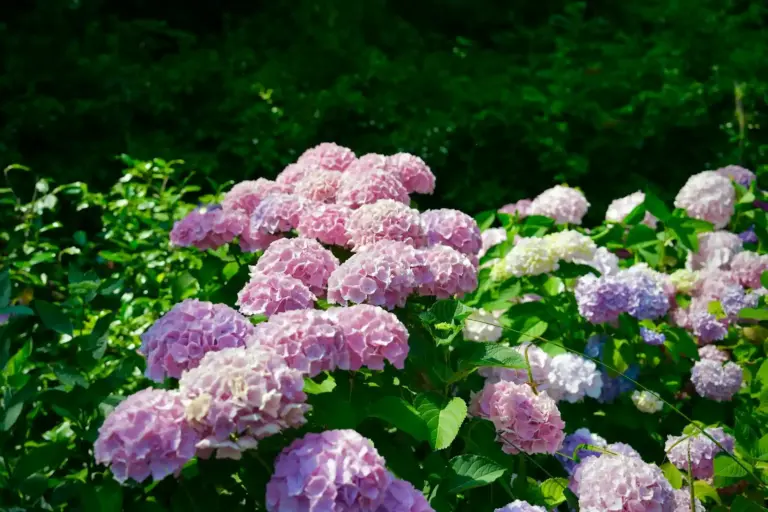
Hydrangeas are beloved for their large, showy blooms, but they can become less prolific due to improper pruning or insufficient sunlight. Different varieties have different blooming habits, and some might require specific care to thrive.
Revitalization Tips: Understand the specific type of hydrangea you have, as some bloom on old wood while others bloom on new wood. Prune accordingly after blooming to encourage new growth. Ensure they receive adequate sunlight and water throughout the growing season.
8. Lilies
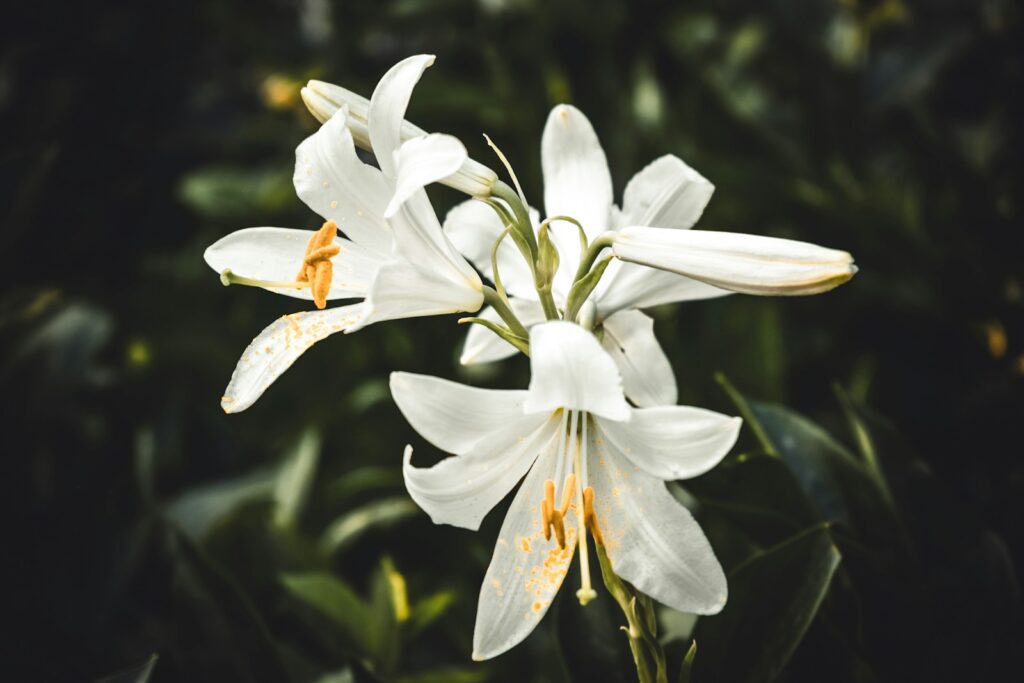
Lilies are striking flowers that can lose their vigor over time. Factors such as overcrowding, poor soil quality, or disease can lead to fewer blooms. Additionally, if lilies are not properly cared for, they may focus on bulb development instead of flowering.
Revitalization Tips: Divide lilies every 3 to 4 years in the fall after they have finished blooming. Ensure they are planted in well-draining soil and receive plenty of sunlight. Apply a balanced fertilizer in early spring to support healthy growth.
Final Thoughts
As you care for your garden, it’s essential to pay attention to the signs your plants may be giving you. If certain flowers are blooming less than they used to, don’t despair! With proper care, timely interventions, and a little patience, you can revitalize your flowering plants and enjoy their beauty for years to come. Remember, gardening is a journey, and learning how to adapt to your plants’ needs is part of the process!