8 Plants You Should Skip Buying as Seedlings: Expert Insights for Home Gardeners
As a home gardener, choosing the right plants can be overwhelming, especially when faced with the temptation of vibrant seedlings at your local nursery. However, not all plants thrive when started as seedlings. Some prefer to be sown directly into the ground or established through other means. To help you make informed decisions, we’ve gathered insights from gardening experts on eight plants you should avoid purchasing as seedlings, along with tips on how to grow them successfully.
Vegetables
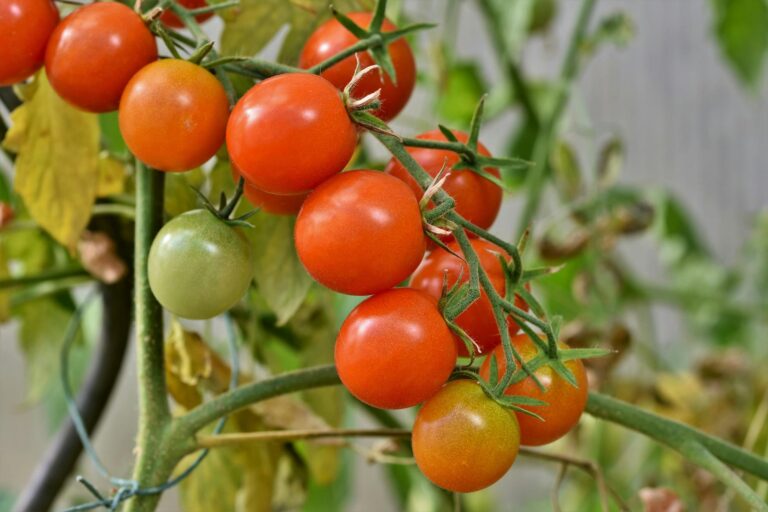
Tomatoes
While tomatoes are a staple in many gardens, not all varieties thrive as seedlings. Some heirloom varieties can struggle with transplant shock, resulting in stunted growth or poor yields. Instead, consider starting your heirloom tomatoes from seeds indoors about six to eight weeks before your last frost date, or sowing them directly in the ground once the soil has warmed. This approach allows them to establish a robust root system, leading to healthier plants and a bountiful harvest.
Peppers
Similar to tomatoes, peppers (especially heirloom and specialty varieties) can experience transplant shock when moved from pots to the garden. If you want to grow these colorful fruits, it’s best to start them from seeds indoors in biodegradable pots. This way, you can plant the whole pot in the ground, minimizing root disturbance. Alternatively, if you prefer seedlings, look for robust, well-established plants that have already acclimated to outdoor conditions.
Herbs
Basil
Basil is a beloved herb that many gardeners enjoy growing. However, it does not always thrive when started as a seedling. Young basil plants can be particularly sensitive to the shock of transplanting, leading to wilting or poor growth. Instead, consider sowing basil seeds directly into your garden once the soil has warmed, or starting them indoors in a controlled environment and using biodegradable pots to reduce transplant stress.
Cilantro
Cilantro, or coriander, is another herb that prefers direct sowing. This herb tends to bolt quickly in warm temperatures, so starting it from seeds directly in the garden ensures it establishes roots in the environment where it will thrive best. Aim to sow cilantro seeds in early spring or late summer for a fall harvest, and consider successive sowing every few weeks to ensure a continuous supply.
Flowers
Sunflowers
While sunflowers are a favorite for many gardeners, starting them as seedlings can lead to weak plants that may not stand tall against the wind. Instead, sow sunflower seeds directly into the ground after the last frost has passed. This not only promotes stronger root development but also encourages healthier plants that can better withstand adverse weather conditions. Consider staggering your sowing for a longer blooming season.
Zinnias
Zinnias are another flower best grown from seed. When started as seedlings, they can become leggy and weak, making them less resilient in the garden. For vibrant, bushy zinnias, sow seeds directly outdoors after the last frost or start them indoors in seed trays, then transplant them only when they are large enough to handle. This method allows you to control their growth and ensure they are ready for the outdoor conditions.
Perennials
Lavender
Lavender is a popular perennial known for its aromatic qualities and resilience. However, it often struggles when started from seedlings due to its sensitivity to overwatering and poor soil drainage. Instead, consider propagating lavender through cuttings or starting it from seed in a well-draining mix, ensuring you provide adequate sunlight. This approach allows the plant to adapt to its growing environment more effectively.
Hostas
While hostas are lovely additions to shady gardens, they can be tricky when started from seedlings. They often suffer from transplant shock, leading to slow growth and potential failure to thrive. Instead, divide established hosta plants in early spring or fall to propagate new plants. This method not only guarantees that you’re getting healthy, vigorous plants but also helps maintain the beauty of your garden.
Final Thoughts
Choosing the right method for starting your plants can significantly impact their growth and success in your garden. By skipping seedlings for these eight plants and opting for direct sowing or alternative propagation methods, you can create a thriving and vibrant garden. Remember, each plant has its specific needs, so take the time to understand your garden’s conditions and choose the right approach for the best results. Happy gardening!