8 Popular Plants That Thrive in Stores but Struggle at Home
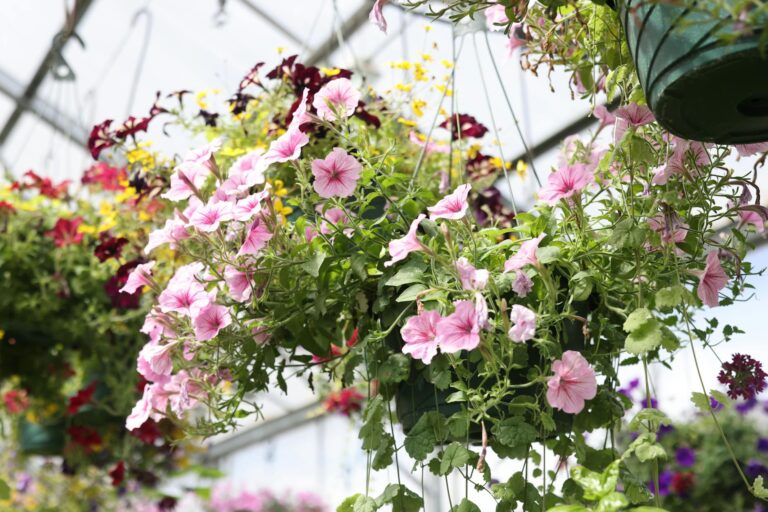
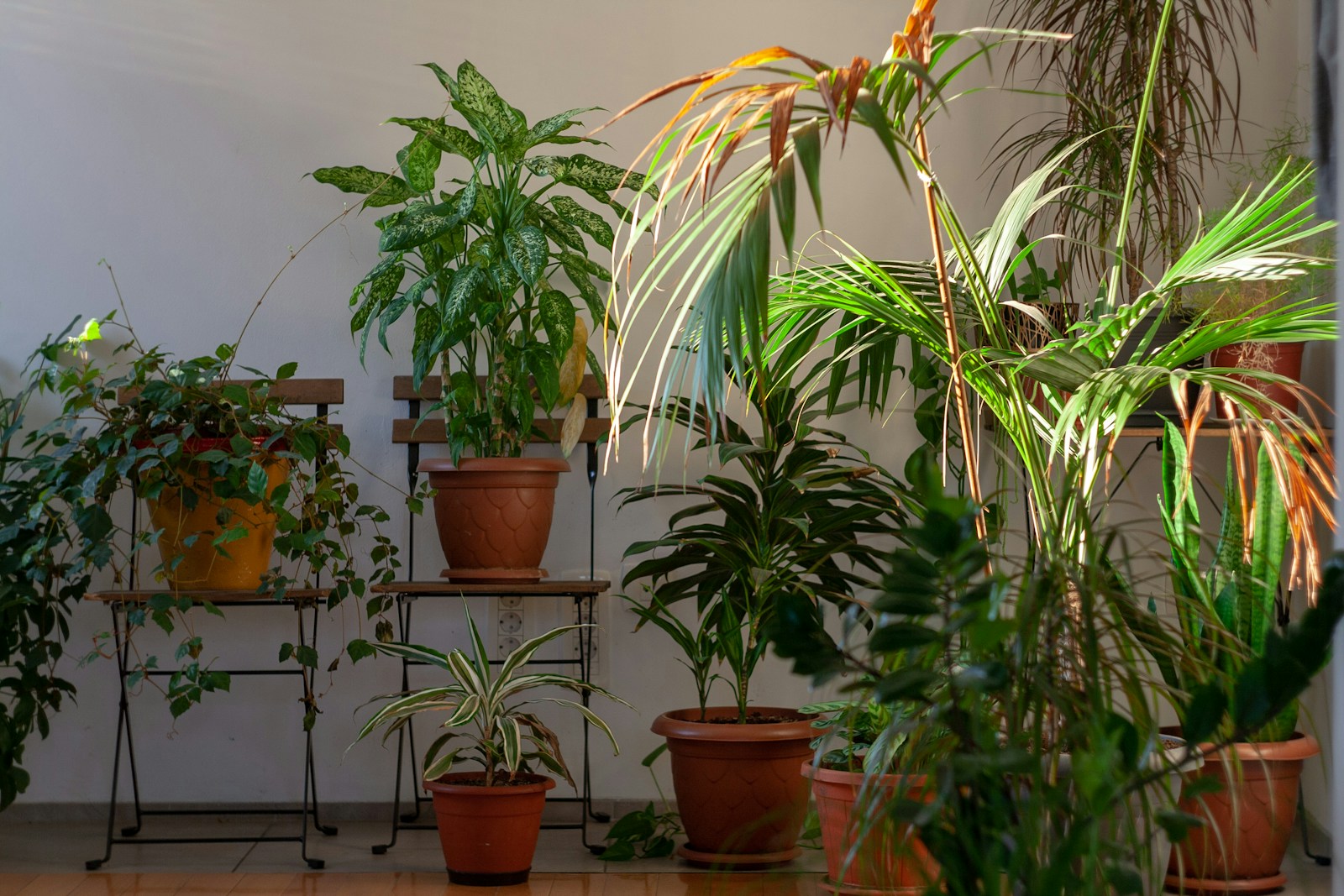
When you stroll through your local garden center, it’s easy to be tempted by vibrant plants that appear healthy and flourishing. However, some of these beauties can quickly lose their luster once you bring them home. Understanding which plants often struggle outside their retail environments can save you time, money, and frustration. Here are eight popular plants that may look stunning in the store but can decline rapidly in your home garden.
1. Poinsettias
Poinsettias are a holiday favorite, often found in homes during the winter months. However, once the festive season ends, many gardeners struggle to keep these plants alive. Poinsettias require bright, indirect light and consistent moisture but can easily succumb to overwatering or poor lighting conditions. Once the holiday season is over, consider treating them as a seasonal plant and replacing them yearly rather than expecting them to thrive long-term.
2. African Violets
These charming little flowers are often displayed in colorful pots at garden centers, making them tempting additions to your home. However, African violets can be finicky. They thrive in high humidity and require specific watering techniques—preferably from the bottom to avoid leaf spotting. Most indoor environments lack the humidity they need, leading to droopy leaves and stunted growth. If you choose to take one home, consider placing it on a humidity tray or in a terrarium to boost moisture levels.
3. Orchids
Orchids are stunning and exotic, but they can be challenging for beginners. They often look perfect in stores, but many people fail to recreate their ideal growing conditions at home. Orchids require bright, indirect light and proper humidity levels, which can be difficult to maintain. Overwatering is one of the most common mistakes made by new orchid owners. Instead of sticking to a strict watering schedule, check the potting medium first; it should be dry before you give the plant a drink.
4. Fiddle Leaf Fig
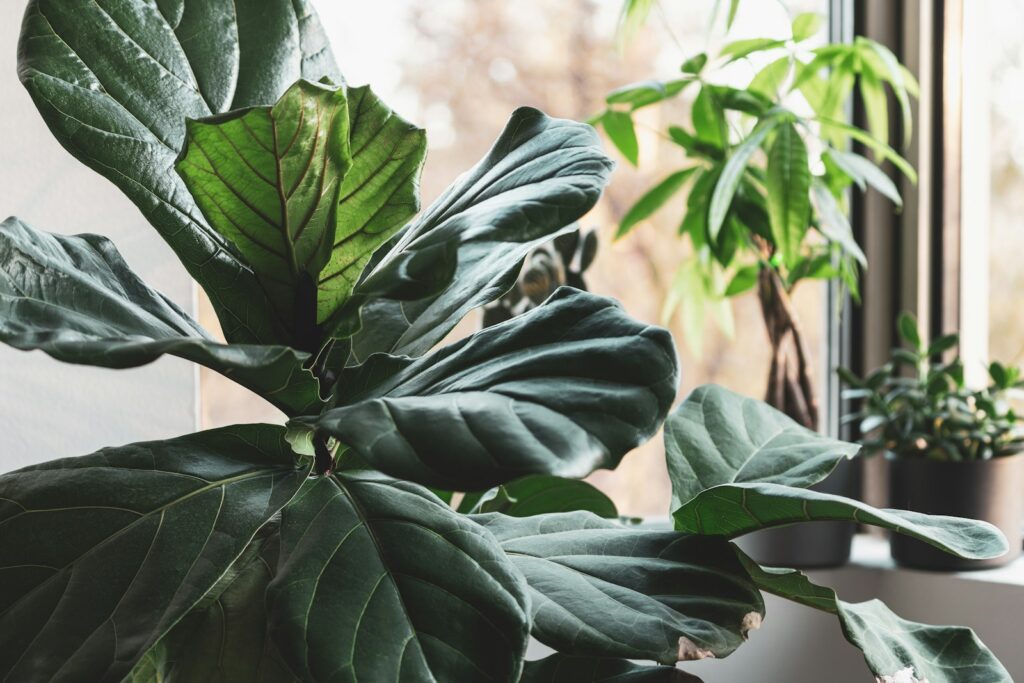
The fiddle leaf fig has taken the interior design world by storm with its large, glossy leaves. However, despite its popularity, this plant is notoriously sensitive to changes in its environment. Fiddle leaf figs can drop leaves when moved, especially if they are not accustomed to direct sunlight. They prefer bright, filtered light and should be rotated regularly to ensure even growth. If you decide to invest in one, be prepared for a bit of a learning curve, as it may take time to adjust to its new home.
5. Snake Plant
While snake plants (or mother-in-law’s tongue) are often marketed as low-maintenance, they can still face challenges when transitioning from the store to your home. These hardy plants thrive on neglect, but they can suffer from sudden changes in light and temperature. If you place a snake plant in a spot that’s too dim or too bright, it may develop brown tips or mushy leaves. Be sure to keep it in a well-draining pot and only water when the top inch of soil is dry to the touch.
6. Peace Lily
Peace lilies are popular houseplants due to their easy care and beautiful white flowers. However, they can be susceptible to root rot if overwatered, which often happens when people bring them home and try to replicate store conditions. They prefer bright, indirect light, but too much direct sunlight can scorch their leaves. It’s essential to let the soil dry slightly between waterings to keep them healthy and thriving.
7. Rosemary
Fresh rosemary is a delightful herb that many gardeners enjoy growing, but it can decline quickly after purchase. Often sold in small pots, rosemary requires a well-draining soil mix and plenty of sunlight, which might not be available in many indoor environments. Additionally, rosemary prefers drier conditions, so overwatering is a common problem. If you choose to bring rosemary into your home, consider placing it in a south-facing window and allowing the soil to dry out between waterings.
8. Caladiums
Caladiums are known for their vibrant, colorful leaves and are often sold in garden centers as tropical plants. However, once you take them home, they may not perform as well as expected. These plants prefer warm, humid conditions and can struggle in cooler or drier indoor environments. Caladiums are also sensitive to direct sunlight, which can scorch their leaves. To keep caladiums thriving, ensure they have bright, filtered light and consider misting them regularly to maintain humidity.
Tips for Successful Plant Care
When introducing new plants to your home, consider the following best practices:
Research Plant Needs: Before purchasing a plant, take the time to research its specific care requirements, including light, water, and humidity levels.
Acclimate Gradually: When you bring a new plant home, gradually acclimate it to your home environment. Avoid moving it directly from a bright store to a dim corner of your home.
Check Soil Moisture: Always check the moisture level of the soil before watering. Overwatering is a common cause of plant decline.
Monitor for Pests: New plants can sometimes harbor pests. Inspect your plants regularly and treat any infestations promptly.
Create the Right Environment: Consider your home’s conditions, including light levels and humidity, and choose plants that will thrive in those settings.
By being aware of these plants that may struggle outside their store environments and taking the necessary precautions, you can set your gardening journey up for success. Happy gardening!