8 Reasons Your Grass Isn’t Growing and How to Fix Them Easily
Ever feel like your neighbor’s lawn is thriving while yours just won’t fill in? You’re not the only one. Figuring out why grass isn’t growing can be a bit of a puzzle.
Sometimes it’s not just one thing holding your lawn back. There are a handful of common reasons grass struggles, and knowing what to look for can make all the difference.
Improper watering schedule
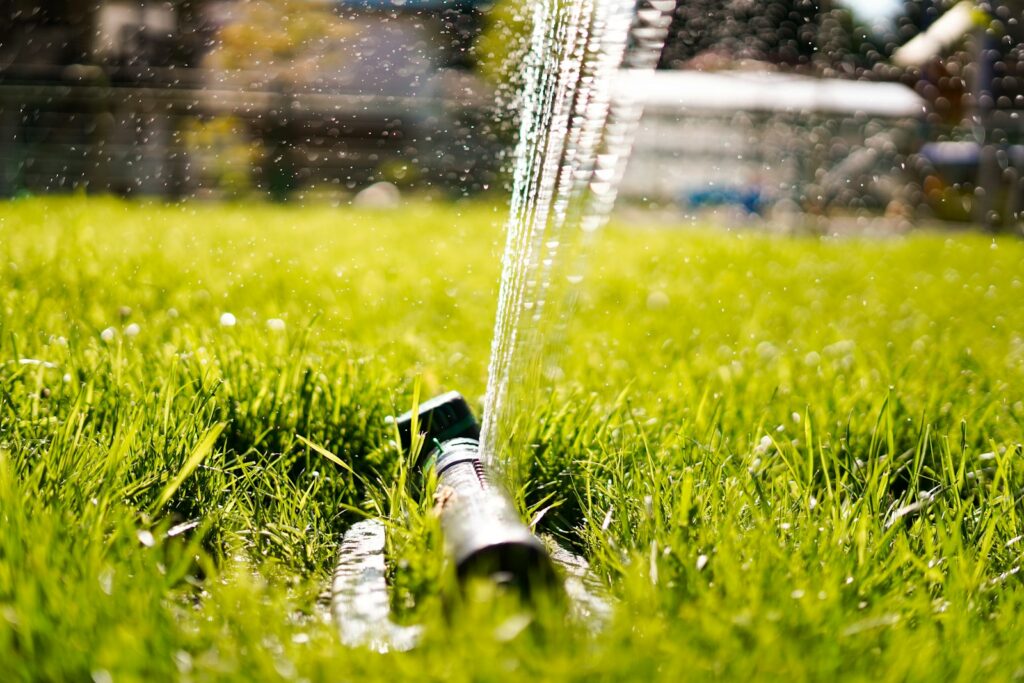
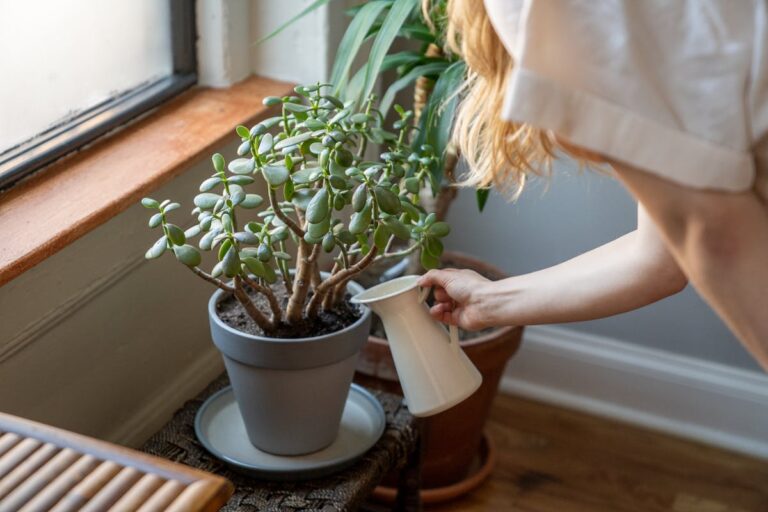
Getting the watering right is trickier than it seems. Too little water dries out roots, but too much can leave the soil soggy.
Instead of a quick daily sprinkle, try watering deeply but less often. This encourages roots to grow down into the soil, making your grass tougher.
Watering early in the morning helps the grass soak up moisture before the sun gets too hot. Avoid watering at night, since wet grass can attract disease.
Your lawn’s needs change with the seasons, so watch the weather and adjust how often and how much you water. Small tweaks can have a big impact.
Poor soil quality
Sometimes the problem is right under your feet. Grass needs soil packed with nutrients to grow strong.
If your soil is sandy, it won’t hold water well. Clay-heavy soil does the opposite and can drown the roots.
Compacted soil is another hurdle. When the ground is too firm, roots can’t get the air and water they need.
Testing your soil can point you in the right direction. Adding compost or fertilizer can give your lawn a fresh start.
Lack of sunlight

Grass loves sunlight, and it needs several hours a day to stay healthy. If your lawn is shaded by trees or buildings, growth can slow way down.
You might see thin or bare patches where sunlight can’t reach. Some grass types handle shade better, so consider switching to a variety made for less light.
Trimming tree branches can also help open up your yard. Even a little more sun can make a difference.
Grass seed planted at the wrong time
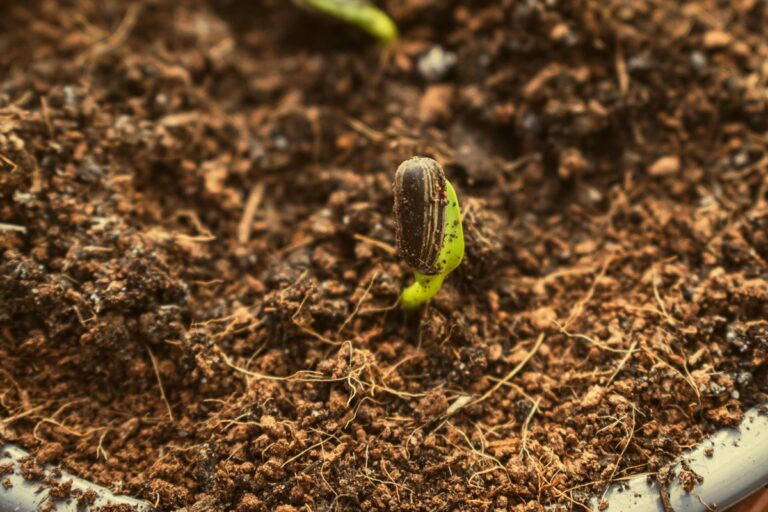
Planting grass seed at the wrong moment can leave you disappointed. Seeds need the right temperature and moisture to sprout.
If you plant too early in spring or too late in fall, cold soil can stop seeds from growing. Hot, dry weather can dry them out before they take root.
Check your local climate and aim for late spring or early fall for most grass types. Watching soil temperature and weather patterns pays off.
Pest infestation damaging roots

Sometimes bugs are the culprits behind patchy grass. Grubs and chinch bugs feed on roots, making it tough for grass to soak up water and nutrients.
If you notice brown patches or grass that pulls up easily, pests might be at work. Check the soil for small insects or larvae.
Treating the problem quickly with natural or chemical options can save your lawn. Keeping your grass healthy overall helps prevent pests from coming back.
Disease affecting grass health
Lawn diseases can sneak up on you, causing thin, patchy, or brown areas. Fungi love damp, humid conditions and can spread fast if the grass stays wet.
Look for spots, strange patterns, or discoloration. Early action can stop diseases from taking over.
Good drainage, proper watering, and not over-fertilizing are your best defenses. If needed, use a fungicide that matches the specific disease.
Compacted soil preventing growth
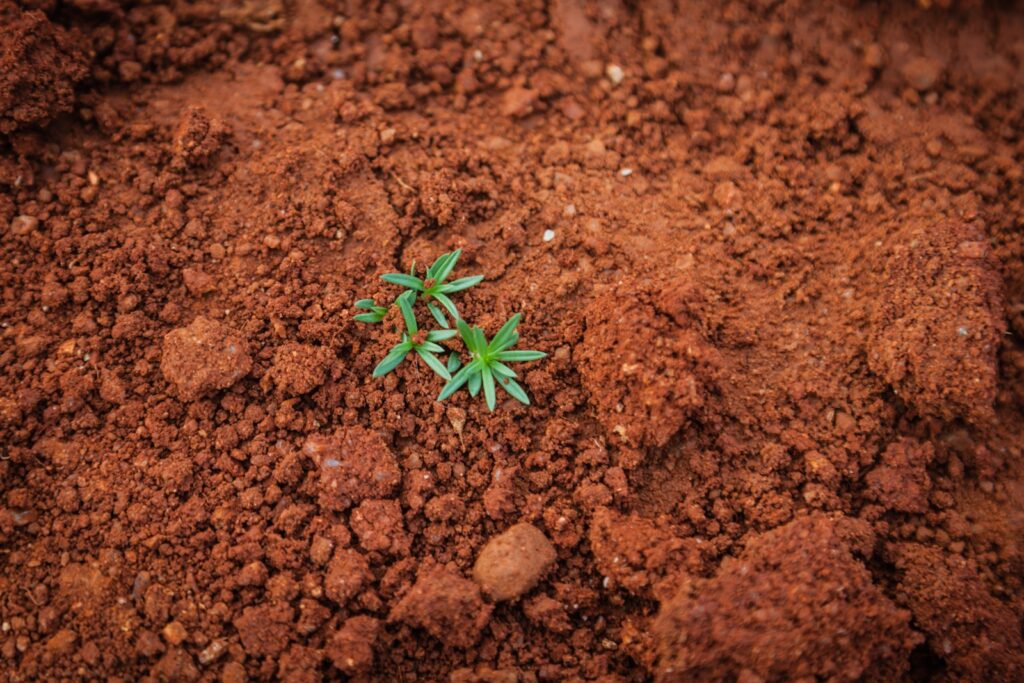
Heavy foot traffic or pets running around can press the soil down, making it hard for roots to breathe and grow. Compacted soil means water and nutrients can’t reach where they’re needed.
If your lawn looks thin or patchy in high-traffic spots, compaction could be the reason. A lawn aerator can help by poking holes and loosening the soil.
Adding compost can also improve texture and support root growth. Try to limit heavy use in problem areas to keep the soil loose.
Incorrect mowing height
How you mow makes a bigger difference than you might think. Cutting grass too short can stress it out and leave it vulnerable.
Letting the lawn get too long isn’t great either. Tall grass can block sunlight from reaching lower blades, slowing growth.
Most cool-season grasses do best when kept between three and four inches tall. Try to avoid cutting off more than one-third of the blade at once.
A simple change in mowing habits can help your grass recover and grow thicker.
Understanding Grass Growth Fundamentals
Grass won’t thrive without the right basics. The soil, grass type, and care routine all play a role in how your lawn looks.
Optimal Soil Conditions
Soil texture, nutrients, and drainage all matter. Sandy soil drains too fast, while clay hangs on to water.
Check your soil’s pH to make sure nutrients are available. Most grasses prefer a pH between 6.0 and 7.0.
Adding compost boosts soil structure and helps with water retention. Aerating helps roots get the oxygen they need.
Grass Species and Regional Climate
Not all grasses are created equal. Some love cool weather, while others need heat.
Pick a grass type that matches your region and the conditions in your yard. Look for varieties labeled for your climate zone to give your lawn its best shot.
Preventing Future Grass Growth Problems
A healthy lawn takes a little attention all year. Keeping up with simple care routines can stop problems before they start.
Routine Lawn Maintenance Tips
Water early in the morning for about 20 to 30 minutes, twice a week. This keeps roots moist and helps avoid disease.
Mow regularly, but only trim the top third of the blade each time. Sharp mower blades make a clean cut and reduce stress.
Leave grass clippings on the lawn to return nutrients to the soil. Aerate once a year to improve airflow and water movement.
With a few easy changes, your grass can start looking greener and thicker in no time.
Seasonal Fertilizing Strategies
Every lawn has its own personality, and figuring out when to feed it can make a big difference. Start by choosing a fertilizer that matches your grass type and the weather in your area.
Spring is a great time to give your lawn a balanced fertilizer with nitrogen, phosphorus, and potassium. This helps your grass wake up and start growing after the winter months.
When summer arrives, it’s a good idea to switch to a fertilizer with less nitrogen. This helps prevent burning and keeps your lawn looking healthy even in the heat.
Fall is the season to help your lawn recover and prepare for the colder months. Fertilizing now supports strong root growth before winter sets in.
Aim to fertilize at least twice a year, once in spring and again in fall. Using a slow-release fertilizer is a smart move because it feeds your lawn gradually.
Slow-release products also lower the risk of overfeeding and help your grass grow evenly. Always check the instructions on the package to get the best results for your yard.