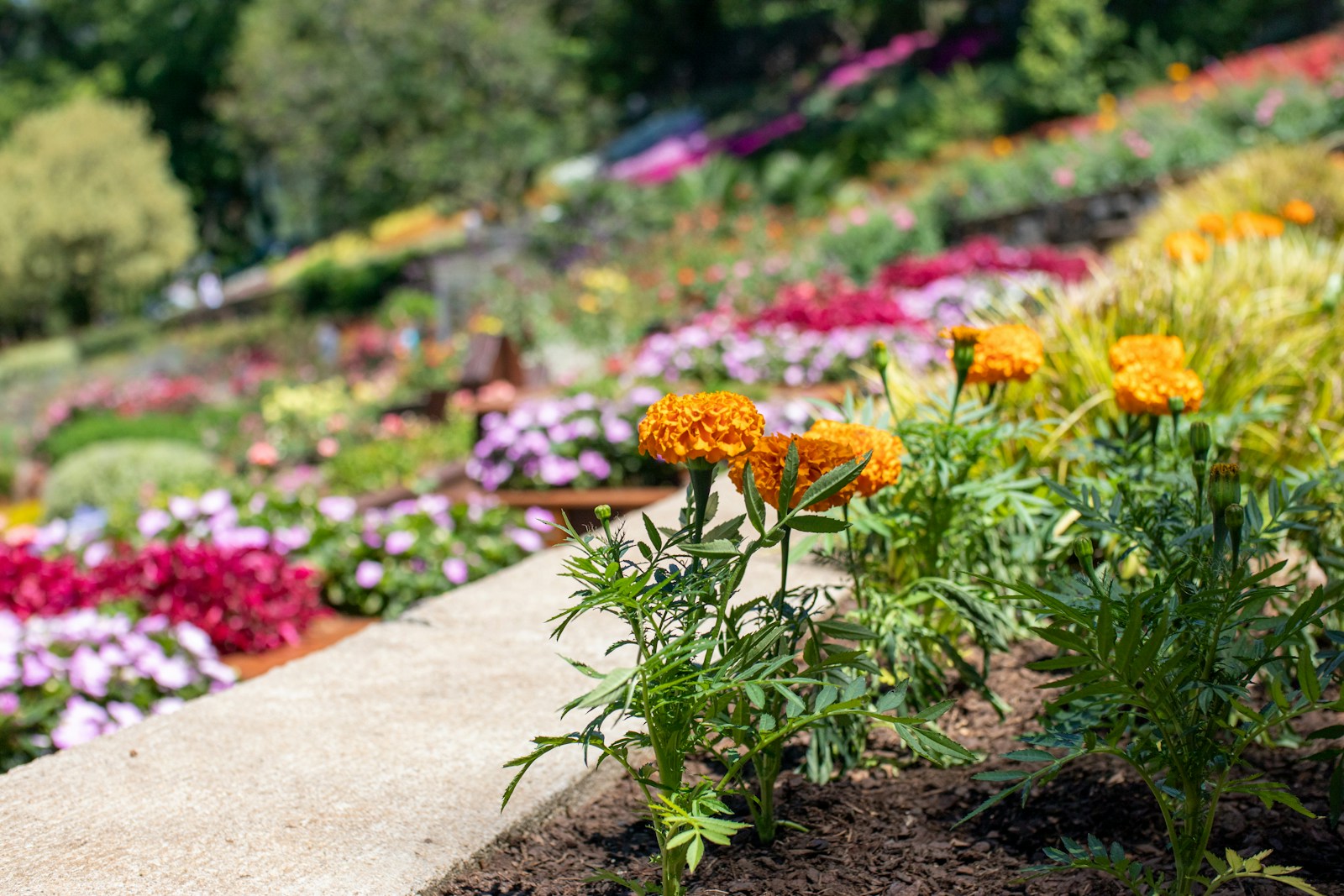
8 Ways to Make Your Garden More Kid-Friendly Without Losing Aesthetic
Transforming your garden into a space where kids can play and explore doesn’t have to mean giving up on style. It’s possible to create an outdoor area that feels welcoming for children and still looks great for adults.
A little creativity goes a long way when balancing fun features with beautiful design. Your backyard can become a favorite spot for the whole family.
Create a dedicated play zone with natural materials like wooden stepping stones and log seats
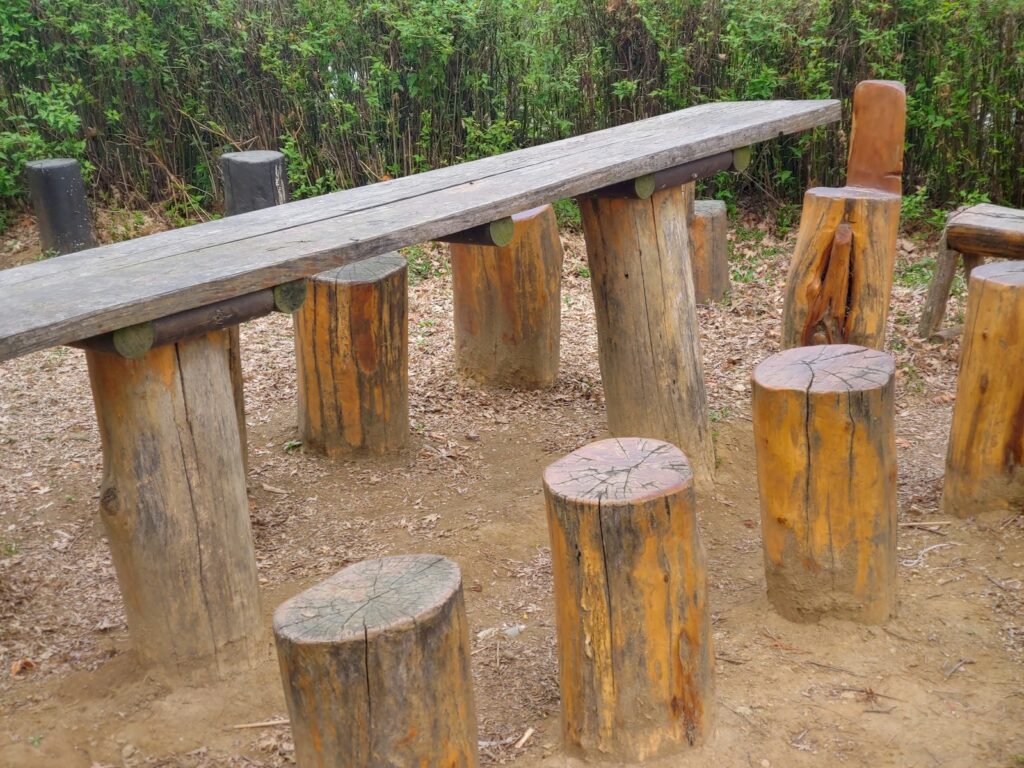
Set up a play area using natural materials that blend with your garden. Wooden stepping stones are perfect for balancing games and fit right in with plants and soil.
Log seats offer a place for kids to rest or gather with friends. Arrange them in fun patterns for different play spots.
Choose untreated or child-safe wood to keep things eco-friendly and safe. The textures encourage kids to climb, jump, and connect with nature.
Use soft, colorful ground covers such as clover or moss instead of traditional grass
Soft ground covers like clover or moss feel gentle underfoot, making them ideal for play. Clover brings green hues and tiny flowers that attract bees, adding a touch of nature.
Moss creates a lush, cool carpet, especially in shady spots where grass struggles. Both options need less water and care than traditional lawns.
Kids can run and roll around without worrying about hard patches. Your garden stays vibrant and requires less maintenance.
Incorporate hidden storage benches to keep toys tidy without clutter
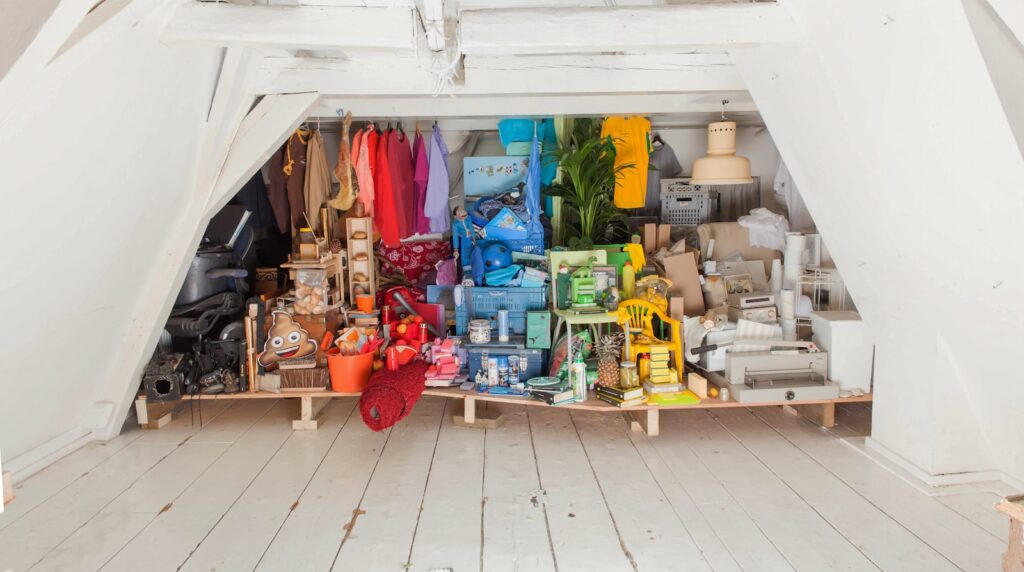
Hidden storage benches help keep toys out of sight and your garden looking neat. They double as seating, giving everyone a spot to relax.
Pick a style that matches your outdoor décor, like wood for a natural vibe or metal for a modern twist. Kids can grab their toys easily and learn to tidy up after play.
These benches are especially useful in smaller gardens since they combine storage and seating. Your space stays organized and welcoming.
Plant a butterfly-friendly flower bed to encourage learning about nature
Planting a butterfly-friendly flower bed is a great way to spark curiosity. Choose flowers like milkweed, coneflower, and salvia to attract butterflies and support their life cycle.
Native plants work especially well and help local pollinators thrive. Kids will love watching butterflies and learning about nature up close.
Make sure the flower bed is easy for children to reach. It becomes a colorful, hands-on classroom right in your backyard.
Install a stylish sandpit with a wooden cover that doubles as seating
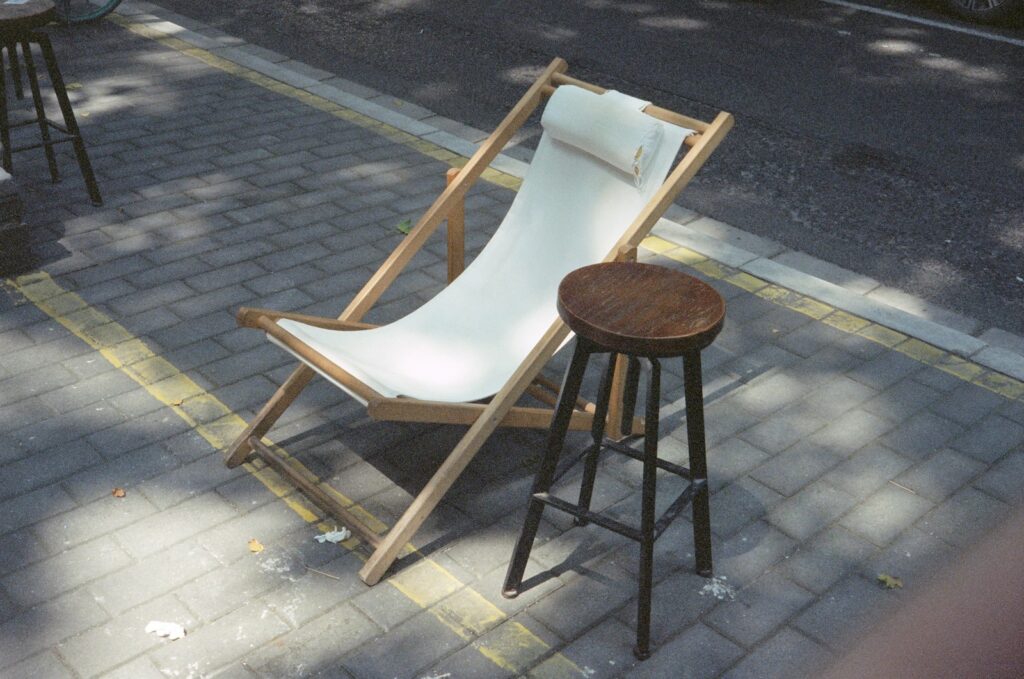
A wooden sandpit adds fun without disrupting your garden’s look. The cover keeps the sand clean and safe from animals and rain.
When closed, the cover turns into extra bench space for sitting. This saves room and keeps everything tidy.
Build your sandpit with wood that matches your garden’s style for a seamless look. The cover should be easy to move so kids can start playing right away.
After playtime, just close the lid to keep the sand fresh. Your garden stays organized and inviting.
Build a small vegetable patch where kids can grow easy plants like cherry tomatoes
A small vegetable patch is a fun way to get kids involved outdoors. Pick a sunny spot and try easy plants like cherry tomatoes for quick results.
Raised beds or large containers work well, even in smaller spaces. Let kids help plant seeds or seedlings to spark their interest.
They’ll enjoy watching the plants grow and tasting their own harvest. Add labels or decorations to make the patch personal and fun.
Add whimsical garden art like animal sculptures or painted rocks for visual fun
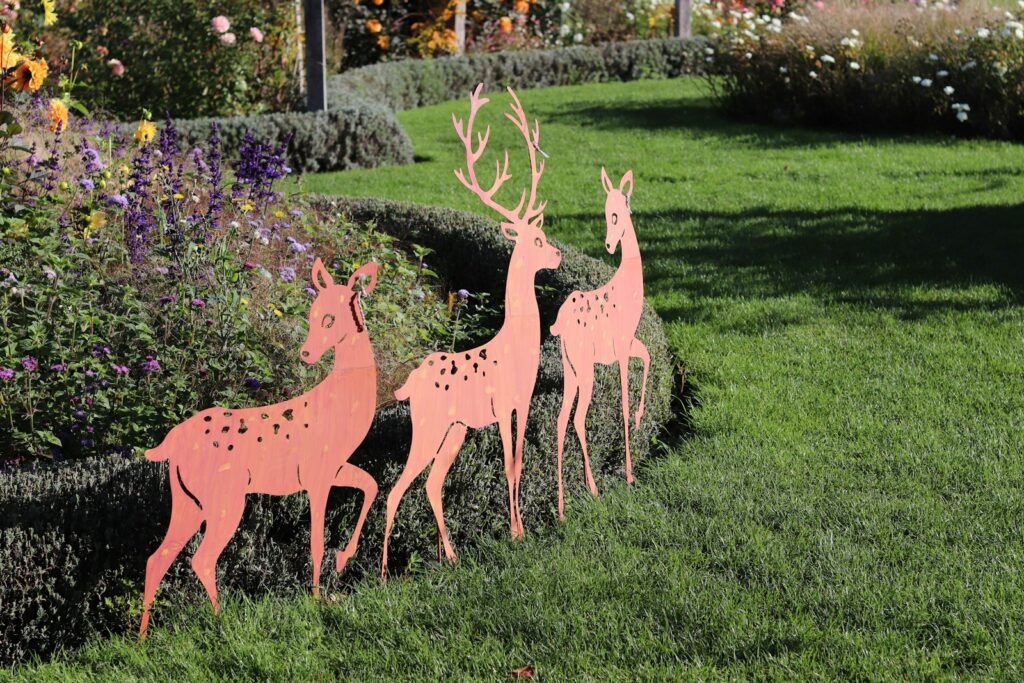
Garden art brings a playful touch to any outdoor space. Painted rocks and animal sculptures add color and personality without taking up much room.
Paint rocks with bright patterns or animal shapes and tuck them along paths or in flower beds. Kids will love discovering these little surprises.
Animal sculptures like birds, rabbits, or frogs invite exploration and imagination. Use weather-resistant materials so your art stays vibrant all year.
Use non-toxic, drought-resistant plants to ensure safety and easy maintenance
Non-toxic plants help keep your garden safe for kids. Avoid anything that can cause irritation or is harmful if touched or eaten.
Drought-resistant plants are easy to care for and don’t need much water. They stay healthy even in hot or dry weather, saving you time on maintenance.
Many of these plants come in interesting shapes and colors, so your garden remains attractive without extra effort.
Safety Considerations for a Stylish Family Garden
A beautiful garden can also be a safe place for children. Choose plants and layouts that invite play while minimizing risks.
Non-Toxic Plant Selection
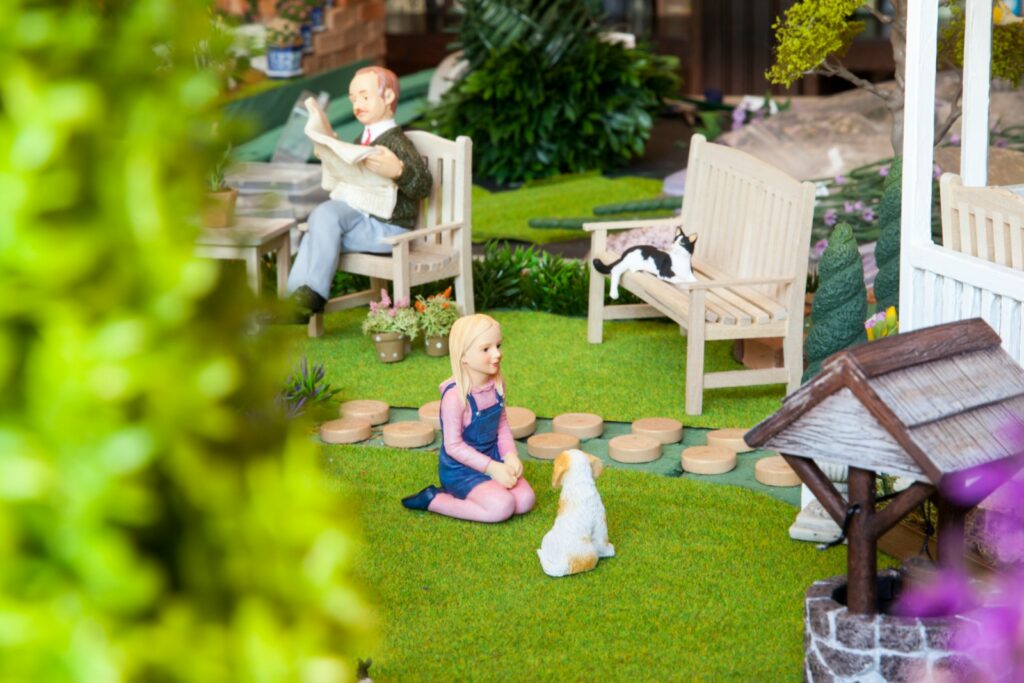
Select plants that are safe for kids to touch or accidentally taste. Sunflowers, marigolds, and snapdragons offer vibrant color without any danger.
Group plants by height and texture to create natural boundaries and visual interest. Soft herbs like lavender are perfect near play zones.
Label any unfamiliar plants or keep them out of reach. This helps avoid accidents and teaches kids about safe gardening.
Safe Pathways and Borders
Pathways can make a huge difference in how comfortable your garden feels. Smooth, non-slip surfaces like gravel, brick, or wood chips are great choices.
Avoid using sharp edges or uneven stones that might cause someone to trip. Make sure paths are wide enough for easy walking and pushchairs.
Borders help create gentle boundaries in your garden. Low hedges or rounded stones are useful for separating play zones from flower beds.
Slatted fences or soft edging materials can also help define spaces without feeling harsh. Bright colors on edges or plants make boundaries clear for kids.
This simple touch helps prevent falls and guides children safely through the garden.