8 Ways to Reduce Water Use Without Sacrificing Greenery
If you love having a green, thriving garden but cringe every time you see your water bill, you’re not alone. Many of us want to keep our yards beautiful without feeling guilty about wasting water or spending a fortune.
You don’t have to choose between a lush garden and saving water. With a few smart changes, you can have both.
Use drip irrigation systems for targeted watering
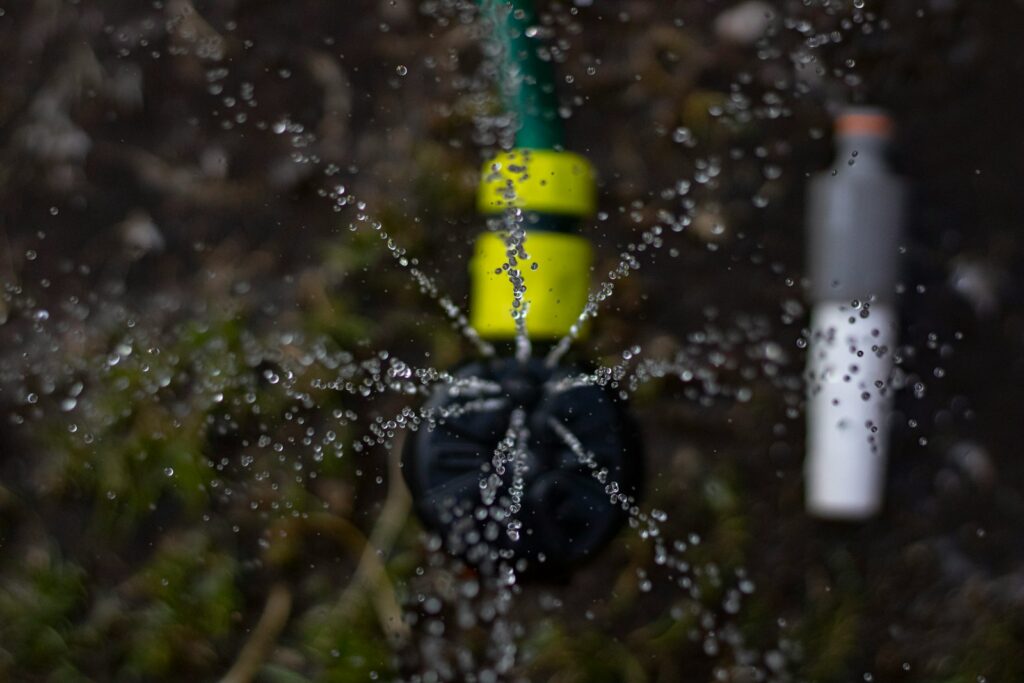
Drip irrigation delivers water right where your plants need it most—at the roots. This approach cuts down on evaporation and runoff.
You can adjust the drip rate for each plant, making it perfect for gardens with a mix of species. Drip systems can lower your water use by up to half compared to sprinklers.
Once set up, drip irrigation saves you time. Many systems can be automated with timers or smart controllers.
Plant drought-tolerant native species
Choosing native plants that are adapted to your local climate means less watering and less maintenance. These plants stay healthy even during dry spells.
Penstemon and other soft-stemmed natives can also help reduce fire risk near your home. You get a garden that’s both beautiful and resilient.
Apply thick mulch to retain soil moisture
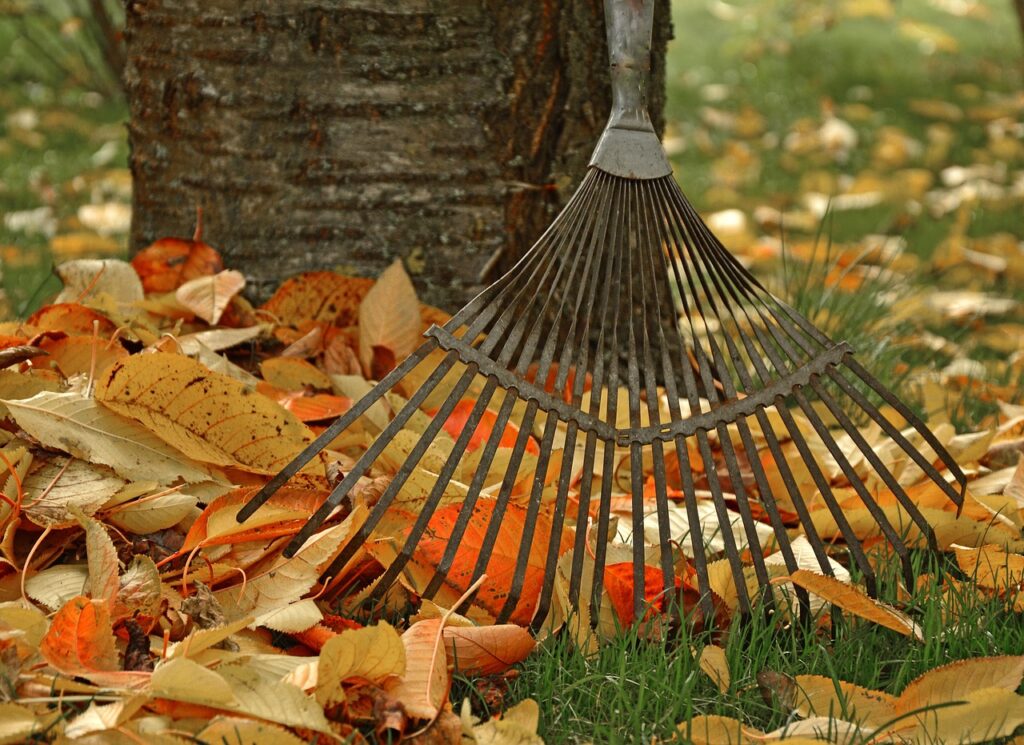
A thick layer of mulch acts as a blanket, keeping soil moist longer. This means fewer trips outside with the hose.
Use at least four inches of organic mulch such as straw, shredded leaves, or wood chips. It slows evaporation and helps more water soak into the ground.
Mulch also keeps soil cooler and blocks weeds. Refresh your mulch regularly to maintain these benefits.
Collect rainwater with rain barrels
Rain barrels are a simple way to catch and store rainwater from your roof. This gives you a free, chemical-free water source for your plants.
Place barrels under downspouts or in areas where water naturally runs off. Even if you don’t have gutters, you can still collect rainwater.
Using rainwater helps lower your water bill and reduces stormwater runoff. With minimal upkeep, a rain barrel can last for years.
Water your garden early in the morning
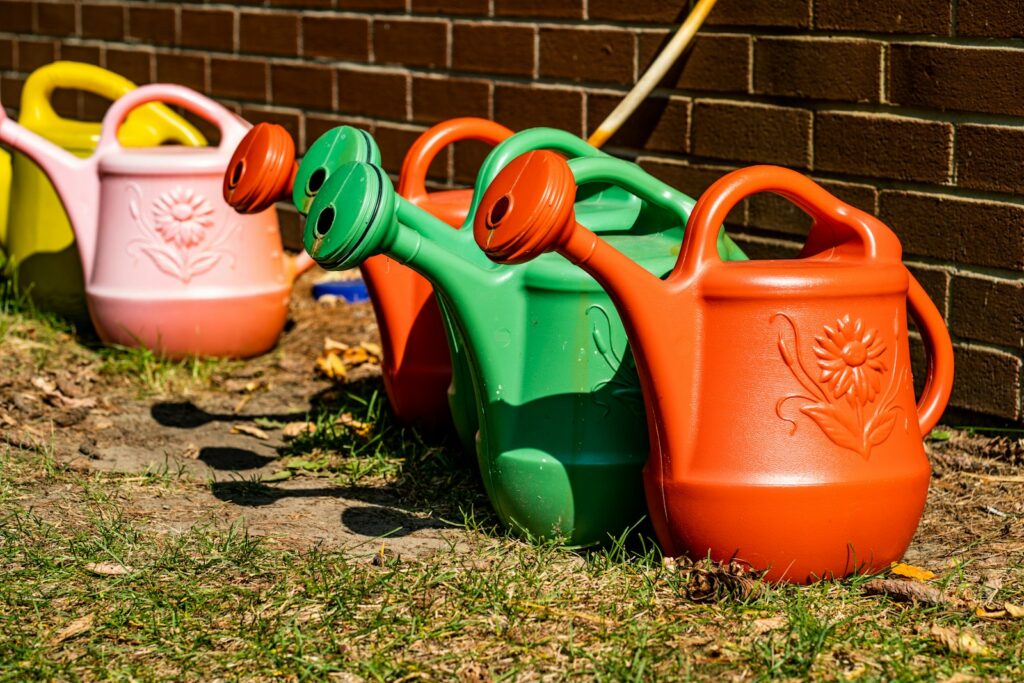
Watering before the sun heats up the day means less water evaporates. Your plants get the moisture they need right at their roots.
Cooler temperatures and calmer winds in the morning help water soak in instead of blowing away. This keeps your garden healthy without wasting water.
Morning watering also helps prevent plant diseases by allowing leaves to dry quickly.
Try to water between 5 a.m. and 9 a.m. to get the most benefit.
Use soaker hoses instead of sprinklers
Soaker hoses deliver water slowly and directly to the soil, so less is lost to evaporation. The water goes straight to the roots, helping plants grow stronger.
If you’ve struggled with water pooling or runoff from sprinklers, a soaker hose can help. It’s especially handy for garden beds and veggie patches.
Keeping leaves dry also reduces the risk of plant diseases. Soaker hoses can cut water use significantly and are easy to install.
Group plants with similar water needs together
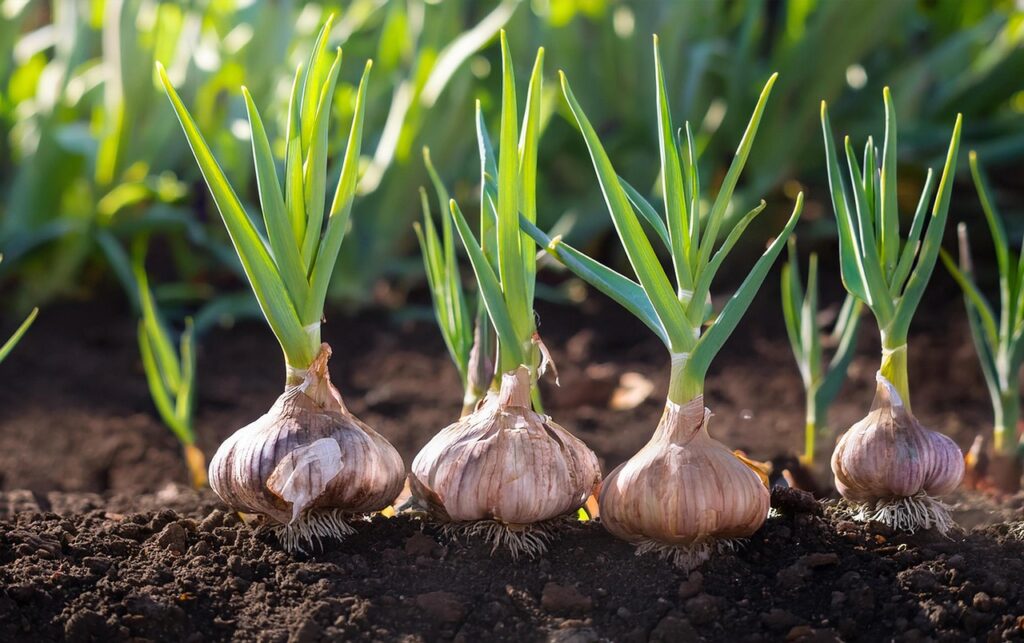
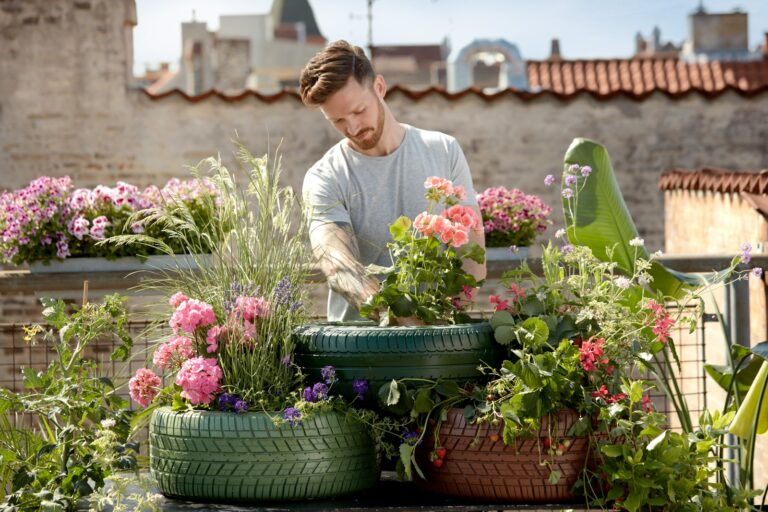
When you group plants that have similar water needs, it’s easier to water efficiently. You avoid overwatering or underwatering different types of plants.
Creating zones, or hydrozones, allows you to water each area based on what those plants require. This saves water and keeps your garden healthier.
Mulching these groups helps hold moisture in the soil even longer.
Amend soil with organic compost to improve water retention
Mixing compost into your soil helps it hold onto water longer. Compost creates spaces in the soil that trap moisture for your plants.
Soil with more organic matter doesn’t get hard and crusty in the sun. Water soaks in better and stays available to roots.
Compost also supports beneficial microbes that keep your garden thriving. Healthier soil means you can water less often.
Understanding Water Needs for Healthy Landscapes
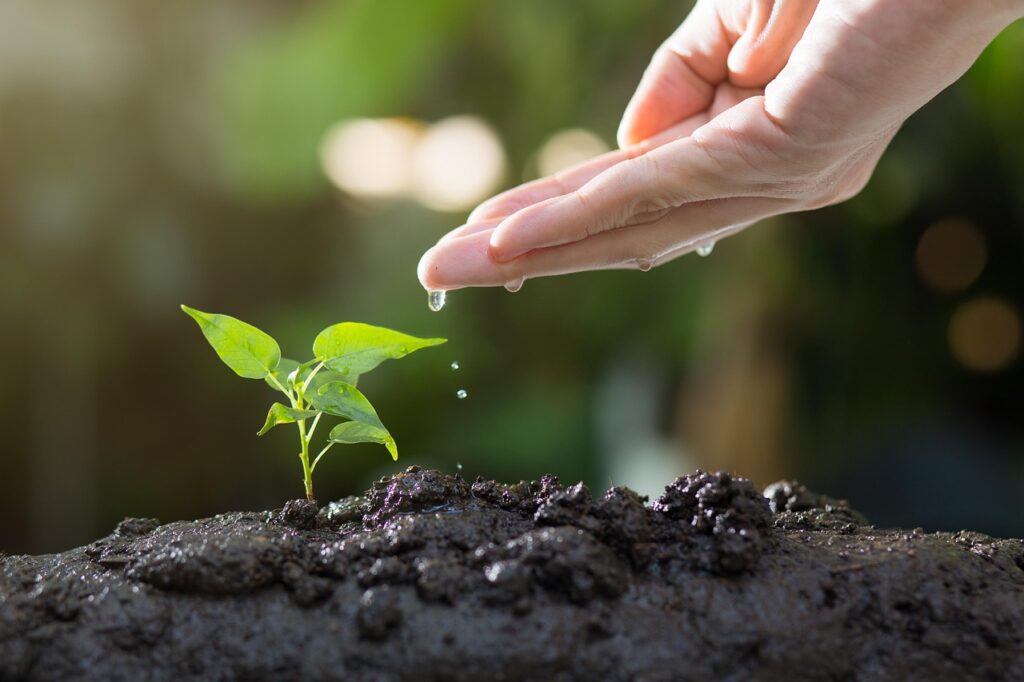
Knowing how much water your plants really need can make a big difference. Every plant is different, and paying attention to their needs helps you avoid waste.
Grouping plants by water requirements and adjusting your watering schedule for the weather helps you use only what’s necessary.
Avoid watering on rainy or cool days. Smart watering keeps your landscape beautiful and saves water.
Common Myths About Watering Green Spaces
A lot of people think grass needs water every day, but most lawns do better with deep watering just once or twice a week. This helps roots grow deeper and makes plants stronger.
Brown leaves don’t always mean your plants are thirsty. Sometimes it’s too much water, poor drainage, or even disease.
Check the soil before you water and remember that each part of your garden may need something different.
Sustainable Water Management Practices
Paying attention to the weather and using modern tools can help you manage water wisely. This keeps your plants happy and cuts down on water waste.
Tools and Technology That Promote Conservation
Drip irrigation systems deliver water right to the roots, reducing waste. Smart irrigation controllers adjust watering based on weather or soil moisture.
Rainwater harvesting systems let you use free rainwater for your plants. Devices like low-flow nozzles and timers help you control how much water you use.
These tools make it easier to water efficiently and save money on your water bill.
Monitoring and Adjusting for Seasonal Changes
Ever notice how your garden seems to have its own rhythm as the weather changes? Plants can be surprisingly sensitive to shifts in temperature and sunlight.
During cooler months, your garden might not need as much water. When summer heat rolls in, those same plants can become a lot thirstier.
Try checking the soil every so often. If it feels damp a couple of inches down, you can probably hold off on watering for now.
Mulching is a simple trick that helps the soil stay moist, so you spend less time with the hose. Adjusting your routine with the seasons can make a big difference for your plants and your water bill.