9 Signs Your Soil Is Healthier Than You Think
Ever wonder if your garden’s soil is actually doing better than you give it credit for? Soil health can show up in subtle ways, and you might already have a thriving foundation for your plants without realizing it.
Simple clues in your yard can reveal a lot about what’s happening beneath your feet. Picking up on these hints can help you nurture your garden with confidence.
Crumbly, Loose Soil Texture
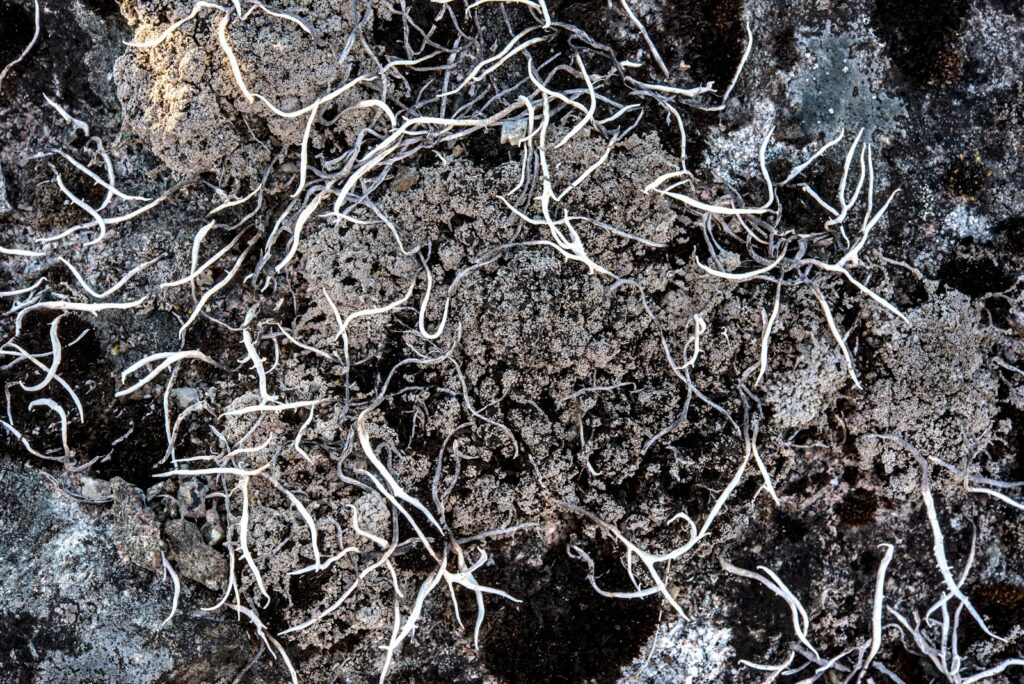
Touch the soil in your garden. If it feels crumbly and loose, that’s a fantastic sign.
This texture means air and water can move freely, helping roots grow and spread out.
Loose soil lets water soak in instead of running off. Plants stay hydrated without becoming waterlogged.
Soil that falls apart gently in your hands often has good organic matter like compost. This feeds helpful organisms and keeps your garden lively.
Earthworms especially love crumbly soil, which is a bonus for your garden.
If your soil feels soft and breaks apart easily, you’re giving your plants a strong start. Keep adding organic materials, and your soil will keep improving.
Earthy Scent Indicating Organic Activity
Dig into your soil and take a whiff. A fresh, earthy smell is a great sign.
That scent comes from soil bacteria breaking down organic matter and keeping the ecosystem active.
Earthy-smelling soil means microbes are hard at work. These tiny helpers make nutrients available to plants and help them resist disease.
If you notice a rich smell like mushrooms or wet leaves, your soil is likely packed with organic material.
A sour or rotten odor, though, can mean trouble. Pay attention to what your soil smells like to catch problems early.
Presence of Earthworms and Insects
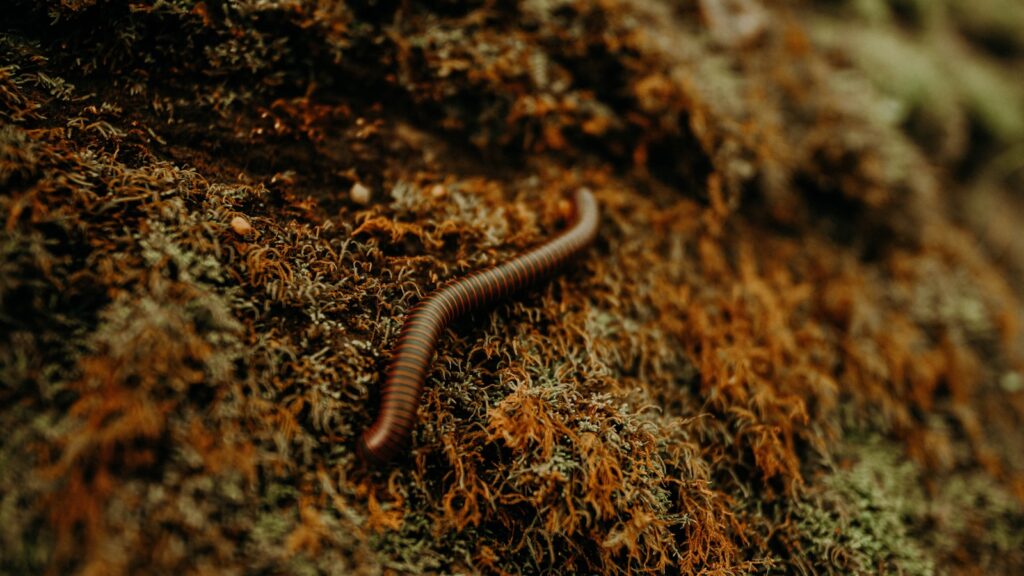
Spotting earthworms when you dig is always a good thing. They break down dead plants and mix nutrients into the soil.
Their tunnels also help air and water move where roots need them most.
Seeing insects in your soil can be a positive sign too. Some bugs break down organic matter, while others help control pests.
A healthy mix of worms and insects means your soil is alive and working well.
These creatures avoid polluted or compacted soil. If they’re around, your soil is likely clean and loose.
Dark Color Rich in Organic Matter
Take a look at your soil’s color. If it’s dark brown or even black, you’re in luck.
Dark soil usually means there’s lots of organic matter, which holds nutrients and moisture for your plants.
This kind of soil often feels soft and crumbly. Roots can grow easily, and water moves through the soil without trouble.
Gardeners sometimes call dark soil “black gold” because it’s so valuable for growing all kinds of plants.
A rich color isn’t the only thing to check, but it’s a quick clue that your soil is on the right track.
Moist but Well-Drained Soil
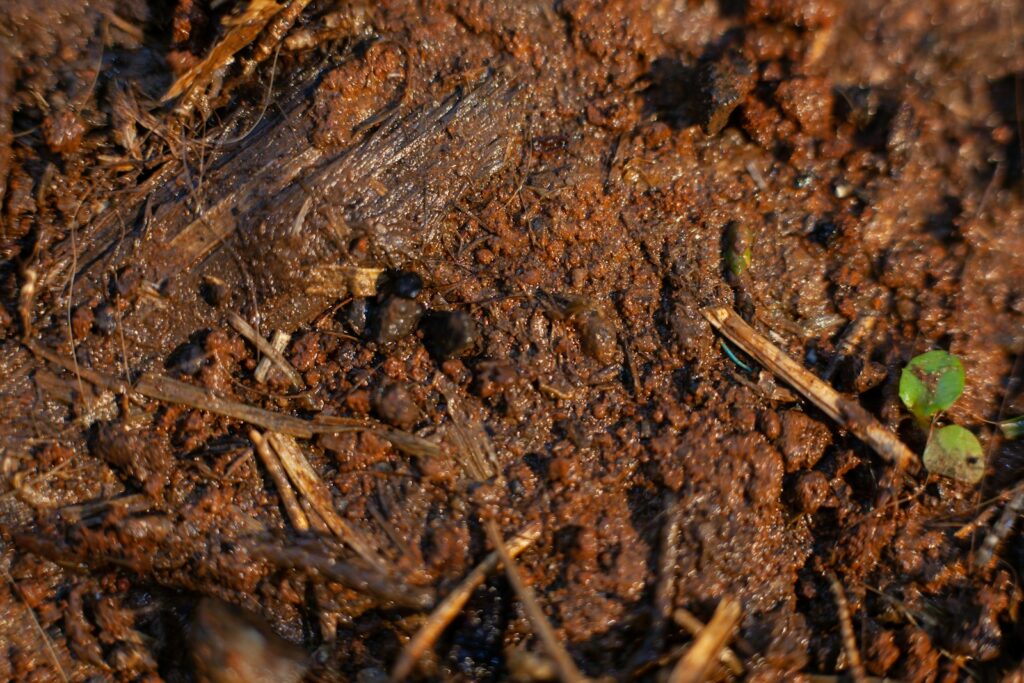
Pick up a handful of soil and feel it. Moist but not soggy soil is what you want.
Water should soak in at a steady pace, not pool on the surface. Roots get the moisture they need without drowning.
If your soil dries out too quickly, it might be sandy. If it stays wet for too long, it could be heavy with clay.
Adding compost can help balance how your soil holds and drains water.
Soil that feels like a wrung-out sponge, damp but not dripping, is a good sign. It means your plants have the right amount of water.
Healthy Plant Growth Without Supplements
Notice if your plants are thriving without a lot of extra fertilizer. Healthy soil naturally provides the nutrients they need.
Strong stems, green leaves, and steady growth all point to good soil.
If your plants flower or produce fruit without much help, your soil is supporting their full life cycle.
When you don’t have to water constantly just to keep plants alive, that’s another positive clue.
Soil that holds moisture and nutrients well helps plants grow with less effort from you.
Absence of Soil Erosion Signs

Check your garden for bare spots or exposed roots. If you don’t see them, your soil is likely staying put.
Soil that doesn’t wash away in rain or wind is stable and supported by plant roots.
Look for smooth water flow across your land, without ruts or puddles forming.
Stable soil means important nutrients aren’t being lost, and your garden is protected from damage.
When your soil stays where it belongs, your plants have a better chance to thrive.
Visible Root Networks in Soil
Dig around and look for roots spreading in all directions. Strong root networks mean your soil is supporting healthy growth.
Roots that branch out easily show the soil isn’t too compacted. Air and water reach where they’re needed.
You might see thick roots and fine, hair-like ones. Those tiny roots absorb most of the nutrients and water.
A visible mix of roots is a sign your soil is alive and full of activity.
Next time you garden, check for those root networks. They give you a snapshot of soil health.
Soil That Forms a Stable Ball but Breaks Apart Easily
Take a handful of soil and gently squeeze it. If it holds together but falls apart with a little pressure, you’ve got loamy soil.
Loamy soil is balanced with clay, sand, and silt. It holds nutrients and water but drains well.
When rolled into a ball, it feels smooth and soft, not sticky or crumbly.
This texture lets air and water reach plant roots, promoting healthy growth.
If your soil forms a short ribbon when squeezed but breaks easily, it’s not too dense for roots to grow.
Gardeners love this kind of soil because it supports many different plants and makes caring for your garden easier.
Understanding Healthy Soil
Healthy soil is more than just something to walk on. It’s a living system that supports plants, microbes, and insects.
What happens underground can make a big difference in how your garden grows.
The Role of Soil Microbes
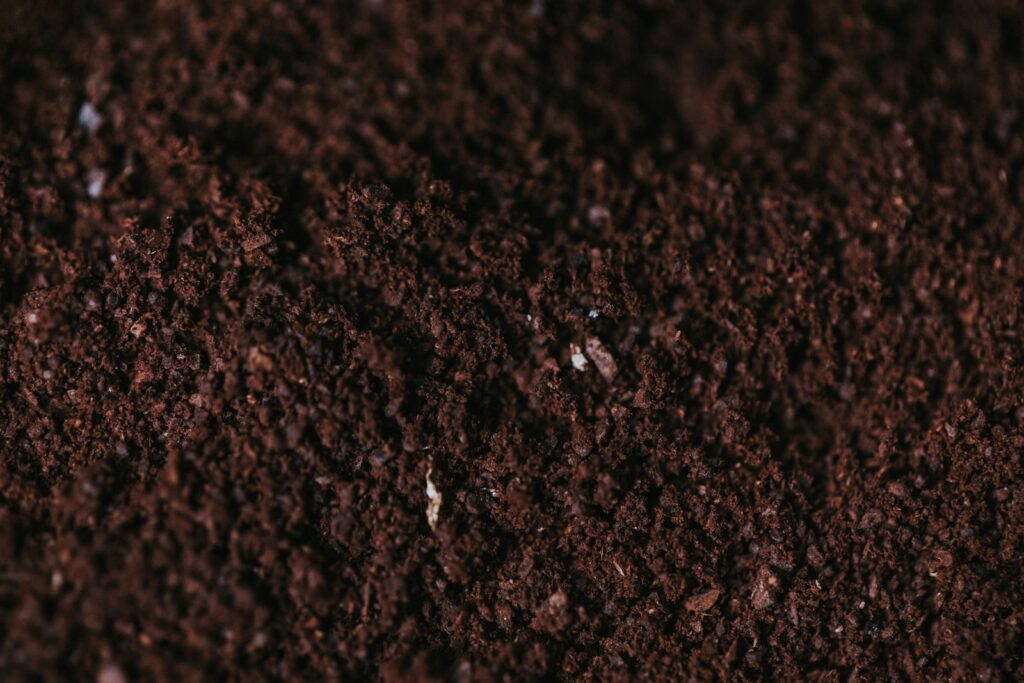
Soil microbes like bacteria and fungi break down dead plants and animals. They turn this material into nutrients your plants can use.
These microbes also protect plants by fighting off pests and diseases. When your soil is full of them, it holds water better and cycles nutrients faster.
How Healthy Soil Benefits Plants
Good soil gives plants the food, air, and moisture they need. It holds nutrients like nitrogen, phosphorus, and potassium for steady growth.
A well-structured soil lets roots dig deep and spread out. This helps plants stay strong during tough weather.
Healthy soil also drains extra water to keep roots from getting too wet, while holding enough moisture during dry spells.
Techniques for Maintaining Soil Health
Keeping your soil in top shape means feeding it and protecting its structure. Adding the right materials and handling soil gently helps roots grow and keeps water moving.
Best Practices for Organic Matter Management
Regularly add organic matter like compost or mulch. This feeds microbes and worms, which break down nutrients for your plants.
Spread compost on the surface or mix it into the top few inches of soil. Avoid dumping in too much fresh material at once, as it can tie up nitrogen.
Rotate cover crops like clover or rye to keep soil rich and protected all year.
Balance your organic materials. Too many wood chips can slow decomposition, while crop residues help build soil faster.
This approach feeds your soil life and improves fertility naturally.
Simple Ways to Support Soil Structure
Have you ever noticed how hard it is for plants to grow in tough, compacted soil? When soil is in good shape, air, water, and roots can move through it much more easily.
Try to avoid walking on wet soil or using heavy equipment in your garden. This helps prevent the ground from getting packed down and making it harder for roots to spread.
Cover crops and mulch are great tools for gardeners who want to protect their soil. These options keep the surface safe and help your garden beds stay loose.
Cutting back on how often you till your soil can also make a difference. Over-tilling can break down important clumps and disturb the tiny microbes that make soil healthy.
Every now and then, planting deep-rooted plants can help loosen things up naturally. Adopting a few of these habits can make your soil a much friendlier place for everything that grows.