9 Ways to Revive a Neglected Garden to Bring Back Beauty and Life Easily
Maybe you glance outside and see your garden looking wild and a little sad. Life gets busy, and it’s easy for outdoor spaces to get out of hand. The good news is, it’s never too late to turn things around.
With some simple steps, you can transform that forgotten patch into a spot you’ll love again. From clearing out weeds to choosing the right plants, here are nine practical ways to bring your garden back to life.
Clear out weeds and debris to make space for new growth

Start by pulling out weeds and removing debris from your garden beds. This creates space for new plants to grow.
Use pruning shears or garden scissors to cut tall weeds close to the ground. Make sure to pull weeds out by the roots to keep them from coming back.
If you spot weeds with seeds, bag them up and throw them away. This keeps them from spreading around the garden.
Rake up dead leaves, sticks, and any leftover plant material. Clearing away debris lets sunlight reach your plants and keeps air moving.
After you clean up, check the soil. With the clutter gone, it’s easier to see what needs fixing and to add compost or fertilizer if needed.
Conduct a soil test to check pH and nutrient levels
Knowing what’s happening in your soil makes it easier to fix problems. A soil test will tell you about pH and nutrient levels.
You can use a store-bought test kit or send a sample to a lab for more details. Collect small samples from different spots in your garden and follow the kit’s directions.
Soil pH affects how well plants take up nutrients. Most plants like a pH between 6.2 and 7.2.
If your soil is too acidic or alkaline, you can adjust it by adding lime or sulfur. Once you know what your soil needs, picking the right amendments is much easier.
Add compost or aged manure to enrich the soil
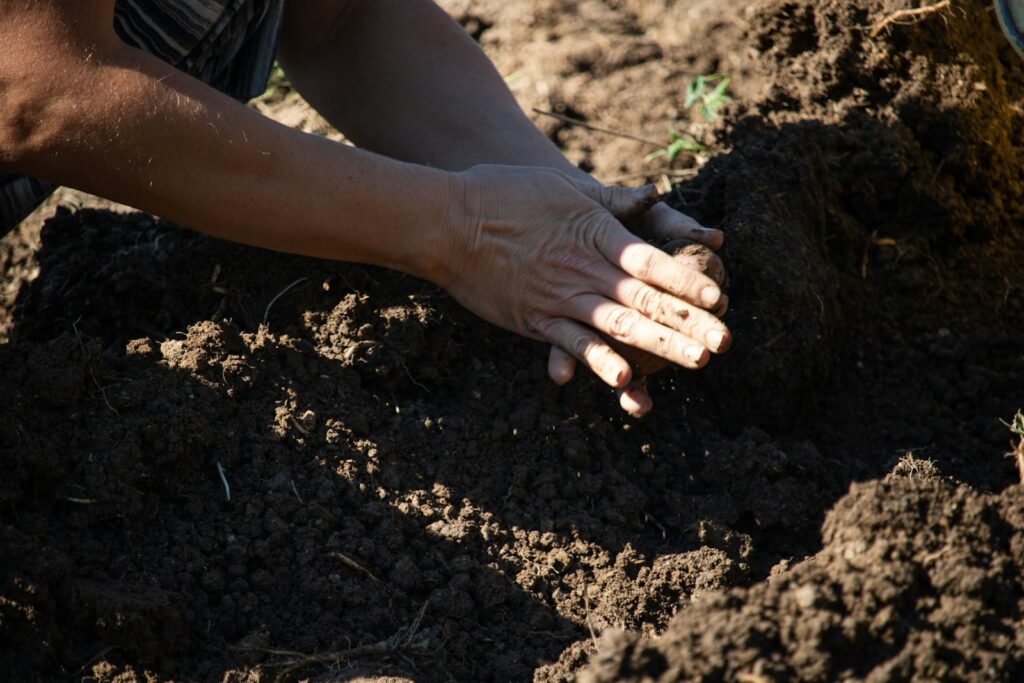
Compost and aged manure work wonders for tired garden beds. They add nutrients like nitrogen and potassium that plants need to thrive.
Compost is made from kitchen scraps and garden waste. It helps soil hold water and slowly feeds your plants.
Aged manure, from cows or chickens, should be fully composted before you use it. It gives your garden a nutrient boost and improves soil structure.
Spread a thin layer over your soil in fall or early spring. This gives time for nutrients to mix in before planting season.
Prune dead or damaged branches from shrubs and trees
Take a walk around your garden and look for dead, broken, or diseased branches on shrubs and trees. Removing these helps your plants start fresh.
Cut branches at the base with clean, sharp tools. Avoid leaving stubs, since they can attract pests or disease.
Pruning also opens up the plant for better air flow and sunlight. This encourages healthy new growth.
Don’t cut away too much at once. Focus on removing the worst branches, especially in early spring or fall.
Different plants have different pruning needs. A quick online search about your specific plant can help you prune safely.
Choose hardy, low-maintenance plants suited for poor soil

If your soil isn’t great, pick plants that don’t mind tough conditions. Hardy, low-maintenance plants are a lifesaver for neglected gardens.
Look for varieties that can handle dry, sandy, or rocky soil. These plants often have deep roots and don’t need a lot of fuss.
Yarrow, sedum, and certain grasses are strong choices. They add color and texture without needing constant attention.
Choosing these plants means less stress for you and a garden that looks good even if you miss a week of care.
Set up a simple drip irrigation system for consistent watering
Inconsistent watering can make gardens struggle. Drip irrigation delivers water right to the roots, so plants get steady moisture.
You only need basic supplies like tubing, drip emitters, and connectors. Attach the tubing to your water source and place emitters near each plant.
Drip systems save water and time by targeting just the plants, not the weeds or walkways. Once set up, you can spend less time watering.
As your garden changes, it’s easy to move or add more emitters. This keeps your plants healthy with minimal effort.
Plant native flowers and vegetables that thrive locally
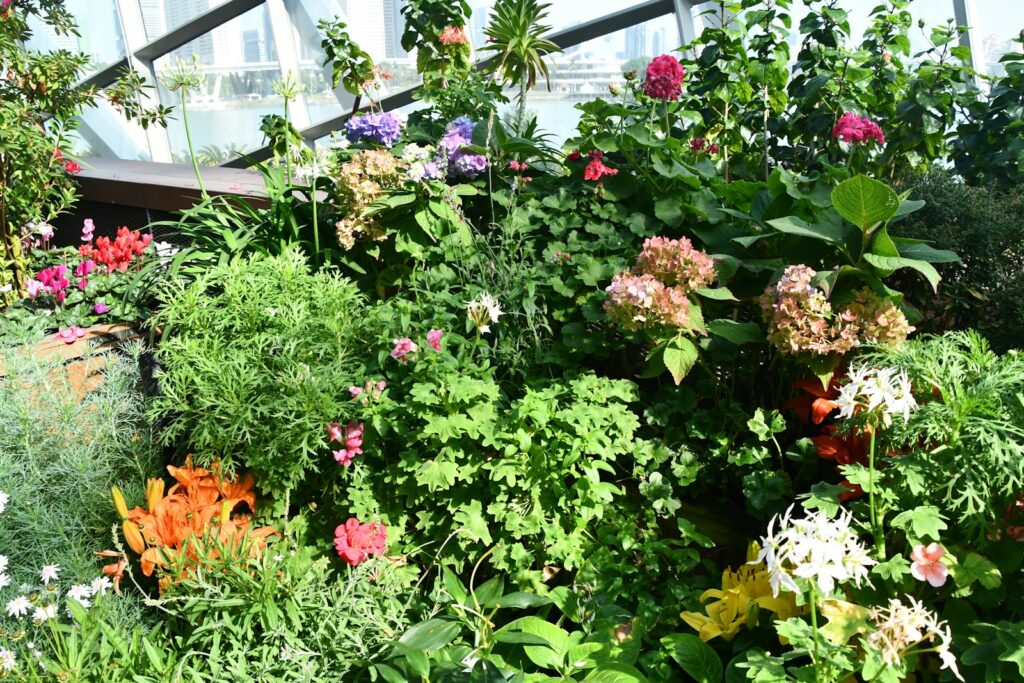
Native plants are used to your local climate and soil, so they’re easier to grow. They need less water and fertilizer and often resist pests better.
Adding native flowers and veggies attracts birds, bees, and butterflies to your garden. This helps create a lively, balanced space.
Native vegetables can be more resilient and often taste great. They’re a smart choice if you want less work and more results.
Start small with a few native plants and watch how easily they adapt. Your garden will feel more alive in no time.
Use mulch to retain moisture and suppress weeds
Mulch is a simple way to help your garden bounce back. Spread mulch around your plants to keep the soil moist and reduce how often you need to water.
Mulch also blocks sunlight from reaching weed seeds. This means fewer weeds and more nutrients for your plants.
Use 2 to 4 inches of organic mulch like bark, straw, or compost. These materials break down over time and feed your soil.
Mulch also helps protect roots from heat and cold, giving your plants a better chance to thrive.
Introduce beneficial insects to control pests naturally
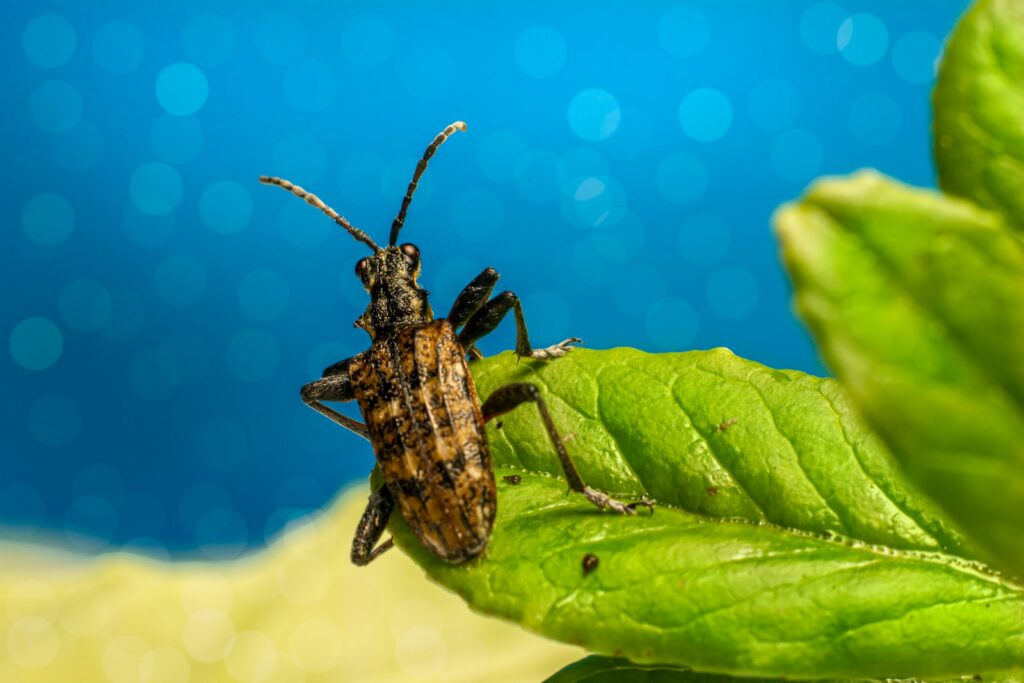
Some bugs are actually good for your garden. Ladybugs and lacewings eat pests like aphids and mites.
You can attract these helpful insects by planting flowers and herbs they like. This keeps pest populations in check without chemicals.
If needed, you can buy beneficial insects from garden suppliers and release them in your yard. Once they settle in, they help keep your plants healthy.
Supporting beneficial insects also helps with pollination, which means better blooms and harvests.
Understanding Common Garden Problems
When a garden sits neglected, a few issues tend to pop up fast. Knowing what you’re up against makes it easier to tackle problems head-on.
Soil Degradation
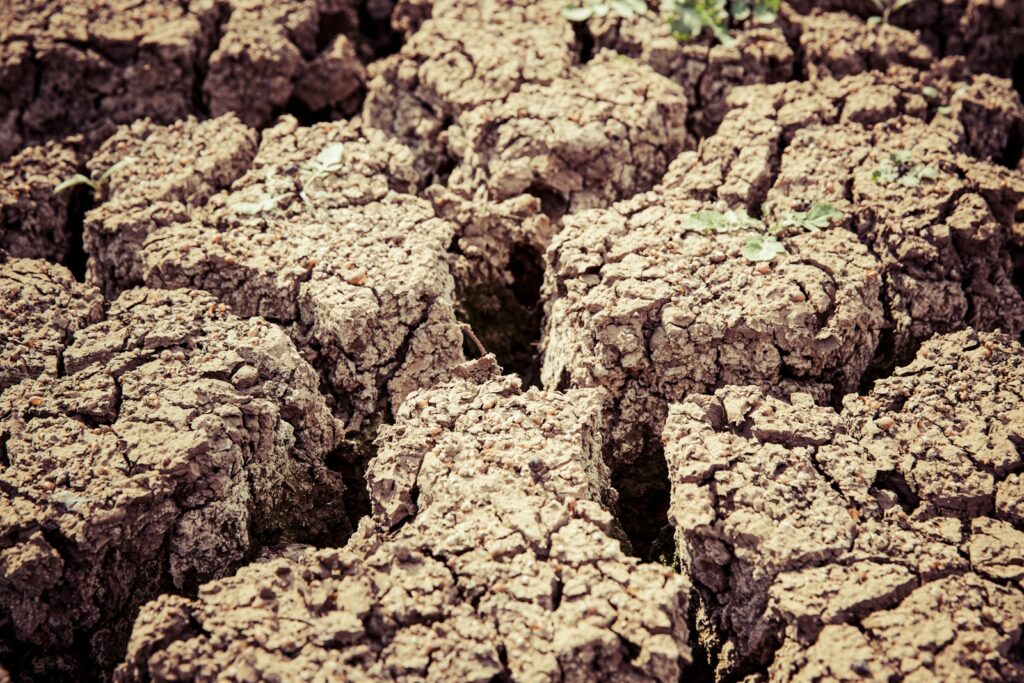
Soil can lose nutrients and get compacted over time. Hard, dry, or cracked soil makes it tough for roots to grow and for water to soak in.
Test your soil’s pH and nutrient levels to see what’s missing. Adding compost or aged manure helps bring back nutrients and improves texture.
Loosening the soil with a fork or aerator lets roots breathe and water reach deeper.
Invasive Weeds
Weeds love a neglected garden and can quickly take over. They compete with your plants for light, water, and nutrients.
Pull weeds by hand when the soil is soft. Mulch helps block new weeds from sprouting.
For stubborn weeds, you may need to use targeted weed killers, but always be careful not to harm your good plants.
Pest Issues
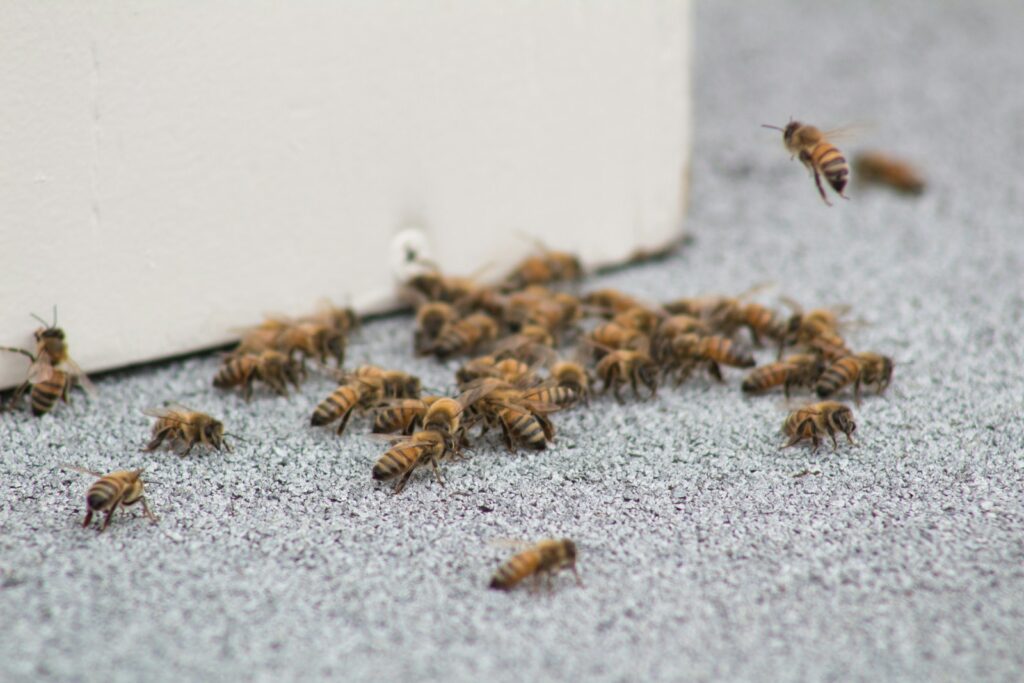
Weak or crowded plants attract pests like insects and small animals. Look for signs such as chewed leaves, holes, or sticky residue.
Try natural pest control, like encouraging beneficial insects or using insecticidal soap. Avoid harsh chemicals that can harm helpful bugs.
Keeping your garden tidy helps cut down on pest problems over time.
Tips for Maintaining Your Newly Revived Garden
Once your garden is looking better, a little ongoing care keeps it thriving. Paying attention to watering and pruning goes a long way.
Watering Schedules
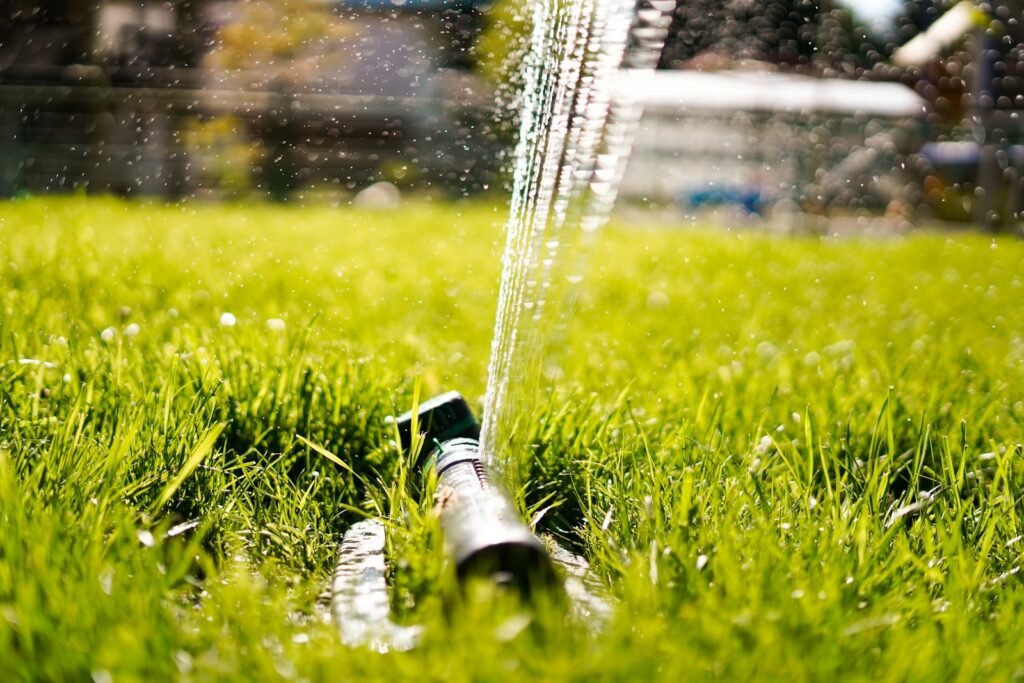
Water early in the morning or late in the evening to cut down on evaporation. This helps moisture reach the roots where it’s needed most.
Most gardens do well with about an inch of water per week. Check soil moisture by sticking your finger about two inches deep. If it’s dry, it’s time to water.
Use a soaker hose or drip irrigation for slow, steady watering. This keeps leaves dry and reduces disease risk.
Adjust your routine based on weather and plant type to keep your garden healthy and growing.
Seasonal Pruning Advice
Ever notice how your plants sometimes look a little wild after winter? Pruning can help them bounce back and look their best.
Different plants have their own schedules for when they need a trim. It helps to get familiar with the needs of your specific garden.
Early spring is a good time to cut away dead or damaged branches. This gives your plants a fresh start and encourages new growth.
If you have flowering shrubs, wait until after they bloom to prune. This keeps their shape and helps them produce more flowers next year.
Try not to prune too much in late summer or fall. Doing so can leave plants vulnerable before winter sets in.
Always use sharp, clean tools for cutting. This makes cleaner cuts and helps prevent disease from spreading.
Watch for branches that cross or areas that look crowded. Thinning these out lets more air in and keeps pests away.