How to Help Bees and Butterflies Thrive in Your Neighborhood Garden
Pollinators like bees and butterflies play a vital role in maintaining healthy ecosystems and supporting the plants around you. As their habitats become fragmented, these important creatures need connected spaces to find food, shelter, and places to breed.
Creating a pollinator pathway helps link these habitats, giving pollinators the resources they need to thrive and move safely across your community. By understanding how these pathways work, you can contribute to supporting pollinator populations right in your own neighborhood.
Choose native wildflowers to provide familiar nectar sources
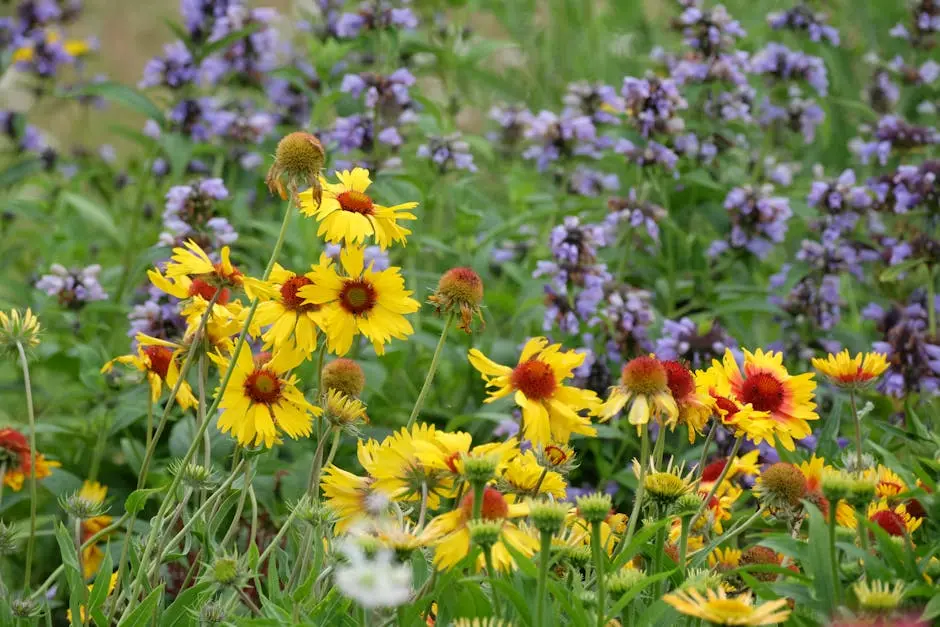
When you select native wildflowers for your pollinator pathway, you are giving bees and butterflies the nectar they know best. These plants have evolved alongside local pollinators, making them a dependable food source.
Native wildflowers are adapted to your area’s climate and soil. This means they often require less care while supporting local ecosystems.
By planting a variety of native species, you offer nectar throughout different seasons. This helps pollinators find food all year long and encourages them to keep coming back to your garden.
Incorporate curved garden paths to slow pollinator movement
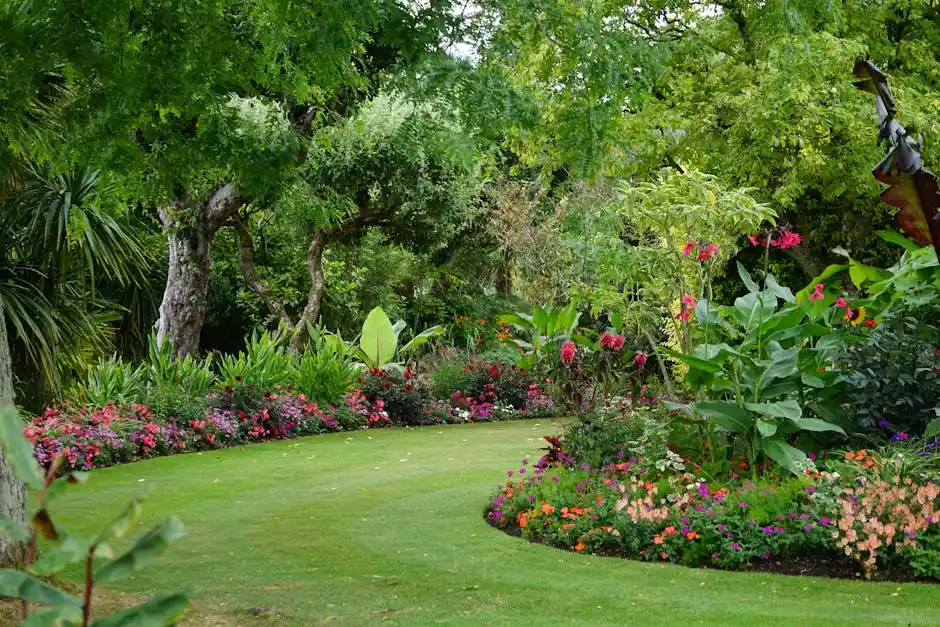
Curved garden paths encourage pollinators like bees and butterflies to linger longer among your plants. By gently winding your paths, you create a more inviting space that naturally slows their movement.
This slower pace helps pollinators visit more flowers, increasing their chances to collect nectar and spread pollen. It also adds visual interest to your garden, making it more enjoyable for you.
Avoid sharp barriers along these paths so pollinators can move freely. Your curved design will help connect different parts of your garden, supporting a healthier pollinator habitat.
Plant layered habitats with low, mid, and tall plants

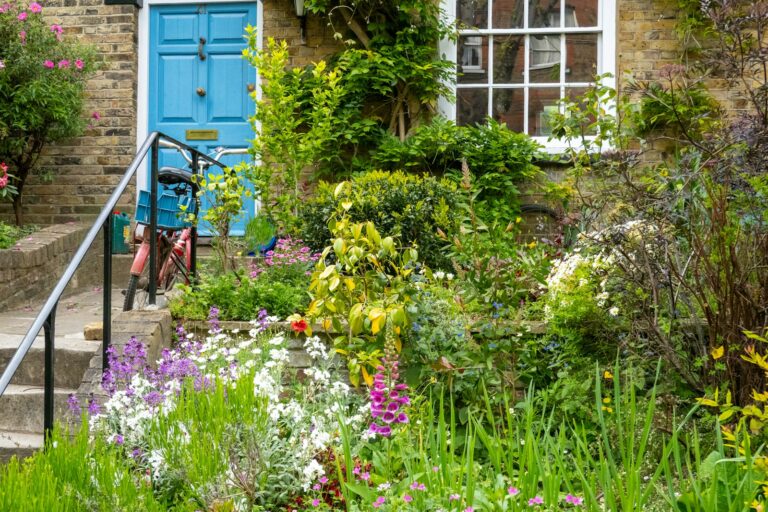
You can support pollinators best by arranging plants in layers—low, mid, and tall. This approach mimics natural habitats where different plant heights provide various resources and shelter.
Start with low-growing ground covers and wildflowers that offer nectar close to the soil. Then add medium-height plants, like flowering shrubs, to create feeding spots and resting areas.
Finally, include tall plants such as native grasses or perennials. These provide shelter and help form corridors for pollinators to move safely through your garden. Layering your plants this way creates a diverse, inviting space for bees and butterflies to thrive.
Create stepping stones of flowering patches throughout your garden
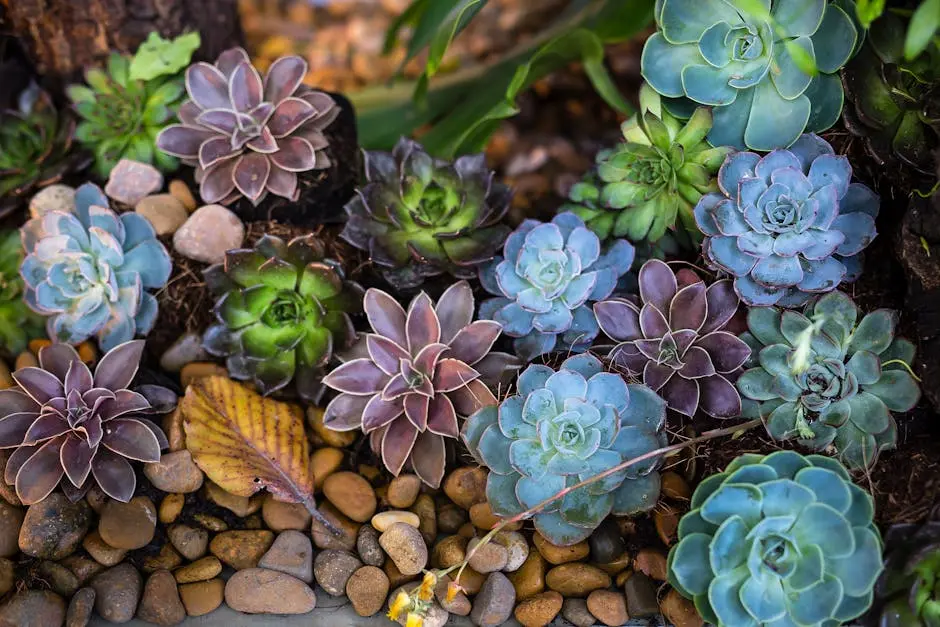
You can help pollinators by planting small, connected patches of flowers in your garden. These stepping stones serve as rest stops where bees and butterflies can find food and shelter as they move through your area.
Choose native plants with staggered bloom times to provide continuous nectar. Even a few containers or herb pots can act as effective stepping stones if space is limited.
By linking these patches, you create a safe path that makes it easier for pollinators to travel and thrive. This simple action supports local biodiversity and enriches your garden’s ecosystem.
Include water sources like shallow dishes with stones

You can help pollinators by adding shallow dishes filled with water in your garden. Use small stones or pebbles inside the dish to create safe landing spots for bees, butterflies, and other insects.
Make sure the water level is just enough to reach the tops of the pebbles. This prevents pollinators from drowning while giving them a place to drink comfortably.
Place these dishes in a sunny, quiet spot where pollinators feel safe. Refresh the water regularly to keep it clean and inviting for your garden’s busy visitors.
Avoid pesticides and choose eco-friendly gardening methods

You can help pollinators by avoiding chemical pesticides in your garden. These substances often harm bees, butterflies, and other beneficial insects. Instead, look for natural pest control options like introducing ladybugs or using neem oil.
Eco-friendly gardening includes composting and mulching to improve soil health. These practices reduce waste and create a better environment for plants and pollinators alike. When you choose native plants, you support local ecosystems without adding extra stress.
By keeping your garden chemical-free and using sustainable methods, you create a safe space where pollinators can thrive. Your efforts make a real difference in protecting these important creatures.
Add shelter spots such as logs and dense shrubs
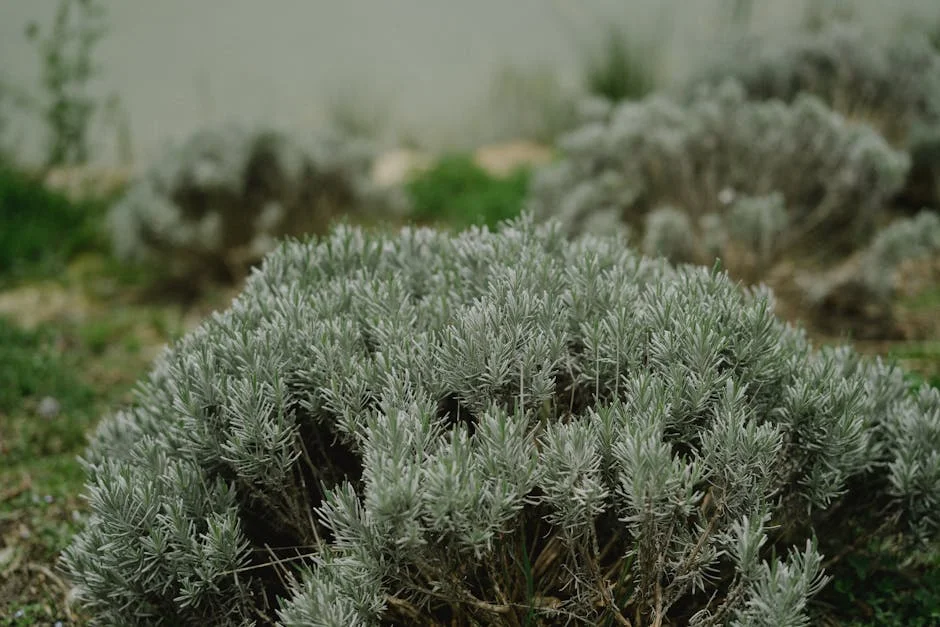
You can help pollinators by adding shelter spots like logs, brush piles, or dense shrubs in your garden. These areas offer protection from predators and harsh weather.
Logs and brush piles create natural hiding places for bees and butterflies to rest and nest. Dense shrubs also provide safe perching spots, especially for hummingbirds and other small pollinators.
Place these shelters in sunny, quiet locations where pollinators feel secure. Mixing different types of shelters encourages a variety of pollinators to visit and stay in your garden.
Use continuous blooms to provide food across seasons
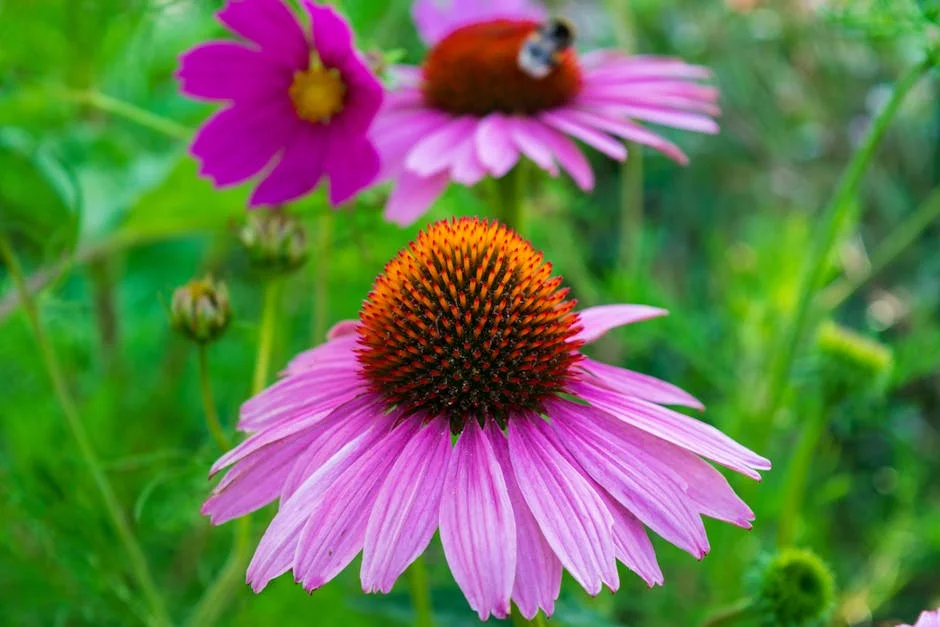
You can support pollinators by planting flowers that bloom at different times throughout the year. This ensures bees, butterflies, and other insects always have access to food.
Start with early spring blooms to help pollinators recover after winter. Then include summer and fall flowering plants to provide steady nourishment.
Choosing a variety of plants with staggered bloom times creates a reliable food source. This way, your garden becomes a safe stop for pollinators during migration and seasonal changes.
Connect fragmented green spaces with pollinator corridors
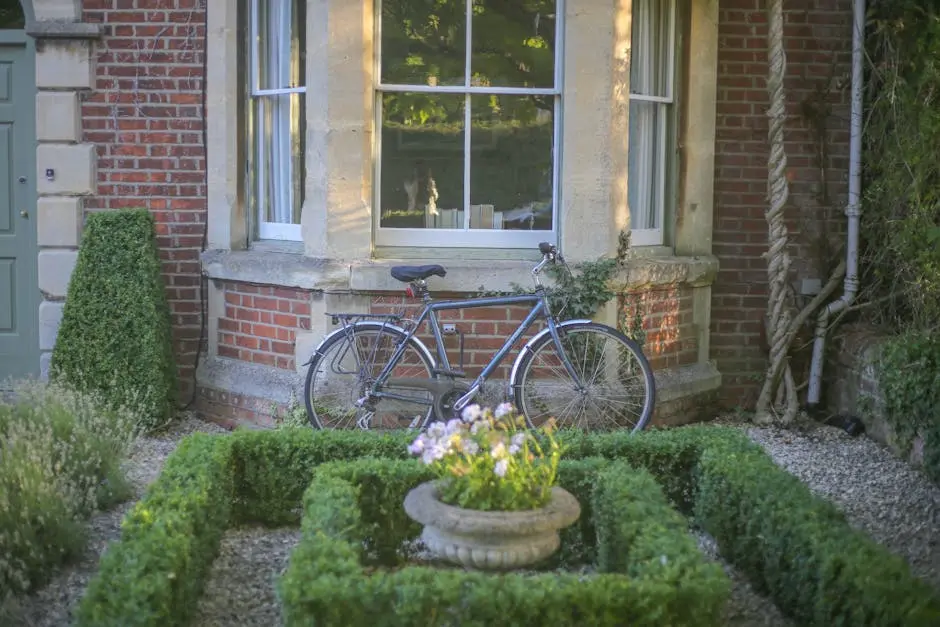
You can help pollinators by linking patches of green with corridors made of native plants. These pathways guide bees, butterflies, and other pollinators safely through urban areas.
Even small spaces, like flower boxes or curb strips, contribute to these networks. When connected, they create a continuous route for pollinators to access food and shelter.
Focus on planting a variety of species that bloom at different times. This ensures food is available throughout the seasons. Your corridor becomes a lifeline for pollinators moving between gardens, parks, and natural spots.
Include host plants for butterfly larvae
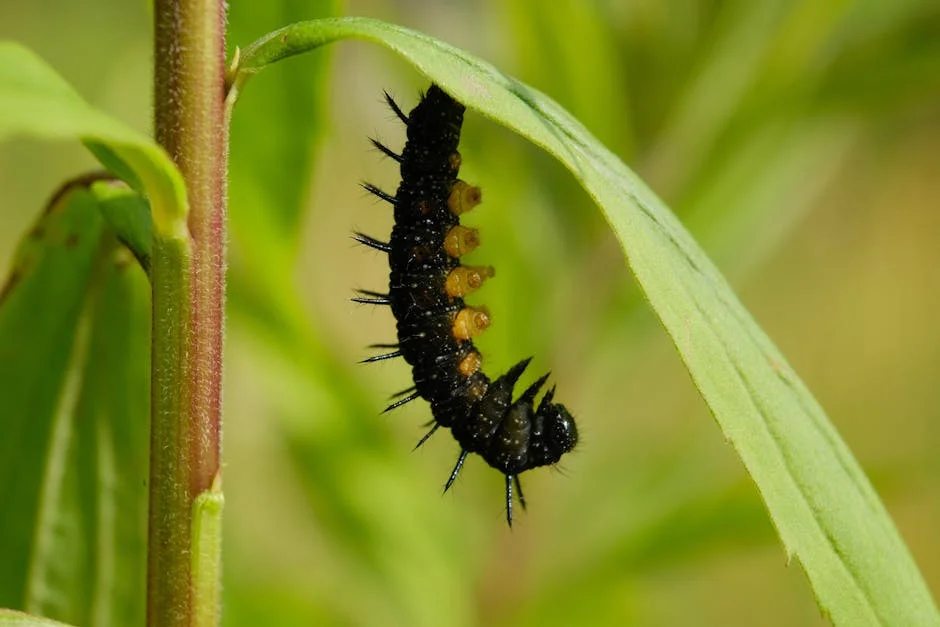
To support butterflies throughout their life cycle, you need to include host plants in your garden. These plants provide food and shelter for caterpillars after eggs hatch.
Host plants are essential because butterflies lay their eggs on them, and caterpillars feed exclusively on these leaves. Without the right host plants, young butterflies can’t survive.
By planting a variety of common host plants like milkweed, parsley, or violets, you give caterpillars the nourishment they need to grow and transform. This helps boost butterfly populations and brings more life to your garden.