The Best Plants to Add Color to a Winter Garden
When winter rolls in, gardens can start to look a bit empty and gray. If you’re someone who misses the lively colors of spring and summer, you’re not alone.
There are plenty of plants that can brighten up your outdoor space during the colder months. With a few smart choices, your garden can feel welcoming and cheerful all season.
The best plants to add color to a winter garden are those that can handle chilly weather while showing off flowers, berries, or unique foliage. Picking the right ones means you can enjoy a splash of color even on frosty days.
Winter Heath (Erica carnea)
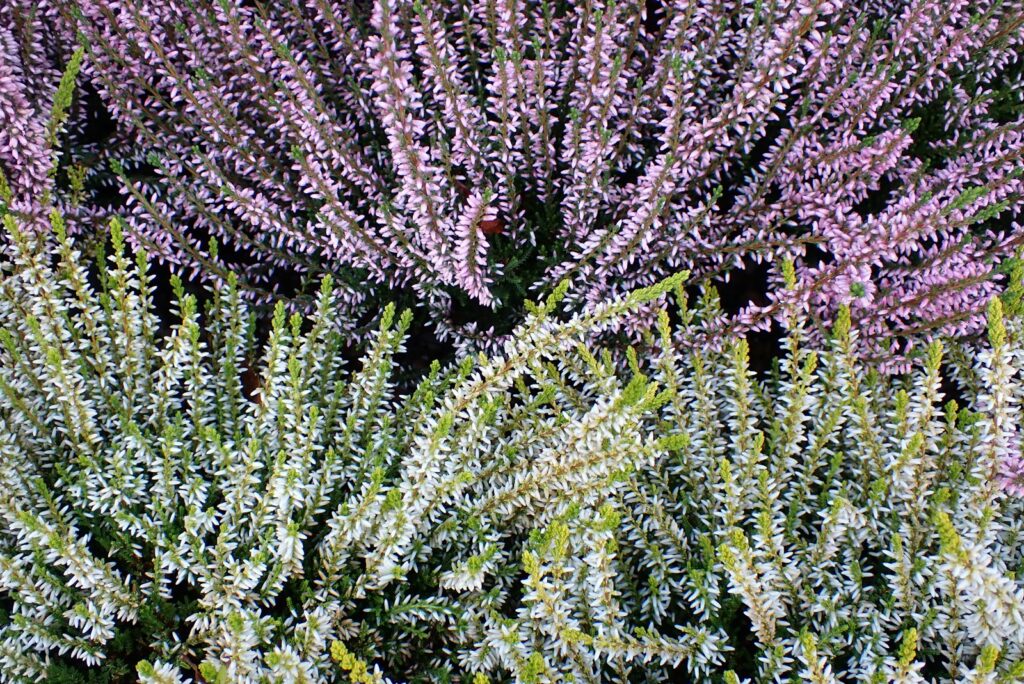
Winter heath is a fun way to bring color to your garden in the colder months. This low-growing evergreen blooms in late winter and early spring.
You’ll spot small, bell-shaped flowers in shades of pink, white, or purple. Plant winter heath somewhere it will get plenty of direct sunlight.
It does best with at least six hours of sun daily and prefers well-drained, slightly acidic soil. Its needle-like leaves add texture to your garden, even when it’s not flowering.
Winter heath can bloom through snow and makes a good ground cover for empty spots. Once established, it needs little water and almost no maintenance.
Red-Twig Dogwood
Red-twig dogwood brings a burst of color to your winter garden with its bright red stems. These stand out beautifully against snow or bare ground.
In spring and summer, you’ll see green leaves and small white flowers. When fall arrives, the leaves drop and the striking red branches take center stage.
This shrub is easy to care for and grows quickly. It works in both large and small spaces, and some varieties are great for containers.
Red-twig dogwood is also deer resistant. The colorful stems add structure and interest when other plants are bare.
Try planting it along walkways or in groups for a bold winter display. It’s a simple way to add warmth to your garden during cold months.
Hellebores (Christmas Rose)

Hellebores, especially the Christmas rose, are loved for their early blooms. You might see fresh white flowers as early as December.
These plants do well in shady spots, which is helpful if your garden doesn’t get much sun. They’re tough enough to survive the cold.
Hellebores don’t attract deer, which helps keep your garden safe. Their evergreen leaves add color and texture, even when the flowers aren’t out.
Once planted, hellebores need little care and come back every year. If you want a hardy plant that flowers in winter, the Christmas rose is a great low-maintenance choice.
Witch Hazel
Witch hazel is a standout in winter gardens thanks to its bright yellow flowers. It blooms in late fall or winter, adding color when most plants are bare.
This shrub or small tree grows best in zones five to eight. It likes well-drained soil and a spot with full sun or partial shade.
Witch hazel also brings a pleasant fragrance to your garden. Some types have unique, spider-like flowers for extra texture.
It blooms on old wood, so prune after flowering. Witch hazel is hardy and brightens up the landscape when you need it most.
Snowdrops (Galanthus)
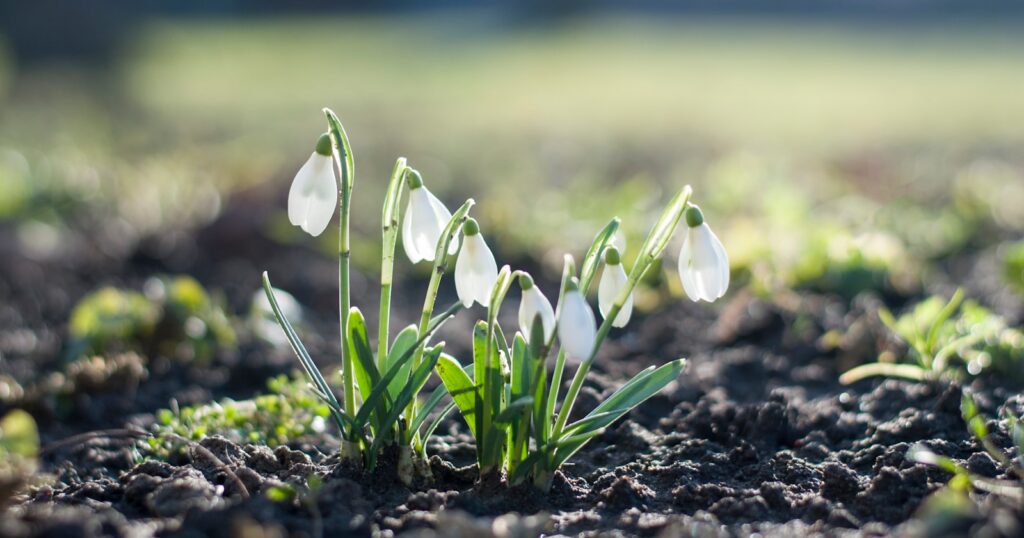
Snowdrops are often the first flowers to appear in late winter or early spring. Their small, white blooms pop against the chilly ground.
These flowers are very hardy and easy to grow. They’re perfect for adding life to your garden in cold weather.
Plant snowdrops “in the green” while they’re still growing above ground. This helps them establish more easily.
Snowdrops spread over time, creating a lovely carpet of white under trees or along paths. They’re also deer and rabbit resistant.
With minimal care, snowdrops bring a fresh touch of color to winter days.
Woolly Lavender
Woolly lavender adds something a little different to your winter garden. Its soft, fuzzy leaves offer a unique texture when other plants are bare.
The gray-green color can brighten up dull winter corners. This type of lavender is tough and handles colder weather better than some other varieties.
It still needs good sunlight and well-drained soil to thrive. Woolly lavender also works in pots indoors during very cold months.
You’ll enjoy its scent, whether inside or out. The leaves stay attractive all year, and small purple flowers appear in late spring.
Camellia
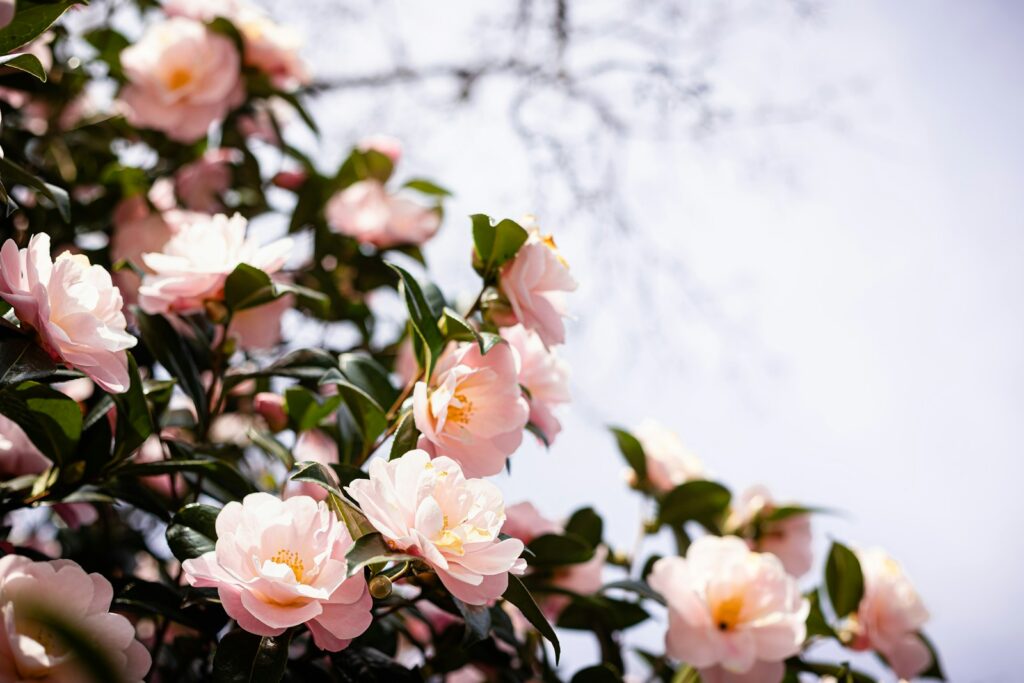
Camellias are perfect if you want flowers when most other plants are done blooming. They stand out in the cold months with their colorful blooms.
Camellia sasanqua blooms in late fall and early winter, offering white, pink, red, or cream flowers. Camellia japonica usually blooms from late winter into early spring.
These evergreens keep their shiny, dark green leaves year-round. They like a bit of shade and well-drained, acidic soil.
Camellias aren’t hard to care for if you pay attention to their needs. Watching their flowers open as winter goes on is always rewarding.
Mahonia
Mahonia is a reliable evergreen shrub for winter color. Its glossy, dark green leaves keep your garden looking lively.
In late autumn and winter, Mahonia produces clusters of bright yellow flowers. These add a cheerful pop of color when little else is blooming.
Mahonia attracts bees and other pollinators, even in the cold. Some varieties, like Mahonia x media ‘Winter Sun,’ are easy to grow and bring both color and texture.
Give Mahonia a sheltered spot to protect it from harsh winds. It’s a tough, low-maintenance plant that adds warmth to your outdoor space.
Skimmia
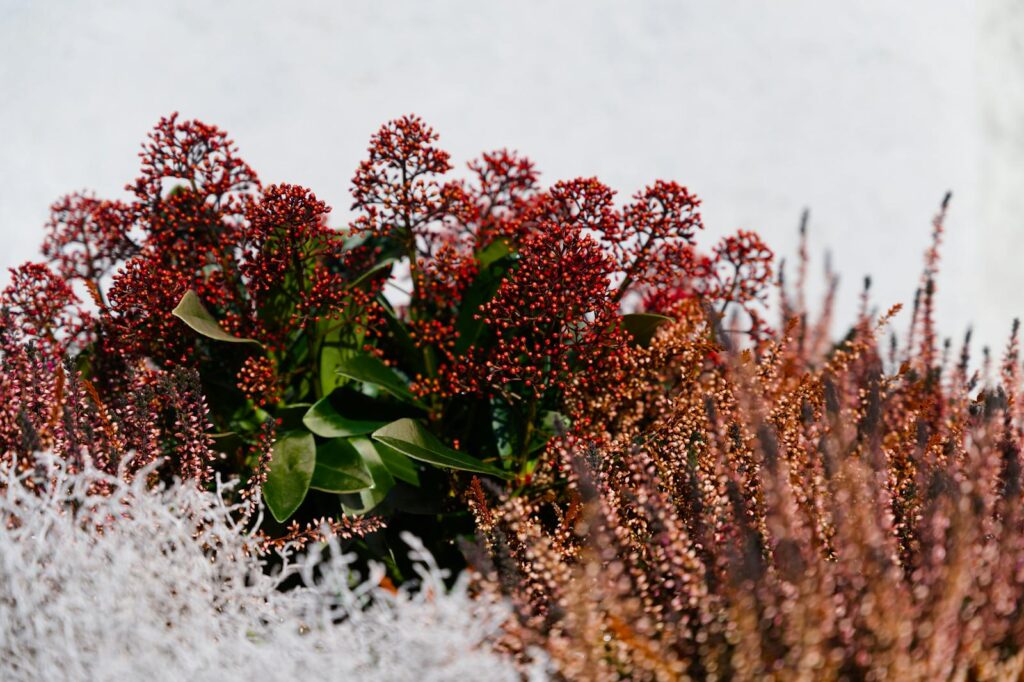
Skimmia is a small evergreen shrub that shines in winter gardens. Its shiny green leaves look good all year.
In winter, Skimmia produces red berries that stand out against the foliage. These berries add a festive touch when everything else is gray.
Skimmia grows slowly and is easy to care for. It works well in containers, making it a good choice for porches or balconies.
It prefers acidic soil, so use ericaceous compost if needed. Skimmia can grow in sun or partial shade, but regular watering is important at first.
Heather
Heather is a classic plant for adding winter color. It blooms when many others have stopped, showing off clusters of pink, white, or purple flowers.
Heather keeps its leaves all winter, so your garden won’t look empty. It’s easy to grow in pots or directly in the ground.
Make sure the soil drains well and is slightly acidic for best results. Some types of heather can even handle less acidic soils.
Heather pairs nicely with bulb flowers and other winter plants. It’s a simple way to add texture and color when you need it most.
Design Tips for Adding Color in Winter

Mixing and matching the right plants can make your winter garden feel bright and lively. Combining flowers, evergreens, and shrubs with interesting bark helps create a space you’ll enjoy even on gray days.
Choosing Complementary Plant Pairings
Think about how plant colors look next to each other. Deep green evergreens paired with red-berried shrubs like holly create a bold contrast.
Try combining blue spruce with golden conifers for a mix of cool and warm tones. Plants that bloom in winter, such as hellebores, look great next to shrubs that hold their color or berries.
Group plants with similar water and light needs. This keeps your garden healthy and the colors bright.
Incorporating Foliage and Bark Interest
Winter color isn’t just about flowers. Leaves and bark can be just as eye-catching.
Shrubs with colorful bark, like red twig dogwood or birch, add visual interest. Evergreens come in many shades, from dark green to silvery blue.
Ornamental cabbages and grasses bring extra texture and soft colors. Combining these elements makes your garden feel full and inviting all season.
Caring for Colorful Plants in Cold Weather
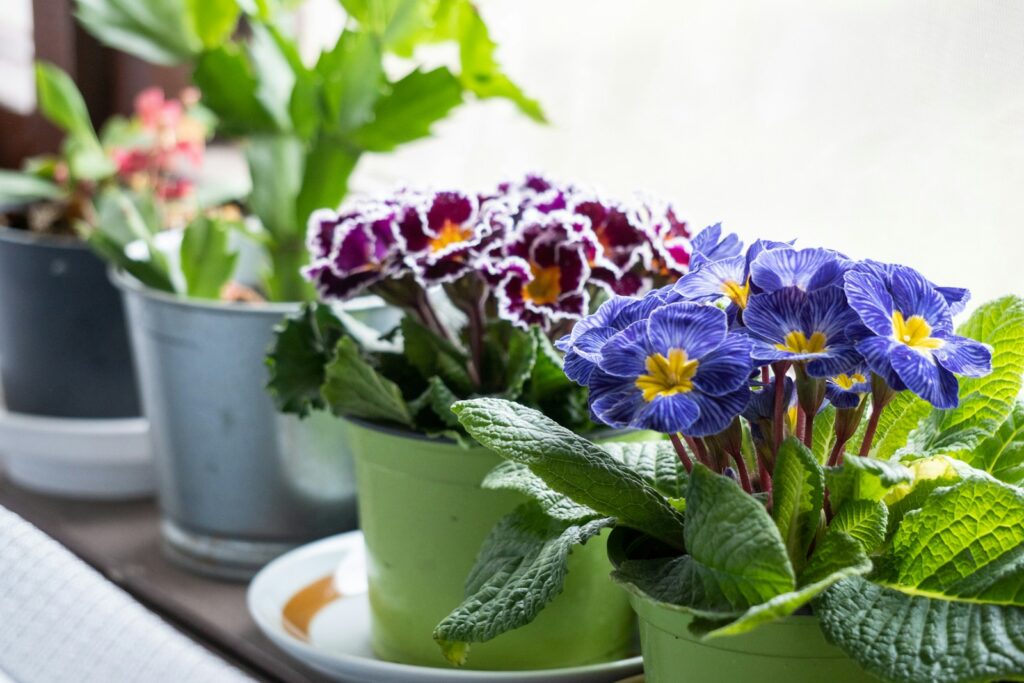
Keeping your winter garden looking good starts with the right soil and protection from the cold. Healthy roots and frost protection help your colorful plants thrive.
Soil Preparation and Mulching
Loosen the soil around your plants to help roots get air and water. Add organic matter like compost to improve soil texture and nutrients.
Spread a thick layer of mulch, about two to four inches, around the base of your plants. Use shredded leaves, straw, or bark chips.
Mulch helps keep soil warmer, holds in moisture, and protects roots from freeze-thaw cycles. Keep mulch away from plant stems to prevent rot.
Check your mulch regularly and add more if it thins out.
Protecting Plants from Frost
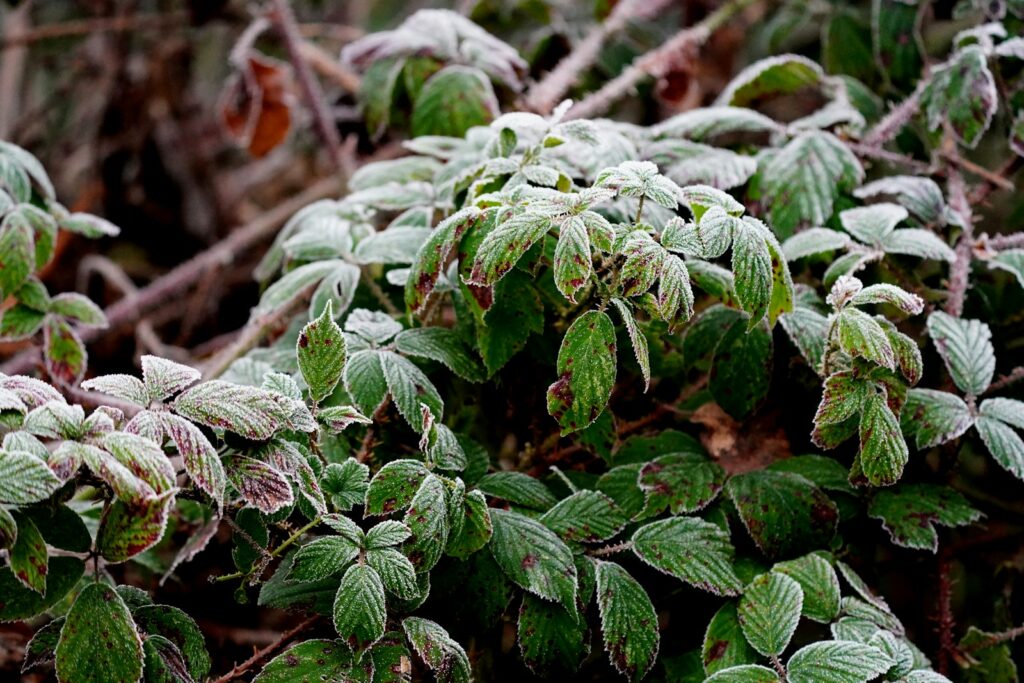
Cold nights can sneak up on gardeners and catch plants off guard. Frost can damage leaves, flowers, and buds, leaving you with a mess to clean up come morning.
Grab some frost cloths, blankets, or burlap to cover your plants when chilly temperatures are on the way. Make sure the coverings are secure so they don’t blow away, but avoid wrapping them too tightly.
Try placing stakes or frames over your plants before covering them. This helps keep fragile branches safe from being crushed.
Water your plants in the early evening before frost is expected. Moist soil holds heat better than dry soil and can offer a bit more protection.
Skip pruning right before a cold snap since new growth is extra sensitive. Stay alert to weather forecasts so you can act fast when frost threatens.