How to Make the Most of Short Garden Days in Fall
When fall arrives, the days seem to slip by faster. The evenings get cooler and the light fades early, making it tricky to fit in all your favorite garden activities.
Even though you have less time outside, autumn is perfect for slowing down and enjoying the little things in your garden. A few small changes can help you savor the season and keep your plants happy.
Start your day with morning garden chores to maximize daylight
Getting outside early lets you take advantage of the gentle morning light and cooler temperatures. It’s a peaceful way to start the day and often the best time to get things done.
Begin by watering your plants. Moisture soaks in better before the sun rises high, helping your garden thrive.
Check for any pruning needs or signs of pests while the light is good. Catching problems early gives your plants a better chance to recover.
Stick to the most important jobs first, like watering thirsty plants or harvesting vegetables that are ready. Save less urgent chores for another time.
Taking these steps in the morning helps you make the most of every daylight hour.
Use reflective surfaces to increase light for plants
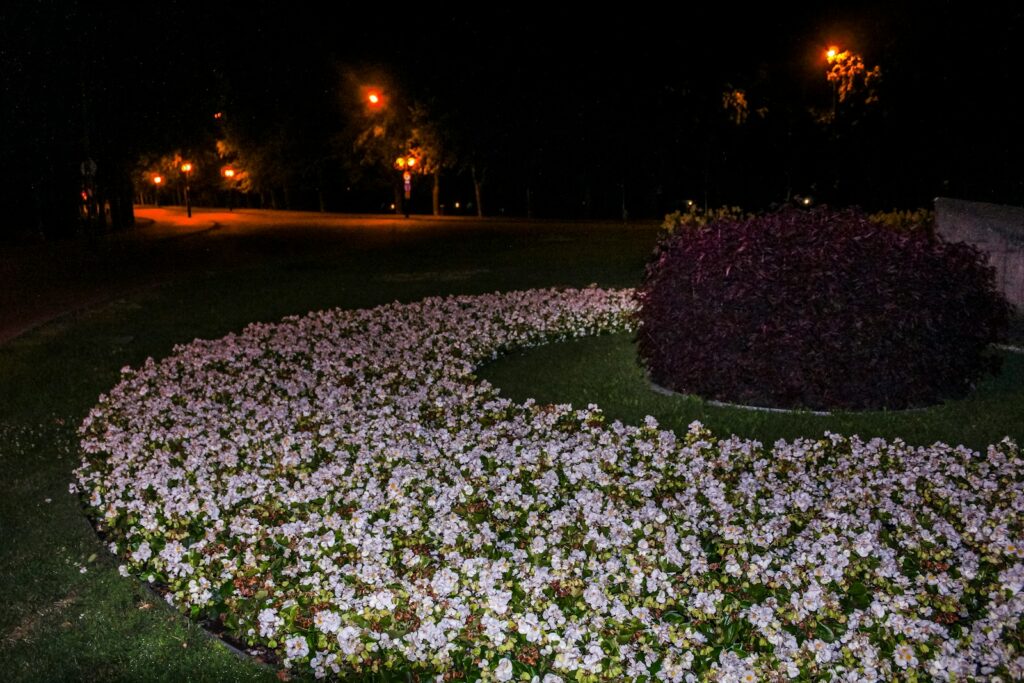
Shorter days mean less sunlight for your garden, but you can help your plants by bouncing extra light their way. Reflective surfaces are an easy fix.
Try putting mirrors or shiny materials like aluminum foil near your plants. Light-colored fences or garden paths can also help.
If you have indoor plants, a mirror or whiteboard nearby can give them a boost. Outdoors, painting walls or fences a lighter color adds brightness without much effort.
These simple tricks can make a noticeable difference, especially on cloudy fall days.
Plant short-season crops like radishes and lettuce
Fast-growing veggies are your friends in autumn. Radishes are ready in just a few weeks, and lettuce grows quickly in cool weather.
You can start harvesting lettuce leaves in about a month. Some types are even faster.
Short-season crops let you enjoy fresh produce before the frost sets in. Planting in small batches every week keeps your garden producing longer.
Choosing these crops is a great way to get tasty results from your fall garden.
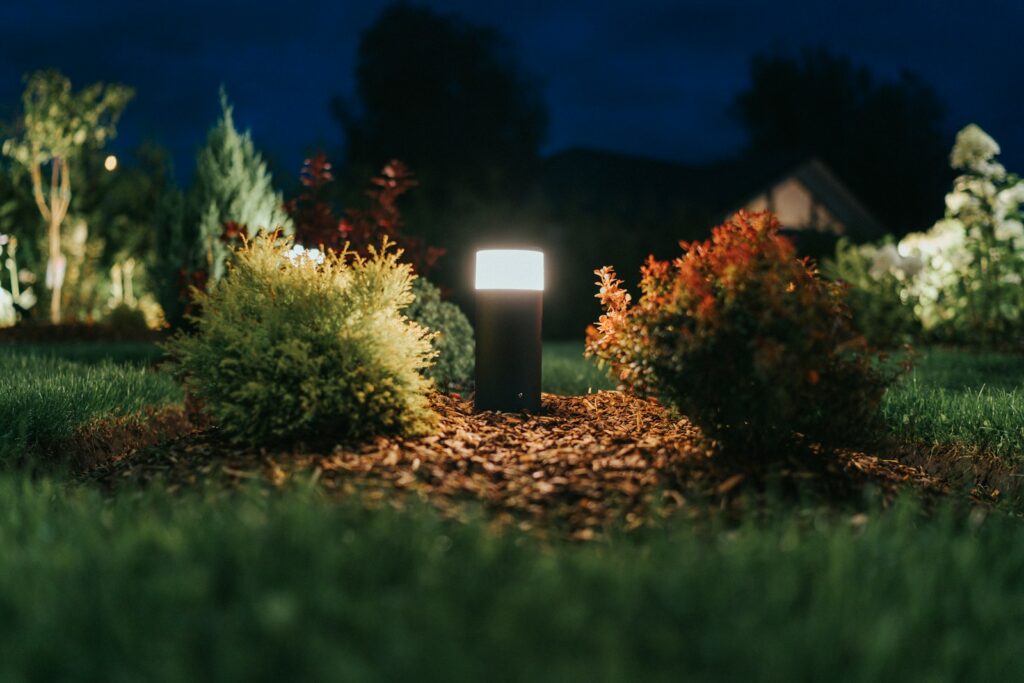
Install low-wattage solar garden lights for cozy evenings
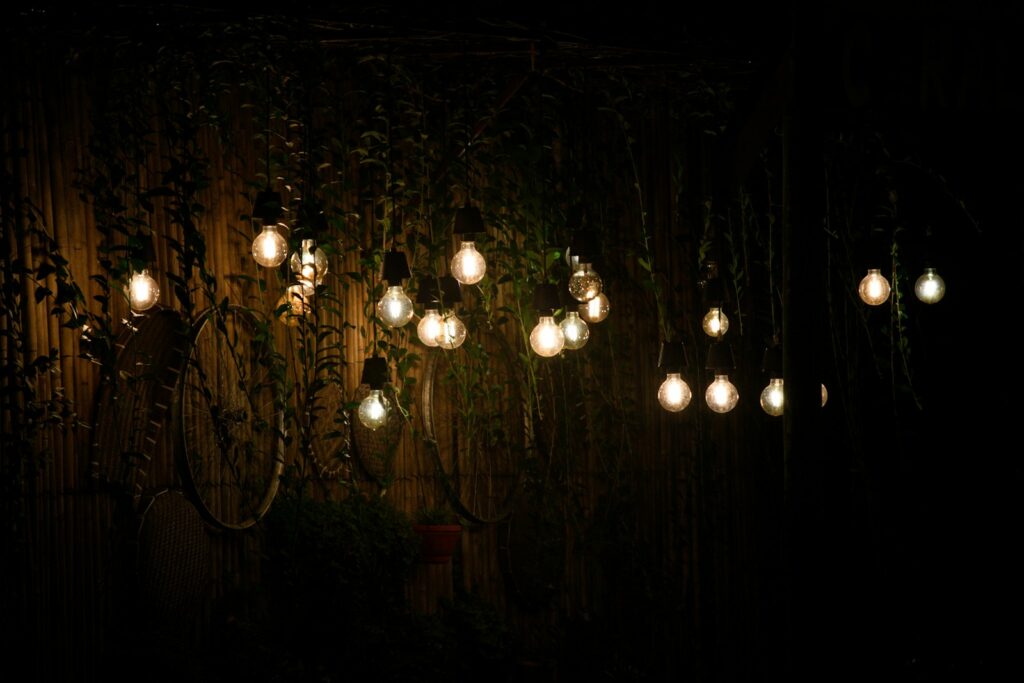
Adding solar lights brings a warm glow to your garden as the sun sets early. They’re simple to set up and don’t require any wiring.
Place them where they’ll get plenty of sunlight during the day. In the evening, they light up pathways or sitting areas, making your garden feel inviting.
Solar lights turn on automatically at dusk, so you don’t have to think about it. Adjustable stakes help you get the look you want.
This little upgrade makes autumn evenings outside more enjoyable.
Harvest fall crops promptly to prevent spoilage
Pick your vegetables as soon as they’re ready. Waiting too long can lead to spoilage, especially when the weather turns cool.
Check your garden every few days for ripe produce. Look for changes in size or color.
Harvest leafy greens a little at a time, or pull up root veggies once they’re mature. Handle your crops gently to avoid bruising.
Store your harvest in a cool, dry spot to keep it fresh. Enjoy the results of your hard work all season long.
Create a compost bin to recycle garden waste efficiently
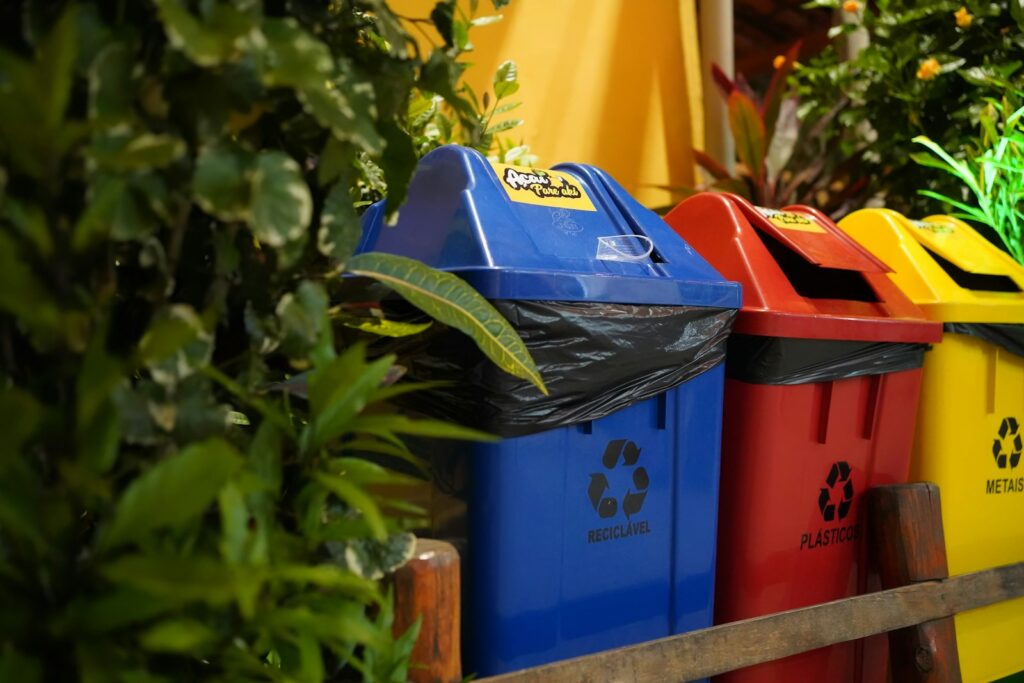
A compost bin is a handy way to turn fall leaves and plant scraps into rich soil. It keeps your yard tidy and helps the environment.
You can build a bin with materials like wooden pallets or wire mesh. Good airflow is important for healthy compost.
Mix kitchen scraps with yard waste to speed up the process. Try to balance green materials like fresh leaves with brown ones like dried leaves or paper.
With a little effort, you’ll have nutrient-packed compost ready for spring planting.
Mulch beds to retain warmth and moisture during cooler days
Adding mulch in fall helps your soil stay warm and moist. This is especially helpful when nights get chilly.
Use straw, shredded leaves, or wood chips for best results. Spread a layer a couple inches thick, but keep it away from plant stems.
Mulch also keeps weeds down and slowly adds nutrients as it breaks down.
It’s a simple way to protect your plants and make your garden easier to care for.
Prune dead or diseased branches to prepare plants for winter
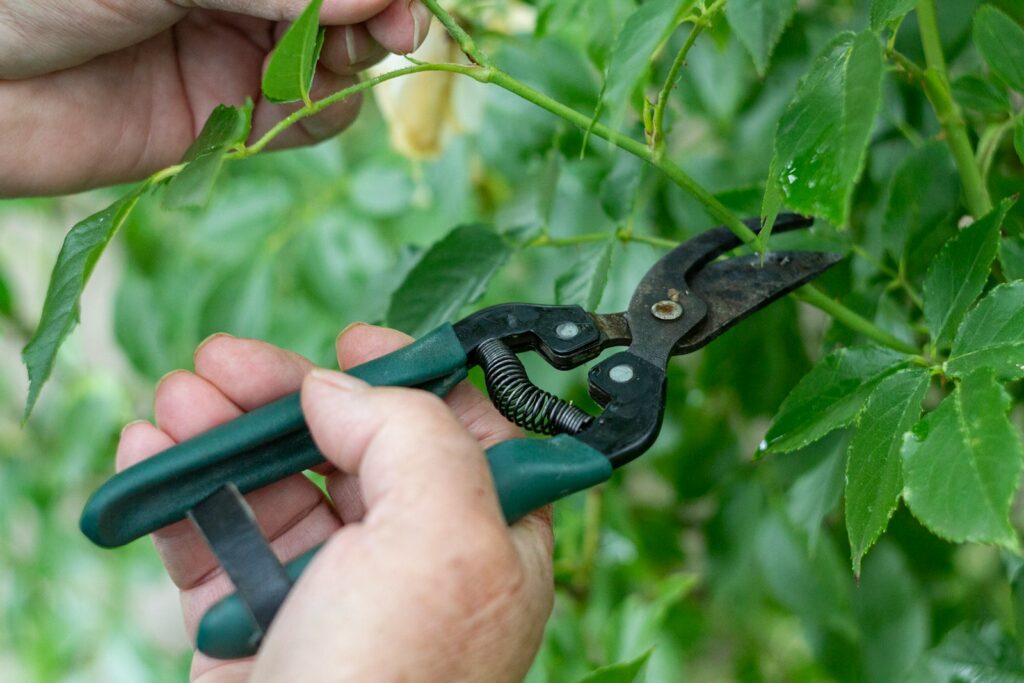
Look over your plants for any dead or sick branches. Removing them now helps your garden stay healthy through winter.
Use sharp, clean tools for the job. Clean cuts heal faster and lower the risk of infection.
Prune when plants are mostly dormant, usually in late fall. This makes it easier to see what needs to be trimmed.
Dispose of diseased branches in the trash, not the compost. Healthy trimmings can be chipped for mulch.
A little pruning now sets your plants up for a strong start in spring.
Set up a rainwater collection system for easy irrigation
Collecting rainwater is a smart way to keep your garden watered as fall days get shorter. It’s easy to set up and saves money, too.
Pick a container like a rain barrel and place it under a downspout. Make sure it has a lid to keep out bugs and debris.
Use a hose or watering can to give your plants a drink. Rainwater is gentle on plants and always handy when you need it.
Check your system regularly to keep it clean and working well.
Plan and prep spring bulbs for early blooms
Planting bulbs in fall is a great way to look forward to spring color. Get them in the ground before it freezes so they can grow roots.
Choose favorites like tulips, daffodils, or crocuses. Loosen the soil and add a little fertilizer for a healthy start.
Plant bulbs a few inches deep and water lightly. Timing depends on your climate, so adjust as needed.
Once planted, bulbs rest through winter and burst into bloom when spring arrives. It’s a cheerful reward for a little effort now.
Understanding Fall Garden Daylight Changes
The changing daylight in fall affects your garden in lots of ways. You’ll notice days getting shorter, and that impacts how your plants grow.
Why Autumn Days Are Shorter
Earth’s tilt means the sun rises later and sets earlier in autumn. The Northern Hemisphere leans away from the sun starting in September.
This shift means less sunlight reaches your garden as the season goes on.
Effects on Plant Growth
With less daylight, plants slow down and focus on conserving energy. Some flowers stop blooming, while others, like chrysanthemums, need short days to flower.
Adjust your routine by watering in the morning and pruning before growth slows too much. For some plants, adding a bit of artificial light can help.
Optimizing Your Evening Garden Routine
Evenings in fall are calm and cool, making them a nice time to spend outside. You can still get things done as the sun sets.
Maximizing Limited Sunlight Hours
With daylight fading fast, use the last light for tasks that need a good view, like checking plant health or light pruning.
Move potted plants to sunny spots before dusk to give them a little extra light. You can also prepare soil, pull weeds, or add mulch to protect roots overnight.
Gentle tools are best for evening work, since both you and your plants have less time to recover before night sets in.
Efficient Watering Strategies
Finding the right time to water your garden can make a big difference. Evening tends to be ideal since cooler air helps prevent water from evaporating too quickly.
This allows more moisture to reach plant roots, giving them a chance to absorb what they need overnight. Overwatering is something to watch out for, especially when it’s already damp and cool outside.
Deep, infrequent watering encourages plants to develop stronger roots. Using a watering can or drip irrigation lets you direct water right to the base of each plant.
Keeping leaves dry is important for avoiding disease. If you prefer sprinklers, try to water early enough so leaves have time to dry before it gets dark.