How to Start a Garden With Just $20 and a Weekend
Ever looked at your yard or balcony and wished it was bursting with life? Starting a garden can feel out of reach when you’re short on cash or time, but you can absolutely build a lush little oasis with just $20 and a spare weekend.
Connecting with nature and growing something yourself is surprisingly doable. With a bit of planning and some creative tricks, you’ll have your own green space before you know it.
With simple tools, a bit of planning, and a small budget, you can set up a thriving garden in just a few days. It’s easier than you think to transform your yard, balcony, or windowsill into a place full of life.
Get ready to enjoy the satisfaction of growing plants and making your outdoor space more beautiful!
Start with easy-to-grow vegetables like radishes and lettuce
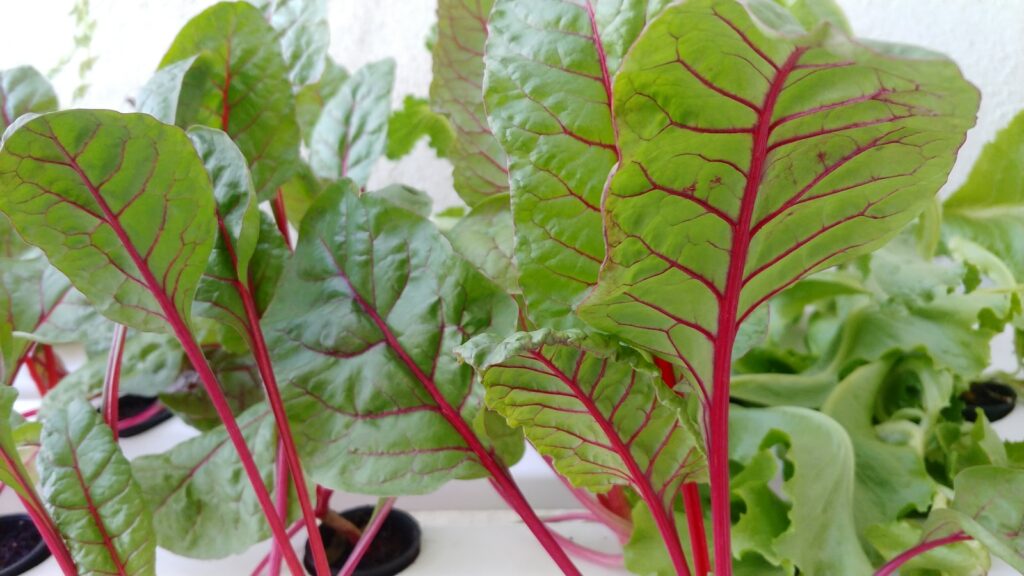
You want your first garden to be fun and not stressful. Radishes are a perfect choice because they grow fast.
In just a few weeks, you can see your radishes ready to eat. They don’t need much space or fancy care, so you can plant them even in small containers.
Lettuce is another great option. It grows quickly and gives you fresh greens almost all season long.
You can plant lettuce seeds directly into the soil, and they don’t require a lot of attention. Lettuce is perfect for salads, so you get to enjoy the fruits of your work right away.
Both radishes and lettuce thrive with little effort, which fits perfectly into a weekend project. You’ll also save money by growing these veggies yourself instead of buying them.
Use recycled containers like yogurt cups and milk cartons as planters
You can save money and reduce waste by using recycled containers for your garden. Yogurt cups and milk cartons make great little pots to start seeds.
Just clean them out well before using. Make sure to poke drainage holes at the bottom of each container.
This helps your plants avoid sitting in water, which can cause root rot. You can plant different seeds in each cup and keep track of what’s growing.
Milk cartons work well because they are sturdy and hold moisture. You can cut them to the size you need.
Yogurt cups are small but perfect for tiny seedlings that will need transplanting later. Using these containers means you don’t have to spend money on fancy pots.
Plus, you get to give a second life to things you’d usually toss. This makes your garden eco-friendly and budget-wise!
This easy trick lets you start many plants without buying much. Your plants will love their new homes!
Collect free seeds from local gardening swaps or community events

You can find free seeds by joining local gardening swaps or community events. These gatherings bring gardeners together to trade seeds, so you get new varieties without spending money.
It’s a fun way to meet people who love gardening as much as you do. Look for events at community centers, farmer’s markets, or gardening clubs nearby.
Sometimes, social media groups and local gardening forums post about upcoming seed swaps. You might be surprised by how many chances there are in your area.
Bringing a few seeds to trade isn’t hard. You could share seeds from your own garden or even ones you’ve saved from last season.
Swapping lets you build a diverse garden with plants that are often suited to your local climate. You can ask questions and get advice while you pick up your free seeds.
Starting your garden this way keeps your weekend budget low and your excitement high!
Create soil mix using compost and inexpensive garden soil
You don’t need fancy ingredients to make great soil for your garden. Start with some inexpensive garden soil from a local store or even your backyard.
This soil gives your plants a solid base to grow strong roots. Next, add compost to your mix.
Compost is packed with nutrients and helps keep the soil moist. It’s easy to find or you can make your own from kitchen scraps and yard waste.
Mixing about 20-30% compost with your garden soil works well. You can adjust the texture by adding a little sand or peat moss if you want.
This helps with drainage so your plants don’t get waterlogged. In just a few hours, you’ll have a rich, loose soil mix ready for planting.
It’s affordable and you’ll feel proud knowing you made it yourself!
Build simple DIY raised beds with pallet wood from hardware stores
You can create strong raised garden beds without spending much by using pallet wood. Many hardware stores sell pallets cheaply or even give them away for free.
This makes them a great choice if you want to start gardening on a budget. First, look for pallets that are in good shape.
Avoid any marked with chemicals to keep your garden safe. You’ll need a few basic tools like a saw, hammer, and nails.
Building your raised bed is easier than you might think. Cut the pallets to your desired size, then secure the wood pieces together to form a box.
Pallet wood is sturdy, so your garden bed will hold soil well and last through weather changes. Once your bed is built, place it in a sunny spot outside.
Fill it with good soil and compost, and you’re ready to plant. Raised beds help your plants grow stronger by improving drainage and keeping soil warm.
Mulch with shredded newspapers or dry leaves to retain moisture
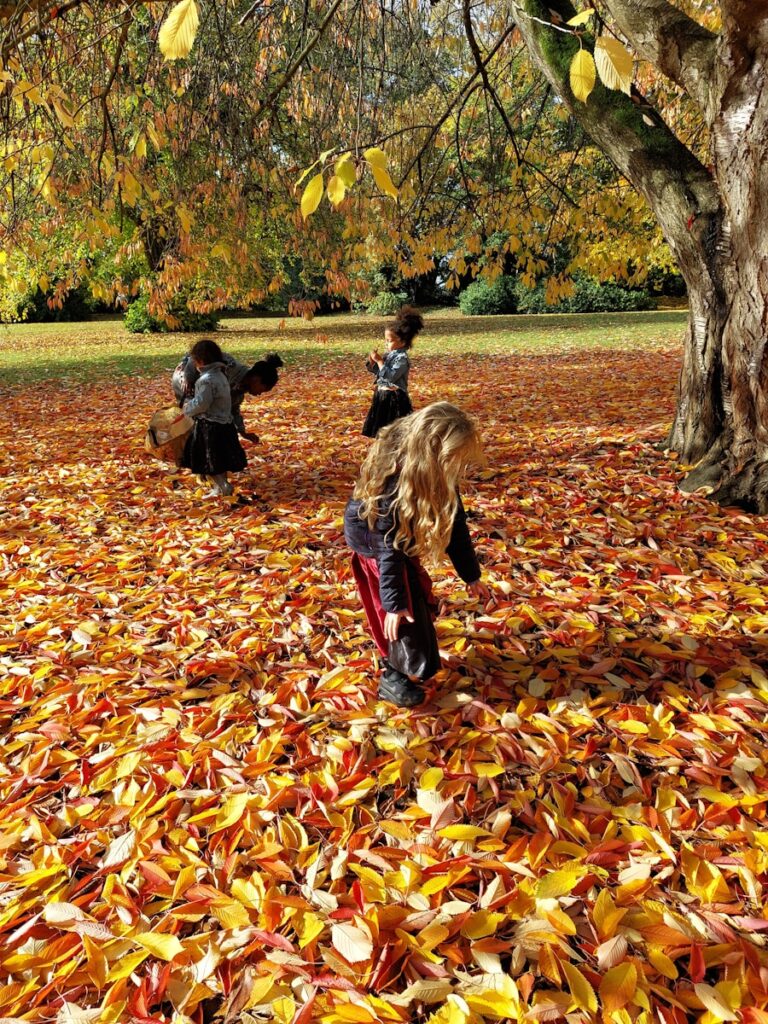
You can use shredded newspapers or dry leaves as mulch to help your garden grow. Mulch keeps the soil moist, so you don’t have to water as often.
This saves you time and water during a busy weekend of gardening. Spread a layer of shredded newspaper or dry leaves around your plants.
Make sure the layer is about 2 to 3 inches thick. This will block sunlight and stop weeds from growing, giving your plants more room to thrive.
When you water your garden, the mulch helps the soil hold onto moisture longer. It also slowly breaks down, adding nutrients to the soil.
Using newspapers or leaves is a free and easy way to protect your garden while recycling materials you already have. You don’t need to buy expensive mulch, making it perfect for starting a garden on a tight budget.
Plus, it feels great to turn everyday things into something useful for your plants!
Reuse rainwater with a bucket to cut down on water costs
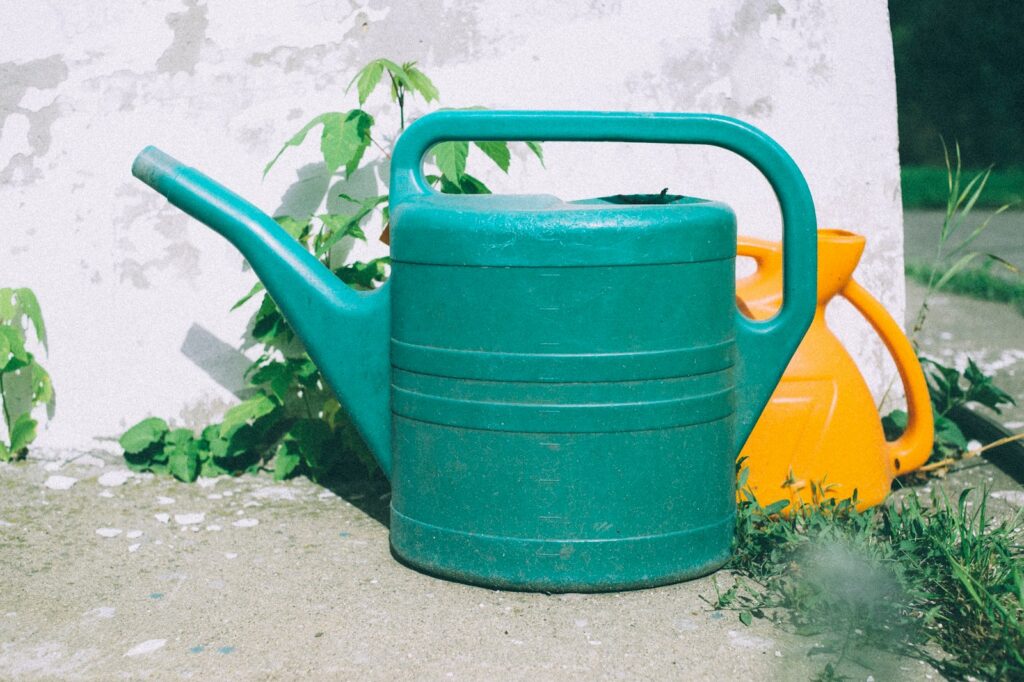
You can save money by using rainwater to water your garden. All you need is a simple bucket to catch rain when it falls.
Place it outside during a rain shower, and watch it fill up with fresh water. Collecting rainwater this way is easy and doesn’t cost much.
Instead of turning on your hose, you use what nature provides. This helps lower your water bill while keeping your plants happy and healthy.
Once you have some rainwater in your bucket, use it right away or store it in a covered container to avoid bugs. Rainwater is great for plants because it doesn’t have the chemicals found in tap water.
Use kitchen scraps to grow herbs and small plants from cuttings
You can start growing herbs without buying new plants by using kitchen scraps. Take four to six-inch stem cuttings from herbs like basil, mint, or parsley.
Remove the lower leaves on the stem so only a few sets remain at the top. Put these cuttings in a glass of clean water.
Make sure at least one node, the spot where leaves grow, is underwater. Change the water every few days to keep it fresh and stop bacteria from forming.
After a week or two, you’ll see roots growing from the stems. When the roots are about an inch long, it’s time to plant the cuttings in soil.
Place them where they get plenty of sunlight, and water them regularly. This method saves money and helps reduce waste because you use parts of herbs you might normally throw away.
Plus, you get fresh herbs to add to your meals. It’s a fun and easy way to build your garden fast on a small budget.
Label plants with painted rocks or popsicle sticks for fun markers
You can make your garden labels easy and colorful by using painted rocks or popsicle sticks. Both are cheap and simple materials that will fit perfectly into your $20 weekend plan.
Start by collecting some smooth rocks or buying a small pack of popsicle sticks. Paint the rocks with bright colors or designs to make them stand out in your garden.
For popsicle sticks, paint one or both sides with your favorite colors. Let everything dry completely before writing on them.
Once dry, use a waterproof marker or paint pen to write the name of each plant. You could add fun designs or patterns to make your garden feel even more personal.
Place your markers right next to the plants so you can easily see what’s growing. These DIY markers do more than just label plants—they bring charm and creativity to your garden space.
Plus, they make a fun project to do all by yourself or with family!
Place garden beds in sunny spots for maximum growth without extra lighting
You want to give your plants the best chance to grow strong and healthy. The key is to put your garden beds where they get plenty of sunlight.
Most vegetables and flowers need at least 5 to 6 hours of sun every day to thrive. Look for spots in your yard that get full sunlight from morning to afternoon.
If full sun isn’t possible, choose places that at least get bright morning sun. Plants love that kind of light, and it helps them grow without needing extra lamps.
Avoid shaded areas near trees or buildings. Those spots might be cool, but they won’t provide enough light for your plants to flourish.
By choosing a sunny space, you use natural light for free, which saves your money and keeps your garden happy. Remember to observe the sun’s path during the day.
This little step ensures you pick the right spot. Your garden will thank you with healthier vegetables and brighter flowers, all by using the natural sunlight you have!
Essential Tips for Affordable Gardening
Starting a garden with just $20 means using your space and resources wisely. Finding the best spot for your plants and repurposing what you already have are great ways to keep costs low.
Choosing the Right Location for Success
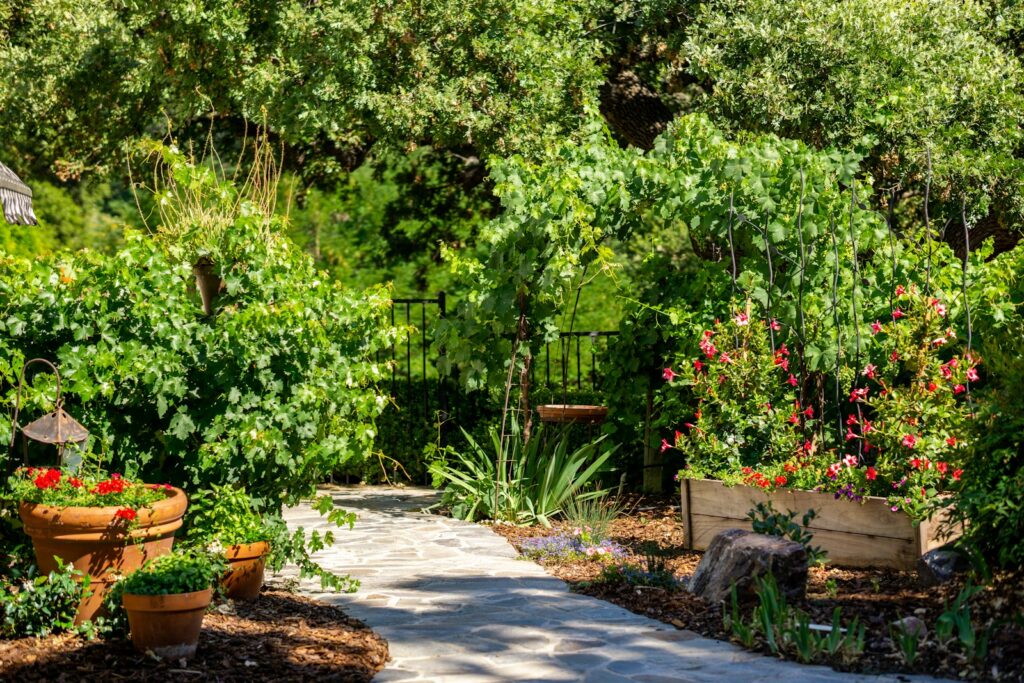
Pick a spot that gets at least 6 hours of sunlight each day. Most vegetables need this much light to grow strong.
Look for a flat area to make watering easier and avoid places where water pools after rain. If you don’t have a yard, a sunny balcony or windowsill works well too.
Make sure the area is sheltered from strong wind, which can hurt young plants. Also, check that the soil drains well.
If your soil is poor, you can use pots or containers filled with affordable potting mix.
Utilizing Household Items as Garden Tools
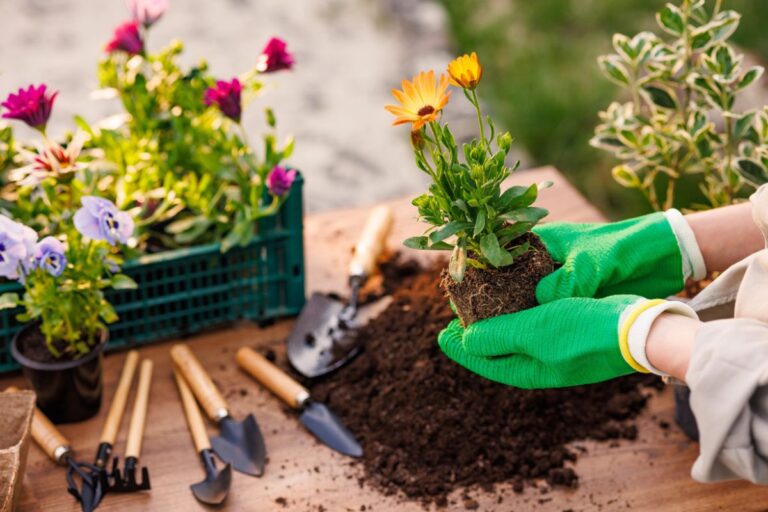
You don’t need to buy fancy tools. Many household items can help you save money.
Use old containers like yogurt cups or milk cartons as seed starters. Poke holes in the bottoms to allow water drainage.
Empty food cans and plastic bottles can become planters. You can even turn used kitchen utensils into garden tools.
For example, a soup spoon works well for digging small holes or mixing soil. Using what you already have cuts costs and adds a fun twist to your gardening adventure!
Maximizing Your Harvest on a Budget
You want to get the most out of your garden without spending extra money. Focus on picking plants that grow quickly and give you plenty of food.
You can also improve your soil and save money by turning kitchen scraps into compost.
Selecting Fast-Growing and High-Yield Plants
Choose plants that grow fast so you can harvest sooner. Leafy greens like lettuce, spinach, and arugula are great options because they can be ready in about 30 days.
Radishes also grow quickly and produce a lot in small spaces. To get the most from your $20, pick high-yield plants that keep giving you food throughout the season.
Bush beans and cherry tomatoes are excellent because they produce many fruits per plant. Herbs like basil and parsley grow fast too and don’t need much space.
Try planting seeds directly into the soil or containers. Buying seeds in small packets is cheap, and you’ll have more control over what you grow.
Save more by growing what you eat regularly.
Composting With Everyday Scraps
Ever wonder what to do with all those leftover kitchen scraps? Instead of tossing them, you can turn them into something useful for your garden.
Vegetable peels, coffee grounds, and eggshells are perfect for making compost. Setting up a compost bin or pile is easier than you might think.
You can use a corner of your yard or even a spot on your balcony. Mix dry leaves and shredded paper with your kitchen scraps to get the right balance.
Give your compost a quick turn every few days to help it break down. Over time, you’ll notice the pile transforming into dark, crumbly compost.
Using homemade compost boosts your soil and helps your plants thrive. It feels good to reduce waste and see your garden benefit at the same time.