What You Actually Need (and Don’t Need) in Your First Garden
Dreaming about growing your own veggies or flowers? Starting a garden for the first time can feel like a big leap, especially with all the tools and gadgets out there.
It’s easy to get lost in the aisles of garden centers or online lists. Let’s break down what’s truly essential so you can enjoy your new hobby without the stress or extra expense.
Choose a sunny location with at least 6 hours of sunlight daily

Pick a spot in your yard that gets lots of sun. Most vegetables and many flowers need at least six hours of direct sunlight to do their best.
Watch how shadows move throughout the day. Trees, fences, or buildings can block the light, so check at different times to find the brightest area.
If your space doesn’t get full sun, that’s okay. There are still shade-loving plants you can try.
Start with easy-to-grow plants like cherry tomatoes and basil
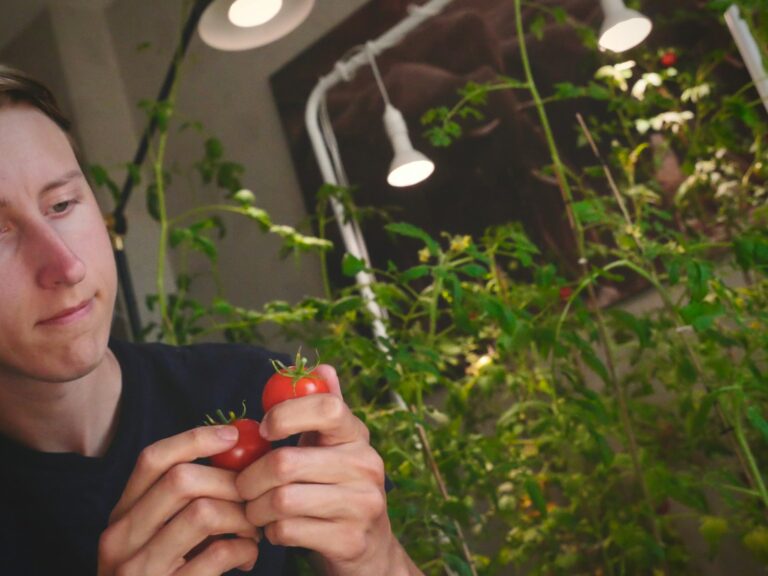
Choosing simple plants makes gardening less stressful. Cherry tomatoes and basil are favorites because they’re forgiving and grow quickly.
Watching these plants thrive gives you a boost of confidence. Plus, you’ll love having fresh tomatoes and herbs right outside your door.
Once you see success with these, you’ll feel ready to branch out into other varieties.
Use quality potting soil or compost for rich nutrients
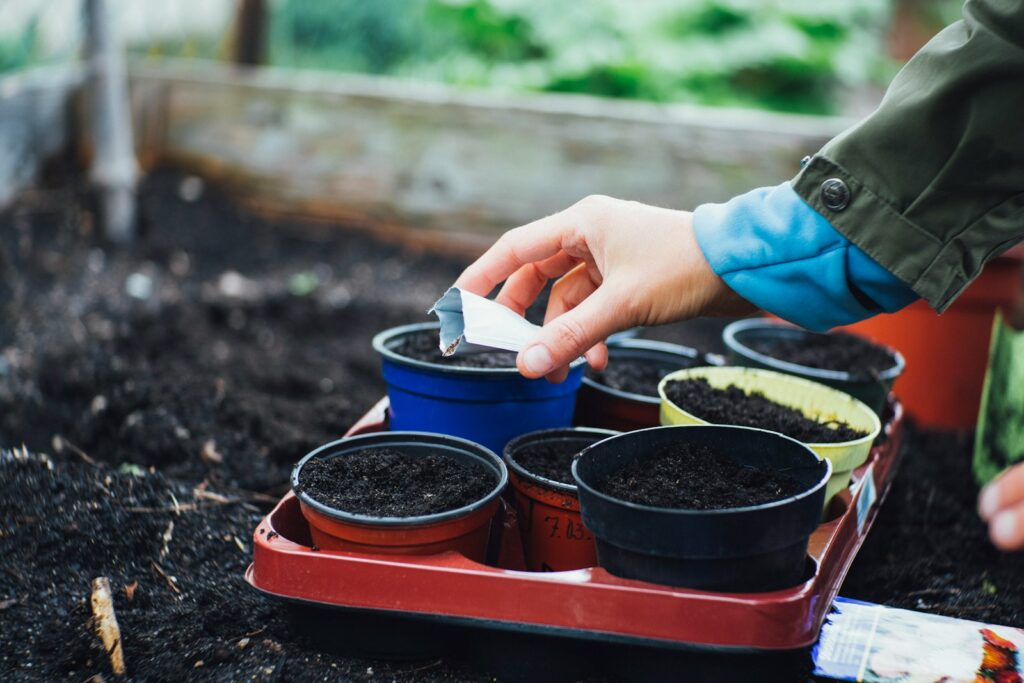
Good soil is the foundation for a healthy garden. Choose a fresh, balanced potting mix or compost to give your plants the nutrients they need.
Potting soil is great for containers and starting seeds, while compost adds organic matter and improves the soil’s structure. Both help roots grow strong and healthy.
You don’t need anything fancy. Just make sure your soil is clean and not compacted.
Get a durable hand trowel for planting and digging
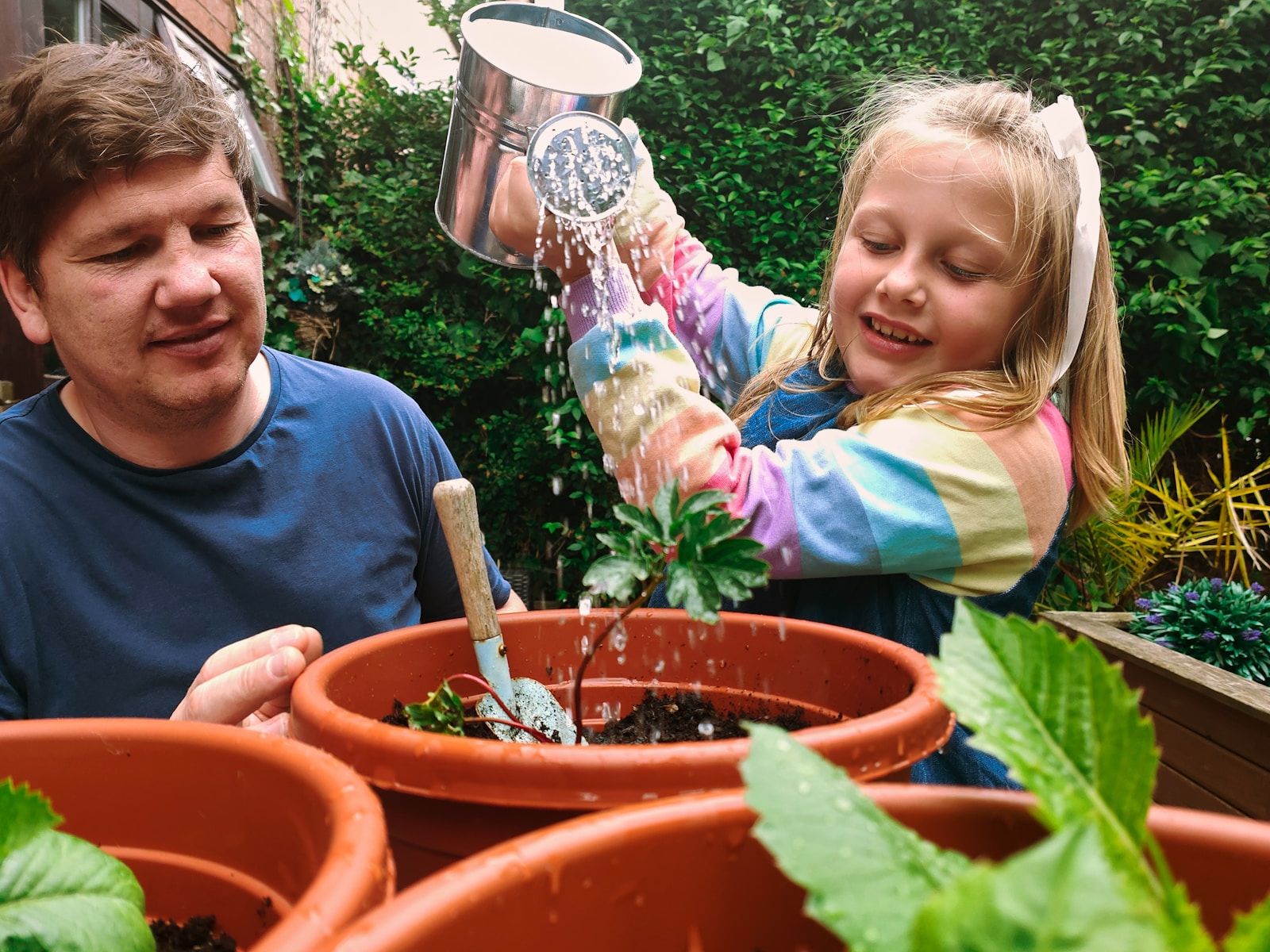
A sturdy hand trowel makes planting and digging much easier. Look for one with a comfortable grip and strong metal that won’t bend in tough soil.
This tool is perfect for small spaces and lets you work quickly without straining your hands. It’s a must-have for every beginner.
Choose one that’s easy to clean and store, so you’ll always have it ready for your next project.
Invest in a Gorilla Cart to spare your back when hauling dirt
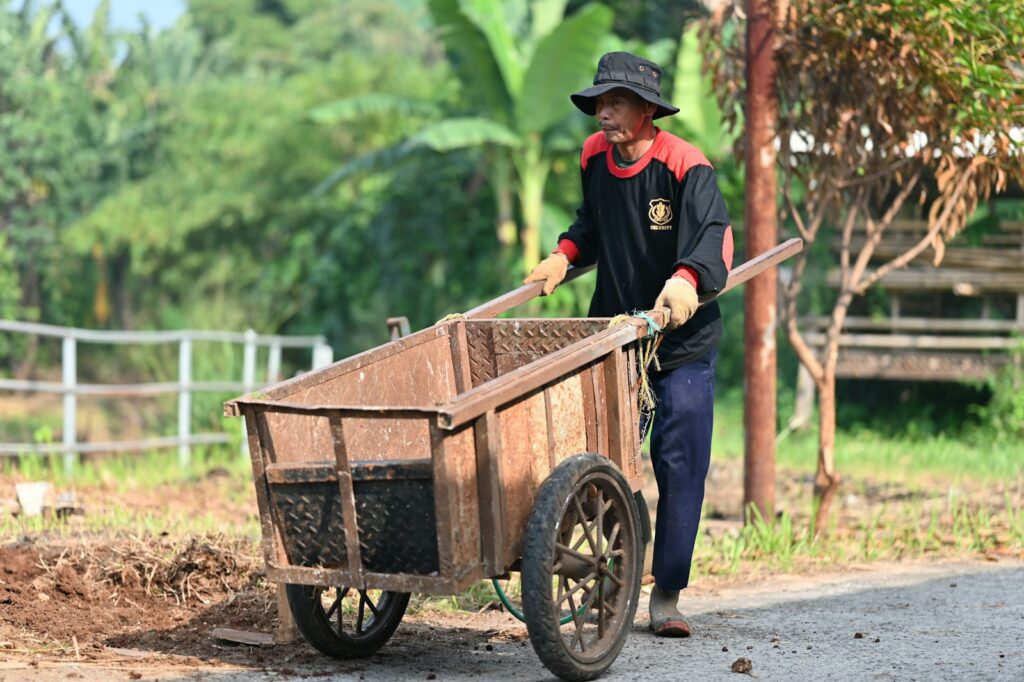
Moving dirt, mulch, or plants can get heavy fast. A Gorilla Cart helps you transport loads without hurting your back.
Its sturdy build and easy maneuvering make yard work less of a chore. Removable sides make loading and unloading simple.
If you plan to haul things often, this cart is a smart investment. You’ll save time and energy for the fun parts of gardening.
Use a garden hose with an adjustable nozzle for controlled watering
A garden hose with an adjustable nozzle lets you water just the way your plants like it. Switch between a gentle mist for seedlings and a stronger spray for bigger plants.
This tool helps you use water wisely and avoid overwatering. It also makes watering faster and more precise.
With a quick twist, you can change the spray pattern to fit any task. It’s a small upgrade that makes daily care easier.
Buy biodegradable seed starter pots to nurture seedlings
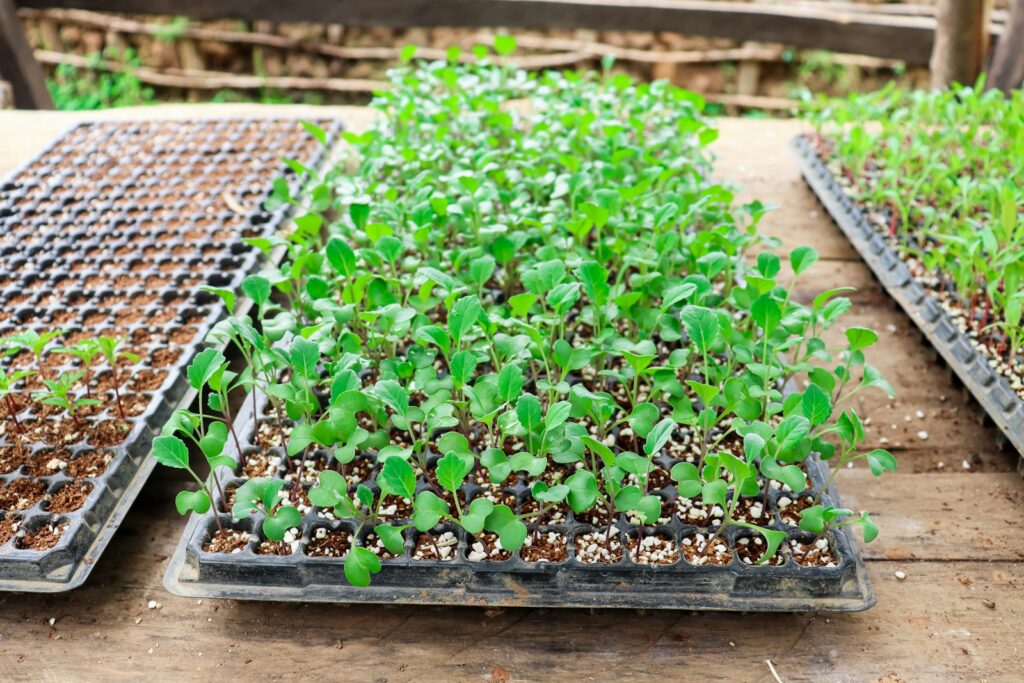
Starting seeds in biodegradable pots is a game changer. These pots break down in the soil, so you can plant the whole thing without disturbing the roots.
This makes transplanting less stressful for you and your plants. Plus, you’re helping the environment by skipping plastic.
They often come with drainage holes and labels, making it simple to keep track of your seedlings.
Wear comfortable gloves like Bionic Garden Gloves to protect hands
Gardening can be tough on your hands, so a good pair of gloves is essential. Look for ones that fit well and have padded palms for extra comfort.
Bionic Garden Gloves offer protection without making your hands sweaty or stiff. They help you grip tools and keep your skin safe from thorns and dirt.
Investing in quality gloves means you can work longer and enjoy the process more.
Avoid complicated tools—skip the tiller in your first garden
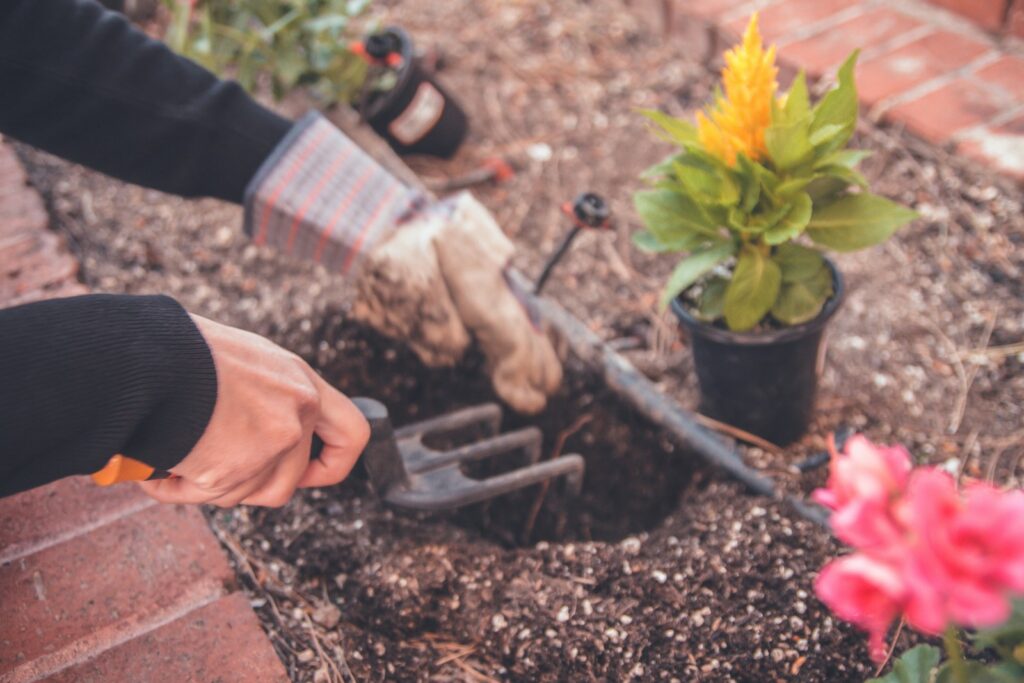
You don’t need a tiller to get started. Simple hand tools like a shovel or garden fork are enough for preparing your soil.
Tilling can sometimes do more harm than good by breaking up the soil’s structure. Gently loosening the soil and adding compost is better for your plants.
Working by hand helps you connect with your garden and keeps things peaceful. Focus on learning the basics before bringing in big equipment.
Add mulch to retain moisture and suppress weeds
Mulch is a gardener’s best friend. It keeps the soil moist longer, so you don’t have to water as often.
A thick layer of mulch also blocks weeds from sprouting. Use wood chips, straw, or shredded leaves for an organic option.
Spread mulch around your plants, but leave a little space near the stems. This helps prevent rot and keeps your garden looking tidy.
Mulch also helps keep soil temperatures steady, which makes plants happier in both hot and cold weather.
Planning for Garden Success
Think about what fits your space and schedule before you start. Set realistic goals so you don’t end up overwhelmed or frustrated.
Setting Realistic Goals
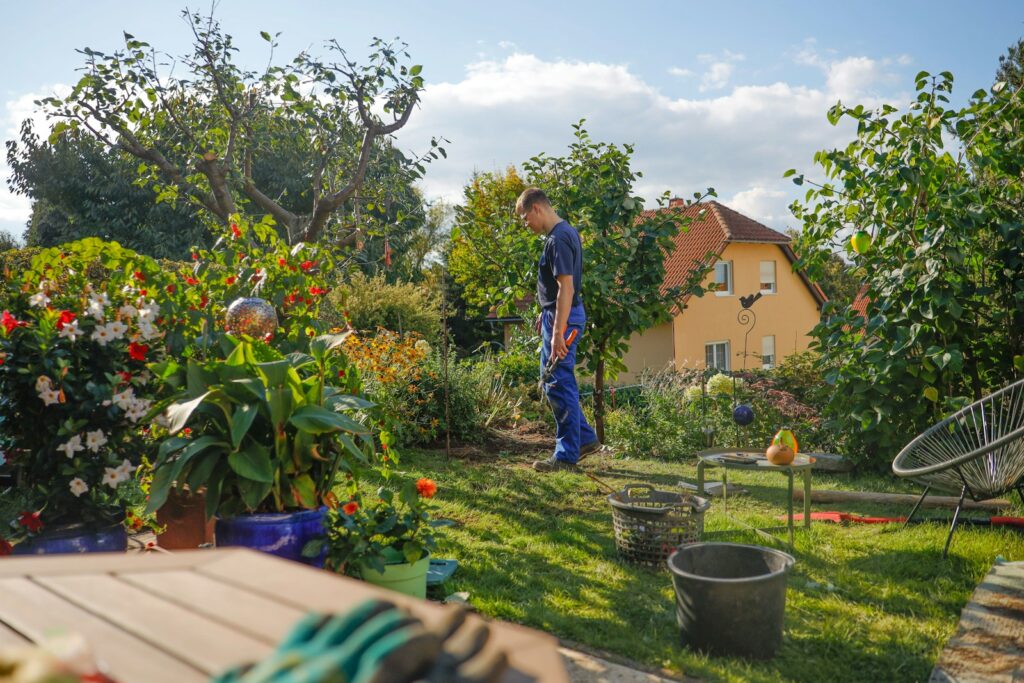
Start with a garden size that matches your time and energy. If you’re busy, a few pots or a small bed is enough.
Pick plants that work well in your climate and soil. Write down what you want to grow and why, like “fresh herbs for cooking” or “colorful flowers by the porch.”
Keeping things simple helps you learn and enjoy the process.
Common Beginner Mistakes to Avoid
Trying to grow too many plants at once can make things complicated. Stick to a few easy types until you get comfortable.
Don’t forget to measure your space and check how much sun it gets. Putting plants in the wrong spot can lead to disappointment.
Prepare your soil with compost or fertilizer before planting. Healthy soil makes a big difference.
Plan your watering routine and follow a planting schedule that matches your local season. This helps your garden stay on track and thrive.
Making the Most of Your Garden Journey
Gardening isn’t just about the results; it’s about enjoying the process and learning as you go. Celebrate your progress and don’t stress about small mistakes.
Maximizing Enjoyment and Minimizing Stress
Start small and focus on plants that are easy to grow in your area. Quick wins build your confidence and keep gardening fun.
Set aside a few minutes each day to check on your plants, water, and pull a few weeds. A simple routine keeps things manageable.
Choose tools that make your work more comfortable, like a good trowel or gloves. Skip the fancy gadgets for now.
Every gardener makes mistakes, especially at the beginning. Use them as learning moments and keep going. Your garden will grow along with your skills.
Celebrating Small Wins
There is something special about noticing every little success in your garden. When seedlings sprout or a new flower appears, take a moment to appreciate it.
Try keeping a journal or snapping photos as your garden grows. Watching the changes over time is both motivating and fun to look back on.
Share your wins with friends or family. Their excitement can boost your energy and might even inspire new ideas.
Even a small harvest can feel like a big achievement. Use what you grow in simple recipes and enjoy the results of your efforts.