Houseplants That Look Fancy but Are Practically Impossible to Kill
Looking to brighten up your home with some greenery, but worried you’ll forget to water or care for your plants? You’re not alone.
There are plenty of houseplants that look chic and stylish but don’t need much attention. These plants can handle a little neglect and still make your space feel fresh.
You don’t have to be a plant expert to keep beautiful houseplants healthy and thriving. These plants are perfect for busy folks or anyone just starting out with indoor gardening.
Snake Plant (Sansevieria)
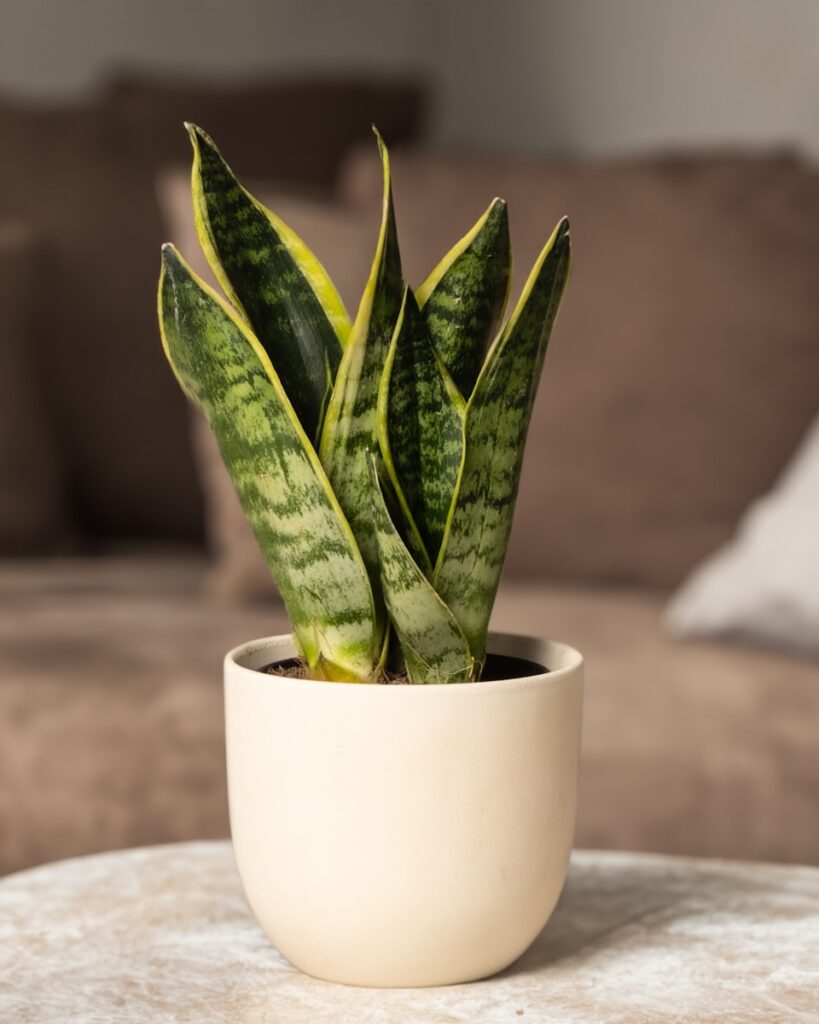
The snake plant is a favorite for anyone who wants a bold look with minimal effort. Its tall, upright leaves have sharp edges and a modern vibe.
It can handle bright spots or darker corners. Water only when the soil is dry.
There are many types, from broad-leaved to twisty or striped varieties. All share the same easygoing nature.
This plant keeps going strong even if you forget it for a while. It also helps clean your indoor air.
ZZ Plant (Zamioculcas zamiifolia)
The ZZ Plant brings a touch of green elegance with its shiny, waxy leaves. It’s a breeze to care for and doesn’t mind a little neglect.
You can put it in low or bright indirect light. It’s fine in darker rooms too.
Water only when the soil is dry. Overwatering is the main thing to watch out for.
It grows slowly but steadily, so you don’t have to fuss over it. The ZZ Plant is a stylish, low-maintenance choice for any space.
Chinese Evergreen (Aglaonema)
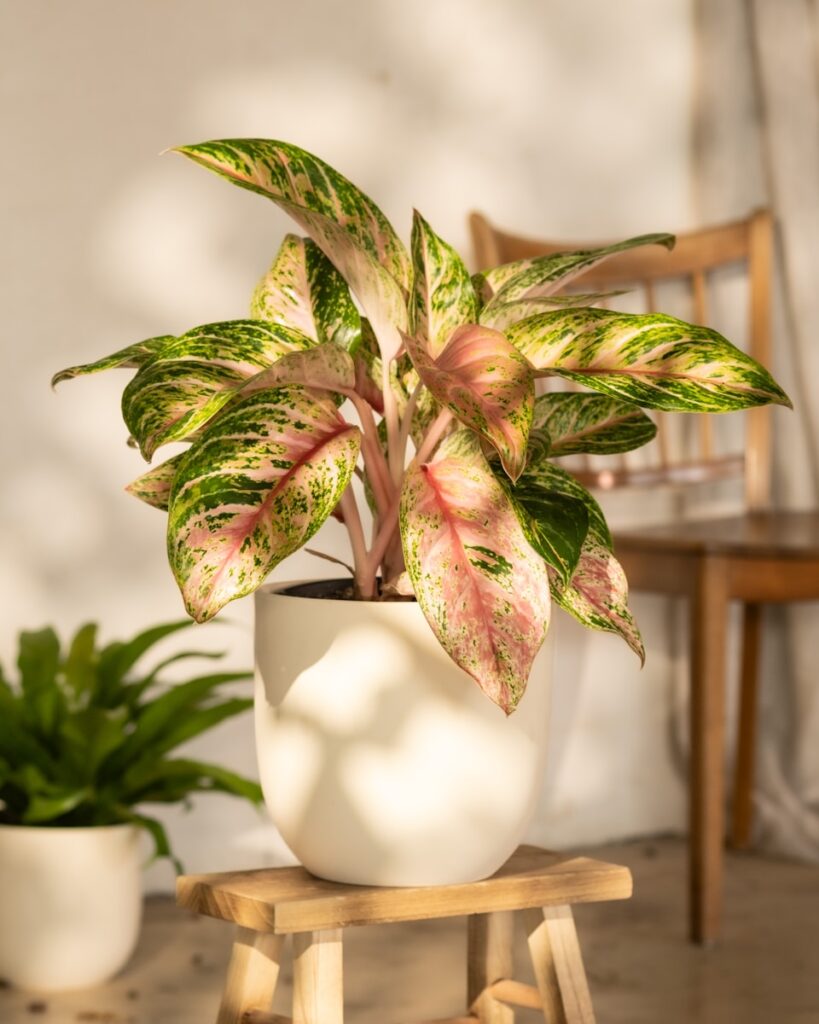
Chinese Evergreen, or Aglaonema, is perfect if you want color and pattern without the fuss. Its leaves range from bright green to silver and even red.
It thrives in low light and doesn’t need constant watering. Even if you forget it now and then, it still looks good.
This plant stays compact, making it great for smaller spaces. It also helps freshen up the air a bit.
Ponytail Palm (Beaucarnea recurvata)
The Ponytail Palm stands out with its bulbous trunk and curly leaves. It brings a fun, tropical touch to your home.
It stores water in its trunk, so it can go weeks without a drink. Wait for the soil to dry before watering again.
Give it a bright spot with some direct sunlight if you can. Well-drained soil is best.
Feed once a month in spring and summer. Trim dead leaves to keep it tidy.
Leopard Plant (Farfugium japonicum)
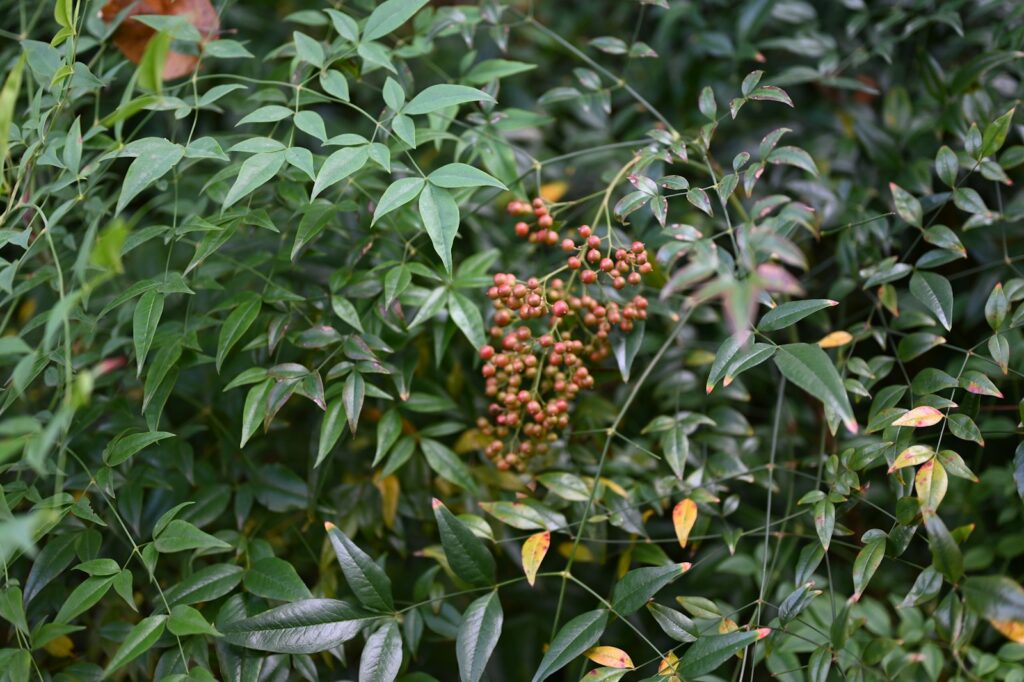
The Leopard Plant’s big, glossy leaves with unique spots make it a conversation starter. It’s ideal if you want something bold but easy.
It prefers shade and does well in spots with little sunlight. Rich, moist soil is best, but it can handle a little dryness.
In the fall, you might see small yellow flowers. This plant is beginner-friendly and adds a fresh look.
Spider Plant (Chlorophytum comosum)
Spider plants are known for their long, arching leaves with green and white stripes. They make any room feel more lively.
Even beginners can keep them healthy. They do well in bright, indirect light but can survive in lower light too.
Water when the top of the soil feels dry. Avoid soggy soil.
Spider plants bounce back from missed waterings. They also grow baby “spiderettes” you can plant to grow more.
Aloe Vera
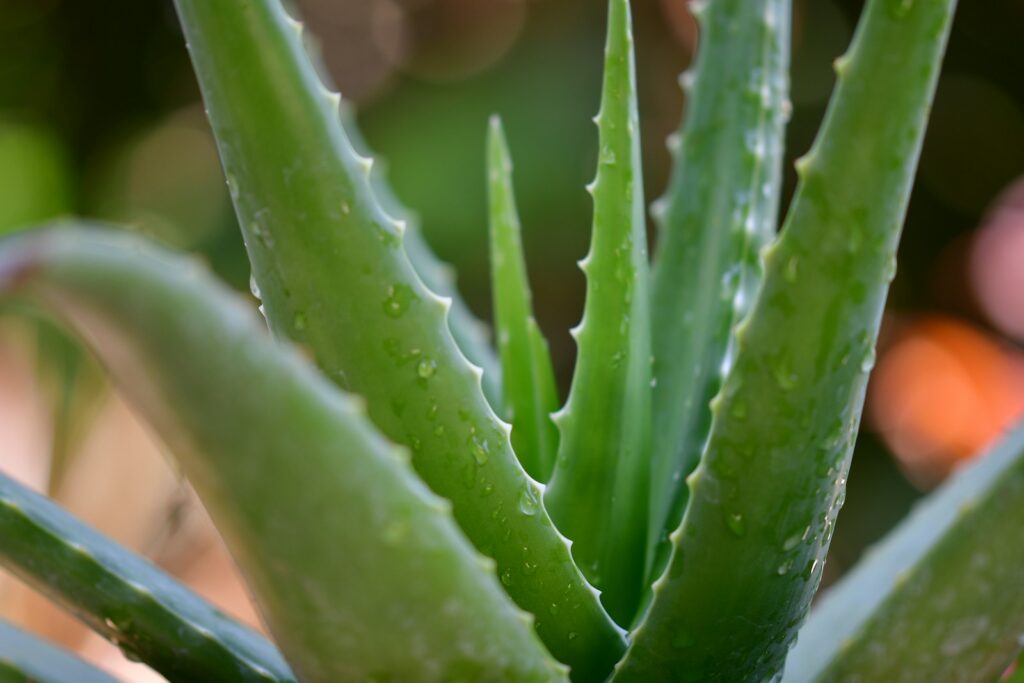
Aloe Vera’s thick, spiky leaves look modern and neat. It’s a standout plant that stores water in its leaves.
It can survive dry spells and low light. Just give it bright, indirect light and let the soil dry between waterings.
You can use the gel inside the leaves for small cuts or burns. It’s like having a little first aid kit on your windowsill.
Aloe Vera is easy to propagate, so you can share new plants with friends.
Rubber Plant (Ficus elastica)
The rubber plant’s bold, shiny leaves make a statement in any room. It’s surprisingly easy to care for and grows quickly.
It likes bright, indirect light but can handle lower light too. Water when the top inch of soil feels dry.
This plant is forgiving if you miss a watering. Prune to keep it neat and encourage fuller growth.
You can even propagate new plants from cuttings.
Cast Iron Plant (Aspidistra elatior)
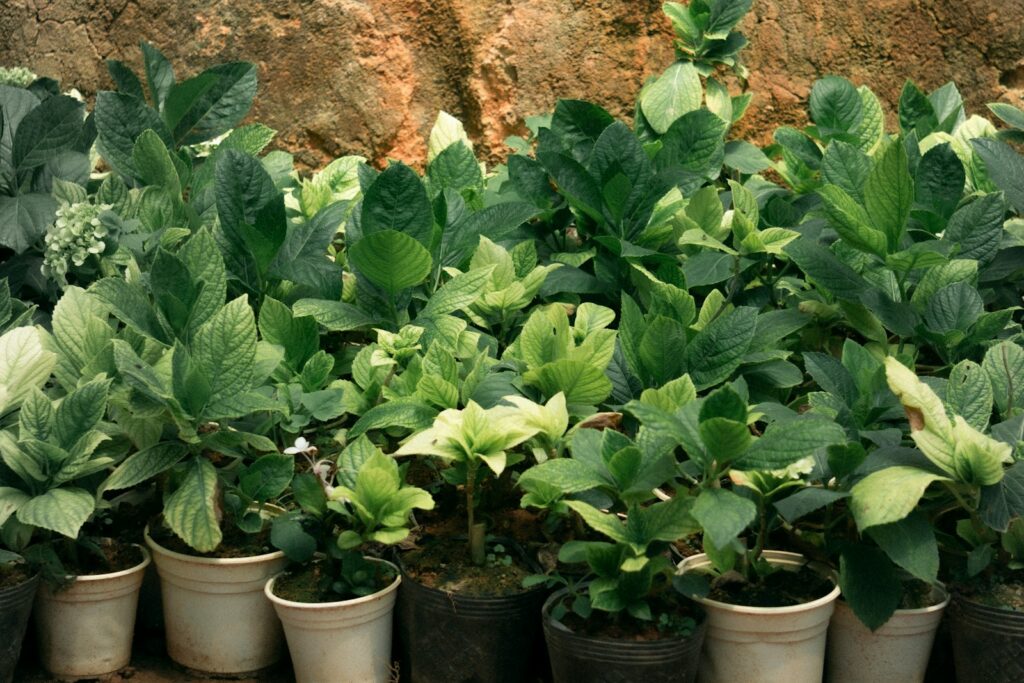
The Cast Iron Plant lives up to its name. Its long, dark green leaves bring a touch of elegance with almost no effort.
It thrives in low light and doesn’t need much water. Just avoid overwatering and keep it away from drafts.
This plant grows slowly, so you won’t need to repot often. It’s a great fit for busy lives and low-maintenance spaces.
Bird of Paradise (Strelitzia)
If you want a plant that feels straight out of a tropical getaway, Bird of Paradise is the one. Its large leaves and occasional bright flowers make a big impact.
It can handle bright, indirect light and only needs water when the top inch of soil is dry. It adapts well to typical home conditions.
As it grows, it can reach up to five feet tall indoors. This plant brings an exotic vibe with very little work.
Expert Tips for Thriving Fancy Houseplants
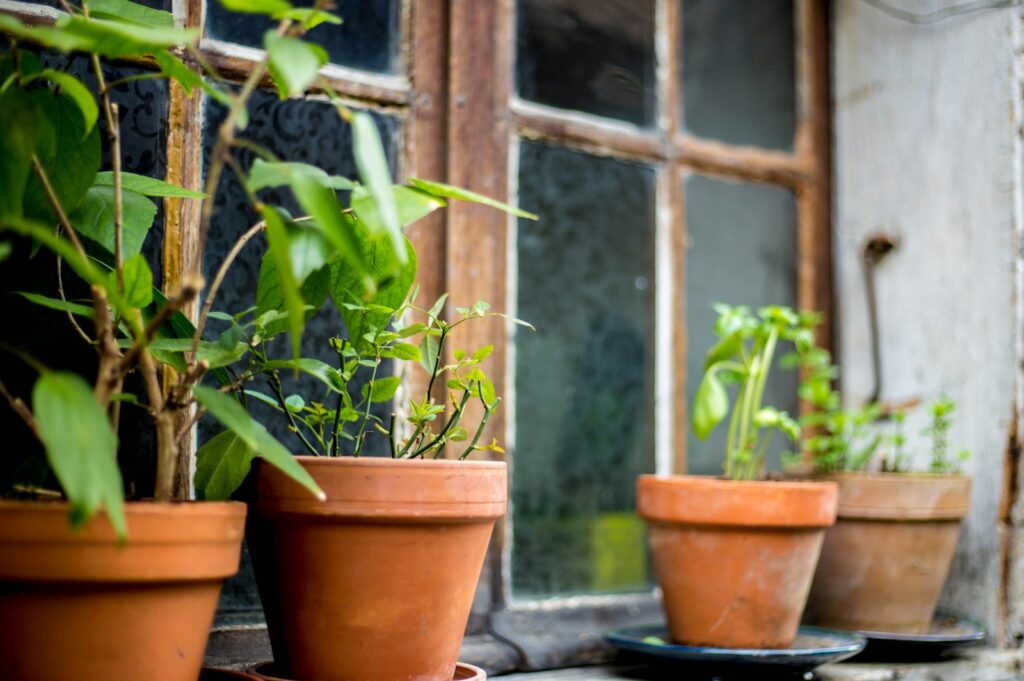
Your fancy houseplants can look amazing with just a few simple routines. Knowing when to water and where to place them makes all the difference.
Most of these plants prefer bright, indirect light. Too much sun can scorch the leaves, while too little can slow growth.
Let the top inch of soil dry out before watering. Pots with drainage holes help prevent root rot.
If your plant has thick stems or rhizomes, like the ZZ plant, it stores water and needs less frequent watering.
With the right picks, you can have a home full of greenery without the worry. These houseplants make it easy to enjoy style and nature, even if you’re not a plant pro.
Foolproof Care Routines
Start by setting a weekly reminder to check on your plants. Touch the soil with your finger to feel if it is dry.
If the soil feels dry, water the plant thoroughly until water comes out of the bottom. Remove any dead leaves you spot and look for signs of pests.
Use water that is at room temperature so you do not shock your plant’s roots. Every week or two, turn your plants a little so each side gets some light.
During the growing season, feed your plants once a month with a diluted, balanced fertilizer. These small habits make plant care feel much less overwhelming.