Why Your Plants Keep Dying in Winter (And How to Keep Them Alive)
When winter rolls around, it often feels like your thriving plants suddenly turn into a sad, droopy mess. You put in the effort all year, but as soon as the cold hits, leaves start browning and stems wilt.
It can be discouraging to watch your favorite greenery fade just when you want your home or garden to feel cozy and inviting. The good news is, you can make a few simple changes to help your plants survive the cold months.
Check soil moisture by sticking your finger an inch deep—water only if dry!
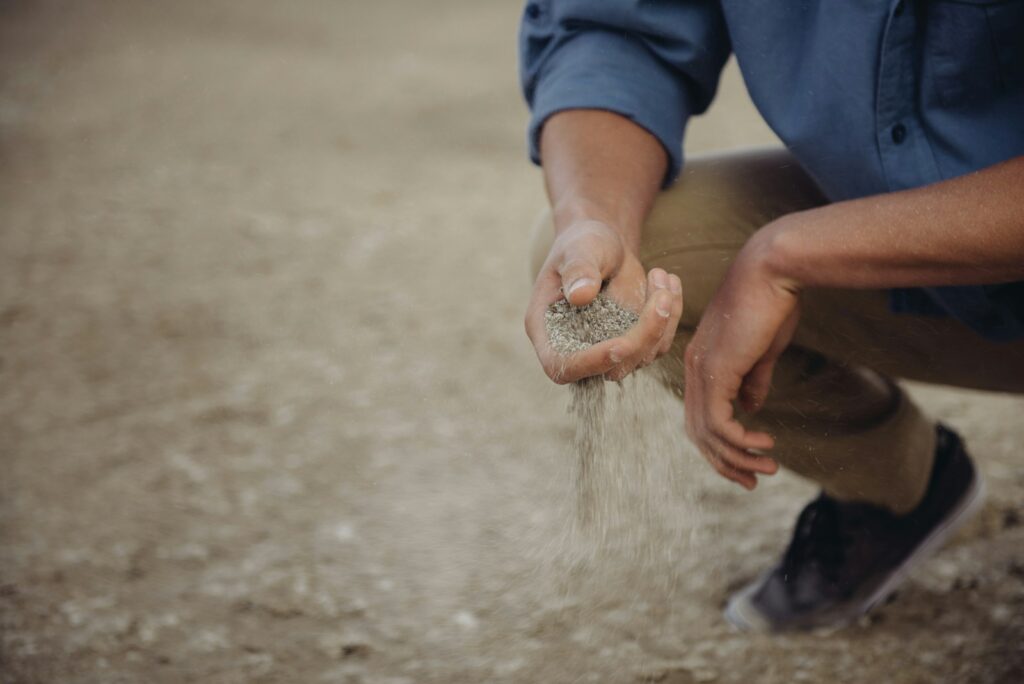
Knowing when to water your plants in winter is easier than you might think. Stick your finger about an inch into the soil, up to the first or second knuckle.
If it feels dry at that depth, it’s time to water. If it’s cool or damp, wait a bit longer.
Overwatering is a big problem in winter and can do more harm than letting the soil dry out a little. Your plants will thank you for taking a moment to check before you reach for the watering can.
Try this finger test regularly. It only takes a few seconds, but it can make a big difference for your plants’ health.
Use pots with drainage holes to prevent soggy roots and root rot
Drainage holes in your pots are a lifesaver for plants, especially during winter. They let extra water escape, keeping roots from sitting in soggy soil.
When water pools at the bottom, roots can’t breathe and start to rot. Soggy roots are a leading cause of plant problems in winter.
If your pots don’t have drainage holes, consider adding some or use a double-pot system. Giving excess water a way out helps keep your plants’ roots healthy and happy.
Move tender plants indoors or to a greenhouse before frost hits!
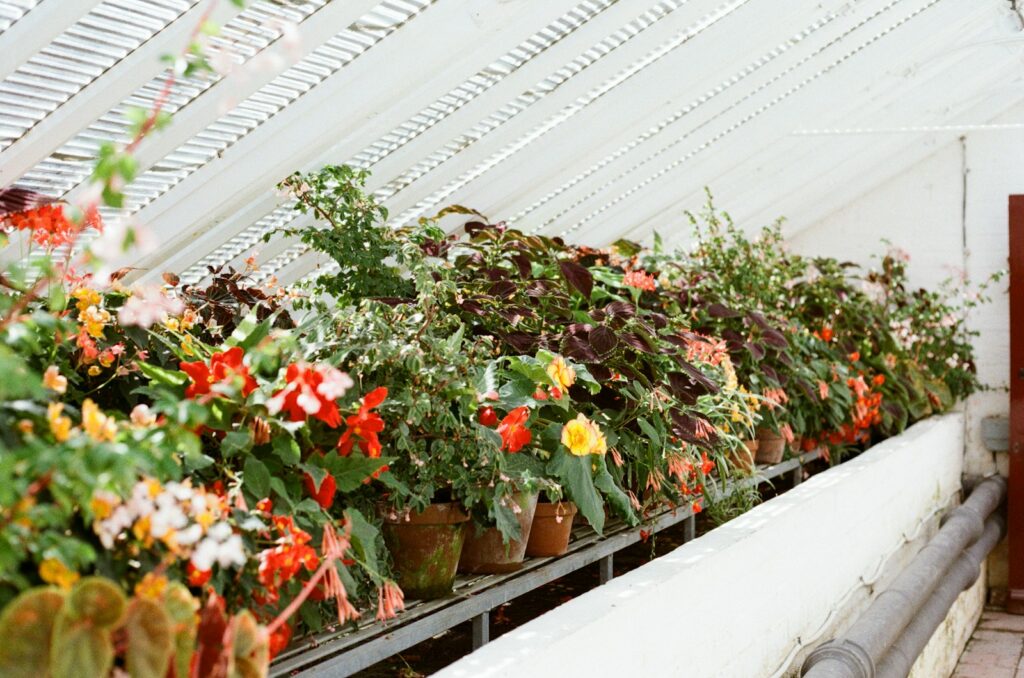
Don’t wait until frost arrives to move your tender plants. These plants can’t handle freezing temperatures and need protection before the cold sets in.
Pick a bright spot inside or in a greenhouse where they’ll get enough sunlight. Try to keep the temperature steady, ideally between 60 and 80°F.
Avoid placing plants near heat vents, since sudden heat can dry them out. If possible, help your plants adjust by bringing them inside for a few hours each day over a week or two.
A greenhouse offers extra warmth and protection, making it a safe haven for herbs and tropical plants. Water sparingly, since too much moisture can lead to rot in these sheltered spaces.
Apply thick mulch around outdoor plants to insulate roots from freezing
A thick layer of mulch acts like a blanket for your outdoor plants. It helps keep the soil warmer and protects roots from freezing.
Use organic mulch like straw, shredded leaves, pine needles, or wood chips. Spread it two to four inches deep around trees, shrubs, and perennials.
Apply mulch before the ground freezes. This keeps warmth in the soil and prevents plants from being pushed out by freeze-thaw cycles.
Mulch also holds in moisture, which your plants need to get through harsh winter days. It’s a simple step that really helps your garden survive the cold.
Avoid overwatering—excess water can kill plants faster than drought!
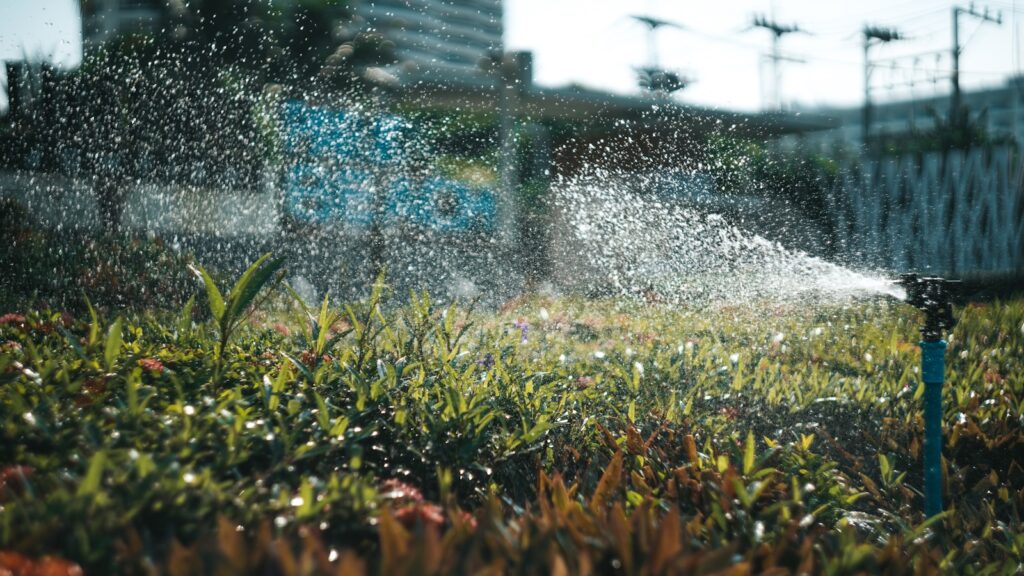
It’s easy to assume your plants need more water in winter, but too much can actually do more harm than good. Soggy soil means roots can’t get enough oxygen, leading to rot.
Watch for yellowing leaves, wilting, or a musty smell—these are signs of overwatering. Many plants need less water in winter because their growth slows down.
Check the soil before watering. If it’s still damp an inch down, hold off.
Water deeply but less often, and empty trays under pots so water doesn’t sit around the roots. Careful watering now sets your plants up for a strong comeback in spring.
Place plants near south-facing windows for maximum natural winter light
Getting enough sunlight is tough for plants in winter. South-facing windows are your best bet because they get the most light throughout the day.
This spot is perfect for sun-loving plants like succulents and cacti. If you notice leaves burning, use a sheer curtain to soften the rays.
A little extra effort to move your plants to these brighter spots can help them stay healthy until longer days return.
Reduce fertilizing—plants grow slower in winter and need less food

Plants don’t need as much fertilizer in winter. Growth slows down with less light and cooler temperatures, so they use fewer nutrients.
Cut back on how often you feed them. Instead of every couple of weeks, try every four to six weeks.
If your plants are in a bright spot or under a grow light, you might need to fertilize a bit more often. For those in darker corners, less is best.
Reducing fertilizer also prevents salt build-up in the soil, which can burn roots. During winter, a little goes a long way.
Use humidity trays or mist houseplants to combat dry indoor air
Indoor air gets really dry in winter, and your plants feel it. Brown or crispy leaves are a sure sign they’re thirsty for humidity.
A humidity tray is easy to make. Fill a shallow tray with water and pebbles, then set your plant pots on top.
The water will slowly evaporate, creating a humid bubble around your plants. Misting is another quick fix—just spray the leaves lightly, but not too much to avoid mold.
Grouping plants together on a tray can boost humidity even more. Your plants will look happier and healthier through the dry months.
Cover outdoor plants with frost cloths or blankets during cold snaps
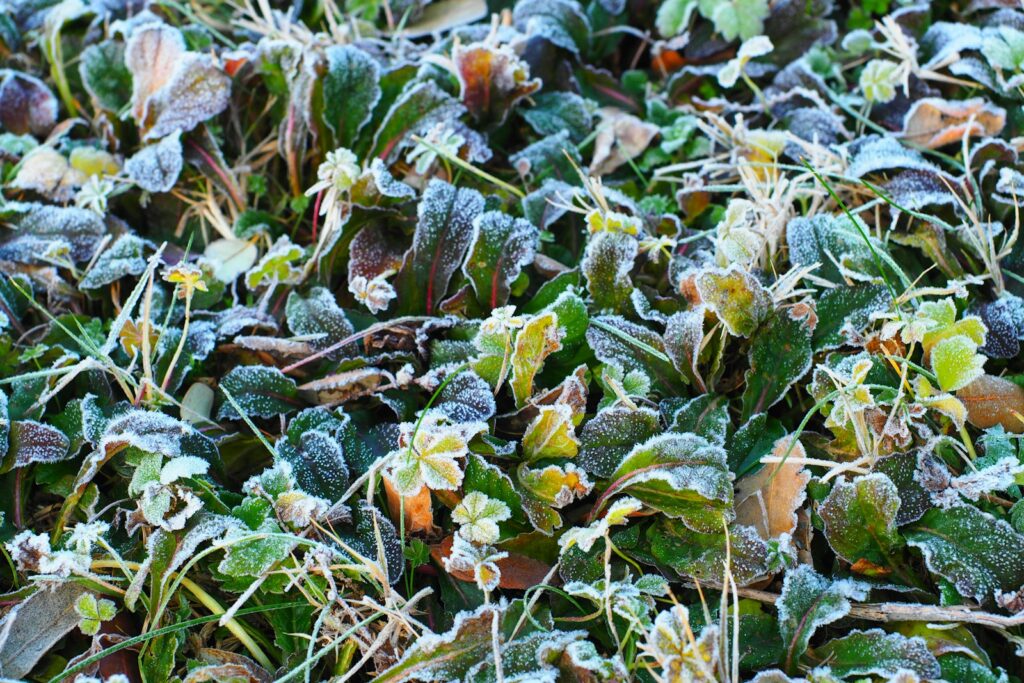
When a cold snap hits, covering your plants can make all the difference. Frost cloths or blankets trap heat and keep frost off leaves and stems.
Frost cloths let air, light, and moisture through, which is good for your plants. If you use blankets or old sheets, make sure they don’t touch the leaves directly.
Put covers on before temperatures drop below freezing and remove them in the morning so plants don’t overheat. Stakes or poles can help keep the fabric off delicate plants.
A little bit of protection on the coldest nights can help your garden make it through winter.
Group plants together indoors to create a humid microenvironment
Grouping your houseplants together is a simple trick to help them through winter. When plants are close, they release moisture into the air, raising the humidity around them.
This mini humid zone is especially good for tropical plants or any that need more moisture. The more plants you cluster, the better the effect.
Just place your plants together on a table or shelf. No need for fancy gadgets—nature does the work.
Try to group plants with similar humidity needs for the best results. You’ll notice fewer crispy leaf edges and more vibrant growth.
Understanding Plant Dormancy
Plants use winter to slow down and protect themselves when the weather gets tough. Growth stops, and they save energy to make it through the cold and darker days.
What Happens to Plants in Winter
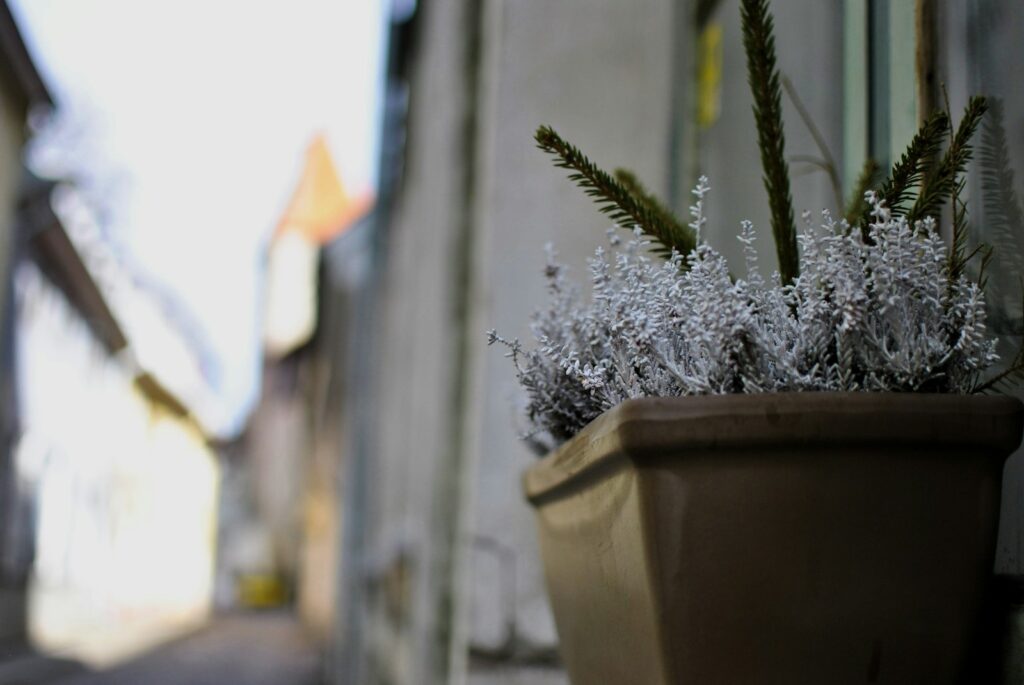
Many plants go dormant in winter, meaning growth slows or stops completely. Your plants won’t use as much water or nutrients, and they rest to avoid damage from the cold.
Dormancy is triggered by shorter days, colder temperatures, and less water. Even if leaves look dead, the plant may still be alive inside, storing energy for spring.
Common Signs of Dormancy
You’ll notice leaves turning brown or falling off, especially on perennial herbs. Stems might look dry, but that doesn’t always mean the plant is dead.
No new shoots or flowers will appear, and soil will stay dry longer since roots aren’t growing much. Bulbs and seeds might look inactive, but they’re just waiting for warmth to return.
Look for these signs:
- Dropping or drying leaves
- No new growth
- Soil drying out slower
- Woody stems with little change
Knowing these signs helps you avoid overwatering or assuming your plant is gone for good.
How Winter Conditions Impact Indoor Plants
Winter changes the way your plants grow indoors. Less light and cooler temperatures mean you’ll need to tweak your plant care routine.

Shorter days and a lower sun angle mean less natural light for your plants. This slows down photosynthesis and nearly stops growth.
You might see slower growth or yellowing leaves. Some plants will rest until days get longer.
To help, move your plants near south-facing windows or use grow lights. Give them time to adjust when you change their spot so they can settle in and keep growing.
How Temperature Fluctuations Affect Growth
Have you ever noticed your houseplants looking a little sad during the winter? Indoor temperatures can swing a lot because of heaters and unexpected drafts.
Most plants do best in steady warmth between 65 and 75°F. When the temperature changes quickly, your plants may start to show signs of stress.
Cold drafts can harm the leaves and slow down root growth. On the other hand, heaters dry out both the soil and the air, making it tough for plants to stay hydrated.
Try to keep your plants away from vents or windows that might let in sudden bursts of cold air. Adding a humidifier or placing trays of water near your plants can help keep the air moist.
Keeping temperatures stable and moisture consistent will go a long way in helping your plants thrive all winter.