The Most Overwatered Plants, And What to Do Instead to Help Them Thrive
If you have ever wondered why your plants look droopy even though you water them all the time, you are not alone. Overwatering is a sneaky problem that trips up even experienced plant lovers.
Some plants are especially sensitive to getting too much water. Learning which ones need a lighter touch can make a big difference in how healthy your houseplants look.
Spider Plant
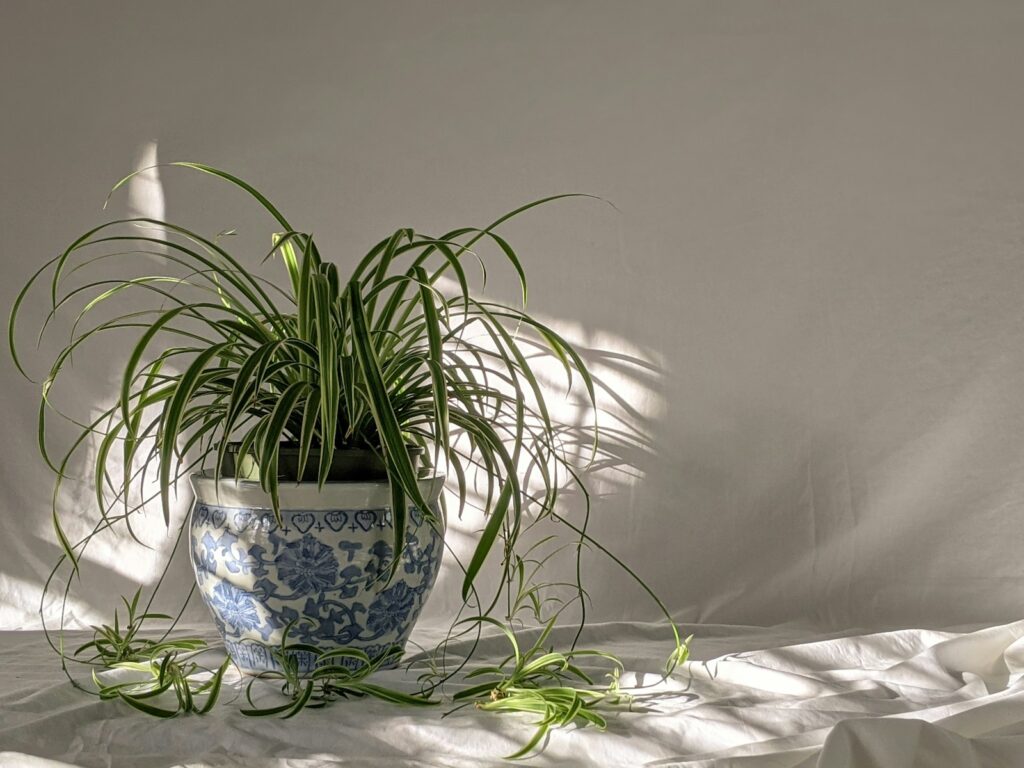
Spider plants are easy to take care of, but they do not like soggy soil. Let the top inch of soil dry out before you water again.
Mixing regular potting soil with perlite or vermiculite helps water drain quickly. This keeps roots from sitting in water and getting damaged.
If you see yellow leaves or brown tips, your spider plant might be getting too much water. Stop watering and let the soil dry out before you try again.
Repotting in fresh, well-draining soil can help if the roots are already struggling. Paying attention to the soil makes a big difference for these tough little plants.
Peace Lily
Peace lilies are beautiful but can be tricky if you water them too often. They like their soil a bit moist but not soaked.
Check the top inch of soil before you water. If it feels dry, go ahead and water; if not, wait a little longer.
Room-temperature water is best to avoid shocking the roots. When you do water, let the extra drain out so the roots stay healthy.
Fiddle Leaf Fig
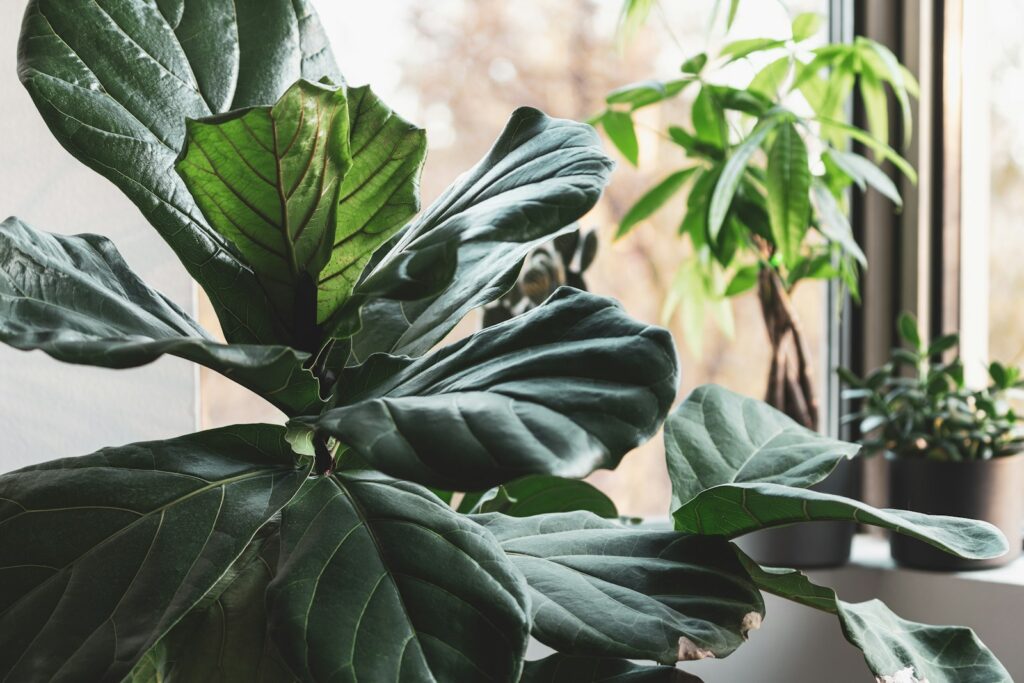
Fiddle leaf figs can be dramatic about too much water. Stick your finger into the soil about an inch deep—if it is dry, water it.
Overwatering leads to root rot and brown leaves, so let the soil dry out between waterings. Usually, every 7 to 10 days is enough, and even less in winter.
Make sure your pot has drainage holes. This keeps the roots from sitting in water and helps prevent problems.
If you notice dark spots or wilting, it might be time to cut back on watering. Giving just enough water will help your plant grow those big, shiny leaves everyone loves.
Pothos
Pothos are great for beginners, but they do not like wet feet. Wait until the top inch of soil is dry before watering again.
Always check the soil first. Good drainage is important, so use pots with holes and a mix that lets air reach the roots.
Bottom-up watering can work well for pothos. Letting the roots soak up water from a tray keeps the plant happy without overdoing it.
Snake Plant
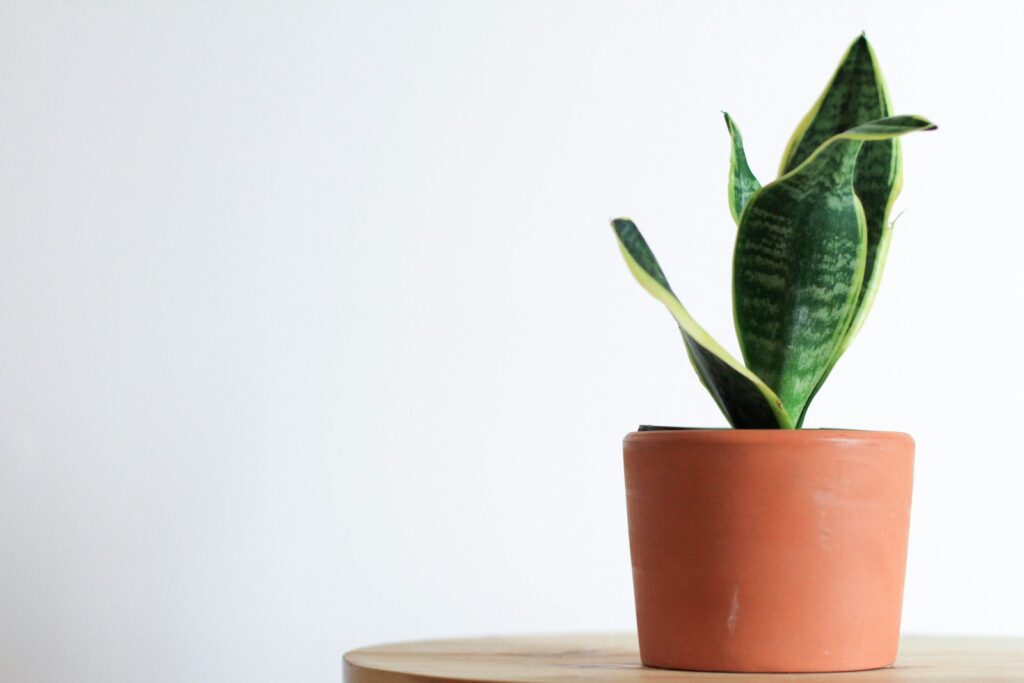
Snake plants are the kings of low-maintenance living. They thrive when you let the soil dry out almost completely between waterings.
Water only every two to three weeks, especially in cooler months. Check the soil first—if it is still damp, wait a few more days.
In spring and summer, they might need a little more, but dryness is still key. Always let extra water drain out of the pot.
Boston Fern
Boston ferns love humidity, but not wet soil. Mist the leaves to boost humidity, but do not let the soil get soggy.
Water when the top inch of soil feels dry. Make sure water can drain out, so roots do not sit in a puddle.
If your home is dry, mist more often or set the pot on a tray of wet pebbles. This helps the fern stay lush without risking root rot.
ZZ Plant
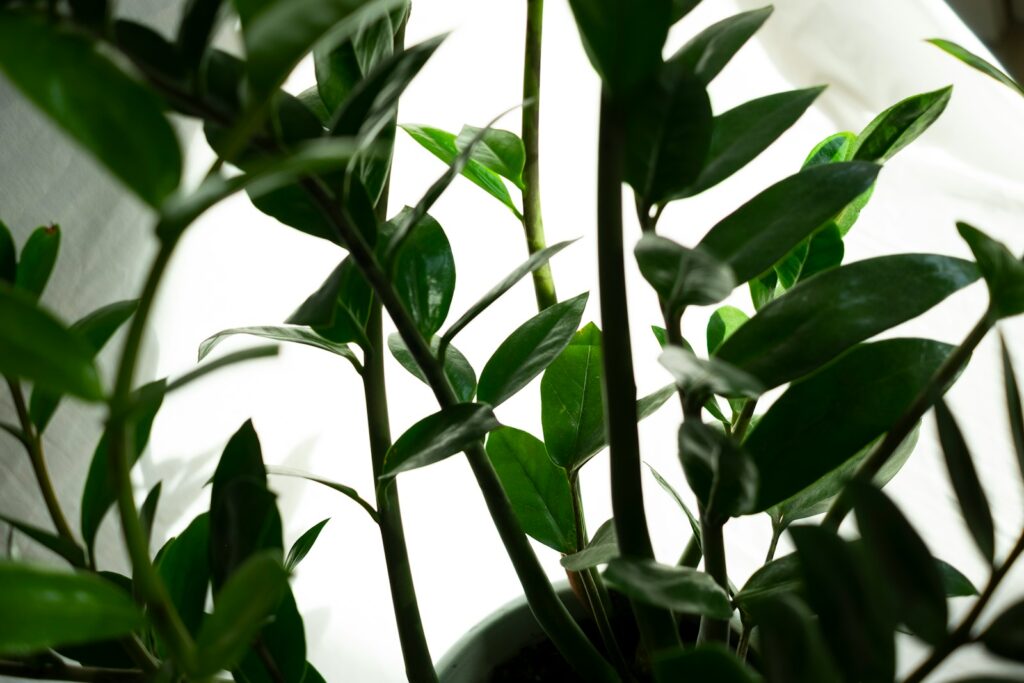
ZZ plants are perfect if you sometimes forget to water. They store water in their thick roots and can go weeks without a drink.
Wait until the soil is completely dry before watering again. Overwatering is the main way to harm a ZZ plant.
Water thoroughly and let it drain. You can also try bottom watering to keep the leaves from getting too wet.
Philodendron
Philodendrons like their soil to dry out a bit between waterings. Check the top one or two inches of soil before you add more water.
Make sure the pot drains well and do not stick to a strict schedule. Adjust how often you water depending on how much light your plant gets.
If the leaves start drooping, it is usually a sign your plant needs water. Too much water leads to yellow leaves and root trouble.
Succulents
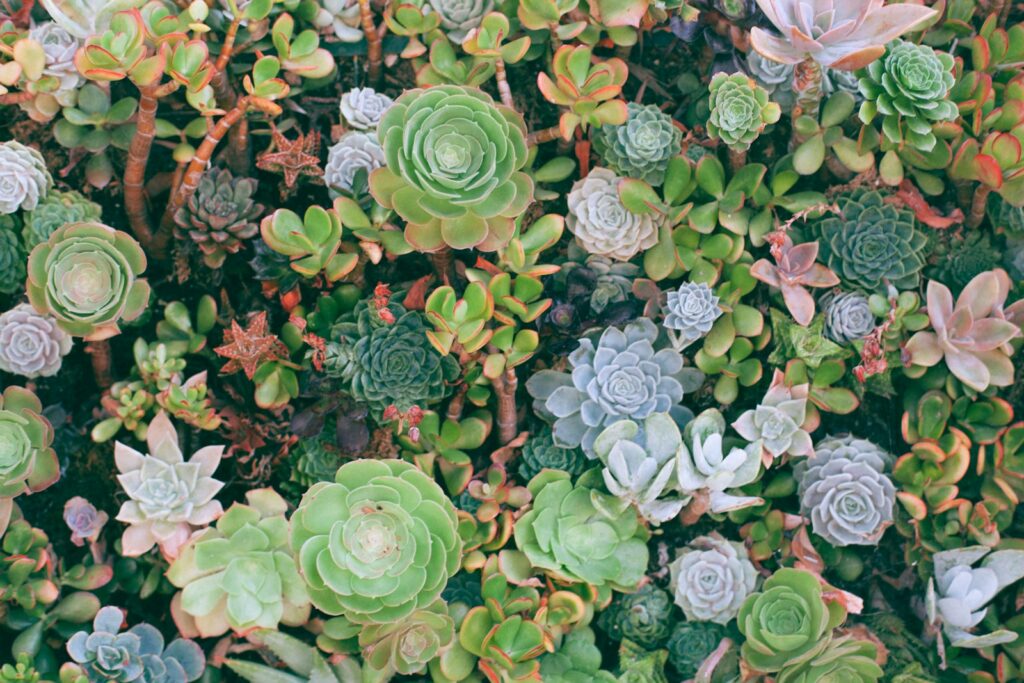
Succulents are champions at surviving with very little water. Water them about once a month, or even less.
Use a special succulent or cactus soil that drains quickly. Regular soil holds too much water and can cause root rot.
Bright, indirect light is best. Always check that the soil is dry before you water again.
Rubber Plant
Rubber plants like a good soak, but not too often. Water thoroughly, then wait until the top one or two inches of soil dry out before watering again.
Check for drainage holes in your pot. This helps avoid soggy soil and root rot.
In warmer months, your rubber plant might need more water, but slow down in winter. Adjust your watering to match the season.
Why Overwatering Happens
It is easy to think more water means a happier plant, but too much can actually hurt them. If you know what to look for, you can catch overwatering before it causes real damage.
Common Misconceptions About Plant Care
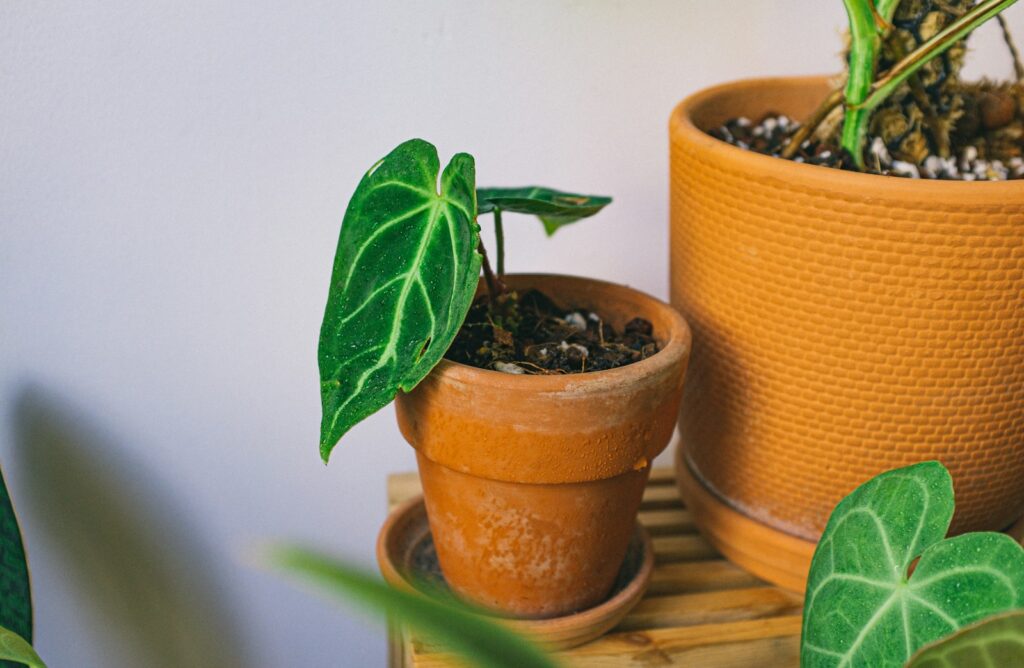
Many people believe plants need water every day, but most like their soil to dry out between drinks. Watering too often keeps roots from getting enough air.
Bigger pots do not always mean you should add more water. Larger containers hold moisture longer, so less frequent watering is better.
Some plants come from dry climates and need much less water than others. Treating all your plants the same way can cause problems.
How to Recognize Overwatering Early
Watch for yellow leaves and soft, wilting stems when the soil is still damp. Mold on the soil or a musty smell are signs water is sitting too long.
Push your finger about an inch into the soil. If it feels wet, wait before watering again.
Proactive Solutions for Thriving Plants
Giving your plants just the right amount of water, good soil, and space to grow strong roots can make all the difference.
Best Watering Practices for Healthier Roots
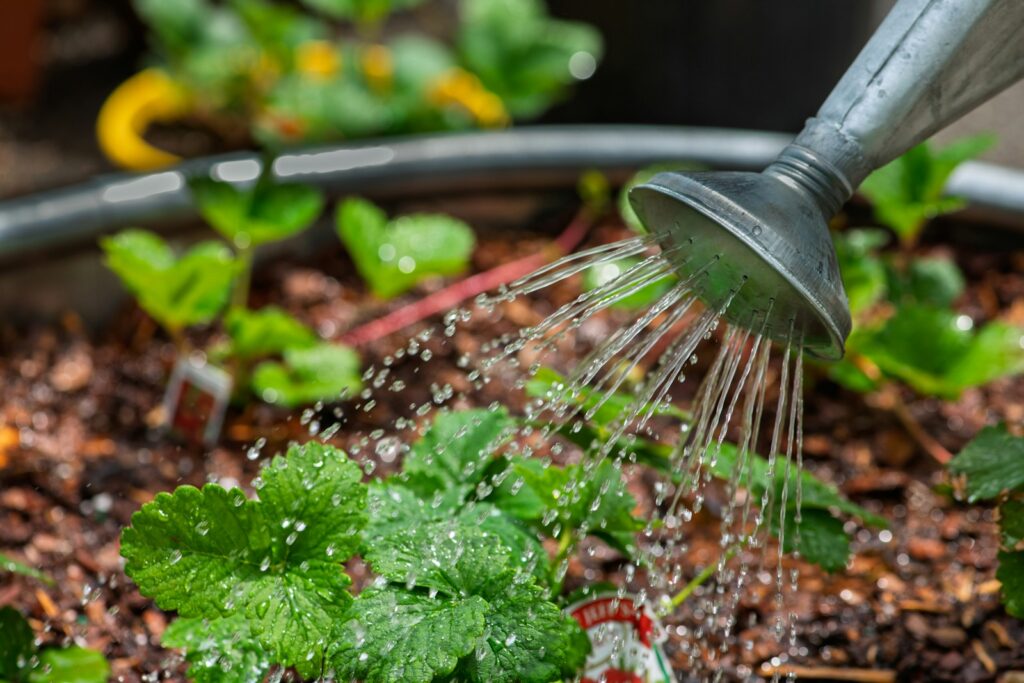
Water only when the top inch of soil feels dry. Use a watering can with a narrow spout to control the flow.
Pour water slowly so the soil absorbs it evenly. Stop if water pools on the surface.
Always let extra water drain out. Try watering early in the morning or late afternoon to reduce evaporation.
For indoor plants, avoid misting the leaves to prevent mildew. Consistent, moderate watering keeps roots healthy and your plants looking their best.
Choosing the Right Soil and Containers
Finding the right soil for your indoor plants can make a big difference. If you’ve ever had a plant that just wouldn’t thrive, the soil might have been the culprit.
Soil that drains well is essential. A mix with peat, perlite, or sand helps keep water from lingering too long.
Avoid using heavy garden soil indoors because it tends to hold too much moisture. Instead, look for potting mixes labeled as well-draining or ones meant for cacti if your plants are sensitive to overwatering.
Containers matter just as much as soil. Always pick pots with drainage holes so water doesn’t collect at the bottom and harm the roots.
If you have a pot you love that doesn’t have a hole, you can add a layer of small stones at the base. This gives extra space for water to settle away from the roots.
Try raising your plant containers a little with pot feet or small blocks. This simple trick helps air move around and lets water drain out more easily.