Indoor Plants That Thrive in the Darkest Corners of Your Home
Ever looked at those shadowy corners in your home and wished you could add a splash of green? It can feel like a challenge when sunlight barely makes it to certain spots.
The good news is, there are plenty of plants that actually prefer low light. With the right choices, you can transform even the gloomiest areas into lively, inviting spaces.
You don’t need bright windows to enjoy beautiful indoor plants. Some varieties thrive in low light or even no direct sunlight at all.
By picking the right plants, you’ll get greenery and fresher air, no matter how dim the corner.
Snake Plant (Sansevieria)
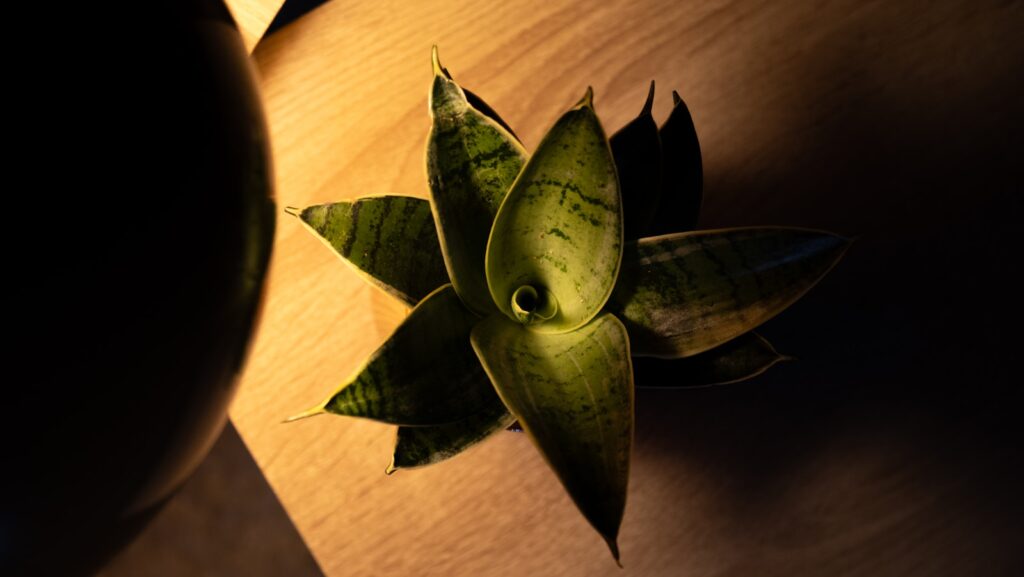
Snake plants are a go-to for anyone who wants greenery in hard-to-reach corners. These plants are famous for their tough nature and striking, upright leaves.
They do well in very low light and don’t mind if you forget to water them every now and then. Just let the soil dry before watering again.
Snake plants also help clean the air and even release oxygen at night. There are several varieties, from classic green-and-yellow to round-leaved types that fit any style.
ZZ Plant (Zamioculcas zamiifolia)
The ZZ Plant is perfect when you want to add some shine to a dark corner. Its glossy leaves look good anywhere, and it’s nearly impossible to kill.
Low light? No problem. The ZZ Plant can go weeks without water and still look perky.
It grows slowly, so you won’t need to repot it often. This plant is a great pick if you want something stylish that takes care of itself.
Peace Lily (Spathiphyllum)
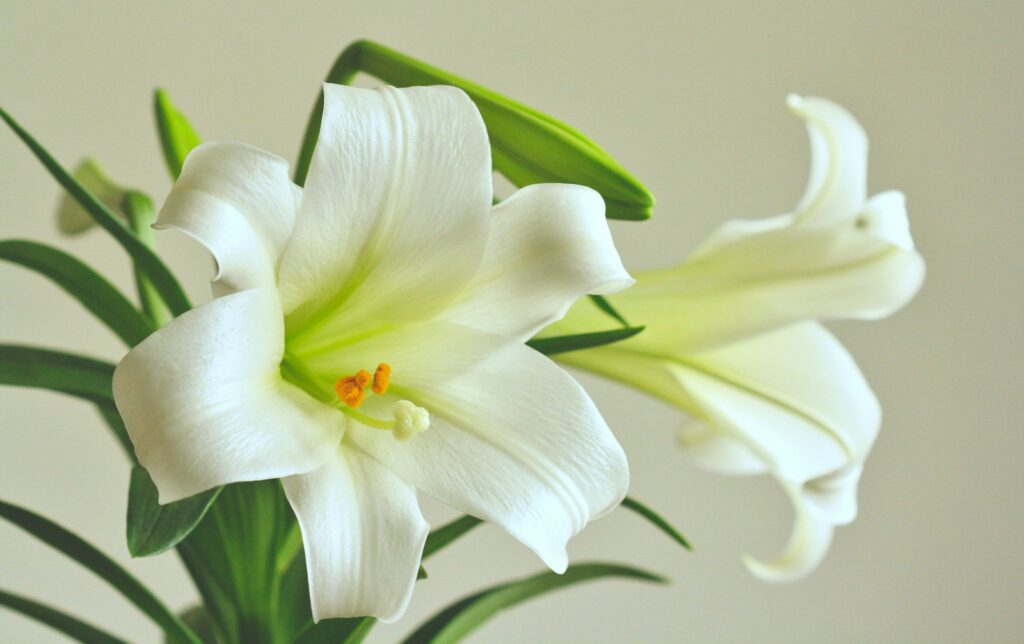
Peace lilies are a favorite for adding a pop of beauty to darker spots. Their deep green leaves and white blooms stand out, even in low light.
They’re easy to care for—just keep the soil moist but not soggy, and mist the leaves occasionally for a humidity boost.
If you notice brown tips, try using filtered or rainwater. Peace lilies don’t like harsh chemicals from tap water.
They also help refresh the air, making your space feel cleaner and calmer.
Pothos (Epipremnum aureum)
Pothos is a lifesaver for anyone who wants greenery without the fuss. It thrives with little light and only needs a bit of water every now and then.
The heart-shaped leaves come in shades of green, yellow, or white, and it’s fun to watch them trail from shelves or hanging baskets.
Pothos adapts to different conditions and bounces back if you forget to water it. It can even grow in spaces with just artificial light.
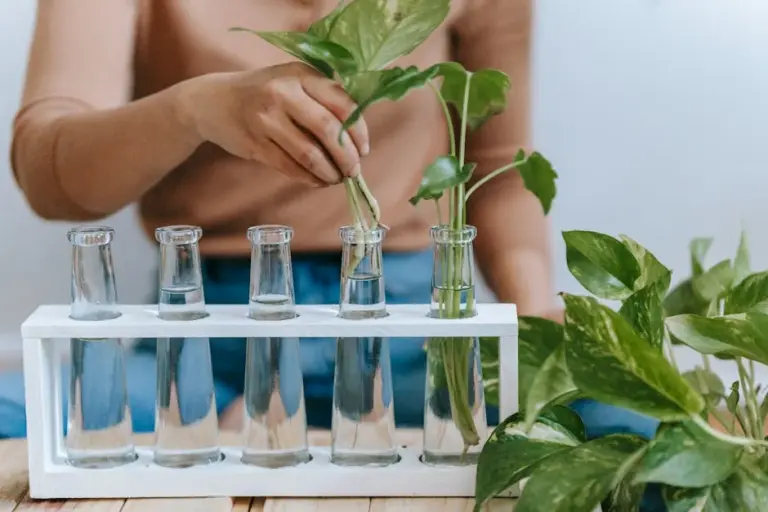
Propagating new pothos plants is simple—just snip a vine, place it in water, and let the roots grow.
Cast Iron Plant (Aspidistra elatior)
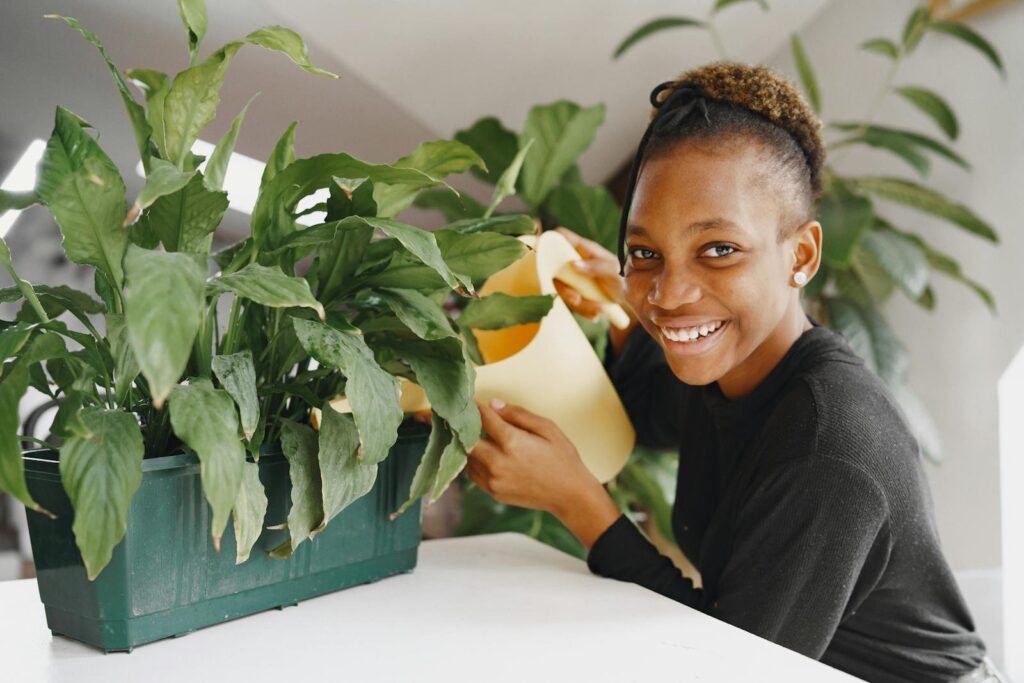
The Cast Iron Plant lives up to its name, surviving where most plants give up. It’s a great pick for those truly dark corners.
You don’t need to worry about regular watering or bright light. The rich green leaves bring a touch of nature to spots that rarely see sun.
This plant handles temperature changes and some neglect with ease. It’s ideal for apartments, offices, or shaded areas.
Philodendron
Philodendrons are a staple for indoor plant lovers, especially in spots where light is scarce. They stay lush and green even with minimal sun.
The heart-leaf variety is especially popular, with trailing vines that brighten up shelves or corners. Just water when the top soil feels dry.
There are many types, like Brasil or jade, that also handle low light well. They’re great for anyone wanting a low-maintenance, leafy vibe.
Chinese Evergreen (Aglaonema)
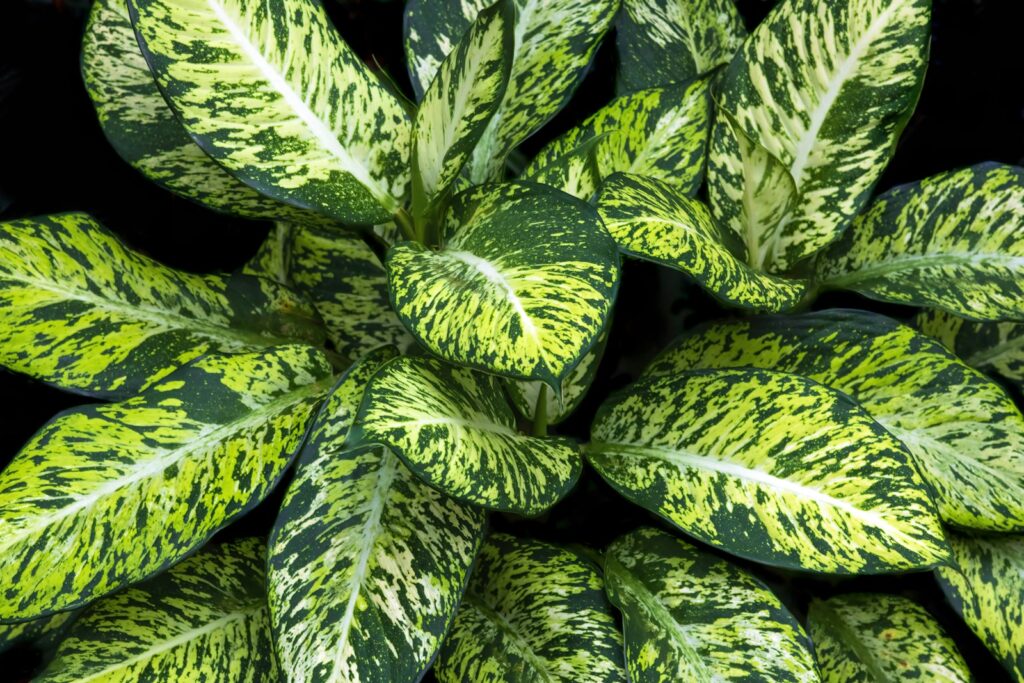
Chinese Evergreen is a top pick if you want color and style in a low-light space. Its patterned leaves bring life to any room, even those without much sunlight.
It’s easy to care for, keep the soil slightly moist and avoid cold drafts. This plant tolerates normal indoor air but loves a bit of humidity.
Chinese Evergreen also helps clean the air, making it a strong choice for busy people or those new to houseplants.
Spider Plant (Chlorophytum comosum)
Spider plants are a cheerful option for brightening up dark corners. Their arching leaves and baby “spiderettes” add movement and texture to any space.
They’re easygoing, just water when the soil feels dry. Spider plants grow quickly and are safe for pets.
Place them in indirect light or a shaded spot, and they’ll thrive with little effort.
Dracaena
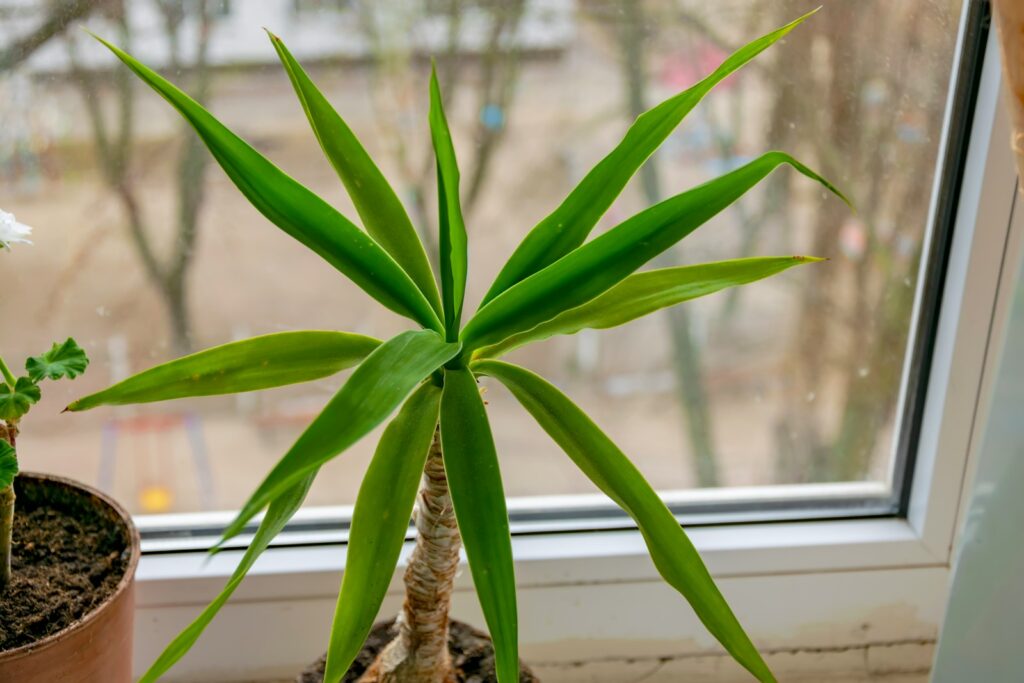
Dracaena plants are a stylish way to add height and interest to low-light rooms. With their tall stems and striking leaves, they stand out wherever you put them.
They’re well-suited for spaces without much natural light. Just water when the top soil dries out and avoid overwatering.
Dracaenas are adaptable and look great on shelves, tables, or in empty corners. They bring a fresh, tropical touch indoors.
Lucky Bamboo (Dracaena sanderiana)
Lucky Bamboo is a fun, easy plant that works well in dim areas. It’s not true bamboo but is part of the Dracaena family, so it’s tough and adaptable.
You can grow it in water or soil, and it doesn’t need much attention. Just keep the water fresh or the soil slightly moist.
The stems can be shaped into twists or braids for a unique look. Many people also believe Lucky Bamboo brings good luck, making it a popular gift.
The Science Behind Low Light Plant Survival
Low-light plants have some clever tricks to stay healthy when sunlight is limited. They adjust their growth and use every bit of light they can get.
How Plants Adapt to Low Light
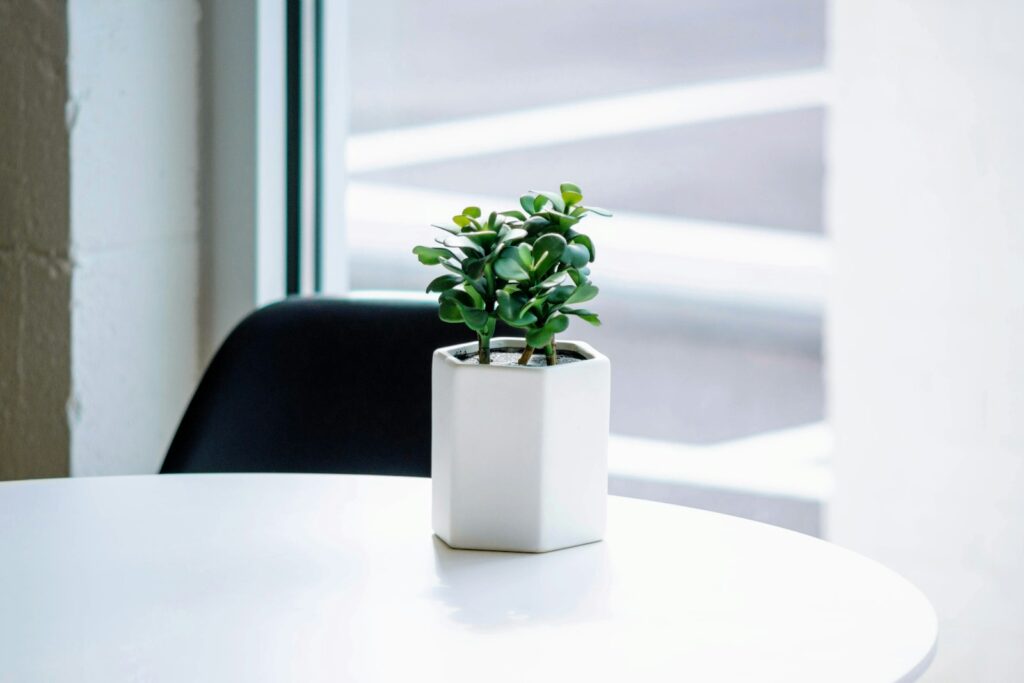
Some plants grow larger leaves or stretch toward light sources to catch more rays. Others use chlorophyll more efficiently, making the most of weaker light.
These adaptations help them grow where other plants might struggle.
The Role of Leaf Structure in Light Absorption
Leaf structure is key for low-light survival. Many of these plants have thin, broad leaves packed with chlorophyll.
Darker green leaves mean more chlorophyll, which helps trap light. Some have a waxy or shiny surface to reduce water loss.
Key features of low-light leaves:
| Feature | Purpose |
|---|---|
| Thin leaf layers | Easier light penetration |
| Large surface area | Catch more light |
| Dark green color | More chlorophyll for light capture |
| Waxy surface | Protects and supports light intake |
These traits help low-light plants use even faint rays to stay green and healthy.
Care Tips for Indoor Plants in Dark Spaces
Caring for plants in dim corners is all about adjusting your routine. A little attention goes a long way.
Watering Wisdom for Low-Light Lovers
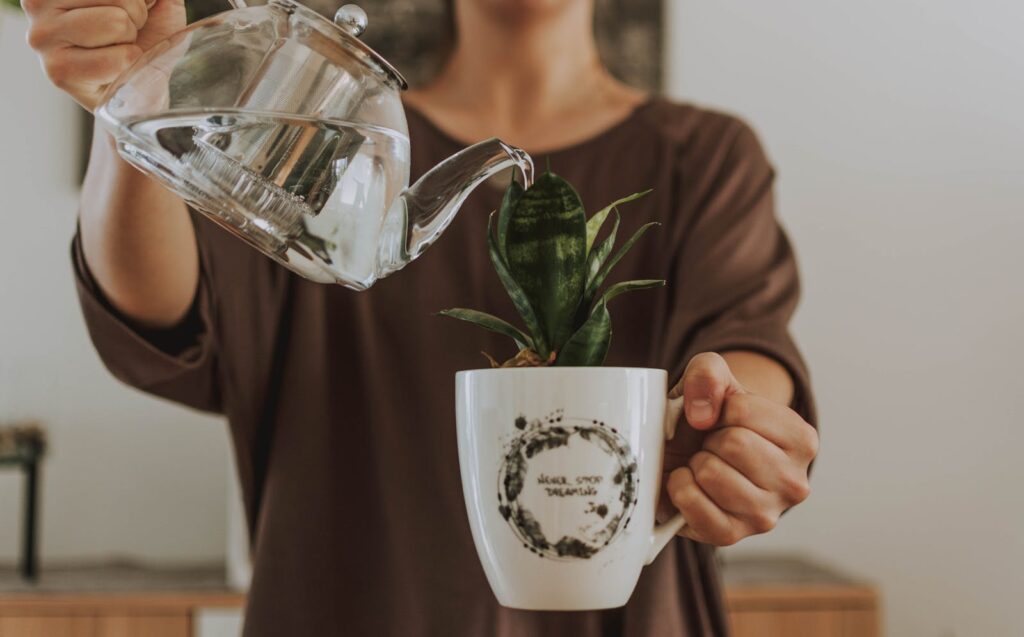
Plants in low-light areas need less water since they grow slower. Overwatering is a common mistake and can cause root rot.
Always check the soil before watering. If the top inch feels dry, it’s time to water.
Use pots with drainage holes to prevent excess moisture. Some plants like snake plants and pothos prefer their soil to dry out between waterings, while peace lilies like it a bit more moist.
Water less often during cooler months when growth slows down. This helps your plants stay healthy year-round.
Humidity and Temperature Considerations
Have you ever noticed your plant leaves looking a little sad, even when you water them regularly? Sometimes the problem is the temperature in your home.
Most low-light indoor plants feel comfortable in temperatures between 65°F and 75°F. Try not to put them near spots where cold drafts or blasts of hot air from vents can reach them.
Humidity makes a big difference too. Many plants that thrive in shade are used to tropical climates and love a bit of extra moisture in the air.
You can help by placing a tray of water close to your plants or grouping several plants together to create a little pocket of humidity. Using a humidifier nearby works well too.
If you spot brown edges on the leaves, that’s often a sign the air is too dry. Lightly misting the leaves every now and then can help, but be careful not to overdo it so you don’t invite fungus.